

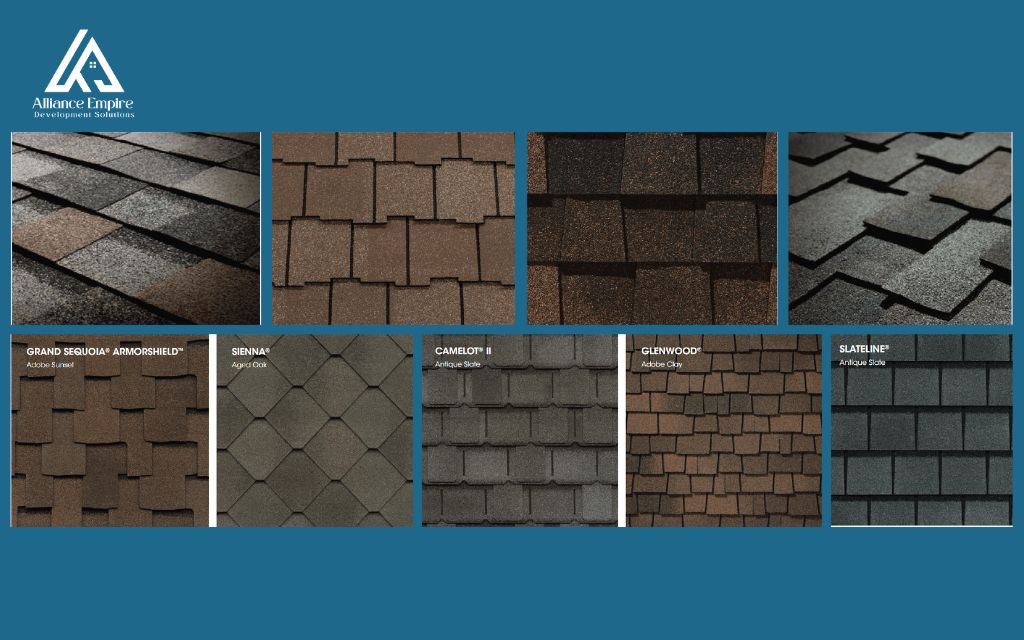
Picture this: a hailstorm rolls through the Denver metro, dropping golf-ball-sized stones across your neighborhood. You walk outside afterward and wonder, “Did my roof just take a hit?” If your home has a composition roof, you are in good company. Composition shingles cover more Denver homes than any other roofing material because they balance affordability, curb appeal, and solid weather protection.
But here is what many homeowners do not realize: Denver’s “Hail Alley” conditions mean that even a well-installed composition shingle roof can sustain hidden damage that shows up as a leak months later. Understanding what composition roof material is made of, how to recognize damage, and when to repair versus replace can save you thousands of dollars and a lot of stress.
This guide covers everything you need to know about composition roofing in Colorado: materials, shingle types, Class 4 impact-resistant options, honest cost factors, and a practical framework for making the right call after a storm. Alliance EDS is here to give you honest guidance at every step.
What is a composition roof?
Composition roof meaning (simple definition)
A composition roof is a roofing system built from shingles made by combining multiple materials into one durable product. The word “composition” literally refers to that blend. Most roof composition shingles consist of three key layers:
| Layer | Material | Primary Purpose |
| Base mat | Fiberglass | Structural strength and fire resistance |
| Middle coating | Asphalt | Waterproofing and flexibility |
| Surface layer | Ceramic granules | UV protection, color, and impact resistance |
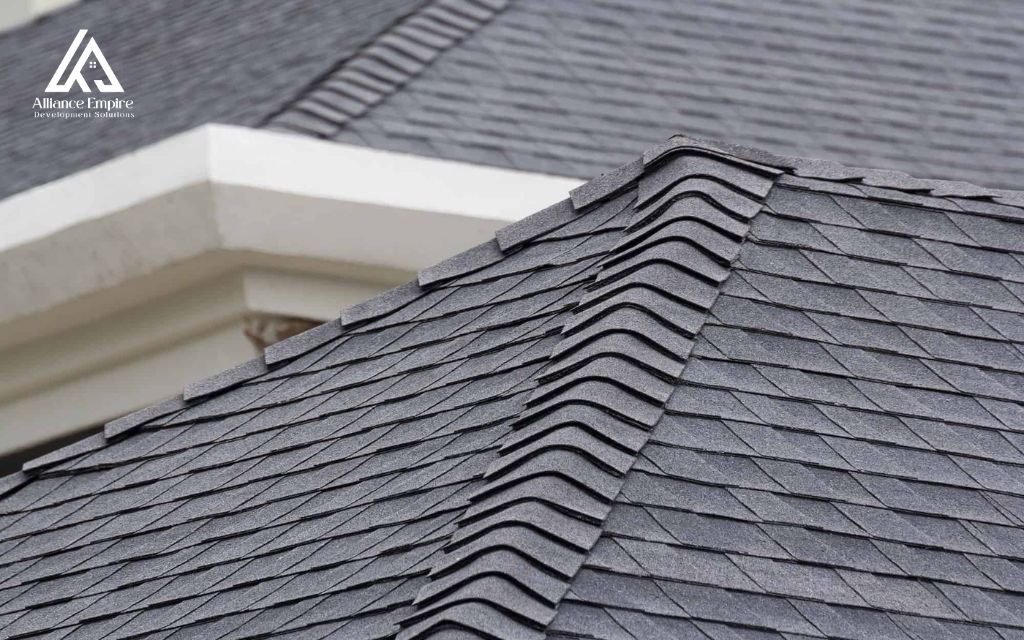
This layered construction is what gives a roofing composition shingle its versatility. The fiberglass core keeps the shingle lightweight and dimensionally stable. The asphalt coating repels water. The granules on top protect the asphalt from UV rays and add a layer of impact defense against hail.
Composition shingles vs asphalt shingles: are they the same?
In everyday conversation, composition shingles and asphalt shingles refer to the same product. Both terms describe the same fiberglass-asphalt-granule construction. A comp roof or composite roof is simply short-hand for the same system.
Technically, “composite” could reference other high-end synthetic materials (rubber, polymer, or recycled plastics), but in the Denver roofing market, when a contractor says “roof comp composition,” they almost always mean a fiberglass-asphalt shingle. This guide uses both terms in that same context.
Types of composition shingles (and what to choose in Denver)
3-tab vs architectural vs designer shingles
Not all roof composition shingles perform the same. Here is how the three main types compare:
| Shingle type | Profile | Best for | Typical lifespan |
| 3-tab | Flat, uniform cutouts | Budget-conscious projects, lower-slope roofs | 15-20 years |
| Architectural (laminated) | Dimensional, layered look | Most Denver homes; durability and value balance | 25-30 years |
| Designer | Premium profiles, varied textures | High-end aesthetics, luxury properties | 30+ years |
Architectural shingles are the most popular choice in the Denver metro. They are thicker than 3-tab options, carry better wind ratings, and their dimensional profile does a better job mimicking the look of wood shake or slate. If you are replacing an aging comp roof in Denver, architectural shingles offer the strongest combination of performance and long-term value.
Class 4 impact-resistant shingles for Colorado hail
If you live anywhere in the Denver metro, Class 4 impact-resistant shingles deserve a serious look. Here is what that rating actually means in practice:
Class 4 is the highest rating under the UL 2218 impact resistance test. A steel ball is dropped from a specific height to simulate hailstone impacts, and a Class 4 roofing composition shingle survives impacts from a 2-inch steel ball without cracking through. A few important points:
• “Impact-resistant” does not mean “hail-proof.” A severe Denver hailstorm with stones larger than 2 inches can still cause damage.
• The rating indicates the shingle is engineered to handle more abuse before failing, giving your roof a better chance of surviving moderate hail without significant granule loss.
• Many Colorado insurance carriers offer a premium discount of 20% or more for Class 4 composition roof material upgrades. Check with your insurer before your next replacement.
• Denver’s building codes do not universally require Class 4, but given local hail frequency, choosing them is one of the most cost-effective long-term decisions a homeowner can make.
Denver weather challenges (what fails first)
Hail damage signs on composition shingles
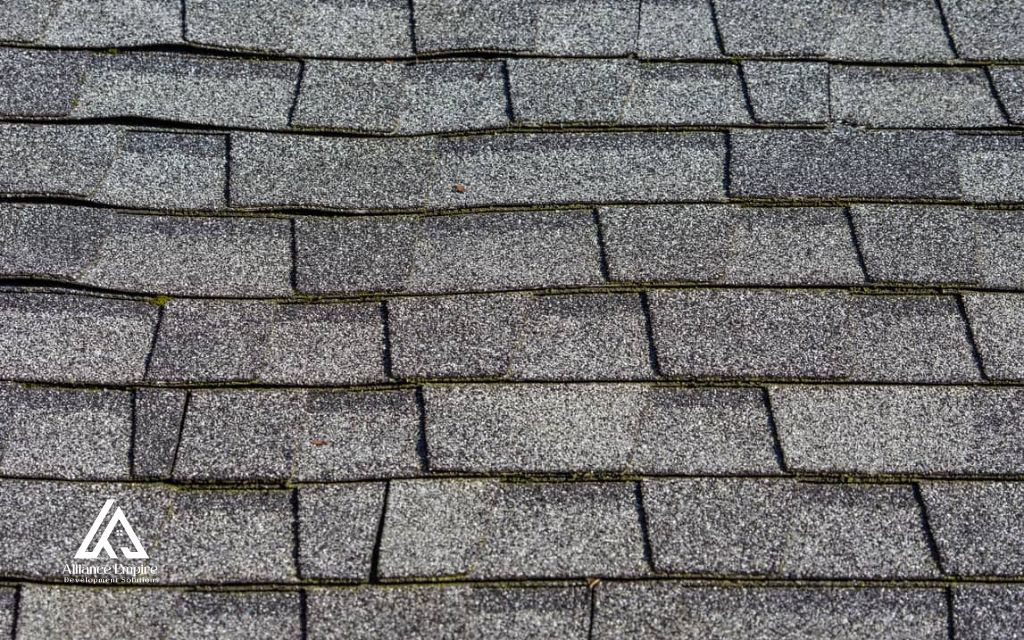
Hail damage to a composition shingle roof is often subtle at ground level, which is exactly why professional inspection matters. The most common signs include:
• Granule loss: Dark, exposed spots where granules have been knocked off. Gutters and downspouts full of granules after a storm are a key indicator.
• Bruising: Soft, dark impressions in the shingle mat where hail impact has fractured the fiberglass beneath the surface. These can be felt as soft spots when pressed.
• Cracked or split corners: Common on 3-tab shingles after severe impacts.
• Exposed mat: Areas where granule loss is severe enough to leave the black fiberglass mat fully visible to UV rays and moisture.
A bruised shingle may not leak immediately. Granule loss accelerates UV aging, meaning a roof that looks functional today can fail significantly faster than its expected lifespan. Waiting months to schedule an inspection after a Denver hailstorm is a mistake that costs homeowners real money.
Wind, snow, and high-UV exposure
Denver’s climate creates three additional stresses beyond hail:
Wind uplift:
Front Range wind events regularly exceed 60 mph. Damage typically shows up as lifted or missing shingles along ridgelines, rakes, and eaves. Damaged flashing around chimneys and skylights is also common after high-wind events.
Snow loads and freeze-thaw cycles:
Heavy snowpack followed by daytime melting creates water that refreezes at the eaves overnight. This freeze-thaw action forces water under shingles and can compromise the underlayment, leading to ice dam formation at gutters.
High-altitude UV exposure:
Denver sits at 5,280 feet. UV radiation is meaningfully stronger at altitude than at sea level, which accelerates granule breakdown and asphalt oxidation. A composition shingle roof in Denver ages faster from UV exposure alone compared to the same roof installed at lower elevations.
Repair vs replacement: decision guide
When a repair makes sense
A targeted repair is the right call when:
• Damage is isolated to one slope or a small section of the roof
• Only a handful of shingles are missing or cracked, with no widespread bruising across other slopes
• Flashing is compromised at one penetration point but surrounding field shingles are in good shape
• A professional inspection confirms no widespread granule loss or underlayment damage
• The existing roof is relatively young and has meaningful life remaining
Repairs must be inspection-confirmed. Patching visible damage without assessing the full roof is one of the most common mistakes Denver homeowners make after storms.
When replacement is the safer long-term decision
Replacement becomes the smarter investment when:
• Widespread bruising or granule loss affects multiple slopes, indicating that overall roof life is significantly shortened regardless of visible leaks
• The roof is 15+ years old and hail has compounded existing UV wear
• Active leaks are traced to multiple locations or to underlayment failure
• Multiple repair cycles have been performed in recent years
• System components beyond shingles (underlayment, flashing, ventilation, decking) are compromised
• Insurance documentation supports a full replacement claim
Hail damage that shortens the remaining life of a comp roof is one of the most misunderstood issues in Denver’s roofing market. A roof can look fine from the street and still have 5 years of life reduced to 1. That is exactly the kind of nuanced finding a professional inspection documents clearly.
Why professional inspection beats DIY
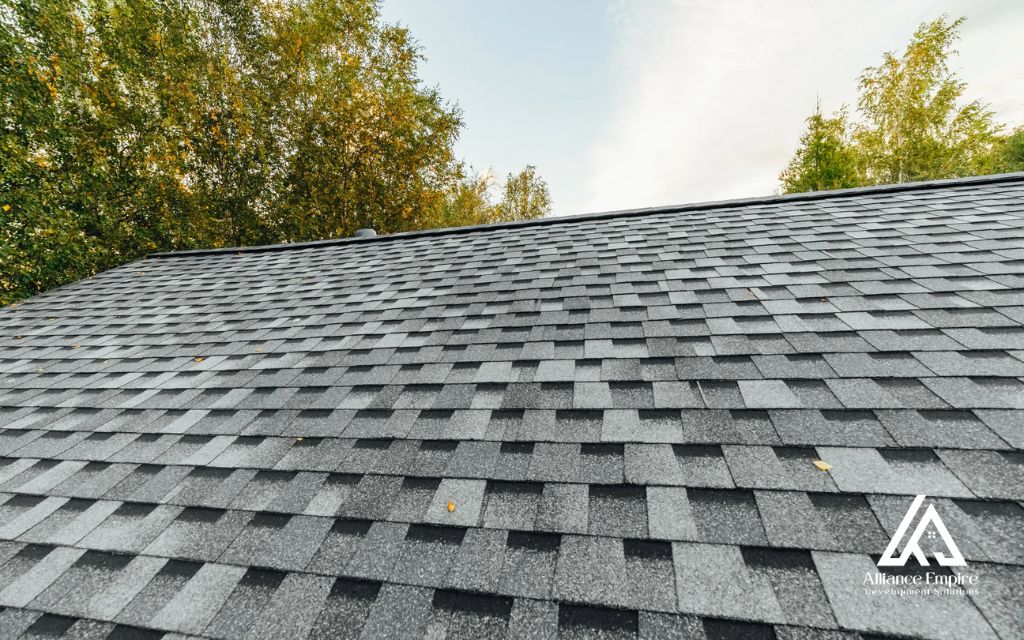
- Safety: Residential roof slopes can be dangerously steep, and composition shingles provide very little grip. Falls from roofs are among the most common causes of serious home-improvement injuries.
- Hidden damage: Granule loss, bruising, and underlayment issues are invisible from the ground and often from the roof surface itself without trained evaluation. DIY assessments consistently underestimate actual damage.
- Documentation: A written inspection report with photos is essential for insurance claims, accurate budgeting, and future buyer disclosures. Without documentation, you lose negotiating power with your insurer and leave money on the table.
Cost factors in Denver (composition roof)
Typical replacement cost ranges
Composition roof replacement costs in Denver vary considerably based on your specific project. Industry estimates for Denver-area asphalt shingle replacement typically place the range from the mid-thousands to the upper-teens of thousands of dollars for a standard single-family home, and larger or more complex roofs go higher.
We deliberately avoid listing fixed price points because the only number that matters is the accurate quote for your specific roof. For an accurate, no-surprise estimate, request a Virtual Roof Estimate from Alliance EDS. We can assess your roof’s scope and give you a real number without requiring you to climb anything.
What changes the price
| Cost factor | Why it matters |
| Roof size and complexity | More squares and more complex geometry (hips, valleys, dormers) means more material and labor |
| Number of existing layers | Colorado code limits shingle layers; tear-off of an existing layer adds cost |
| Decking condition | Rotted or damaged roof decking discovered during tear-off is priced as an add-on |
| Ventilation upgrades | Ridge vents, soffit upgrades, or power vent replacements affect material and labor totals |
| Shingle grade selected | Upgrading to Class 4 impact-resistant adds a material premium, often offset by insurance savings |
| Flashing replacement | Chimney, skylight, and pipe boot flashing should be replaced during a full re-roof |
Insurance and storm documentation: practical checklist
What to document after hail or wind
Follow these steps as soon as it is safe to do so after a Denver storm:
• Note the date, time, and approximate storm duration
• Photograph the exterior: siding dents, gutters with granule deposits, downspout damage, shingles on the ground
• Photograph the interior: any new water stains on ceilings or walls, especially in attic spaces
• Check window screens and HVAC units for dents (these support evidence for hail size)
• Schedule a professional roof inspection before filing a claim so you have independent documentation of findings
Avoiding common claim mistakes
- Waiting too long: Most policies have a filing window after storm events. Delayed inspections and late claims can result in reduced settlements or denials.
- Patching without photos: If a contractor makes repairs before you document the original damage, your insurer may argue the damage was pre-existing or already addressed.
- Skipping a written inspection report: An insurer’s adjuster works for the insurance company. An independent written inspection report from a licensed roofing contractor gives you documentation to support your claim or dispute an undervalued settlement.
- Accepting the first estimate without review: If your insurer’s initial scope seems low, a supplemental estimate from your contractor is a normal and appropriate step.
Alliance EDS helps homeowners navigate the documentation and claim process honestly, from initial inspection through final scope agreement.
FAQs about composition roofs in Denver
What is a composition roof made of?
A composition roof is made from shingles that combine a fiberglass base mat, an asphalt waterproofing layer, and a surface coating of ceramic granules. These three materials work together to create a durable, weather-resistant roofing product. Alliance EDS can walk you through material options and help you choose the right grade for your Denver home.
Is a composition shingle roof good for Colorado hail?
Composition shingles are the standard choice across Colorado, and Class 4 impact-resistant versions offer the highest level of hail protection available in an asphalt shingle. They are not hail-proof, however. After any significant storm, a professional inspection from Alliance EDS ensures you have accurate documentation of your roof’s condition before hail damage compounds.
What is the difference between composition shingles and asphalt shingles?
In everyday use, composition shingles and asphalt shingles refer to the same product. Both describe the same fiberglass-asphalt-granule construction. The word “composition” highlights the multi-material blend, while “asphalt” describes the primary waterproofing component.
Should I repair or replace my roof after hail in Denver?
The answer depends on the scope and distribution of the damage, which is exactly what a professional inspection determines. Isolated damage on a younger roof often supports repair. Widespread bruising or granule loss across multiple slopes on an aging roof typically makes replacement the more cost-effective long-term call. Alliance EDS provides honest, documented guidance to help you make the right decision.
How much does a composition roof replacement cost in Denver?
Composition roof replacement costs in Denver depend on your roof’s size, complexity, existing layer count, material grade, and any decking or ventilation issues uncovered during tear-off. We avoid publishing ballpark numbers because they rarely reflect your actual scope. Contact Alliance EDS for a Virtual Roof Estimate and get a real number for your specific roof.
5 Reasons to choose Alliance Empire Development Solutions
• 15+ years of local experience: We have inspected, repaired, and replaced thousands of Denver-area roofs across the 80219 corridor and surrounding metro communities.
• Honest guidance you can trust: We tell you whether you need a repair or a full replacement based on documented findings, not on what generates the larger job ticket.
• Denver-specific expertise: We understand Colorado’s hail cycles, freeze-thaw patterns, high-altitude UV conditions, and local building code requirements because we work in them every day.
• Storm damage specialists: From initial inspection through insurance coordination and final installation, we manage the full storm damage restoration process for both residential and commercial properties.
• Virtual Roof Estimate capability: Get an accurate estimate without climbing a ladder. Our virtual estimate process delivers a real scope of work and honest pricing from the ground up.
Conclusion
A composition roof remains the most popular and practical choice for Denver homeowners because it balances upfront affordability, design flexibility, and solid performance across four seasons of Colorado weather. Architectural composition shingles, especially at the Class 4 impact-resistant grade, give you the best available protection in a hail-prone market.
The variable that separates a well-protected home from an expensive problem is inspection and documentation. Denver’s hail frequency means damage that is invisible from the ground can silently shorten your roof’s remaining life by years. If you suspect damage to your composition roof, prioritize safety and get a professional evaluation to protect long-term property value.
Alliance EDS is ready to give you the honest, documented assessment your property deserves. Contact Alliance EDS today for a professional inspection or Virtual Roof Estimate. We serve Denver homeowners and property managers throughout the metro area with honest guidance and quality workmanship.