
Colorado weather does not give your roof a break. Hail the size of golf balls, heavy mountain snowfalls, and intense high-altitude UV can push even a solid asphalt shingle roof past its limits years before its time. If you are comparing options or budgeting for a new roof after storm damage, understanding real metal roofing cost in Denver is the smartest place to start.
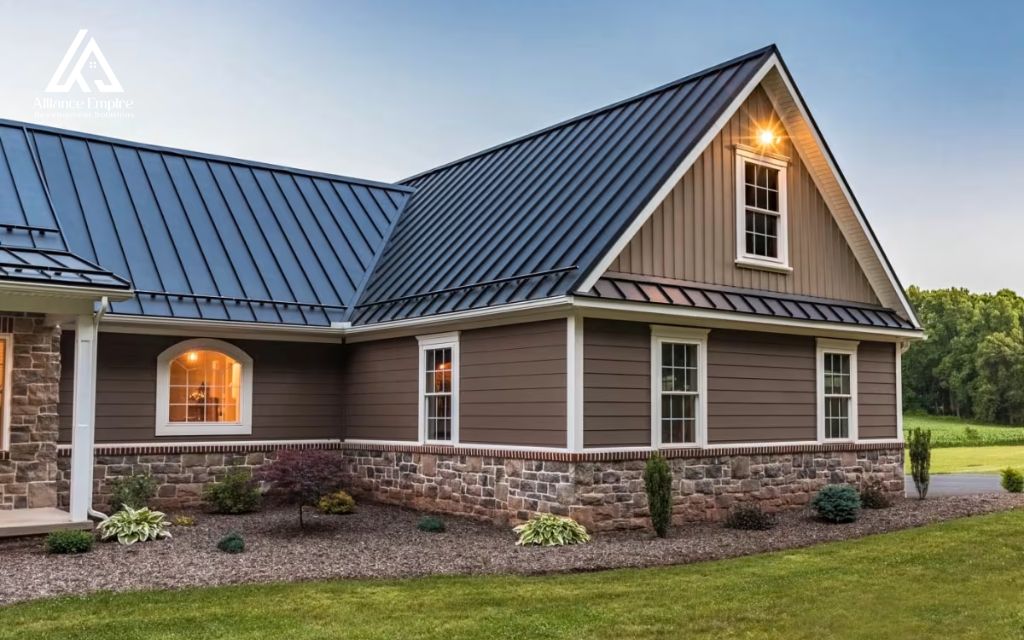
Metal roofing is a durable roof system made from steel, aluminum, zinc, or copper, installed as panels, shingles, or standing seam systems. In Denver, metal roofs typically cost more upfront than asphalt shingles, but they often deliver a longer lifespan, stronger hail and snow performance, and lower long-term risk for property owners along the Front Range.
Local installed prices generally run from about 5 to 14 dollars per square foot, depending on the metal type, roof size, and job complexity. This guide breaks down per-square-foot costs, whole-roof averages, storm and insurance factors, and how to decide between repair and full metal roof replacement. By the end, you will have a clear path to a professional inspection and written estimate from a trusted Denver roofing expert.
How much does a metal roof cost in Denver?
Average metal roofing cost per square foot
In Denver, roofing contractors price metal roofs by the square foot, which covers both materials and labor. For most residential metal roofs, that range runs from roughly 5 to 14 dollars per square foot installed. The lower end of that range reflects simpler profiles and coated steel systems on straightforward rooflines, while the upper end reflects premium materials, complex custom work, or standing seam installations that require more precise detailing.
Keep in mind that unique roof features push costs upward. A steep pitch, multiple roof levels, dormers, chimneys, or skylights each add cutting, flashing, and safety requirements that raise the per-square-foot labor cost beyond the typical range.
Whole-roof cost ranges for Denver homes
Roofers measure jobs in “squares” (one square = 100 square feet of roof area). To estimate your total project cost, multiply your home’s roof square footage by the per-square-foot rate. For typical Denver homes, that math produces a wide but useful starting range:
| Home size (sq ft) | Approx. roof squares | Estimated project range |
| 1,500 | 15-18 squares | ~$7,500 – $18,000+ |
| 2,000 | 20-24 squares | ~$10,000 – $24,000+ |
| 2,500 | 25-30 squares | ~$12,500 – $30,000+ |
| 3,000+ | 30-38 squares | ~$15,000 – $37,800+ |
These are starting points, not final bids. Variables like tear-off, decking condition, material grade, and roof complexity change the number significantly. Alliance EDS provides a customized metal roof cost estimate after a professional on-site inspection, so you get an accurate figure for your specific home.
Metal roof cost vs. asphalt shingles in Colorado
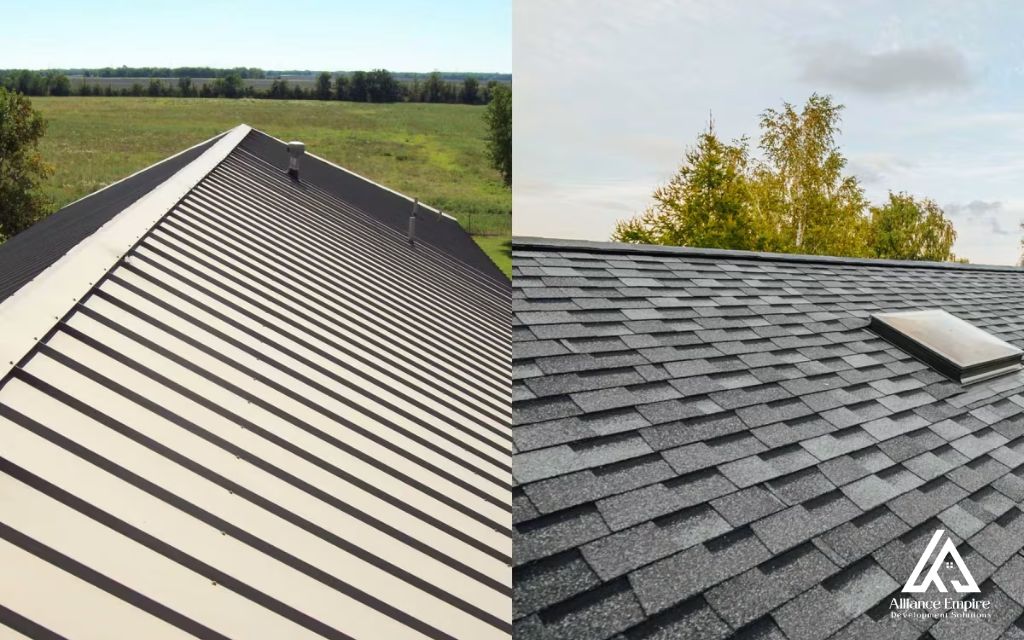
Standard asphalt shingles in Denver typically run about 4 to 6 dollars per square foot installed, while mid-range metal options come in at roughly 7 to 11 or more. That means metal can run close to double the upfront price of a shingle job, and that gap is real.
The question worth asking is: what does that difference buy you in Colorado specifically? Metal roofing sheds heavy snow more effectively, reduces ice dam formation, and resists leaks that freeze-thaw cycles can create in shingle systems. Denver also sees nearly double the national average snowfall plus intense high-altitude UV, which can age shingles faster than in milder climates.
When a shingle roof is young and healthy, patching damage may be the right call. When it is aging, repeatedly leaking, or has taken a significant hail hit, the repair-vs-replacement math starts to favor a full metal upgrade. A professional inspection helps you figure out exactly where your roof falls on that spectrum.
What drives the cost of a metal roof in Denver?
Metal type and profile (panels, shingles, standing seam)
Not all metal roofing carries the same price tag. The metal itself and the profile you choose are two of the biggest levers in your total metal roofing cost. Here is how the tiers break down:
| Metal type | Cost tier | Key traits for Colorado |
| Coated steel | Entry to mid-range | Strong, widely available, good impact resistance |
| Aluminum | Mid-range | Lightweight, corrosion-resistant, handles UV well |
| Zinc | Premium | Long lifespan, self-healing patina, higher price per sq ft |
| Copper | Premium | Distinctive look, exceptional durability, highest cost |
| Profile style | Relative cost | Installation notes |
| Corrugated panels | Lower | Simpler installation, entry-level option |
| Metal shingles | Mid-range | Mimics asphalt look, good hail performance |
| Standing seam | Higher | Concealed clips, precise fitting, fewer penetrations |
Standing seam systems command a higher metal roof price because the installation requires precise measurements, hidden clip systems, and careful detailing around every penetration. That added labor also means fewer potential leak points, which matters a great deal in Denver’s climate.
Roof size, pitch, and complexity
Larger roofs simply require more material and labor, so total cost scales roughly linearly with square footage. Pitch and complexity are where metal roof installation cost can climb faster than expected:
• Steep pitches require additional safety equipment and slower, more careful work, raising labor rates.
• Multiple roof planes, dormers, valleys, and hips mean more cuts, seams, and flashing details.
• Chimneys and skylights each require custom flashing that adds both material cost and skilled labor time.
Some Denver-area homes have complex roof designs that also tend to trap snow on lower sections. In those cases, a properly installed metal system combined with snow management accessories can reduce long-term risk and liability, even though it adds to the upfront metal roof installation cost.
Tear-off, decking, and underlayment
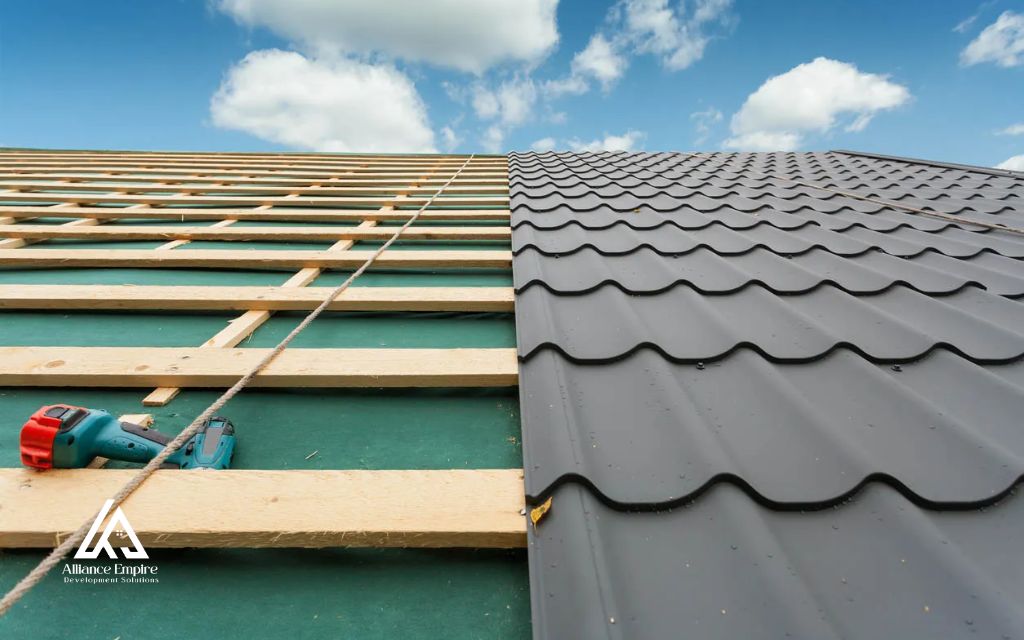
Many homeowners wonder whether metal can go over existing shingles, which avoids tear-off costs. While some projects allow this, it creates risks: hidden moisture damage, trapped debris, and code or insurance complications. A full tear-off lets the crew inspect the decking for rot, soft spots, or hidden storm damage before your new metal roof goes on.
Underlayment is another cost factor that is easy to underestimate. Denver’s snow and freeze-thaw cycles make higher-performing underlayment products well worth considering:
• Ice and water shield is typically required in eave areas and valleys, and Denver code may require it at wider coverage zones.
• Synthetic underlayments offer better moisture protection and durability under metal than traditional felt paper.
If an inspection reveals decking damage, that repair is added to the overall metal roof installation cost before the new system goes on. Catching it at this stage is far better than discovering it through a leak later.
Permits, codes, and labor rates in Denver
Denver requires permits for roof replacements, and the city charges a base fee plus an incremental fee calculated on the project’s declared value. Reputable contractors include permit costs in your estimate rather than billing them as a surprise add-on later.
Crews experienced specifically in metal roofing command higher labor rates than standard shingle crews. That premium reflects real skill differences: metal requires precise measurement, expansion and contraction management, and careful detailing that directly affects performance under hail, wind, and snow. Cutting corners on labor is where most metal roof callbacks and failures originate.
Denver’s snow-load requirements also influence fastening patterns and underlayment specifications, which your permit-compliant contractor will build into the installation plan from day one.
Colorado weather: how hail, snow, and UV impact metal roofing cost
Hail risk and impact-resistant metal systems
The Front Range sits in a region sometimes called “Hail Alley,” and Denver sees hail events that would be rare events in most other major cities. This is the single biggest reason many Denver homeowners choose to upgrade to metal roofing after a significant storm.
Class 4 impact-resistant metal systems offer the highest available rating for hail resistance, and some insurers recognize this with premium discounts or more favorable claim handling. While even metal can show cosmetic denting from extreme hail, structural damage that compromises the roof’s waterproofing is far less common than with asphalt shingles.
For homeowners navigating insurance claims after a storm, the choice between a like-for-like shingle replacement and upgrading to metal often involves paying the difference between what the policy covers and the higher metal roofing cost. A contractor experienced in storm damage restoration can help you align the scope of work with your claim so you are not leaving money on the table or unknowingly underinsuring the project.
Snow load, ice dams, and snow shedding
Metal’s smooth surface is a real advantage in Denver’s above-average snowfall environment. Snow slides off metal panels more readily than it accumulates on textured asphalt shingles, which reduces structural load and limits the conditions that create ice dams at eaves and valleys.
That said, snow shedding creates its own hazard. Snow guards are accessories installed along roof edges and above entry points to control how and where accumulated snow releases. They add cost to your metal roof estimate, but they are an important safety consideration above driveways, walkways, garage doors, and building entrances. For commercial property managers, this is also a liability issue worth taking seriously.
High-altitude UV and long-term roof lifespan
Denver’s elevation means significantly more UV radiation than cities at lower altitudes. That UV energy degrades asphalt shingles faster than manufacturer timelines built around national averages. Properly finished metal roofing handles high-altitude UV considerably better over time, which contributes to metal’s reputation for 40 to 50-plus year service life when installed and maintained correctly.
Over that lifespan, the higher upfront metal roofing cost often makes strong financial sense. If a shingle roof requires full replacement every 15 to 20 years in Colorado’s climate, you could be replacing it two or three times in the same span as a single quality metal installation. Coatings and color choices also play a role: lighter-colored metal roofs reflect more solar energy, which can contribute to lower cooling loads during Denver’s warm summers.
Repair vs. replacement: when does a metal roof make sense?
When simple repairs are enough
Not every storm event requires a full roof replacement. Targeted repairs or partial replacement can be the right call in situations like these:
• An isolated leak traced to a failed flashing detail around a chimney or skylight.
• Minor storm damage confined to a small section of an otherwise healthy roof.
• A young roof that sustained a single impact point with no systemic damage.
Even in these situations, a professional inspection is essential. What looks like minor surface damage can hide compromised decking or moisture infiltration that will cause much larger problems within a year or two. If a storm has created any opening in the roof assembly, emergency tarping and temporary repairs can secure the home while you make a cost-informed replacement decision. Do not let urgency push you into a permanent decision before you have complete information.
Signs you should consider full metal roof replacement
Some situations tip the scale clearly toward full replacement, especially when upgrading to metal roofing:
• Widespread hail damage across multiple roof sections.
• Multiple active leaks or leaks that have returned despite previous repairs.
• A shingle roof approaching or past its rated lifespan (often 20 to 25 years in Denver’s climate).
• Repeated repair costs adding up toward the price of replacement.
• Significantly elevated energy bills suggesting loss of insulation or ventilation performance.
• An insurance adjuster recommending replacement rather than repair.
Upgrading to metal at this stage means your new roof enters the next decade of Colorado storms from a position of strength rather than playing catch-up. Alliance EDS can walk you through repair vs. replacement options, realistic budget ranges, and timing based on Denver’s weather patterns, without pressure to make the larger purchase if repair genuinely makes more sense for your situation.
Metal roof cost, insurance, and financing
Standard homeowner policies typically cover storm-related damage (hail, wind, falling debris) but do not cover wear and tear or general aging. When a covered event triggers a claim, the insurance payout is usually based on the cost to restore the roof to its prior condition with comparable materials. If you choose to upgrade from shingles to metal, the additional cost beyond the insurance settlement is generally your responsibility.
It is important to align the scope of work with your adjuster’s findings before signing a contract. Overspending beyond what is covered, or underspecifying the job so insurance funds go unused, are both avoidable with a contractor who understands storm damage claims. If financing a portion of the upgrade makes the project feasible, ask the Alliance EDS team about available options when you schedule your inspection.
Why professional metal roof installation matters in Denver
Risks of DIY or low-bid metal roof projects
Metal roofing is not a forgiving material when installation goes wrong. Every panel requires precise measurement, correct fastening depth, and proper expansion gap management to accommodate Denver’s significant temperature swings between summer highs and winter lows. Errors show up as leaks, fastener backing, panel oil-canning, or blow-off failure in high-wind events.
Denver-specific risks make this especially important. Wind uplift is a real concern on the Front Range. Hail impact on improperly fastened panels can create problems that are invisible until they fail during a storm. Complex details around chimneys, skylights, and valleys require experience that most general contractors do not carry in their metal roofing crews.
Poor metal roof installation can also void manufacturer warranties and create insurance complications at renewal time. Protecting a significant investment starts with choosing a crew that genuinely specializes in metal systems rather than treating them as an occasional add-on service.
What to expect from a professional roof inspection
A professional inspection is the foundation of an accurate metal roofing estimate. Here is what that process typically covers:
• Exterior inspection of all roof surfaces, including valleys, ridges, flashings, and penetrations.
• Attic or interior assessment for signs of moisture infiltration or decking damage.
• Precise measurement and slope calculation for accurate material takeoff.
• Photographic documentation of any hail strikes, lifting shingles, or damaged flashing.
• A written report summarizing findings and recommendations.
That report gives you something concrete to compare when reviewing metal roof estimates. Alliance EDS offers free roof inspections and virtual roof estimates tailored to Denver residential and commercial properties. You do not need to climb the ladder yourself to get an accurate read on your roof’s condition and what a metal roof replacement would actually cost.
Alliance EDS: local expertise for Denver metal roofing
Alliance Empire Development Solutions (Alliance EDS) is a Denver-based roofing and construction company with more than 15 years of experience in residential and commercial roofing, storm damage repair, and full roof replacement. The team understands Front Range hail patterns, Denver’s building code and permit requirements, and the insurance claim process in ways that out-of-state contractors simply cannot match.
The approach at Alliance EDS is straightforward: honest guidance on repair vs. replacement, transparent cost ranges, and no-pressure estimates. Whether you need emergency roof repair after a storm or are planning a full metal upgrade for long-term protection, the goal is to help you make a confident decision, not to push the most expensive option.
FAQs about metal roofing cost in Denver
How much does a metal roof cost per square foot in Denver?
Most Denver homeowners see installed metal roofing run from about 5 to 14 dollars per square foot. Material type, profile style, and roof complexity all move the number. Alliance EDS provides written estimates based on your actual roof after a free on-site inspection, so you get a precise figure rather than a rough range.
Is a metal roof worth the extra cost over shingles in Colorado?
For many Denver property owners, yes. The combination of longer lifespan, stronger hail and snow performance, reduced leak risk under freeze-thaw conditions, and high-altitude UV durability means metal often delivers a lower total cost of ownership over 30 to 50 years compared to replacing asphalt shingles two or three times in that same window. The Alliance EDS team can help you run through that comparison for your specific home and budget.
Will my insurance pay for a metal roof replacement after hail in Denver?
Insurance typically covers storm-related damage to restore your roof to its prior condition using comparable materials. If you upgrade from shingles to metal, the difference between the insurance payout and the actual metal roof cost is generally your out-of-pocket expense. Alliance EDS works with homeowners navigating hail claims to align scope and cost with adjuster findings.
How long does metal roof installation take for a Denver home?
Most residential metal roof projects in Denver take a few days to about a week, depending on home size, tear-off requirements, and weather. Emergency repairs to stop an active leak or secure the home after storm damage can happen much faster. Contact Alliance EDS to discuss timeline based on your specific situation.
Do I need a permit for metal roof replacement in Denver, and is it included in the cost?
Yes, Denver requires permits and inspections for roof replacements. Reputable contractors pull the permit and include the fee in your project estimate. Alliance EDS handles the permitting process as a standard part of every roof replacement so you are fully code-compliant from the start.
5 reasons to choose Alliance Empire Development Solutions
• 15+ years of experience: Alliance EDS has spent more than 15 years installing and restoring residential and commercial roofs across Denver and the surrounding Front Range, with a track record built on real Colorado jobs.
• Honest guidance: We do not upsell repair as replacement or steer you toward a higher-cost option that does not fit your situation. Our goal is to give you accurate information and let you make the right call for your home and budget.
• Local Denver expertise: We know Denver’s building codes, permit requirements, hail patterns, and weather-driven roofing challenges from years of working in these neighborhoods, not from reading about them.
• Storm damage specialists: From hail inspection and insurance claim coordination to full storm damage restoration and emergency repair, our team handles the full process so you are not navigating it alone.
• Virtual roof estimate capability: Get an initial estimate without leaving your home. Our virtual roof estimate service delivers a professional assessment remotely, so you can plan and budget before committing to an on-site visit.
Conclusion
Metal roofing cost in Denver depends on the material you choose, your home’s size and complexity, and the specific Colorado climate factors that make a quality roof so critical here: hail, heavy snow, freeze-thaw cycles, and intense UV. For many property owners, the higher upfront investment delivers real long-term value in durability, lower maintenance, and stronger performance under the storms that hit the Front Range every year.
Before you decide on repair or replacement, understanding your true metal roofing cost in Denver is the most important step you can take. Prioritize safety, protect your home’s structure, and think about long-term property value and insurance resilience rather than focusing only on the lowest upfront price. The cheapest bid and the best value are rarely the same thing in Colorado’s climate.
Ready to understand your actual metal roofing cost and make a confident decision for your Denver home or commercial property? Call or email Alliance EDS today to schedule a free professional roof inspection and personalized written estimate before the next Colorado storm season arrives.