

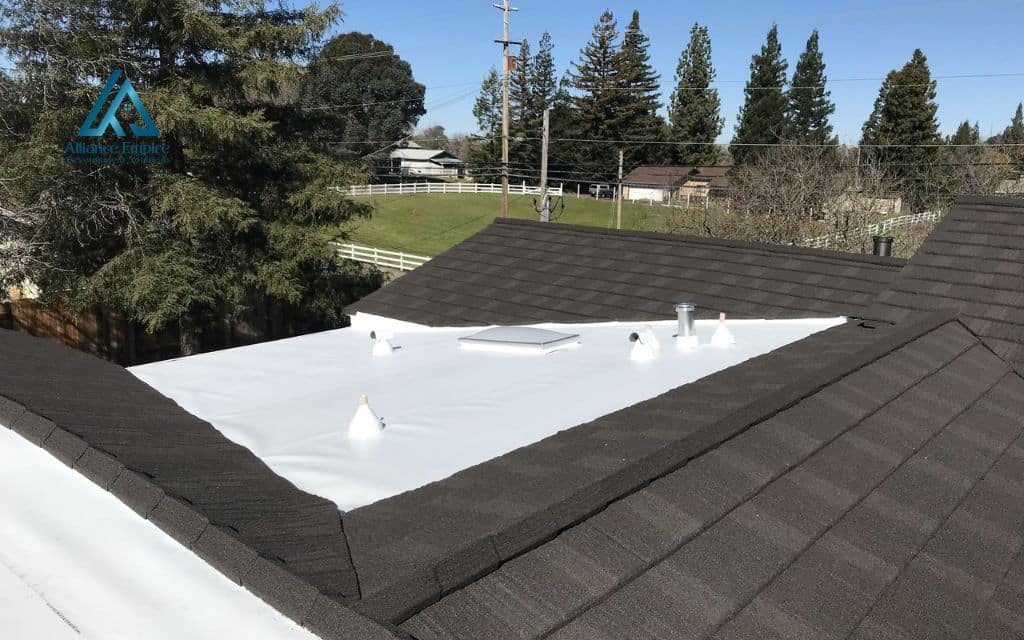
If you manage or own a building with a flat or low-slope roof, TPO roof maintenance is one of the most cost-effective decisions you can make each year.
Common issues that shorten the life of a TPO membrane include seam separation, ponding water, membrane punctures, and flashing failure at roof penetrations. None of these problems appear overnight, and nearly all of them are preventable with consistent inspections and cleaning.
This guide gives you a clear, repeatable checklist to inspect, clean, and document your roof whether you handle routine walkthroughs yourself or coordinate with a professional roofing contractor.
What Is a TPO Roof?
If you’re new to commercial roofing, here’s a quick orientation before we get into the maintenance steps.
What is thermoplastic olefin (TPO) roofing?
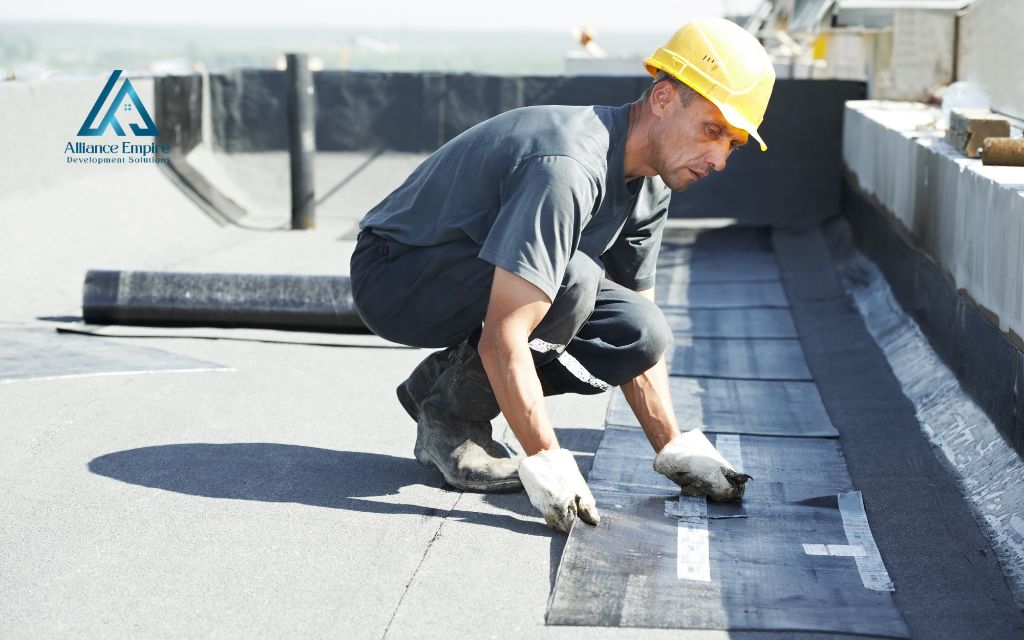
Thermoplastic olefin roofing TPO) is a single-ply roofing membrane designed for flat and low-slope roof systems. The membrane is installed in large sheets that are heat-welded together at the seams, creating a watertight bond.
TPO is one of the most widely used commercial roofing materials in the United States, valued for three core qualities:
- Energy efficiency: The bright white surface reflects solar heat, helping to reduce cooling costs in warmer months.
- Seam strength: Heat-welded seams are typically stronger than the membrane itself when installed correctly.
- Weather resistance: TPO membranes resist UV radiation, ozone, and chemical exposure well over time.
Where TPO roofing is commonly used
You’ll find TPO membranes on a wide range of structures, including:
- Commercial office buildings and warehouses
- Retail centers and shopping strips
- Industrial and manufacturing facilities
- Residential homes with flat or low-slope roof sections
Typical lifespan
A properly installed TPO roof can last 20 to 30 years but only with consistent care. Neglected systems often show significant deterioration well before the 15-year mark. That’s exactly why ongoing TPO roofing maintenance matters so much.
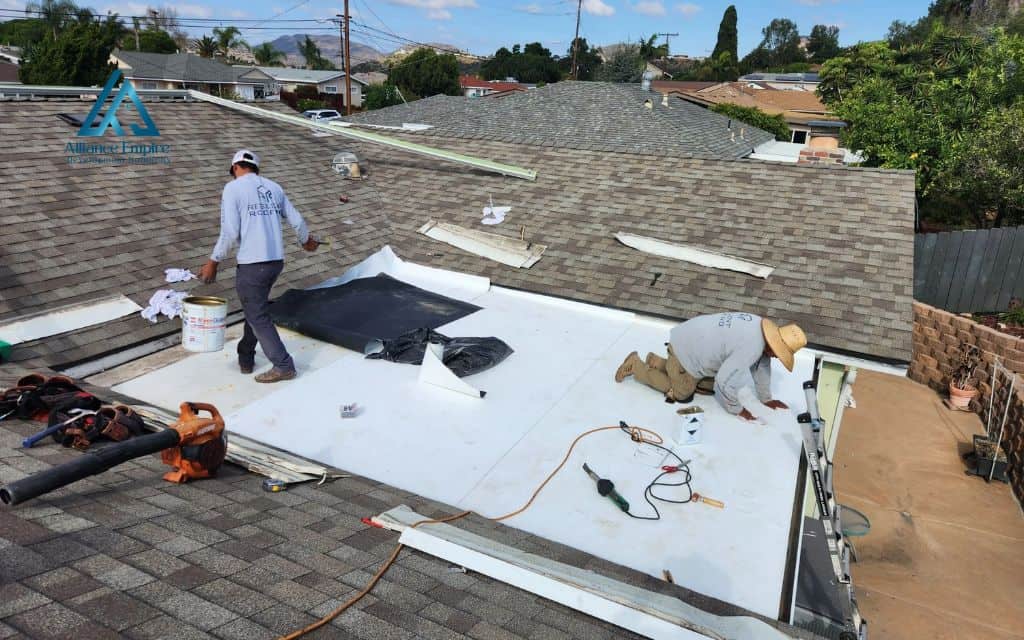
Why regular TPO roof maintenance is important
TPO membranes are durable, but they’re not invincible. Regular attention pays off in four specific ways:
Prevent leaks and water damage
Water intrusion rarely announces itself. By the time you see a ceiling stain inside the building, moisture has often already compromised insulation, decking, and structural components. Routine inspections help you catch early warning signs before water finds its way in.
Extend the life of the membrane
UV exposure, foot traffic, and seasonal temperature swings put constant stress on TPO membranes. Simple preventive measures, like keeping the surface clean and sealing minor damage promptly, slow the aging process and protect the integrity of the material far longer than ignoring it would.
Maintain warranty compliance
Most TPO membrane manufacturers require documented inspections and timely repairs as a condition of warranty coverage. Without a maintenance record, you risk voiding the warranty just when you need it most. Keeping dated inspection logs, photos, and repair notes protects your coverage.
Avoid expensive repairs
A split seam repaired today costs a fraction of what a major leak remediation will cost next year. Small issues escalate quickly once water begins working beneath the membrane – leading to insulation replacement, wood deck repairs, or even interior damage that disrupts building operations.
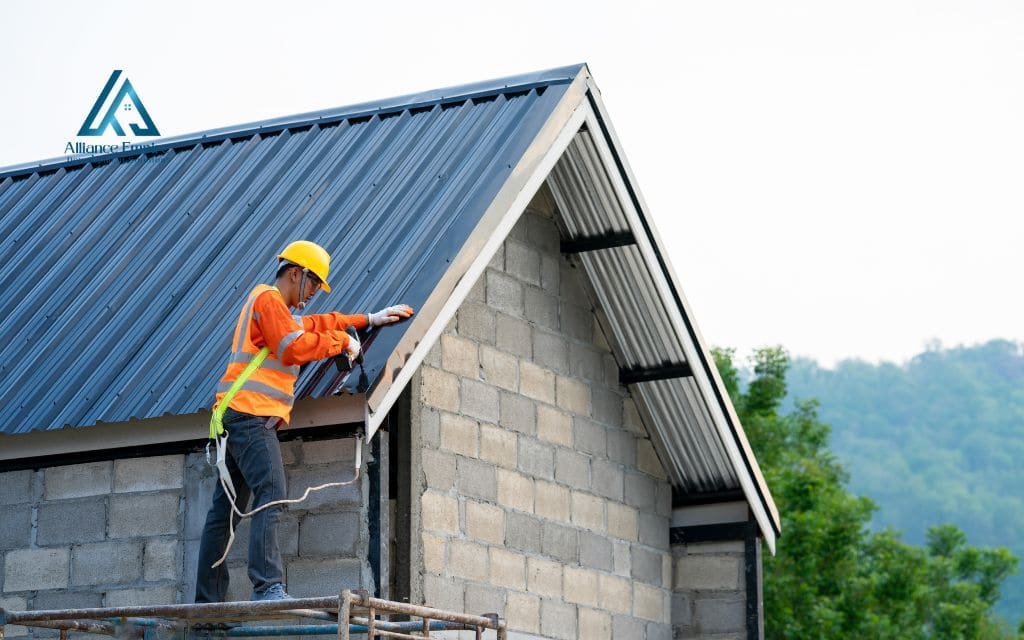
TPO roof maintenance checklist
This checklist follows a logical walk-the-roof sequence: start at the perimeter, work inward through the membrane, check all penetrations and drains, and finish with documentation.
Bring a camera (or use your phone), a roof plan if available, and a notepad or inspection app to log what you find.
Step 1: Inspect the roof perimeter
Start at the outer edge of the roof and work your way around the entire perimeter before moving to the field of the membrane.
Check for:
- Loose or lifted edge metal (fascia or coping caps)
- Membrane pulling away or separating at the roof edge
- Any visible wind uplift damage
- Gaps or missing sealant at metal termination bars
Step 2: Check seams and membrane condition
The seams are the most vulnerable part of any single-ply roofing system. Walk the full surface and pay close attention to every visible seam line.
Look for:
- Open or separating seams, even a small gap is a red flag
- Wrinkles, bubbles, or blistering in the membrane
- Cracks, tears, or surface abrasion mar
- Discoloration or staining that may indicate water is sitting beneath the membrane
Never attempt to heat-weld open seams yourself without proper equipment and training. Seam repairs on TPO membranes require professional-grade hot-air welding tools and certified technique.
Step 3: Inspect Flashing and Roof Penetrations
Wherever something passes through the roof membrane, there is a potential leak point. These areas require careful attention every single inspection.
Focus on:
- HVAC curbs and equipment bases
- Pipe boots and vent penetrations
- Skylights and roof hatches
- Any areas where the membrane terminates at a vertical surface
What to look for: lifted or cracked flashing, missing sealant beads, tears in the membrane immediately adjacent to curbs, and any areas where the boot or counter-flashing has separated.
Step 4: Check roof drains and gutters
Proper drainage is critical to TPO membrane longevity. Standing water exerts ongoing pressure on seams and accelerates membrane degradation.
Ensure:
- All drain openings are clear of debris (leaves, dirt, bird nests, gravel)
- Drain strainers and clamping rings are in place and secure
- Water drains freely after rainfall – no ponding remains beyond 48 hours
- Gutters and downspouts are clear and properly pitched
If water pools in the same area repeatedly, it may indicate a structural sag or inadequate slope – a problem that goes beyond drain cleaning and requires a professional assessment.
Step 5: Document issues
Documentation is not optional – it’s the step that turns a good inspection into a defensible maintenance record.
- Photograph every defect, even minor ones
- Mark problem areas on a roof plan or sketch
- Record the inspection date, inspector name, and weather conditions
- Note any repairs already completed and the contractor used
- Store records in a dedicated maintenance file, digitally or in a physical binder
Manufacturers and insurance carriers may ask for this documentation when processing warranty claims or loss reports. A few minutes of thorough documentation can save significant time and money down the road.
How often should you inspect a TPO roof?
Most roofing professionals – and the majority of TPO membrane manufacturers – recommend a minimum inspection frequency of:
- At least once per year (ideally twice, spring and fall)
- After any major storm event (high winds, hail, heavy snow)
- Before storm season begins in your region
- After any rooftop equipment installation or trade work on the roof
Seasonal inspection guide
Each season brings specific risks that your inspection should address:
| Season | Key Inspection Focus |
| Spring | Check for winter damage, membrane lifting, re-seal flashings |
| Summer | Inspect seams for UV stress, check drain flow during heavy rains |
| Fall | Clear debris from drains and gutters, prep for storm season |
| Winter | Monitor snow load, watch for ice dams at perimeter edges |
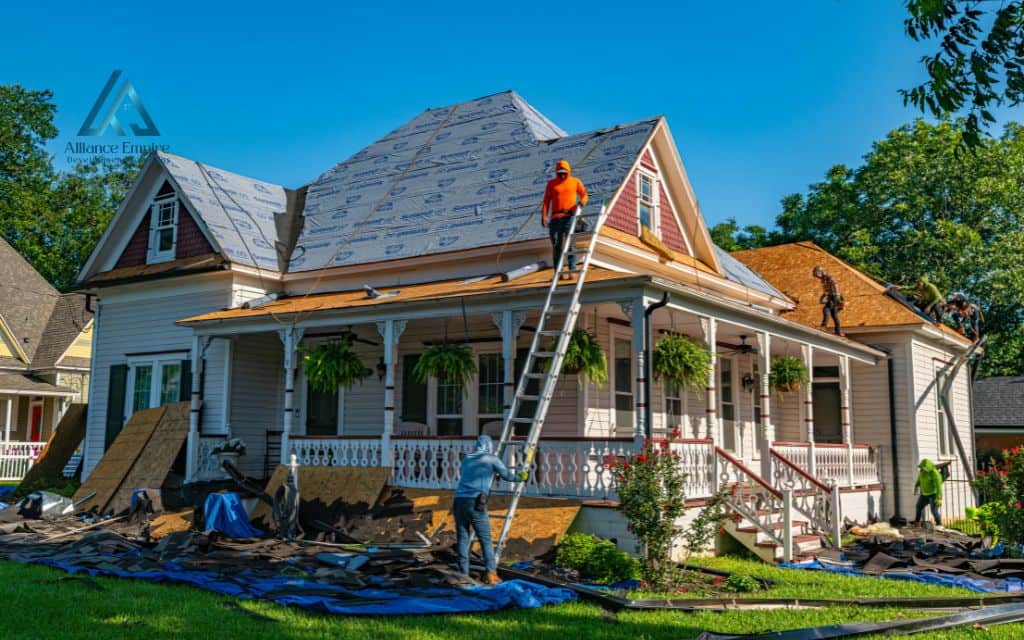
Common TPO Roof Problems (And How to Spot Them)
Seam separation
- Cause: Aging adhesive on older mechanically fastened seams, or poor installation technique on heat-welded seams.
- How to spot it: Run your hand along seam lines – any area where the membrane edges are no longer fused will feel soft or may have a visible gap.
- Solution: Professional heat welding repair using proper hot-air welding equipment. This is not a DIY fix.
Ponding water
- Cause: Clogged roof drains, undersized drainage systems, or structural deflection causing low spots in the roof deck.
- Risk: Prolonged ponding water adds dead load to the structure, stresses membrane seams, and can accelerate UV degradation even on reflective surfaces.
- Solution: Start with drain cleaning. If ponding persists after drains are clear, consult a structural engineer or roofing professional to assess slope correction options.
Membrane punctures
- Cause: Foot traffic from HVAC technicians or other trades, dropped tools during rooftop work, or sharp debris blown onto the surface.
- How to spot it: Small punctures can be difficult to see from a distance. Look for any discoloration or soft spots in the membrane, and inspect high-traffic pathways more carefully.
- Solution: Minor punctures can be patched with compatible TPO membrane material; larger damage may require section replacement by a qualified contractor.
Flashing failure
- Cause: Thermal expansion and contraction over time causes flashing to pull away from vertical surfaces. Poor initial installation accelerates this.
- Common locations: Around rooftop HVAC equipment, pipe penetrations, skylights, and parapet walls.
- Solution: Re-flash affected areas using proper TPO-compatible flashing membrane and sealant. Address this promptly – flashing failure is a leading cause of commercial roof leaks.
Tips to extend the life of your TPO roof
Beyond the standard inspection checklist, these practical habits make a measurable difference in how long your TPO membrane performs at its best:
- Limit unnecessary roof traffic. Post clear rules for any trades accessing the roof, and require walk pads in high-traffic areas near HVAC equipment.
- Keep drains and gutters clear year-round, not just during scheduled inspections. After fall leaf drop, after hailstorms, and after any major weather event, a quick drain check takes only minutes.
- Schedule regular inspections proactively, not reactively. Waiting until a leak appears inside the building typically means the damage has already escalated significantly.
- Fix small issues immediately. A $200 seam repair today prevents a $5,000+ remediation next season.
- Maintain detailed maintenance records. A well-documented roof history supports warranty claims, informs future repair decisions, and adds value when the property changes hands.
- Consider a TPO roof cleaning service annually. Removing dirt, algae, and debris from the surface protects the membrane’s reflective properties and allows for a clearer visual inspection.
When to Call a Professional Roofer
Not everything on a TPO roof is owner-maintainable. Knowing where the DIY line ends is just as important as knowing what to inspect yourself.
Always call a qualified roofing contractor for:
- Seam repairs requiring heat welding equipment
- Membrane patching and section replacement
- Flashing repairs at curbs, penetrations, and parapet walls
- Structural drainage corrections (re-sloping, adding drains)
- Any repair that could affect the manufacturer warranty
- Annual inspections tied to warranty documentation requirements
A certified roofing contractor has the equipment, materials, and product knowledge to ensure that repairs are performed in compliance with manufacturer specifications. Improper repairs can actually void your warranty if they aren’t done to spec.
Conclusion
TPO roofs are among the most durable and cost-effective systems available for flat and low-slope applications – but durability is not the same as invulnerability. Consistent TPO roof maintenance is what separates a membrane that lasts 25 years from one that fails at 12.
By following a simple, repeatable inspection checklist, you stay ahead of the problems that cause the most damage. Clean the surface, document everything, fix small issues promptly, and know when to call in a professional.
Your TPO roof is a major long-term investment. With the right maintenance routine in place, it will protect your building, your tenants, and your bottom line for decades to come.
For professional TPO roof inspections, repairs, or annual maintenance programs in the Denver area, contact the Alliance EDS team to discuss your building’s specific needs.
Frequently asked questions (FAQs)
How often should a TPO roof be cleaned?
Most roofing professionals recommend TPO roof cleaning at least once per year, and twice per year in environments with heavy tree cover, industrial fallout, or significant algae growth. Clean surfaces also make it much easier to spot membrane defects during inspections.
Can you pressure wash a TPO roof?
No. High-pressure washing can damage the TPO membrane surface and may compromise seam integrity. Always use a low-pressure rinse combined with a soft-bristle brush and a mild, manufacturer-approved cleaning solution.
How long does a TPO roof last?
A properly installed TPO roof with a consistent maintenance program typically lasts 20 to 30 years. Without regular inspection and upkeep, expect significantly shorter service life and increased repair costs.
What is the most common cause of TPO roof leaks?
The three most frequent culprits are open or separated seams, damaged flashing at penetrations and equipment curbs, and clogged roof drains that allow ponding water to stress the membrane over time.
Does TPO roof maintenance affect my warranty?
Yes, most TPO membrane manufacturers require documented inspections and qualified repairs as a condition of warranty coverage. Keeping detailed maintenance records, including photos and contractor invoices, is essential to protecting your warranty claim rights.