
Most homeowners think about shingles, color, or cost when replacing a roof, but pitch is one of the most critical design decisions of all.
A roof’s slope determines how well it sheds rain and snow, how long it lasts, which materials can be installed, and how much the project will cost. Get it right, and your roof becomes a long-term asset. Ignore it, and you may face leaks, structural stress, or expensive repairs down the road.
If you’ve been searching for information about a high pitched roof, this guide covers everything you need to know. You’ll walk away with a clear understanding of pitch measurements, the real benefits and drawbacks, material options, cost expectations, and how to decide if this roof style is the right fit for your home.
What is a high pitched roof?
A pitched roof is any roof that has a measurable slope rather than lying flat. The pitched roof meaning is simply the angle or steepness at which a roof rises from its base – the more it rises over a given horizontal distance, the steeper the pitch.
A high pitched roof refers to a roof with a steep incline, typically a pitch of 6:12 or greater. In roofing, pitch is expressed as a ratio: the number of inches the roof rises vertically for every 12 horizontal inches of run.
For example, an 8:12 pitch rises 8 inches for every 12 inches of horizontal distance.
To define pitched roof simply: any roof with a slope is a pitched roof. When that slope reaches or exceeds 6:12, roofing professionals classify it as a high-pitched roof.
The steeper the pitch, the more dramatic the roofline, and the more significant the functional and financial implications.
What counts as a steep or high roof pitch?
There’s often confusion about where the line falls between a “standard” and a “steep” or high pitched roof. Here’s the classification most roofing professionals use:
| Roof Type | Pitch Range |
| Low slope | 1:12 – 3:12 |
| Moderate pitch | 4:12 – 6:12 |
| High-pitched | 6:12 – 12:12+ |
Why does this classification matter? Because roof pitch directly affects 4 critical factors:
- Drainage performance: Steeper roofs shed water faster, reducing the risk of pooling and leaks
- Material selection: Not all roofing products are rated for steep slopes; high-pitched roofs support more material options
- Labor cost: The steeper the pitch, the more complex and time-intensive the installation
- Safety requirements: Contractors need specialized equipment and harness systems for steep-slope work
Understanding your roof’s pitch classification helps you have more informed conversations with contractors and set realistic expectations for cost and timeline.
Benefits of a high-pitched roof
High-pitched roofs have remained a dominant design choice in U.S. residential construction for good reasons. Here are the key advantages:
Better water drainage
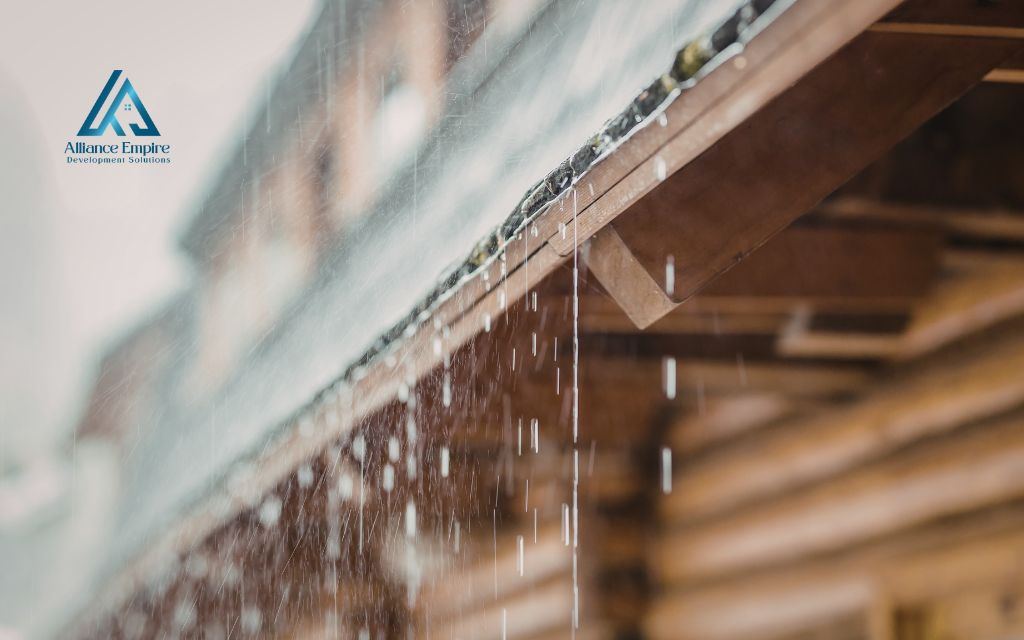
The steep angle allows rainwater to run off quickly and efficiently rather than pooling on the surface. This rapid drainage significantly reduces the risk of leaks, water damage, and structural rot over time, particularly in regions with frequent or heavy rainfall.
Snow shedding
For homeowners in snowy regions, a high pitched roof is one of the most practical investments available. Snow naturally slides off the steep incline, preventing heavy accumulation that would otherwise stress the roof structure, and lead to collapse in extreme cases.
Longer lifespan
Because water and snow move off the surface quickly, high-pitched roofs experience less moisture-related damage over time. Less standing water means slower material degradation, which generally translates to a longer service life compared to low-slope alternatives.
Improved attic space
The dramatic slope of a high pitched roof creates substantial interior volume beneath the roofline. Homeowners can convert this extra space into a functional living area, such as a bedroom, office, or loft, or use it for much-needed storage.
Strong curb appeal
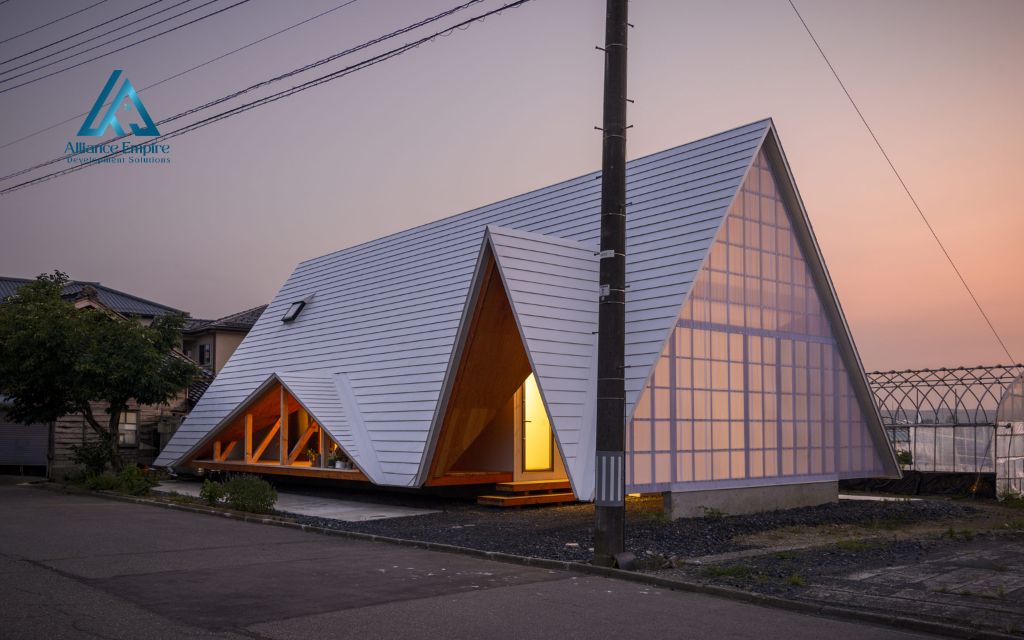
High-pitched roofs are a defining visual feature of many classic American architectural styles, including Colonial, Victorian, Cape Cod, Tudor, and A-frame designs. A steep, well-maintained roofline adds character and perceived market value to a home, making it stand out in any neighborhood.
Drawbacks of high-pitched roofs
A high pitched roof isn’t the right solution for every homeowner or every project. Here are the most important trade-offs to consider before committing:
Higher installation cost
Steep roofs require more roofing material to cover the same footprint than low-slope designs. Combined with the additional labor complexity and installation time involved in steep-slope work, this drives total project costs significantly higher than moderate-pitch alternatives.
Safety concerns
Working on a high pitched roof carries real risk. Experienced professionals use specialized safety harnesses, scaffolding, and equipment designed specifically for steep-slope work. This is not a DIY-friendly scenario and hiring inexperienced contractors increases the risk of both worker injury and poor-quality results.
Maintenance challenges
Inspecting, cleaning, and repairing a high pitched roof is more physically demanding and technically complex than working on a low-slope surface. Contractors charge more for steep-slope service calls, and some routine tasks – such as replacing individual shingles or clearing debris – may require additional safety setup that adds to the overall maintenance cost.
Best materials for high-pitched roofs
One practical advantage of a high pitched roof is material flexibility. Steep slopes support a wider range of roofing products than low-slope systems, giving homeowners more choices across aesthetics, durability, and budget.
Asphalt shingles
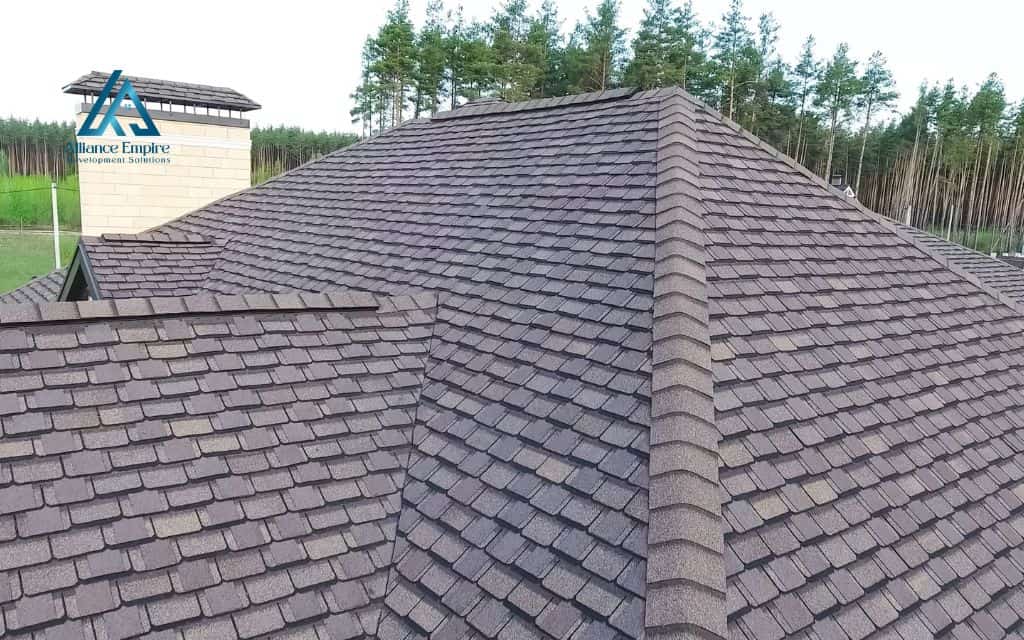
The most widely installed roofing material in the U.S., asphalt shingles are affordable, versatile, and straightforward to install on steep slopes. They come in a wide range of colors and styles and represent a reliable default option for most residential high-pitched roof projects.
Metal roofing
Metal roofing, including standing seam panels and metal shingles, performs exceptionally well on high-pitched roofs, particularly in snowy or high-wind regions. With a lifespan of 40 to 70 years and excellent snow-shedding capability, metal is a premium option that delivers strong long-term value.
Slate or tile
Natural slate and clay or concrete tile are among the most durable roofing materials available, with lifespans that can exceed 50 to 100 years. They’re well-suited to steep roofs, where their weight and interlocking design perform at their best. The trade-off is a significant upfront investment in both materials and installation.
Wood shakes
Wood shakes and shingles deliver a natural, rustic aesthetic that complements certain architectural styles. They perform well on steep slopes, but they require more ongoing maintenance than other material options to prevent moss growth, rot, and moisture-related damage.
How much does a high-pitched roof cost?
Cost is one of the most common questions homeowners ask when evaluating a high pitched roof, and for good reason. Steep-slope roofing projects carry a higher price tag than standard-pitch installations.
Average cost range (U.S.)
Most homeowners can expect to pay between $8,000 and $25,000 or more for a high-pitched roof installation, depending on the size of the home and the materials selected.
Cost per square foot
Installed costs typically fall in the range of $6 to $15 per square foot, with premium materials such as slate, tile, or high-end metal pushing costs toward the upper end of that range.
What affects the cost of a high-pitched roof?
No two roofing projects are identical. Here are the six main variables that determine your final project cost:
- Roof pitch: The steeper the slope, the higher the labor cost. Pitches above 9:12 are typically classified as “steep-slope” by most contractors and priced accordingly.
- Roof size: Larger roof areas require more material and more installation time, directly increasing the total project cost.
- Material choice: Asphalt shingles are the most budget-friendly option; slate and premium metal are higher-cost alternatives with longer lifespans.
- Labor difficulty: Complex rooflines with multiple valleys, hips, dormers, or skylights add time and cost to any project.
- Accessibility: Difficult site access – limited yard space, proximity to neighboring structures, or steep lot grades – can add setup costs.
- Location: Labor rates vary significantly by region. Projects in higher cost-of-living markets typically run above national averages.
Maintenance tips for high-pitched roofs
A well-maintained high pitched roof can deliver decades of reliable performance. These habits will help protect your investment over the long term:
Schedule regular inspections
Have your roof professionally inspected at least once per year, and again after any major storm event. Early detection of minor issues – cracked flashing, lifted shingles, or failing sealants – prevents small problems from escalating into costly repairs.
Keep gutters clear
Clogged gutters cause water to back up against the roofline, which can lead to fascia rot, ice dam formation in cold climates, and water intrusion beneath the shingles. Clear gutters at least twice annually and after heavy leaf fall.
Check for damaged shingles
After severe weather events (high winds, hail, or heavy rain) inspect your roof from the ground or hire a contractor to assess it. Missing, cracked, or curling shingles are early warning signs that require prompt attention.
Hire professionals for repairs
Attempting repairs on a high pitched roof without proper safety equipment is genuinely dangerous. Always hire qualified roofing contractors for any work beyond basic gutter cleaning. The cost of professional repairs is far less than the consequences of a fall or a failed DIY repair that leads to a larger structural problem.
When to call a roofing contractor
Knowing when to call a professional can prevent minor roofing issues from becoming major structural problems.
Signs you need professional help:
- Active leaks or visible water stains on interior ceilings or walls
- Missing, cracked, or curling shingles, especially following a storm
- Sagging or uneven sections of the roofline, which may indicate underlying structural damage
- An aging roof approaching or past 15 to 25 years of service life, depending on the material
What to ask a contractor:
- Do you have specific experience with steep-slope or high-pitched roof installations?
- What safety practices and equipment does your crew use when working on steep roofs?
- Which materials do you recommend for my specific pitch, climate, and budget?
- Can you provide a detailed written estimate with a full breakdown of materials and labor?
Work With a Steep-Slope Roofing Expert in Denver
If a high-pitched roof is the right choice for your home, installation quality matters just as much as material selection.. Alliance EDS is a Denver-based roofing company with over 15 years of experience in steep-slope installations, roof replacements, storm damage repairs, and full roof inspections – all backed by licensed, insured professionals who know Colorado’s weather demands firsthand.
Ready to get started?
Contact Alliance EDS today for a free roof inspection and no-obligation estimate. Call (720) 484-8181 today!
Conclusion
A high pitched roof offers a compelling combination of performance, longevity, and visual appeal. It sheds rain and snow efficiently, supports a wide range of quality materials, and delivers a classic architectural look that holds its value over time.
While the upfront cost is higher than low-slope alternatives, homeowners who invest in a well-built steep roof often find long-term value in durability, reduced repair frequency, and curb appeal.
If you’re considering a roof replacement, repair, or new installation, the best next step is to consult with an experienced roofing contractor who can assess your home’s specific pitch, condition, and climate requirements. A professional inspection or detailed estimate puts you in the best position to make a confident, informed decision for your home.
Frequently asked questions (FAQs)
What is a pitched roof?
A pitched roof is any roof with a measurable slope, designed to direct water efficiently away from the surface. The term applies to any non-flat roofline, from gentle residential slopes to dramatic steep-pitch designs.
What is considered a high-pitched roof?
A high pitched roof is generally defined as any roof with a pitch of 6:12 or greater – rising at least 6 inches for every 12 horizontal inches of run. Pitches above 9:12 are often categorized as steep-slope roofs and priced accordingly by most contractors.
Are steep roofs better?
Steep roofs offer better drainage, improved snow shedding, and longer material durability, but they come with higher installation costs and more complex maintenance. Whether a steep roof is the right choice depends on your climate, budget, and long-term plans for the home.
Do high-pitched roofs last longer?
Yes, in most cases. The steep pitch reduces standing water and moisture accumulation on the surface, which slows material degradation and helps the roof achieve a longer service life than low-slope alternatives.
Why do houses have high-pitched roofs?
High-pitched roofs are common in regions with heavy snow or rainfall, where the steep angle is essential for shedding precipitation quickly and preventing structural overload. They’re also a defining feature of many traditional American architectural styles, valued for their visual character and functional performance in harsh weather conditions.
Are higher-pitched roofs more expensive?
Yes, generally. Steeper roofs require more material, more specialized safety equipment, and significantly more labor time to install – all of which contribute to a higher total project cost compared to moderate or low-slope roofs.