
If you’re searching for the cost of tin roof, here’s the short answer:
| Quick Cost Summary | Range |
| Average total installed cost | $8,000 – $30,000+ |
| Cost per square foot (installed) | $6 – $14 per sq ft |
| Cost per roofing square | $600 – $1,400 per square |
| Most homeowners pay | $10,000 – $25,000 |
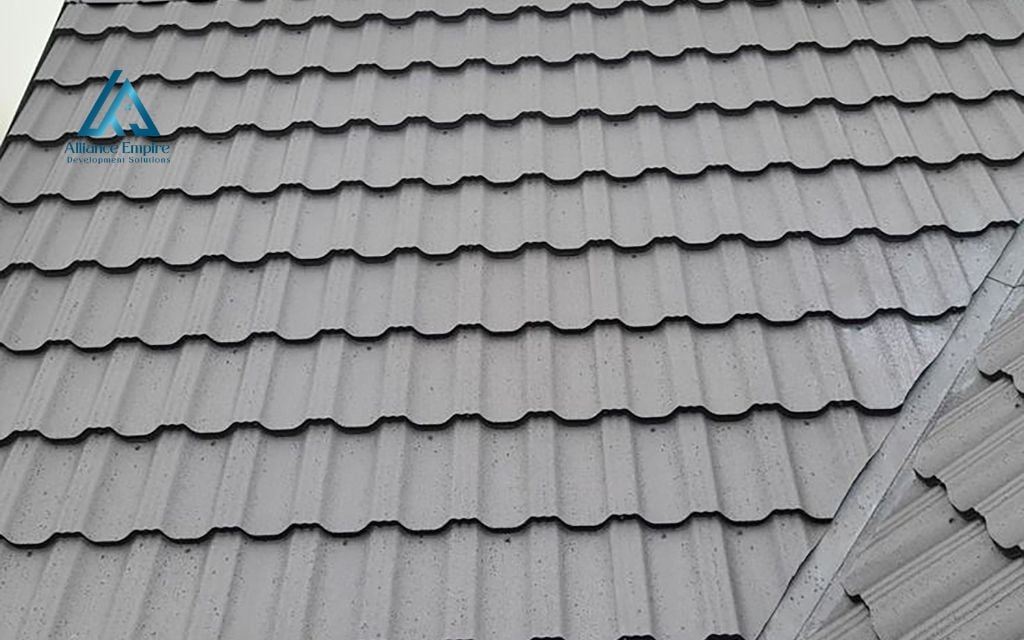
When most people say “tin roof,” they’re actually referring to modern metal roofing, most commonly steel or aluminum panels. True tin roofing is rarely used today. Throughout this guide, “tin roof” and “metal roof” are used interchangeably, as that reflects how most U.S. homeowners search and shop for this product.
In this guide, you’ll find:
- Real price ranges based on home size and material type
- Tin roof cost per sq ft and cost per square (roofing unit)
- The key factors that drive your final price up or down
- Practical tips to save money without sacrificing quality
How much does a tin roof cost?
The total cost of a tin roof depends primarily on the size of your home. Below are typical installed cost ranges for U.S. homeowners in 2026, including materials and labor.
| Home Size | Typical Installed Cost |
| Small (1,000 – 1,500 sq ft) | $8,000 – $15,000 |
| Medium (1,500 – 2,500 sq ft) | $12,000 – $22,000 |
| Large (2,500+ sq ft) | $18,000 – $30,000+ |
Most homeowners across the U.S. pay between $10,000 and $25,000 for a full tin/metal roof installation. Premium systems, such as high-end standing seam with custom finishes, can exceed $35,000 on larger homes.
These figures assume a standard residential roof with moderate pitch and no major structural complications.
Tin roof cost per square foot
The most practical way to estimate a new tin roof cost is on a per-square-foot basis. This helps you compare contractor bids and budget before getting an official quote.
Installed tin roofing costs $6 – $14 per square foot, covering both materials and labor.
Cost by material type:
| Metal Roof Type | Cost Per Sq Ft (Installed) |
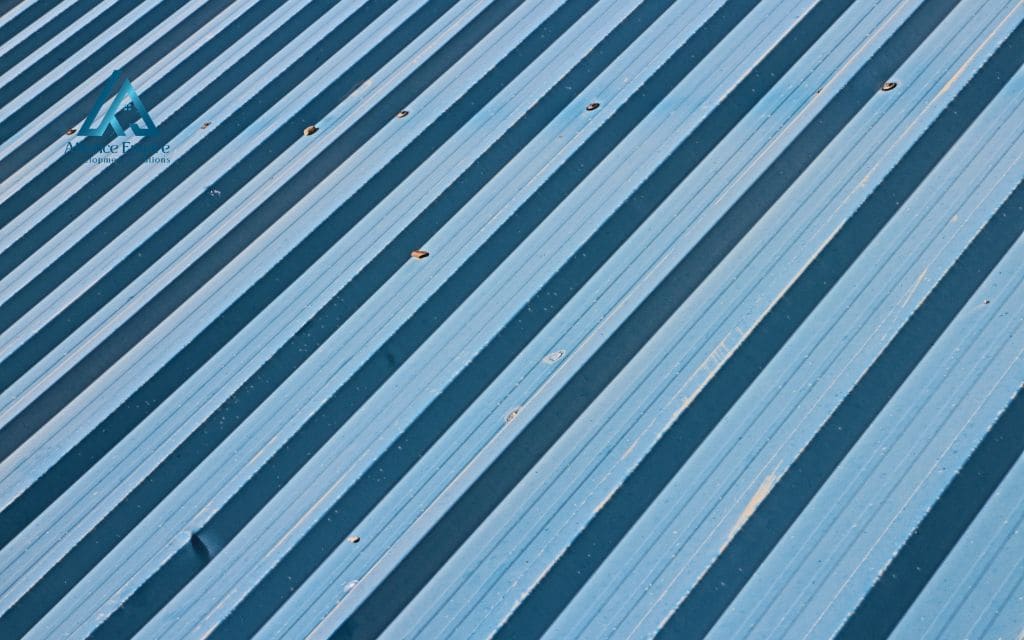
| Corrugated metal panels (budget) | $5 – $8 |
| Ribbed metal panels | $6 – $10 |
| Standing seam metal | $10 – $16 |
What’s typically included in the installed price:
- Roofing materials (metal panels or sheets)
- Labor costs for removal and installation
- Fasteners and screws
- Underlayment (moisture barrier)
- Basic flashing around edges, vents, and penetrations
Tin roof cost per square (roofing unit)
Roofing contractors frequently quote prices in roofing squares rather than square feet. One roofing square = 100 square feet of roof area.
Tin roofing typically costs $600 – $1,400 per square installed, depending on panel type, roof complexity, and regional labor rates.
| Metal Roof Type | Cost Per Square (Installed) |
| Corrugated metal | $500 – $800 |
| Ribbed metal panels | $600 – $1,000 |
| Standing seam | $1,000 – $1,600 |
What affects the cost of tin roof?
Tin roofing cost per square foot is just the starting point. Several factors will move your final number up or down significantly. Here’s what matters most:
Roof size
This is the biggest cost driver. Larger roofs require more materials and more labor hours. However, cost per square foot often decreases slightly on larger projects because setup costs (mobilization, equipment) are spread across more areas.
Roof pitch and complexity
Steep roofs (high pitch) require specialized safety equipment and take longer to install, raising labor costs by 20–30%. Complex rooflines with multiple valleys, dormers, chimneys, or skylights add cutting, flashing, and sealing work. Simple, low-pitch roofs are the most affordable to install.
Material type
Corrugated metal panels are the budget-friendly choice, widely available and fast to install. Ribbed panels offer a balance of cost and aesthetics, popular on barns and commercial buildings. Standing seam systems are the premium option – concealed fasteners, cleaner look, higher durability, and higher price.
Labor costs and location
Labor rates vary significantly by region. Urban markets like Denver, Chicago, or San Francisco tend to run 15 – 30% higher than rural areas. Demand seasonality also affects pricing – expect higher quotes in spring and summer when roofing crews are busiest.
Tear-off vs. overlay
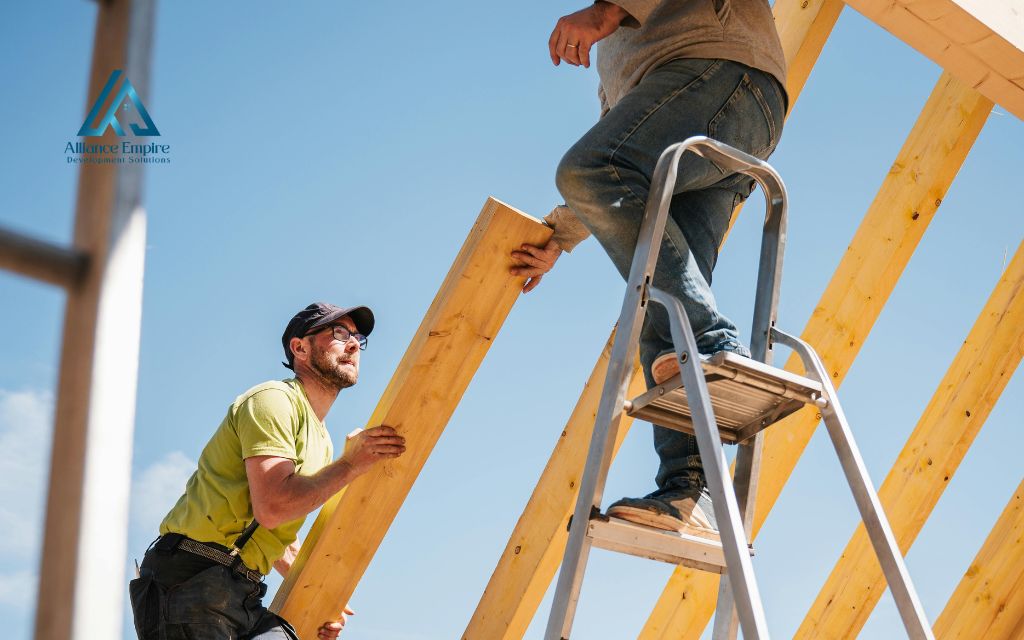
If your existing roof must be removed before installation, expect to add $1,000 – $5,000 to your project cost.
Some contractors offer overlays (installing metal over existing shingles), which saves tear-off costs but adds weight and may void warranties.
Check your local building code. Some jurisdictions limit the number of roof layers allowed.
Accessories and upgrades
- Insulation: Rigid foam or spray foam insulation beneath the metal panels reduces noise, improves energy efficiency, and adds $1 – $3 per sq ft.
- Snow guards: Important in cold-weather regions like Colorado and the Midwest adds $500 – $2,000+ depending on roof size.
- Custom flashing: Complex penetrations require custom fabricated flashing, which adds both material and labor costs.
- Permits: Building permits typically run $150 – $500 depending on your municipality.
Tin roof vs. other roofing types
Understanding how tin roofing cost compares to other common materials helps put the investment in perspective. Here’s a side-by-side breakdown:
| Roofing Type | Cost Per Sq Ft (Installed) | Expected Lifespan |
| Asphalt shingles | $3 – $6 | 15 – 25 years |
| Tin / metal roofing | $6 – $14 | 40 – 70 years |
| Tile roofing | $10 – $20 | 50+ years |
| Slate roofing | $15 – $30 | 75 – 100 years |
What the numbers really mean:
- Asphalt shingles cost less upfront, but you’ll likely replace them 2 – 3 times in the same period a metal roof lasts.
- A $6,000 shingle roof replaced three times over 60 years costs $18,000+ – comparable to a metal roof that needs no replacement in that span.
- Tile and slate are longer-lived but significantly heavier, requiring structural support evaluation before installation.
- For most U.S. homeowners, tin/metal roofing represents the strongest balance of price, lifespan, and low maintenance over the long term.
Is a tin roof worth the cost?
Whether a tin roof is worth the higher upfront cost depends on your timeline, budget, and home goals. Here’s an honest breakdown:
Pros of a tin roof
- Long lifespan: 40 – 70 years with proper installation and minimal maintenance.
- Energy efficiency: Metal reflects solar heat, reducing cooling costs by up to 25% in hot climates.
- Low maintenance: No granule loss, no curling, no cracking – unlike asphalt shingles.
- Weather resistance: Performs well in high winds (up to 140 mph for standing seam), heavy snow, hail, and fire.
- Resale value: Metal roofs consistently appeal to buyers and appraisers as a premium upgrade.
Cons of a tin roof
- Higher upfront cost: Significantly more expensive than asphalt shingles at the time of installation.
- Rain noise: Without proper insulation or underlayment, metal roofs can be noisier during rain and hail.
- Specialized installation required: Metal roofing requires trained contractors; improper installation leads to leaks and panel movement.
- Expansion and contraction: Metal expands and contracts with temperature changes – poor installation or wrong fasteners can cause issues over time.
[Is a tin roof worth the cost?]
How to estimate your tin roof cost
You don’t need a contractor to get a ballpark number. Follow these three steps to estimate your tin roofing cost before requesting quotes:
Step 1: Measure your roof size
Your roof area is always larger than your home’s footprint due to pitch and overhangs. A general rule: multiply your home’s square footage by 1.15 to 1.25 to estimate actual roof area.
Example: 2,000 sq ft home → approximately 2,300 – 2,500 sq ft of roof area.
Step 2: Multiply by your price range
Use the installed cost per sq ft range that fits your material type:
| Scenario | Calculation | Estimated Cost |
| Budget (corrugated) | 2,300 sq ft × $6 | ~$13,800 |
| Mid-range (ribbed panels) | 2,300 sq ft × $9 | ~$20,700 |
| Premium (standing seam) | 2,300 sq ft × $13 | ~$29,900 |
Step 3: Add estimated extras
- Tear-off of existing roof: Add $1,000 – $5,000
- Insulation upgrade: Add $1 – $3 per sq ft
- Snow guards (applicable in cold climates): Add $500 – $2,000
- Permits: Add $150 – $500
Always get at least 3 quotes from licensed local contractors. Your actual price may vary based on local labor rates, your roof’s complexity, and current material costs.
Tips to save money on a tin roof
A tin roof is a significant investment, but there are several legitimate ways to reduce your total cost without compromising quality:
- Choose corrugated metal panels: The most budget-friendly option in the metal roofing category. Ideal for barns, garages, sheds, or straightforward residential rooflines.
- Install during the off-season: Roofing contractors are less busy in fall and winter in most U.S. regions. You may negotiate better pricing or faster scheduling.
- Compare multiple contractor quotes: Get at least three bids from licensed, insured roofers. Never accept the first quote, differences of $2,000 – $5,000 are common for the same scope of work.
- Consider a partial replacement or overlay: If your existing roof is structurally sound and local codes allow it, installing metal panels over existing shingles can save $1,000 – $3,000 in tear-off costs.
- Check for energy efficiency rebates: Some metal roofing products qualify for federal energy tax credits or state/utility rebates. Visit ENERGY STAR’s website or ask your contractor about eligible products.
- Avoid unnecessary upgrades: Prioritize quality materials and installation over cosmetic add-ons. A well-installed standard panel will outperform a premium panel installed poorly every time.
Conclusion
A tin or metal roof typically costs $6 – $14 per square foot installed, with most U.S. homeowners spending between $10,000 and $30,000+ on a complete project. The exact price you’ll pay depends on your home’s size, your chosen material type, local labor rates, and any additional upgrades or tear-off work required.
While the upfront cost is higher than asphalt shingles, a properly installed metal roof lasts 2 to three times longer. Over the long run, it delivers lower lifetime cost, better energy efficiency, and stronger resale value.
Ready to move forward? Contact Alliance EDS for a free local quote and find out exactly what your tin roof replacement will cost – no surprises, no pressure.
Frequently asked questions (FAQs)
How much is a tin roof for a 2,000 sq ft house?
For a 2,000 sq ft home, expect to pay roughly $12,000 – $25,000 for a fully installed metal/tin roof. The actual figure depends on your chosen material type (corrugated vs. standing seam), roof pitch, and local labor rates. Budget-grade corrugated systems on simpler rooflines will sit toward the lower end; standing seam on a complex roof will push past $25,000.
What is the cheapest metal roof option?
Corrugated metal panels are the most affordable type of metal roofing available. They typically run $5 – $8 per square foot installed and are widely available across the U.S. They’re a practical choice for garages, outbuildings, and straightforward residential rooflines where aesthetics are not the primary concern.
Are tin roofs cheaper than shingles?
Not upfront. Tin/metal roofing costs $6 – $14 per sq ft compared to $3 – $6 per sq ft for asphalt shingles. However, metal roofs last 40 – 70 years versus 15 – 25 years for shingles, meaning you’ll likely replace a shingle roof two to three times before a metal roof needs attention.
How long does a tin roof last?
A properly installed tin or metal roof lasts approximately 40 – 70 years, depending on the material, climate, and maintenance level. Standing seam systems with Kynar-coated finishes commonly achieve 50+ years. Corrugated metal, particularly in coastal or high-humidity environments, may require recoating or maintenance earlier.
Is it cheaper to do a tin roof or shingle roof?
A shingle roof is cheaper to install upfront, but a tin/metal roof is cheaper over the long term. If you plan to stay in your home for 10+ years, or if you want to avoid repeat replacement costs, metal roofing almost always delivers better value. For short-term ownership or tight immediate budgets, asphalt shingles remain the lower-cost entry point.
What is the cheapest time of year to get a new roof?
The most affordable time to install a new roof is typically late fall or early winter – November through February in most U.S. regions. Roofing contractors experience lower demand during colder months, which can translate to faster scheduling, more negotiating flexibility on price, and potentially lower overall project costs. Avoid spring and summer when contractors are fully booked and material demand peaks.