
Severe weather is getting more expensive. Hailstorms, hurricanes, and high-wind events have pushed roofing insurance claims to record levels – and insurers are responding by raising premiums, tightening underwriting, and in some markets, requiring upgrades before they will renew a policy.
At the same time, federal and state incentive programs are making resilient construction more accessible than ever. That combination has millions of US homeowners searching for one thing: how much does a fortified roof cost, and is it actually worth it?
This guide answers that question directly and honestly. You will find a clear price range, a breakdown of what drives the cost of a FORTIFIED roof, a look at what the certification process adds to the bill, and a realistic accounting of the insurance discounts, grants, and long-term savings that can offset your upfront investment.
TL,DR:
A typical FORTIFIED roof costs $10,000 – $25,000+ for a full replacement, depending on home size and materials. Installed cost runs $7 – $15 per square foot.
The upgrade premium over a standard roof is often just $1,000 – $3,000 and insurance discounts in some states can recover that difference in 2 to 3 years.
What is a FORTIFIED roof?
A FORTIFIED Roof™ is a roofing system constructed to the standards developed by the Insurance Institute for Business & Home Safety (IBHS). IBHS is an independent, science-based research organization funded by the insurance industry.
Its FORTIFIED program defines specific construction practices that are proven to reduce damage from hail, hurricanes, tornadoes, and severe wind events.
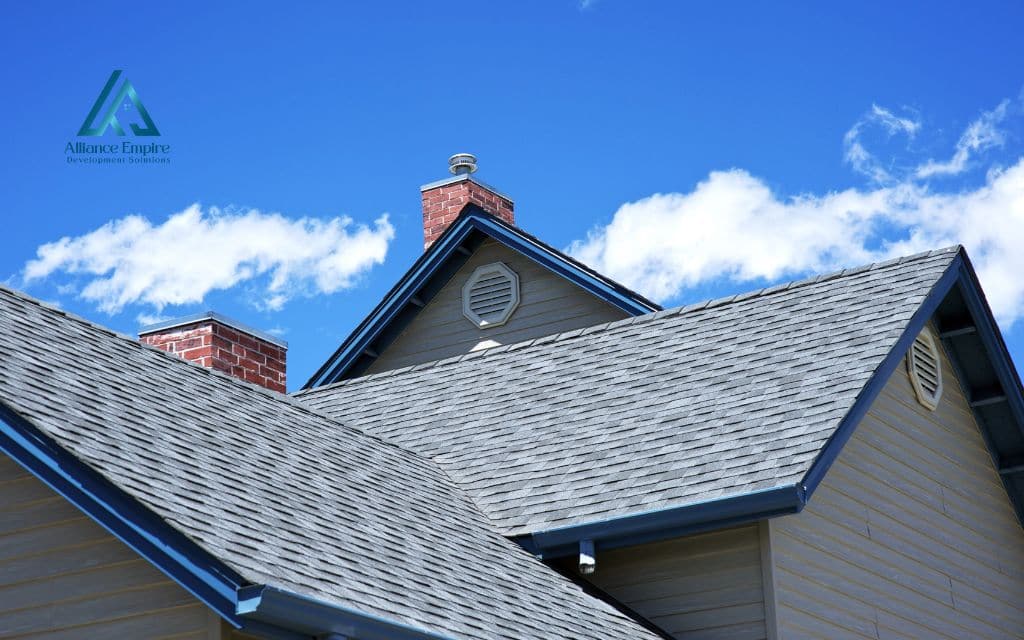
A FORTIFIED roof is not simply better shingles. It is an engineered system. The upgrade targets the failure points that cause the most damage when storms hit: the seal between the deck and the sheathing, the connection between roof decking and the framing, the edge of the roof where wind uplift is strongest, attic ventilation points, and the surface material itself.
Key construction upgrades
- Sealed roof deck: A continuous layer of self-adhering, water-resistant barrier or foam sealant is applied to the roof deck. If shingles blow off in a windstorm, the sealed deck prevents water from pouring into the home.
- Enhanced nailing pattern: Decking is fastened to the framing with more nails, at closer spacing, to resist wind uplift.
- Reinforced roof edges: Drip edge and starter strips are installed to a higher specification to prevent edge peeling – the most common point of failure in hurricane-force winds.
- Impact-resistant or sealed vents: Ridge vents, soffit vents, and gable vents are upgraded or sealed to prevent wind-driven rain from entering the attic.
- Impact-resistant shingles (optional at base level): Class 3 or Class 4 shingles are recommended and required at higher FORTIFIED tiers.
- Third-party inspection and certification: An IBHS-approved evaluator inspects the installation in progress and at completion, then submits documentation to IBHS for the official designation.
FORTIFIED certification levels
IBHS offers 3 tiers of FORTIFIED designation, each building on the previous:
- FORTIFIED Roof: Focuses exclusively on the roof system. This is the entry point and the most commonly pursued level.
- FORTIFIED Silver: Adds requirements for windows, doors, and attached structures such as garages to resist wind and debris impact.
- FORTIFIED Gold: The highest level, addressing the entire building envelope – walls, openings, and connections to the foundation.
For most homeowners replacing a single roof, FORTIFIED Roof is the relevant and affordable tier. Higher levels require a more comprehensive renovation but unlock larger insurance discounts.
Why it matters in storm-prone areas
Colorado is one of the most hail-active states in the country. The Denver metro, Front Range communities, and the Eastern Plains experience repeated damaging hailstorms every spring and summer.
A FORTIFIED Roof™ system built to IBHS standards provides documented, measurable protection that a standard code-compliant roof does not.
For homeowners in these regions, the question is not whether storm resilience matters – it is whether the cost of getting there is reasonable. The next section answers exactly that.
How much does a fortified roof cost?
FORTIFIED Roof installation is not a separate purchase from your roof replacement. In almost every case, you are getting a new roof built to a higher standard at a modest premium over a standard reroof. Here is what that looks like by home size.
Average fortified roof cost (U.S.)
| Roof Size | Typical Total Cost |
| Small home (under 1,500 sq ft) | $9,000 – $15,000 |
| Average home (1,500 – 2,500 sq ft) | $12,000 – $20,000 |
| Large home (over 2,500 sq ft) | $20,000 – $30,000+ |
Most homeowners fall between $10,000 and $25,000 for a complete FORTIFIED Roof replacement. These figures include materials, labor, the reinforcement upgrades, and the evaluator fee. They reflect mid-range asphalt shingle systems; metal roofing and premium tile will push costs toward the upper end of the range and beyond.
Note that these are project totals, not the extra cost over a standard roof. The actual FORTIFIED upgrade premium is typically $1,000 – $3,000 for most residential projects. The rest of the bill is the cost of any new roof.
Fortified roof cost per square foot
For homeowners comparing bids or estimating costs before requesting quotes, a per-square-foot figure is the most practical benchmark.
The table below reflects fully installed cost, including labor, materials, reinforcement upgrades, and certification.
| Roofing Material | Installed Cost per Sq Ft |
| Asphalt fortified shingles (Class 3 or 4) | $4 – $6 |
| Metal fortified roofing (standing seam or metal shingles) | $7 – $10 |
| Tile or premium composite materials | $10 – $15 |
The installed cost per square foot includes three components that do not appear on a standard roofing estimate:
- Labor for reinforcement: The sealed deck application, enhanced nailing pattern, and upgraded edge details take additional time compared to standard installation.
- Reinforcement materials: The self-adhering barrier, additional fasteners, and reinforced drip edge components add to material cost.
- Certification cost: The IBHS-approved evaluator fee is typically $200–$500 for most residential projects.
When a contractor gives you a FORTIFIED Roof quote, ask them to break out the base reroof cost from the upgrade cost so you can see exactly what you are paying for the designation.
What drives the cost of a fortified roof?
No two FORTIFIED Roof projects cost exactly the same. Understanding the variables that push prices up or down helps you budget accurately and evaluate contractor bids.
Roof size
The most straightforward factor: a bigger roof uses more materials and more labor hours. Roofing costs are typically calculated in squares (one roofing square = 100 square feet of roof surface). A larger home with more roof area will cost proportionally more regardless of other factors.
Roof complexity
A simple gable roof on a ranch-style home is the least expensive configuration. Steep-pitch roofs, multiple valleys, dormers, skylights, and complex hip-and-valley designs increase labor time significantly. Expect a 15 – 30% labor premium on a complex roof compared to a simple one of the same square footage.
Roofing material
Material selection has the single largest effect on installed cost:
- Asphalt shingles: The most affordable and most common choice for FORTIFIED Roof projects. Class 4 impact-resistant asphalt shingles qualify for insurance discounts in many states and are the standard recommendation for hail-prone markets.
- Metal roofing: Standing seam metal and metal shingles have a higher upfront cost but offer a longer lifespan (40 – 70 years) and strong wind resistance. Metal is increasingly popular in FORTIFIED installations in coastal and high-wind zones.
- Tile and premium composite: Concrete tile, clay tile, and high-end composite materials carry the highest installed cost but offer excellent durability and a unique aesthetic. These materials are common in the Southwest and coastal markets.
Regional labor costs
Contractor labor rates vary considerably by market. In high-cost metro areas and coastal storm zones, roofing labor rates tend to be higher due to demand, cost of living, and local licensing requirements.
In Denver and the Front Range, contractor demand peaks after major hail events, which can temporarily drive prices higher.
Getting multiple bids is particularly important in active storm markets.
Certification and inspection fees
The FORTIFIED designation requires an IBHS-approved evaluator to inspect the installation and submit documentation to IBHS. This fee is separate from the contractor’s labor charge.
Evaluator fees are typically $200 – $500 for a residential FORTIFIED Roof project, making them a small percentage of total project cost but an essential line item to include in your budget.
Is a fortified roof worth the cost?
For most homeowners in storm-exposed regions, the answer is yes but the calculation depends on your specific situation. Here is how to think through it.
Financial benefits
Lower insurance premiums
This is the most direct financial return. In Alabama, Louisiana, South Carolina, and other states with formal FORTIFIED discount programs, homeowners can receive 20 – 60% off their wind or windstorm premium.
In Colorado, the discount varies by insurer, but Class 4 shingles commonly earn a 10 – 30% reduction in hail coverage. Ask your insurer specifically about discounts for FORTIFIED designation and Class 4 shingles before you decide.
Reduced storm damage repairs
IBHS research and real-world storm performance data show that FORTIFIED Roof homes sustain significantly less damage in severe weather. Fewer damage events mean fewer insurance claims, lower deductibles paid, and less disruption to your home and family.
Longer roof lifespan
The reinforcement upgrades built into a FORTIFIED Roof, particularly the sealed deck and enhanced edge details, extend the functional life of the roofing system. A standard asphalt roof may last 20 – 25 years; a well-installed FORTIFIED system with quality materials regularly reaches 30+ years.
Higher resale value
Buyers in storm-exposed markets increasingly recognize the value of a designated FORTIFIED home. The documentation that comes with the designation is a transferable, verifiable selling point that a standard roof cannot offer.
Best situations to pursue a FORTIFIED upgrade
You are already replacing your roof after storm damage: The incremental upgrade cost is minimal when you are replacing the roof anyway. This is the lowest-cost entry point for the designation.
You live in a hail-prone, hurricane-affected, or high-wind region: Colorado, Texas, Oklahoma, the Gulf Coast, and the Atlantic seaboard are the highest-value markets for FORTIFIED designation.
You plan to stay in the home for five or more years: Insurance premium savings accumulate over time. Homeowners who stay long enough to recoup the upgrade cost through savings come out ahead, often significantly.
Your insurer is offering a meaningful discount: If your insurer confirms a 15–25%+ premium reduction for FORTIFIED designation, the math frequently works out in your favor within 3 to 5 years.
The cost of getting a FORTIFIED certification
The designation process is one of the key differences between a FORTIFIED Roof and a standard roof built with similar materials.
Understanding how it works helps you budget accurately and avoid surprises.
How the certification process works
- Hire a FORTIFIED-knowledgeable contractor: Not every roofing contractor is familiar with IBHS installation standards. You need a contractor who knows the specifications for the sealed deck, nailing patterns, edge details, and vents. Ask directly whether they have completed FORTIFIED Roof projects and worked with a FORTIFIED evaluator.
- Engage an IBHS-approved FORTIFIED evaluator: The evaluator is a credentialed third party who understands IBHS standards. You can find a list of approved evaluators in your region at the IBHS FORTIFIED website. In many cases, your contractor can recommend a local evaluator they have worked with.
- Mid-installation inspection: The evaluator will visit the job site during installation to verify that the work meets IBHS standards. This inspection is what distinguishes FORTIFIED designation from a contractor self-certification.
- Final documentation submitted to IBHS: After installation is complete, the evaluator compiles photos, measurements, and product documentation and submits the package to IBHS. IBHS reviews the submission and issues the official FORTIFIED designation certificate, which you provide to your insurer.
Typical evaluator fees
For most residential FORTIFIED Roof projects, the evaluator fee runs $200 – $500. The exact amount depends on your region, the complexity of the project, and the specific evaluator.
Some contractors include the evaluator fee in their project bid; others treat it as a separate line item. Confirm this when requesting quotes.
Factor the evaluator fee into your total FORTIFIED Roof cost estimate. It is a required component of the designation – there is no way to obtain official IBHS certification without it.
How to estimate your fortified roof cost
Use these four steps to build a realistic budget before you contact contractors.
Step 1: Measure your roof size
Roofing costs are calculated in squares (100 sq ft per square).
A rough estimate: measure the footprint of your home in square feet and multiply by 1.3 to 1.5 to account for roof pitch and overhang.
A 1,800 sq ft home footprint typically yields a 2,300 – 2,700 sq ft roof surface, or 23–27 squares. Use this estimate to apply the per-square-foot ranges in this guide.
Step 2: Ask contractors these questions
Are you familiar with IBHS FORTIFIED Home standards for roofing?
Have you completed FORTIFIED Roof projects before, and can you provide references?
Do you work with a FORTIFIED-approved evaluator, and can you include their fee in the estimate?
What is the line-item upgrade cost versus a standard reroof at the same material tier?
Which shingle products you carry qualify as Class 3 or Class 4 impact-resistant?
Step 3: Check insurance incentives in your state
Before you finalize your decision, contact your homeowners insurance carrier and ask two specific questions:
(1) Do you offer a premium discount for homes with IBHS FORTIFIED Roof designation?
(2) Do you offer a separate discount for Class 4 impact-resistant shingles? The answers will materially affect your return on investment calculation. In states with legislated FORTIFIED discount programs, the savings can be substantial.
Check with your state’s department of insurance or the IBHS FORTIFIED website for a current list of participating states and programs.
Step 4: Request a detailed written estimate
A credible FORTIFIED Roof estimate should include: the total installed cost, a line-item breakdown of base roof cost versus upgrade components, the product names and impact ratings of the shingles, confirmation of the sealed deck product, the evaluator fee (or confirmation that the evaluator is a separate engagement), and the estimated project timeline.
Do not accept a single-number bid without this breakdown. You need to see what you are paying for the designation separately from what you would pay for any standard replacement roof.

Conclusion
A FORTIFIED Roof typically costs $10,000 – $25,000+ for a full replacement but the actual upgrade cost over a standard reroof is usually just $1,000 – $3,000 more.
For homeowners who are already facing a roof replacement, that incremental investment is modest relative to the protection, insurance savings, and long-term value it delivers.
Insurance premium discounts in many states are substantial enough to recover the upgrade cost within a few years. Reduced storm damage risk means fewer out-of-pocket deductibles and less disruption. And the sealed deck, reinforced edges, and third-party certification leave you with a provably stronger roof.
For homeowners in hail-prone markets like Denver and the Colorado Front Range, high-wind zones, or hurricane-affected coastal regions, a FORTIFIED Roof is one of the most financially sound roofing decisions you can make.
Ready to Get a FORTIFIED Roof Estimate in Denver?
Alliance Empire Development Solutions (Alliance EDS) is a Denver-based roofing and construction company with over 15 years of experience serving residential and commercial properties across the Front Range.
Our team is well-versed in storm-resilient roofing standards and specializes in hail damage repair, roof replacement, and storm damage restoration – the exact services that matter most when upgrading to a FORTIFIED-ready system.
Whether you need a free roof inspection, a full replacement built to IBHS specifications, or emergency repairs after a severe weather event, Alliance EDS delivers honest assessments, quality materials, and workmanship you can count on.
Call us today: (720) 484-8181
Frequently asked questions (FAQs)
How much does a fortified roof cost per square foot?
Installed cost typically runs $7 – $15 per square foot, depending on material. Asphalt fortified shingles fall in the $4 – $6 range; metal roofing runs $7 – $10; tile and premium composite materials cost $10 – $15 per square foot installed. These figures include labor, reinforcement components, and the evaluator fee.
How much is a fortified roof upgrade vs. a standard roof?
The upgrade premium is typically $1,000 – $3,000 above the cost of a standard reroof at the same material tier. This incremental amount covers the sealed deck barrier, enhanced fastening, reinforced edge details, and the IBHS-approved evaluator inspection and documentation fee. The rest of the project cost is the same as any new roof.
Does a fortified roof increase home value?
Yes. Storm-resistant construction features, particularly those backed by verifiable third-party documentation like an IBHS FORTIFIED designation, are increasingly recognized by buyers and appraisers in storm-exposed markets. The transferable designation certificate and the documented upgrade history are concrete selling points that a standard roof cannot match.
Do you need certification to get insurance discounts?
Yes. In virtually every state with a formal FORTIFIED discount program, insurers require official IBHS documentation before applying premium reductions. Simply using impact-resistant shingles or following FORTIFIED-style construction practices without the official designation will not qualify for the full discount, though many insurers do offer separate (smaller) discounts for Class 4 shingles alone. Contact your insurer to understand exactly what documentation they require.
What is the IBHS FORTIFIED Roof cost for the evaluation alone?
The IBHS-approved evaluator fee for a residential FORTIFIED Roof project is typically $200 – $500. This fee covers the mid-installation site inspection, photo and measurement documentation, and submission of the completed package to IBHS. Some roofing contractors include this fee in their project bid; confirm this when requesting estimates.