If you’ve been searching for how much it costs to change a roof, you already know one thing: the price range is wide. Most homeowners pay somewhere between $8,000 and $25,000 for a full roof replacement, which works out to roughly $4 to $12 per square foot installed.
But that spread is so large because a handful of variables – the size of your roof, the material you choose, where you live, and what surprises come up during tear-off – can push your number toward the low end or far beyond it.
This guide gives you a clear, honest look at what drives roof replacement pricing so you can build a realistic budget before you ever call a contractor. By the time you finish reading, you will know how to estimate your own roof replacement cost, understand which factors move the needle the most, and feel confident enough to request and compare professional quotes.
How much cost to change roof?
The most straightforward way to start answering the question of how much it costs to change a roof is to look at home size, since roof square footage is the biggest single driver of your total bill.
Average cost by home size
| Home Size | Typical Roof Area | Estimated Total Cost |
| Small (1,000 – 1,500 sq ft) | Up to ~1,700 sq ft roof | $6,000 – $12,000 |
| Medium (1,500 – 2,500 sq ft) | ~1,700 – 2,800 sq ft roof | $8,000 – $18,000 |
| Large (2,500+ sq ft) | 2,800+ sq ft roof | $15,000 – $30,000+ |
Contractors price roofing by the roofing square. Expect to pay $400 to $1,200 per roofing square depending on materials and labor. On a per-square-foot basis, that translates to $4 to $12 installed, a range wide enough to double your bill depending on the choices you make.
Keep in mind that your roof area is always larger than your home’s footprint. A 2,000-square-foot house typically has 2,200 to 2,500 square feet of actual roof surface once pitch, overhangs, and complexity are factored in.
Always base your budget on the actual roof measurement, not the floor plan.
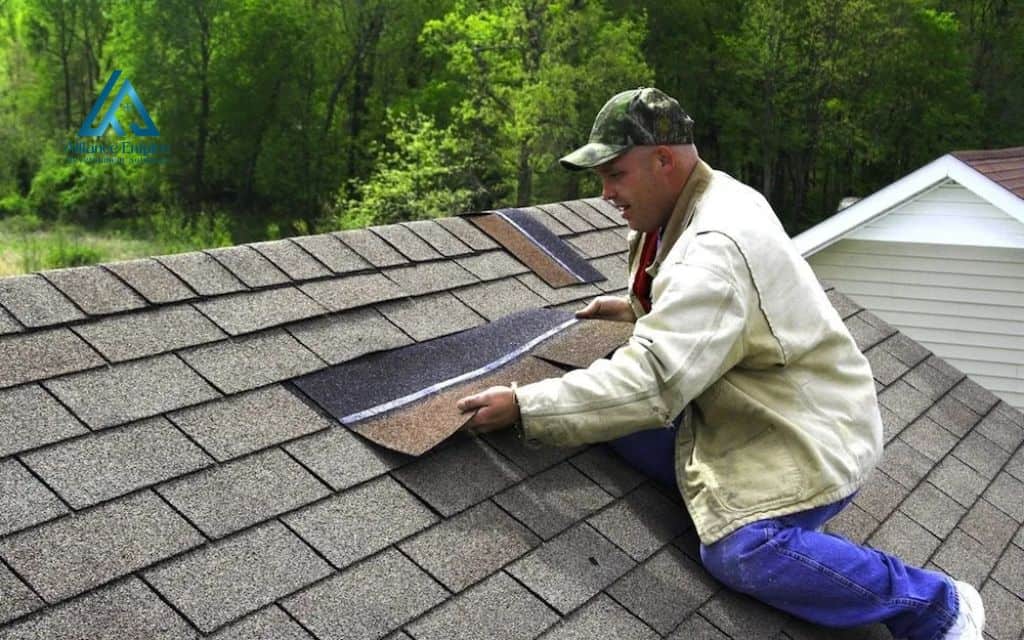
Roof replacement cost for different roofing materials
Material choice is the single biggest lever you have over your average price for roof replacement. The table below summarizes the four most common residential roofing materials across the United States.
| Material | Cost per Sq Ft | Lifespan | Best For |
| Asphalt Shingles | $4 – $7 | 15 – 25 years | Budget-conscious homeowners |
| Metal Roofing | $6 – $16 | 40 – 70 years | Long-term investment |
| Tile Roofing | $10 – $20 | 50+ years | Premium & warm-climate homes |
| Slate Roofing | $15 – $30 | 75 – 100 years | High-end luxury homes |
Asphalt shingles cost
Cost: $4 – $7 per square foot installed
Asphalt shingles dominate the US market for good reason. They are the most affordable roofing option available, widely stocked by suppliers nationwide, and fast to install. A skilled crew can typically complete an asphalt shingle job in a single day on a standard-sized home.
If your goal is to get a watertight, code-compliant roof at the lowest reasonable change roof cost, asphalt is almost always the starting point. The trade-off is lifespan: 3-tab shingles last 15 to 20 years, while architectural-grade shingles push that to 25 years or more.
Metal roofing cost
Cost: $6 – $16 per square foot installed
Metal roofing covers a wide spectrum from corrugated steel panels at the lower end to standing-seam aluminum or copper at the premium end.
What all metal options share is outstanding durability, low maintenance requirements, and a lifespan that can reach 40 to 70 years with minimal upkeep. In hail-prone markets like Denver, metal roofing is increasingly popular because it resists impact damage far better than asphalt.
The higher upfront cost of reroofing a house with metal pays off over time through fewer replacements and sometimes lower insurance premiums.
Tile roofing cost
Cost: $10 – $20 per square foot installed
Concrete and clay tile roofing deliver a distinctive high-end look and exceptional longevity, often lasting 50 years or more. However, the tile is heavy.
Before installation, a structural engineer may need to confirm that your home’s framing can support the added load, a step that adds time and cost to the project.
Because of the weight, tile is most commonly installed on homes built or reinforced to accommodate it, particularly in warm, dry climates where freeze-thaw cycles are less of a concern.
Slate roofing cost
Cost: $15 – $30 per square foot installed
Natural slate is the most durable and most expensive roofing material on the market.
A slate roof installed properly can last 75 to 100 years, meaning it may outlive the homeowners who install it. The material is heavy and requires experienced slate installers, which limits the available contractor pool and drives up labor costs.
Synthetic slate products offer a lighter, less expensive alternative while approximating the aesthetic of natural slate, though they typically carry shorter warranties.
Roof replacement labor costs
Labor is frequently the most variable and most misunderstood component of any roof change estimate. Across the country, labor typically accounts for 40% to 60% of the total project cost, averaging $1.50 to $4 per square foot – but that range can shift significantly based on several factors.
What affects your labor cost:
- Roof pitch (slope): Steeper roofs require safety equipment, slower movement, and more physical effort, all of which push labor rates up.
- Roof complexity: Every valley, chimney, skylight, vent stack, or dormer adds time. Complex rooflines cost more than simple gable designs.
- Contractor experience: Certified, fully insured crews with established reputations charge more than unlicensed workers, but they carry the liability coverage and workmanship warranties that protect you.
- Local labor market rates: Labor costs in Denver or San Francisco will be notably higher than in rural Midwest markets.
The practical implication: two quotes on the exact same house with the same materials can differ by $2,000 to $5,000 or more based on labor pricing alone.
This is one reason getting at least three bids is not just advisable, it’s essential for any homeowner trying to estimate the real average cost for a roof replacement.
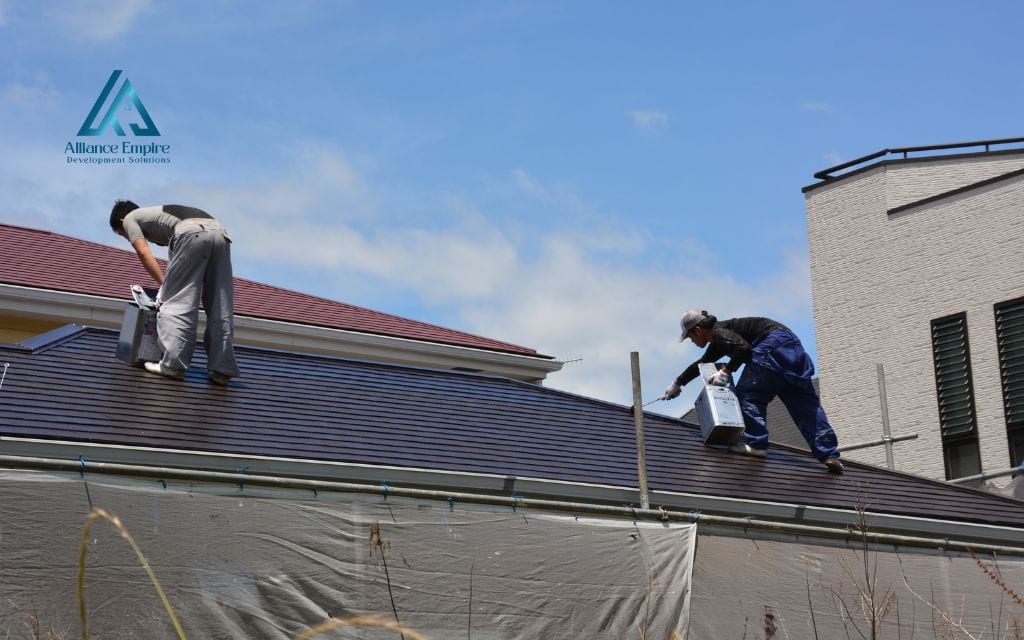
Roof replacement cost by roof size, height, and pitch
By roof size
The table below provides a quick-reference estimate to replace roof shingles or other materials by total roof area.
| Roof Size | Estimated Cost Range |
| 1,000 sq ft | $5,000 – $10,000 |
| 1,500 sq ft | $7,000 – $14,000 |
| 2,000 sq ft | $8,000 – $18,000 |
| 3,000+ sq ft | $15,000 – $30,000+ |
By home height
Multi-story homes cost more to re-roof than single-story homes of identical square footage. The reasons are straightforward: taller structures require more scaffolding, longer ladder access, additional safety rigging, and more time for crews to move materials up and debris down.
If your home is 2 or 3 stories, expect to add 10% to 20% to the labor estimate compared to a comparable single-story project.
By roof pitch (slope)
Roof pitch is measured as rise-over-run – how many inches the roof rises for every 12 horizontal inches. A low-pitch roof (3/12 to 6/12) is relatively walkable and costs less to work on. A steep-pitch roof (7/12 and above) requires safety harnesses, specialized equipment, and significantly more crew time.
Steeply pitched roofs can increase your how much to roof a house estimate by 20% to 40% compared to a similar-sized low-pitch structure.
Roof replacement cost by location
Where your home sits on the map has a meaningful impact on your roof cost. Regional differences in labor markets, material availability, permit fees, and local building codes can shift your total estimate by 20% to 40% in either direction.
| Region | Relative Cost Level |
| Midwest | Lower |
| South | Moderate |
| Northeast | Higher |
| West Coast | Highest |
Roofing removal cost (tear-off cost)
Before new shingles or panels go on, the old roofing material usually has to come off. This roof tear-off cost is a distinct line item in your contract that many homeowners underestimate when they start researching the roof removal cost.
Average tear-off cost: $1 to $5 per square foot, totaling $1,000 to $5,000+ for a standard home
What affects your roof removal cost:
- Number of existing layers: Building codes in most jurisdictions allow a maximum of two roofing layers. If your home already has two layers, both must come off before a new roof goes on, which doubles the tear-off labor and disposal fees.
- Roof pitch: Steeper pitches slow tear-off work just as they slow installation. A high-pitch tear-off costs more per square foot than a low-pitch one.
- Disposal and landfill fees: Shingle waste is heavy. Dumpster rental, hauling, and landfill tipping fees vary by location and by the volume of material removed. Always confirm whether disposal is included in your contractor’s price or billed separately.
Note: In some situations, a re-roof overlay (installing new shingles directly over old ones) can eliminate tear-off costs entirely. However, this approach adds weight to your structure, can void material warranties, and may hide underlying deck damage. Most roofing professionals recommend a full tear-off for the best long-term result.
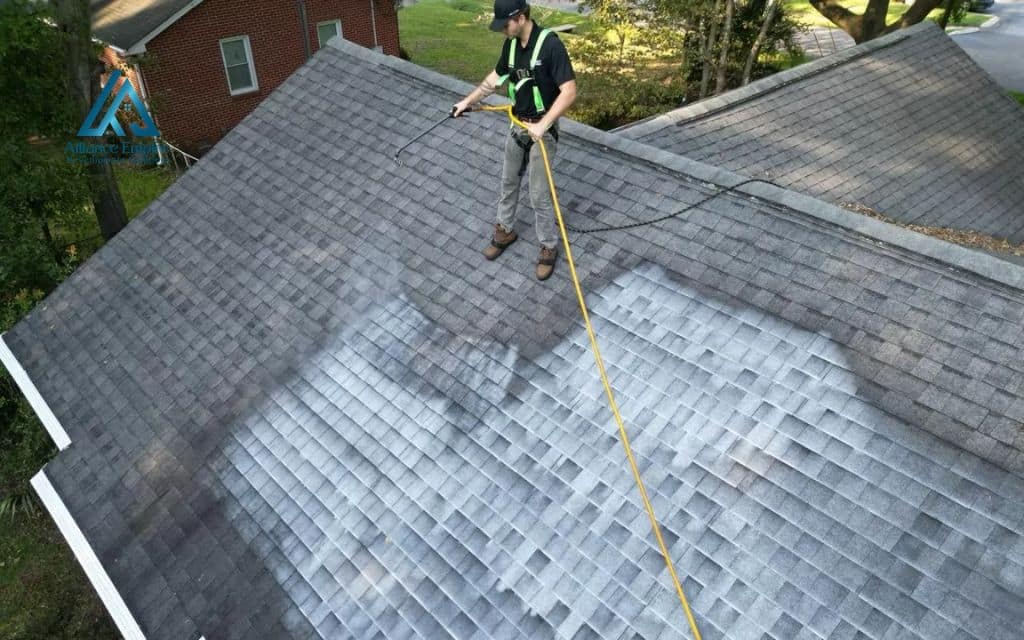
Hidden costs homeowners often miss
One of the most common complaints after a roofing project is that the final bill came in higher than the original estimate to replace the roof. That gap almost always traces back to a handful of costs that were either not discussed upfront or only discovered once tear-off began.
- Decking repair or replacement: The decking (plywood or OSB sheathing beneath your shingles) may be rotted, warped, or damaged by previous leaks. Replacing it costs $500 to $3,000 or more depending on how many sections need to be swapped out.
- Insulation replacement: Old or water-damaged insulation discovered during a project adds cost. Proper attic insulation also affects your home’s energy efficiency and can be a condition of warranty compliance with certain roofing manufacturers.
- Flashing upgrades: Flashing around chimneys, skylights, and vents often needs to be replaced at the same time as shingles. Reusing old, corroded flashing can void new material warranties and lead to leaks within a year or two.
- Permits: Most jurisdictions require a permit for roof replacement. Permit fees range from $100 to $1,000 depending on your location and the scope of work.
- Ventilation improvements: Proper attic ventilation is essential for the lifespan of your new roof. If your current ventilation is inadequate, adding ridge vents, soffit vents, or exhaust fans will be recommended and will add to your total.
How to save on roof replacement costs
Replacing your roof is not a place to cut corners but there are smart, legitimate ways to reduce your total cost without compromising on quality.
- Get at least 3 quotes: Prices for the same job can vary by 20% to 30% between contractors. Collecting multiple bids gives you a realistic market baseline and negotiating leverage.
- Choose materials that fit your budget and timeline: If you plan to sell your home within 10 years, asphalt shingles are almost always the financially logical choice. If you are staying long-term, the higher upfront cost of metal or tile can be recovered over decades of lower maintenance.
- Schedule work in the off-season: Roofing demand peaks in spring and summer. Booking your project in late fall or early winter, when contractors have more availability, can earn you a lower price and faster scheduling.
- Check your homeowner’s insurance coverage: If your roof damage was caused by a storm, hail, or wind, your insurance policy may cover a substantial portion of the replacement cost. Filing a claim before signing a contractor agreement is always worth exploring.
- Avoid unnecessary upgrades: Premium underlayment, designer shingles, and upgraded ventilation systems all add value, but not always proportional to cost. Focus on quality in the core materials and labor, and evaluate upgrades case by case.

Does insurance cover roof replacement?
Homeowner’s insurance and roof replacement have a complex relationship. Whether your policy pays depends on the cause of the damage and the age and condition of the existing roof.
Typically covered
- Storm damage – hail, high winds, falling trees, and ice dams in certain regions
- Fire or lightning strikes
- Sudden, accidental damage from events outside your control
Typically NOT covered
- Normal wear and tear – shingles that have simply aged past their useful life
- Damage attributed to poor maintenance or neglect
- Pre-existing conditions that were not disclosed or repaired when the policy was written
Practical tips for navigating an insurance claim
- Document damage immediately after a storm with date-stamped photos – both roof-level and interior ceiling shots if leaks are visible.
- File your claim promptly. Many policies have strict windows for reporting storm-related damage.
- Get a professional inspection from a licensed roofing contractor before the insurance adjuster visits. A written inspection report that clearly itemizes damage provides stronger documentation for your claim.
- Understand your deductible. In hail-prone markets like Denver, many policies carry a separate wind-and-hail deductible that is higher than your standard deductible. Know this number before you commit to a project.
Conclusion
Roof replacement is one of the largest investments most homeowners will make in the life of their property. But understanding the real drivers of cost puts you in a far stronger position than someone walking into their first contractor meeting blind.
The difference between a roofing project that goes smoothly and one that blows the budget almost always comes down to preparation: knowing what questions to ask, what to expect on the invoice, and how to evaluate whether a quote is fair.
About Alliance Empire Development Solutions (Alliance EDS)
Alliance EDS is a Denver-based roofing and construction company dedicated to helping homeowners make confident, informed decisions about their roof. From accurate estimates to quality installation, we handle every step with full transparency and zero pressure.
Ready to find out how much your roof replacement will really cost? Contact Alliance EDS today for a free, no-obligation inspection and quote.
Frequently asked questions (FAQs)
What is the cheapest roofing option?
Asphalt shingles are the most affordable roofing material available in the US market, typically running $4 to $7 per square foot installed. 3-tab asphalt shingles represent the lowest entry point, though architectural (dimensional) shingles offer better durability and aesthetics at a modest price premium. For most budget-conscious homeowners, asphalt shingles deliver the best value per dollar spent.
How long does a roof replacement take?
Most standard asphalt shingle replacements on a single-family home take one to three days from tear-off to cleanup. Complex rooflines, multi-story homes, premium materials like slate or tile, or large square footage can extend the timeline. Weather delays are also a factor – responsible contractors will not install roofing in rain or high winds.
How much does it cost to change a whole roof?
A complete roof replacement on a typical US home costs between $8,000 and $25,000, with most homeowners landing between $10,000 and $18,000 for a mid-sized home with asphalt shingles. Premium materials, larger homes, and complex rooflines can push totals well above $30,000.
Is $30,000 too much for a roof?
Not necessarily. A $30,000 quote could reflect a large home, a premium material like metal or slate, a steep and complex roofline, or a market with high labor costs. It could also reflect a contractor padding their margin. The only way to know if a high quote is fair is to collect two or three competing bids on identical scope. If multiple independent contractors are quoting in the same range, the price likely reflects real market conditions.
What is the cheapest way to replace a roof?
The lowest-cost legitimate approach is asphalt shingles with a standard tear-off, completed during the contractor’s off-peak season (late fall or winter), using a licensed local crew rather than a traveling storm-chaser company. Getting multiple bids, using insurance proceeds when applicable, and avoiding unnecessary upgrades will all reduce your final number without cutting corners on the quality of the installation.
How much is 1,500 sq ft of shingles?
A 1,500-square-foot roof area with asphalt shingles will typically cost $6,000 to $10,500 fully installed, including materials, labor, tear-off, and standard disposal. Higher-end shingles or added complexity (valleys, flashing, ventilation work) will push the number toward the higher end of that range.