
Have you ever wondered if your Denver home’s roof could handle the next powerful windstorm or hail event that rolls through “Hail Alley”? Hurricane straps and clips are small metal connectors that can make a significant difference in how your roof withstands Colorado’s intense weather. These galvanized steel ties create a critical link between your roof rafters or trusses and the walls below, reducing the risk of wind uplift and catastrophic roof failure during storms.
If your home or rental property has an older roof, you might be asking whether you can add these reinforcements now or if they only work during new construction. The good news is that hurricane straps can often be retrofitted onto existing roofs, but the process involves unique challenges, especially in Colorado’s demanding climate with hail, heavy snow loads, freeze-thaw cycles, and high-altitude UV exposure.
This guide walks you through how to install hurricane straps on existing roof, the basics of professional installation on existing roofs, and the safety and code considerations that make working with a trusted Denver contractor like Alliance Empire Development Solutions the smart choice. You’ll learn when a DIY approach might be reasonable, when to call the experts, and how these upgrades can protect your home’s value and your family’s safety.
What hurricane straps and clips actually do
Hurricane straps, ties, and clips are galvanized metal connectors designed to securely fasten roof rafters or trusses directly to the wall top plates. This connection creates a continuous load path that resists wind uplift forces trying to separate your roof from your walls during severe storms. While these connectors are standard in new construction, they can absolutely be retrofitted onto existing roofs to add resilience against Colorado’s unpredictable weather.
Think of hurricane straps as the seat belts of your roof system. Just as seat belts keep you safely in your vehicle during sudden stops, these metal ties keep your roof firmly attached to your home when powerful winds attempt to lift it away.
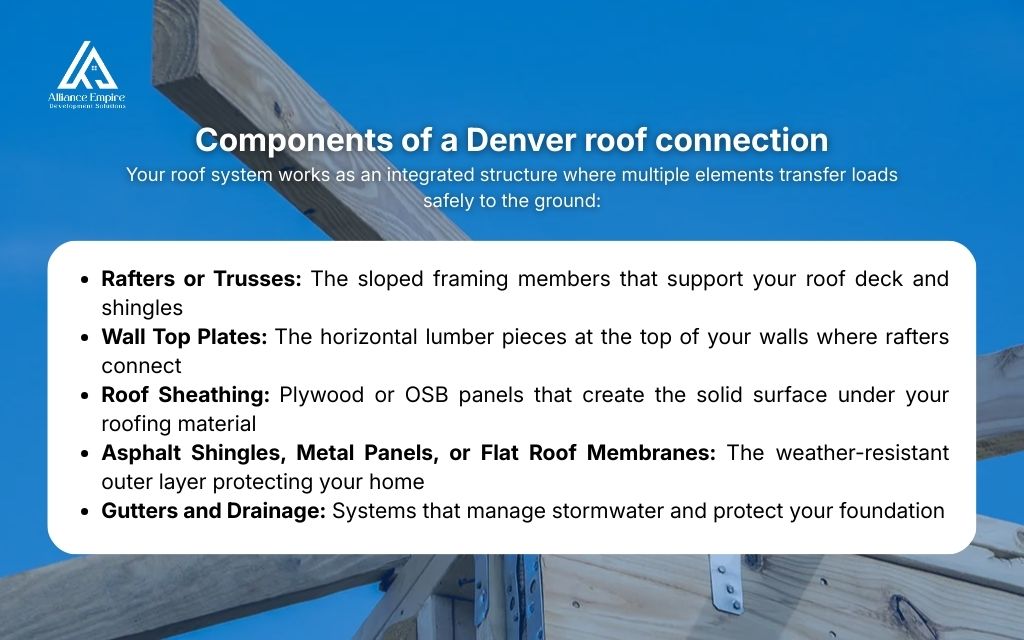
Components of a Denver roof connection
Your roof system works as an integrated structure where multiple elements transfer loads safely to the ground:
- Rafters or Trusses: The sloped framing members that support your roof deck and shingles
- Wall Top Plates: The horizontal lumber pieces at the top of your walls where rafters connect
- Roof Sheathing: Plywood or OSB panels that create the solid surface under your roofing material
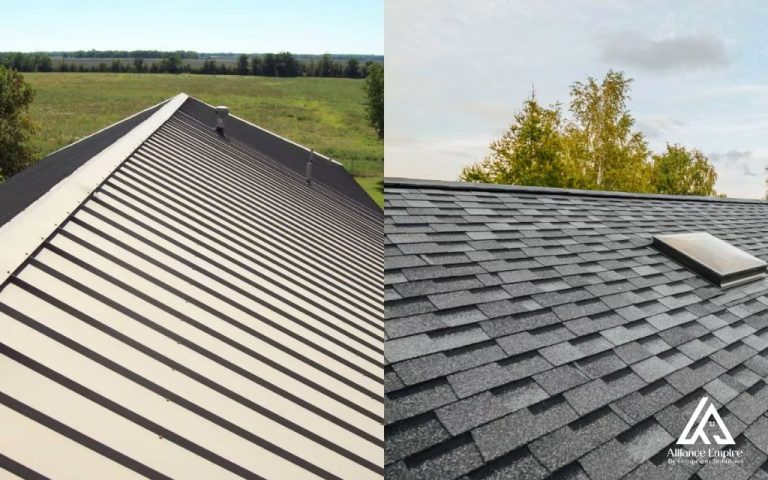
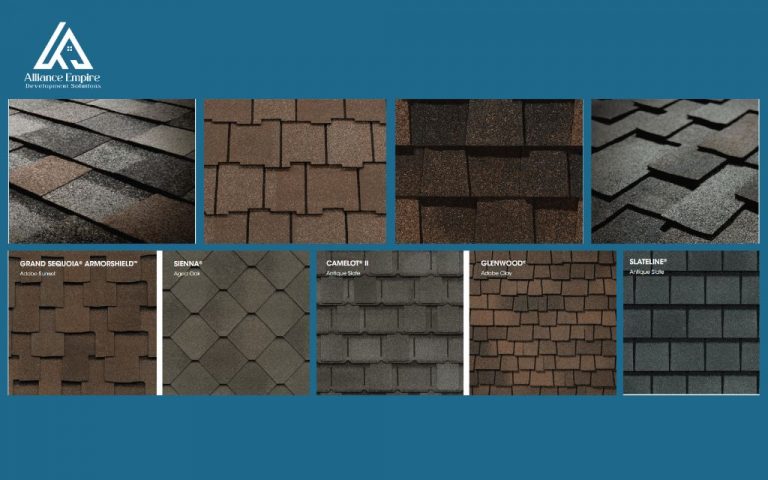
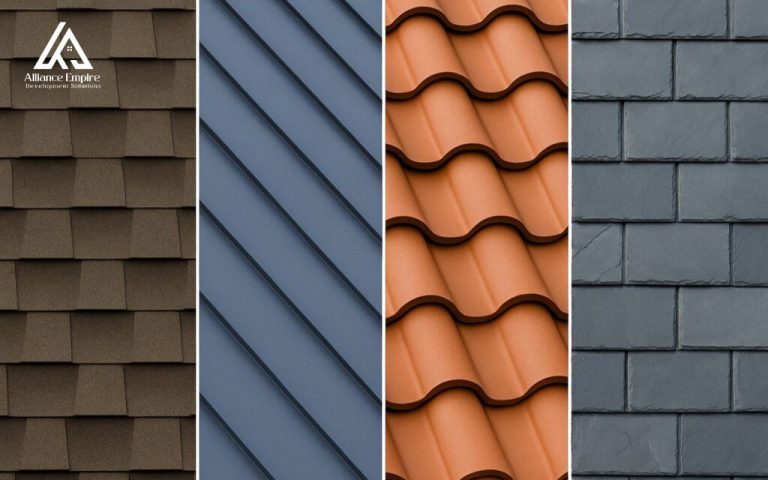
- Asphalt Shingles, Metal Panels, or Flat Roof Membranes: The weather-resistant outer layer protecting your home
- Gutters and Drainage: Systems that manage stormwater and protect your foundation
During wind, hail, and snow events common in Denver neighborhoods like Westwood, Athmar Park, and Mar Lee, all these components must work together. Hurricane straps strengthen the weakest link in this chain by reinforcing the rafter-to-wall connection, which is often secured only by simple toenails in older homes.
Why older Colorado homes may need upgrades
Many Denver homes built before modern building codes relied on basic toenail connections between rafters and wall plates. These fasteners can loosen over time, especially when exposed to Colorado’s freeze-thaw cycles and the vibration from repeated hail impacts. A single toenail connection might hold under normal conditions but can fail dramatically when high winds create sustained uplift pressure on your roof.
Denver sits squarely in “Hail Alley,” where powerful straight-line winds often accompany severe thunderstorms. These wind events can generate uplift forces similar to coastal hurricane conditions on roofs with weak connections. Adding hurricane straps to an existing roof addresses this vulnerability by creating redundant, engineered connections that meet current standards for wind resistance.
Can you install hurricane straps on an existing roof?
Yes, hurricane straps can be added to many existing roofs, but feasibility depends on your home’s framing condition, current connector types, and accessibility. A professional assessment evaluates whether your roof structure can safely accept retrofitted straps and whether this upgrade makes sense compared to targeted repairs or partial replacement.
The decision to retrofit straps should start with understanding what you’re working with. A qualified roofer or structural engineer can inspect your attic space, examine existing rafter-to-wall connections, check for storm damage or wood deterioration, and recommend the most cost-effective path forward.
Typical retrofit methods pros use
Professional hurricane strap installation on existing roofs follows a systematic approach:
Planning and Assessment Phase
- Inspect framing from attic or exterior access points
- Identify existing connectors and evaluate their condition
- Select code-approved straps for your specific framing (common options include Simpson Strong-Tie H2.5A or H3 models)
- Determine access strategy based on your home’s construction
Installation Phase
- Access rafter-to-wall connection points through attic space, soffits, or during coordinated roof repairs
- Position straps snugly against both the rafter and wall plate
- Install manufacturer-specified fasteners (typically structural nails, not generic screws) through all required holes
- Verify proper placement and secure attachment at each connection
Verification Phase
- Schedule required inspections with local building officials if permits are needed
- Document completed work with photos for insurance and resale purposes
- Address any supplemental repairs identified during the process
Many professional contractors prioritize corners and roof edges first, as these areas experience the highest wind uplift forces. On gable ends and eave overhangs, uplift can be particularly severe during storms, making strategic strap placement critical for maximum protection.
Access challenges in existing Denver homes
Adding hurricane straps to an existing roof isn’t always straightforward. Your home’s specific construction creates unique obstacles:
| Challenge | Impact on Installation |
| Finished Attic Ceilings | May require drywall removal to access rafter connections |
| Tight Eave Spaces | Can limit hand tool access, requiring soffit removal |
| Blown-In Insulation | Must be carefully moved and replaced around work areas |
| Electrical Wiring | Requires careful navigation to avoid damage or shock hazards |
| Steep Roof Slopes | Increases fall risk when accessing from exterior |
| Existing Storm Damage | May reveal additional repairs needed before straps provide benefit |
Working around these obstacles in snow-prone Denver adds safety risks best handled by trained professionals with proper equipment, insurance coverage, and fall protection systems. Attempting complex retrofits without experience can lead to injury, code violations, or damage to your home’s structure.
Step by Step Overview: How Pros Install Hurricane Straps
Understanding the professional process how to install hurricane straps on existing roof helps you make informed decisions about your roof upgrade. This overview is educational and not intended as a DIY manual. Complex structural work should always be handled by licensed contractors who understand local codes and safety requirements.
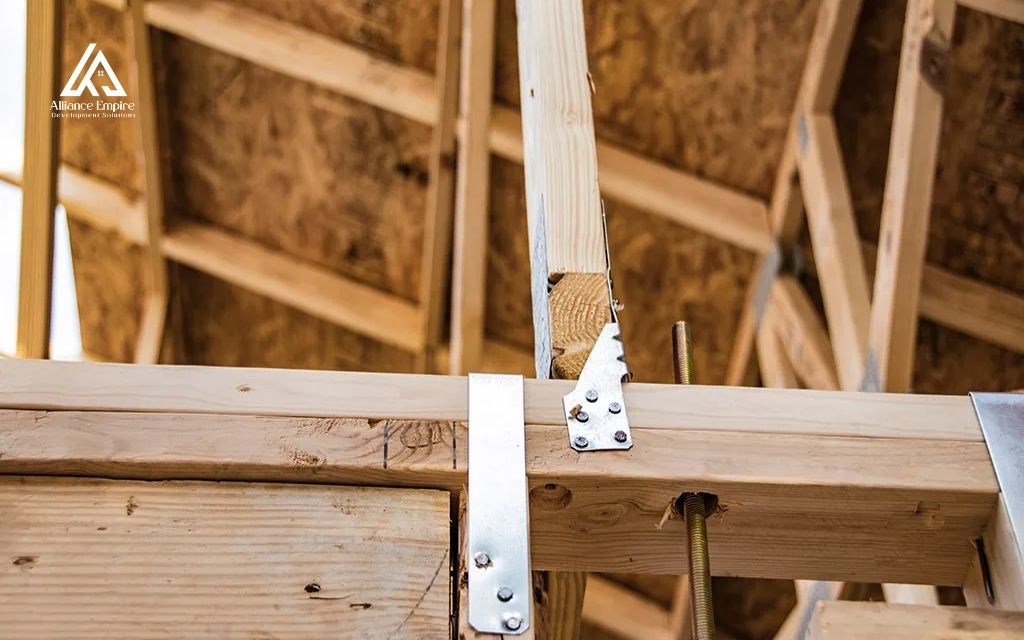
Step 1: Inspection and planning
The process begins with a thorough inspection of your roof’s existing condition. A qualified roofer examines:
- Structural Integrity: Are rafters, trusses, and wall plates sound, or has wood rot, insect damage, or previous storm impact compromised them?
- Current Fasteners: What connections already exist, and are they adequate or failing?
- Access Options: Can straps be installed from the attic, or will exterior work be necessary?
- Code Requirements: Does your municipality require permits for structural modifications, and what inspection protocols apply?
This inspection often includes documentation photos that serve dual purposes. They help contractors plan the work accurately and provide important records for insurance claims if you’re addressing storm damage alongside the upgrade. In Denver, where hail damage frequently triggers insurance-supported roof repairs, having professional documentation of your roof’s condition and any improvements is invaluable.
Step 2: Choosing the right straps and fasteners
Not all hurricane straps are created equal, and using the wrong components can actually reduce the strength of the connection you’re trying to improve. Professional contractors select:
- Code-Approved Straps: Models tested and certified for specific uplift loads (measured in pounds of resistance)
- Material Compatibility: Straps designed for your specific roof framing, whether dimensional lumber rafters or engineered trusses
- Proper Fasteners: Manufacturer-specified nails with correct shank diameter and length, not generic screws that may split wood or pull out under stress
- Corrosion Protection: Galvanized or stainless steel hardware appropriate for Colorado’s moisture and temperature swings
For Denver’s common roof types, including asphalt shingle roofs, metal roofing systems, and some flat roofs with truss framing, different strap configurations may be optimal. A professional ensures compatibility between your existing structure and the new connectors.
Step 3: Installing straps at each connection
Professional installation requires precision and attention to detail:
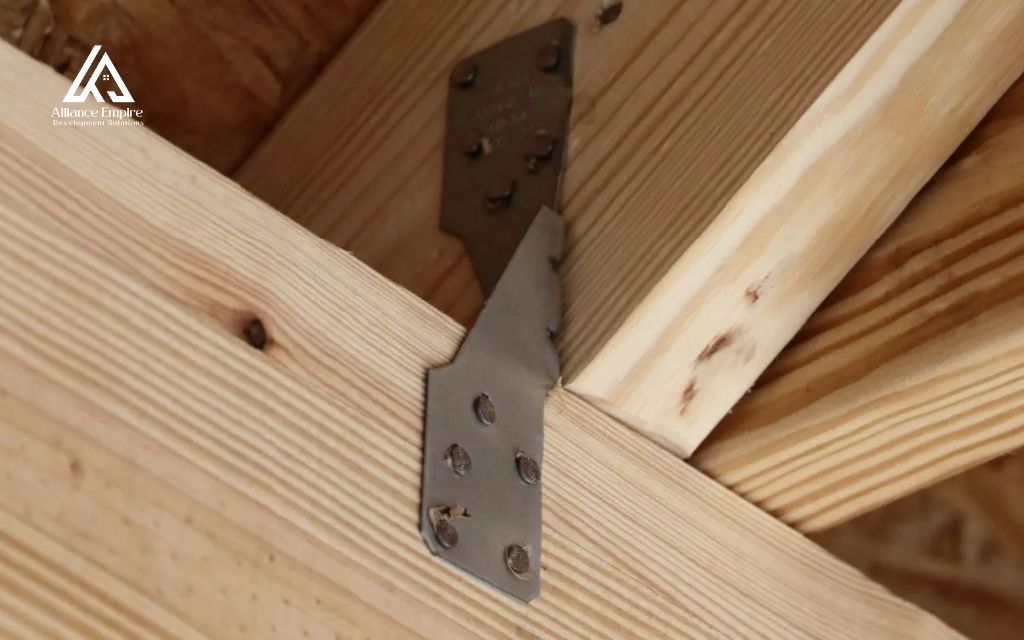
Positioning: Each strap must sit flush against both the rafter or truss and the wall top plate, with no gaps that could allow movement under load.
Fastening: All nail holes in the strap must be filled with approved fasteners driven to proper depth without over-driving, which can weaken the connection. Some installations require two or three straps per truss depending on spacing and engineer recommendations, particularly on wider roof spans.
Quality Control: Contractors verify that no wood splitting has occurred during fastening and that straps are aligned correctly to transfer loads as designed.
This work demands both physical access to tight spaces and the technical knowledge to follow manufacturer specifications exactly. Cutting corners by skipping fasteners or using improper materials can void code compliance and leave your roof no stronger than before the upgrade.
Step 4: Inspection, code, and final checks
After installation, several verification steps protect your investment:
- Self-Inspection: The contractor reviews all connections for proper installation before scheduling official inspections
- Building Department Review: If permits were required, a code official inspects the work to verify compliance with current standards
- Engineering Sign-Off: Complex projects may require a structural engineer’s approval, particularly on homes with previous damage or unusual framing
- Final Documentation: Photos and paperwork are compiled for your records, future buyers, and insurance purposes
These how to install hurricane straps on existing roof steps answer common questions about project timelines. Most residential hurricane strap retrofits on accessible structures can be completed in one to three days, though complex access issues or permit inspection scheduling can extend the timeline. When combined with other roof repairs after hail or wind damage, the work often happens concurrently, saving time and minimizing disruption.
How Colorado weather affects roof connections
Denver’s unique climate creates specific challenges that make strong rafter-to-wall connections particularly important. Here’s why hurricane straps aren’t just for coastal regions:
Hail and high wind uplift in “Hail Alley”
- Denver sits in “Hail Alley” with powerful straight-line winds exceeding 70 mph accompanying hailstorms
- Wind creates pressure differences that literally try to lift roofs off walls like airplane wings
- Non-hurricane storms in Denver can generate uplift forces similar to Category 1-2 hurricanes on weak connections
- These events happen multiple times per year during spring and summer, repeatedly stressing attachment points
Snow loads and freeze-thaw cycles
- Heavy snow loads (hundreds of pounds per square foot) push down while wind tries to lift up
- Freeze-thaw cycles cause moisture to freeze and expand around nails, gradually widening holes and reducing holding power
- Hurricane straps resist degradation better with multiple fastening points that distribute loads over larger areas
High altitude UV and material aging
- Mile-high elevation intensifies UV radiation, accelerating aging of shingles, sealants, and wood framing
- Aged, brittle wood holds fasteners less securely over time
- Multiple fasteners through metal straps provide redundancy that simple nails can’t match
- Combine strap upgrades with scheduled roof maintenance or re-roofing to maximize value
DIY vs Professional Installation in Denver
The question of whether to tackle hurricane strap installation yourself or hire a professional deserves careful consideration. Your safety, your home’s structural integrity, and your insurance coverage all factor into this decision.
DIY vs professional: A direct comparison
| Factor | DIY Installation | Professional Installation |
| Best For | Experienced homeowners installing a few clips in easily accessible attic spaces | Most Denver homes requiring comprehensive retrofit or complex access |
| Safety | Fall hazards, electrical risks, inadequate lighting, no backup if injured | Trained crews with fall protection, proper equipment, and worker’s comp coverage |
| Code Compliance | Risk of violations from wrong fasteners, improper angles, or skipped permits | Guaranteed compliance with licensed contractors who handle permits and inspections |
| Insurance | May complicate claims, no professional documentation, potential liability | Supports claims with documentation, includes liability insurance and warranties |
| Time | Days to weeks depending on skill level and learning curve | 1-3 days for most residential projects with efficient professional crews |
| Cost | Lower materials cost but risk of mistakes, tool purchases, and potential code fines | Professional service includes all materials, insurance, expertise, and long-term value |
When to call Alliance EDS
You should contact a qualified roofing contractor when:
Structural or Safety Concerns
- Any visible sagging, cracking, or damage to rafters or trusses
- Prior hail or wind damage needing assessment
- Steep roof slopes requiring exterior access
Code and Insurance Requirements
- Insurance claim requires documented professional work
- Building permits needed for structural modification
- Engineering oversight required for significant upgrades
Practical Limitations
- Limited attic access or finished ceilings blocking connections
- Tight eave spaces requiring soffit removal
- Asbestos or hazardous materials present
Repair vs replacement decisions with straps
One of the most valuable services a professional roofer provides is helping you decide whether hurricane strap installation makes sense for your specific roof. Alliance EDS specializes in these evaluations. With 15 years of experience navigating Denver’s storm damage landscape, we provide honest guidance about whether targeted repairs, strap installation, or complete roof replacement best protects your investment.
The bottom line: While experienced homeowners might successfully install a few clips in ideal conditions, the vast majority of Denver hurricane strap retrofits benefit from professional expertise. Contact Alliance EDS at (720) 207-4646 for a candid assessment of your specific situation.
Insurance, code, and property value considerations
Hurricane strap installation involves important financial and legal benefits beyond structural strength.
Building codes and roof connectors
The International Residential Code (IRC) Section R802 establishes minimum standards for roof-to-wall connections. Adding hurricane straps brings older homes closer to modern code standards.
Why permits matter:
- Creates safety and liability documentation
- Increases resale value with verified upgrades
- May support insurance benefits or better rates
Even when permits aren’t required, documentation proves valuable for future sales or claims.
Insurance claims and wind mitigation
Documented hurricane strap installations can support wind mitigation credits and demonstrate proactive risk reduction. Professional documentation is essential for insurance claims:
- Before, during, and after installation photos
- Contractor invoices with materials specified
- Permit records and inspection approvals
Alliance EDS provides thorough documentation that helps insurance claims proceed smoothly.
Boosting resale and long-term value
Hurricane straps are a low-profile upgrade with meaningful resale impact:
- Demonstrates commitment to maintenance
- Provides structural integrity peace of mind
- May lower buyer’s insurance costs
- Sets your property apart with modern code compliance
Permitted, professionally installed straps can justify premium pricing or accelerate sales in competitive markets.
5 Reasons to Choose Alliance Empire Development Solutions
- 15+ Years of Denver Roofing Experience: We’ve helped thousands of Colorado property owners navigate storm damage, insurance claims, and structural upgrades with expertise built over more than a decade serving this community.
- Honest Guidance You Can Trust: Unlike storm chasers who disappear after quick sales, we provide straightforward repair versus replacement recommendations focused on your best interests, not maximizing our profits.
- Local Expertise in Colorado Weather Challenges: We understand how hail, snow loads, freeze-thaw cycles, and high-altitude UV specifically impact Denver roofs, and we design solutions that address these unique conditions.
- Storm Damage and Insurance Specialists: Our team knows how to document damage properly, work with insurance adjusters, and ensure your claim supports necessary repairs including structural upgrades like hurricane strap installation.
- Convenient Virtual Roof Estimate: Get started without the hassle by using our Virtual Roof Estimate tool for preliminary assessments, followed by detailed on-site inspections when you’re ready to move forward.
Schedule Your Denver Roof Inspection Today
Don’t wait for the next severe storm to test whether your roof can handle Colorado’s demanding weather. Whether you’re concerned about how to install hurricane straps on existing roof, existing damage, interested in proactive upgrades, or simply want an expert evaluation of your roof’s structural connections, Alliance EDS is here to help.
Contact us today to discuss hurricane strap and clip options for your existing roof and get a clear, pressure-free plan to strengthen your home before the next storm season.
Alliance Empire Development Solutions (Alliance EDS)
Address: 1427 S Federal Blvd, Denver CO 80219
Phone: (720) 207-4646 (Call Us – Available for Emergency Repair)
Email: [email protected]
Website: allianceeds.com
Let our experienced team provide the honest roofing guidance Denver property owners have trusted for over 15 years. Schedule your inspection now and protect your home with professional hurricane strap installation that meets code requirements and stands up to everything Colorado can deliver.
FAQs how to install hurricane straps on existing roof
Do I really need hurricane straps on my Denver home if we don’t get hurricanes?
Absolutely. The name “hurricane straps” can be misleading for Colorado property owners, but these connectors are really about wind uplift resistance, not just hurricanes. Denver experiences powerful straight-line winds, severe thunderstorms, and occasional downslope windstorms that can generate forces comparable to tropical systems. The straps help your roof stay attached during any high-wind event, including the intense storms that accompany hail in “Hail Alley.” Homes built under older codes often lack adequate rafter-to-wall connections, making retrofits a smart upgrade for long-term protection.
Can hurricane straps be added without replacing my entire roof?
Yes, in most cases. Many hurricane strap retrofits happen from the attic or by carefully accessing eave connections without disturbing your existing roofing material. However, some situations require partial tear-off if connections can’t be safely reached otherwise, especially on homes with limited attic access or specific framing configurations. A professional inspection from Alliance EDS can evaluate your home’s specific situation and recommend the least invasive approach that still achieves code-compliant installation.
Will installing hurricane clips lower my home insurance in Colorado?
Insurance discounts vary by carrier, and not all Colorado insurers offer specific credits for hurricane strap retrofits. However, documented structural upgrades can strengthen your position during wind mitigation discussions and demonstrate proactive risk reduction to your insurer. More importantly, having reinforced connections may reduce the severity of damage during future storms, potentially preventing claims altogether. Alliance EDS can provide the professional documentation your insurance company may request to verify completed upgrades.
How much does hurricane strap installation cost in Denver?
Costs vary significantly based on your roof’s size, accessibility, current condition, and whether strap installation is combined with other repairs or replacement work. Factors affecting price include the number of connections being reinforced, whether permits and inspections are required, access complexity, and any supplemental repairs discovered during the process. Rather than providing misleading ballpark figures, Alliance EDS offers detailed, transparent quotes after inspecting your specific property. Contact us at (720) 207-4646 for a Virtual Roof Estimate or on-site inspection tailored to your home.
Is it safe to install hurricane ties on my own roof?
For most Denver homeowners, professional installation is the safer choice. Roof and attic work involves serious fall hazards, potential electrical risks in tight spaces, and the structural knowledge needed to install connectors correctly. Even minor mistakes with fastener selection or placement can reduce connection strength or void code compliance. Additionally, DIY work may create complications for future insurance claims or resale inspections. Alliance EDS’s licensed professionals have the proper training, insurance coverage, and safety equipment to handle installations that protect both you and your home.
Conclusion
Hurricane straps, ties, and clips create a critical structural link that helps Denver homes stand up better to hail, wind, heavy snow loads, and the aging effects of freeze-thaw cycles and intense UV exposure. These galvanized metal connectors transform weak rafter-to-wall connections into engineered systems designed to resist the uplift forces that can tear roofs away during severe weather.
Understanding how to install hurricane straps on existing roof systems is valuable knowledge for any Denver property owner. However, safe, code-compliant work that provides maximum protection and supports insurance and resale value usually belongs in professional hands. The complexity of accessing existing connections, selecting proper materials, following manufacturer specifications exactly, and navigating permit requirements makes this a job where expertise truly matters.
Before the next hail season arrives or winter winds test your roof’s limits, take action to evaluate your home’s structural readiness. Prioritizing safety, code compliance, and long-term property value through professional assessment and installation gives you peace of mind that your most important investment is protected.