
Have you noticed dark streaks spreading across your shingles after Denver’s latest hailstorm? Roof mold is more than just an unsightly problem. It can signal hidden leaks, hail damage, or moisture intrusion that threaten your home’s structural integrity and indoor air quality. In Denver’s challenging climate, where heavy snowfall, intense UV exposure at high altitude, and frequent hail events stress roofing materials, mold on shingles or flat roofs often means water is penetrating where it shouldn’t.
This comprehensive guide explains how to remove mold from roof surfaces safely, when limited DIY cleaning makes sense, and when you should stop and contact a professional. You will learn how Denver’s unique weather patterns, clogged gutters, and inadequate attic ventilation contribute to mold growth, what treatment options actually work without damaging your roof, and why a professional inspection is essential before the problem spreads to your attic or interior spaces. Throughout this article, Alliance EDS is highlighted as your trusted Denver roofing partner to assess roof mold, document storm damage, and provide honest guidance on repair versus replacement options.
What roof mold is and why it shows up in Denver
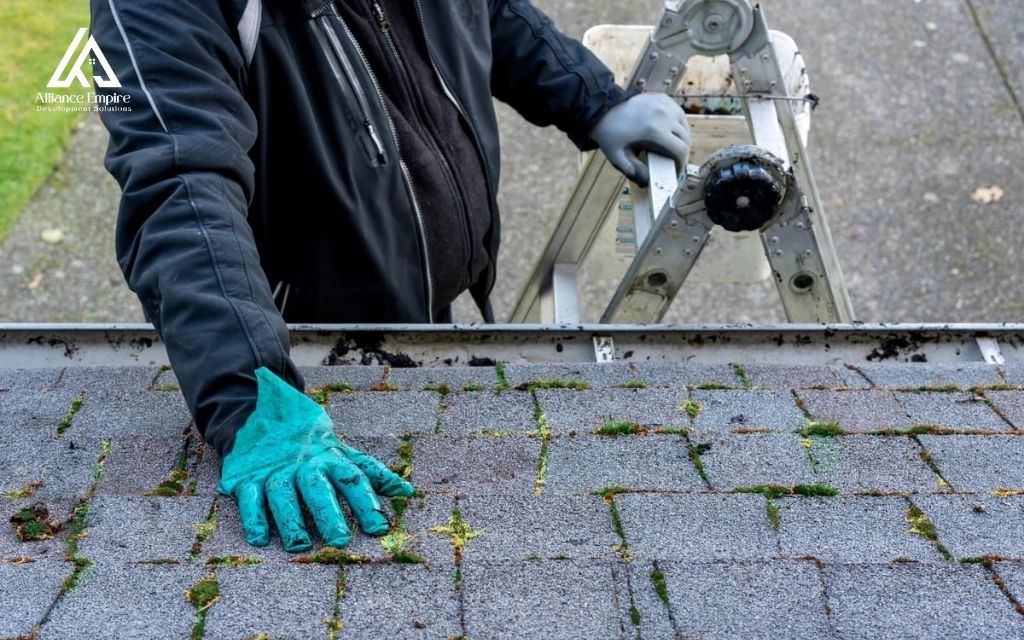
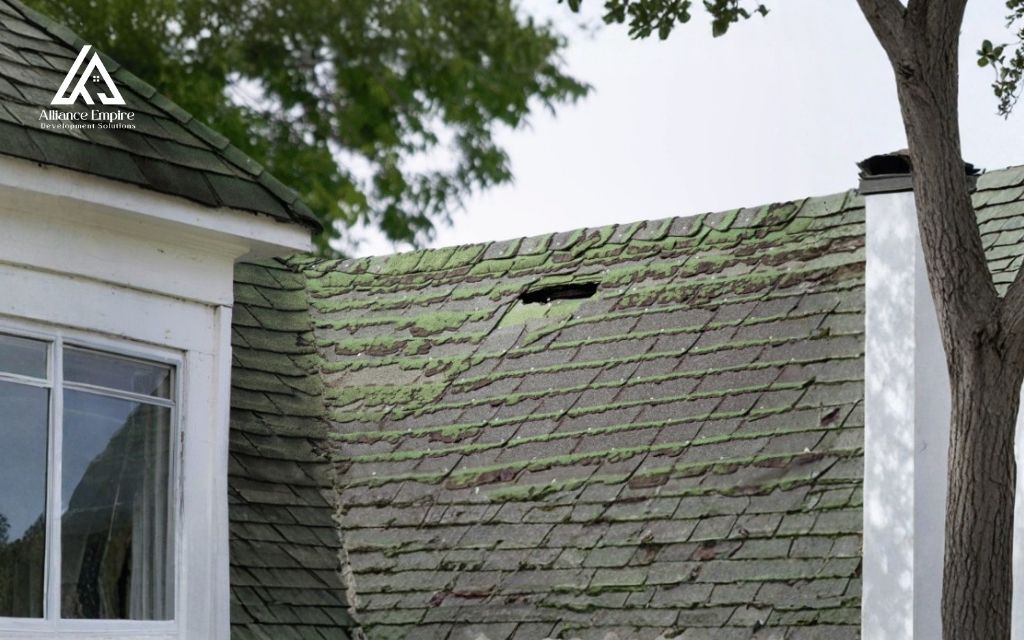
Roof mold refers to fungal growth that appears on roofing surfaces including asphalt shingles, tiles, and flat roof membranes. This growth typically results from trapped moisture, organic debris, and insufficient sunlight. In metro Denver, you might also see algae (often appearing as black streaks) and lichen (crusty, leaf-like growths) alongside true mold.
These organisms thrive when moisture, shade, and organic material combine. North-facing roof slopes or areas shaded by trees receive less direct sunlight and dry more slowly after rain or snowmelt, creating ideal conditions for mold colonization. As leaves, pine needles, and other debris accumulate in roof valleys or against chimneys, they hold moisture against shingles and provide nutrients for mold growth.
Denver’s climate creates particular challenges. Spring snowmelt, summer monsoon rains, and our notorious hail events introduce water under or between shingles. When gutters clog with debris, water backs up under roof edges. Ice dams form along eaves during winter freeze-thaw cycles, forcing melted snow underneath shingles where it can saturate roof decking.
Common signs of mold on roof shingles
Watch for these visual indicators that mold has taken hold on your roof:
| Sign | What It Means |
| Black or dark streaks | Often algae (Gloeocapsa magma) but can indicate mold presence |
| Green or brown patches | Active mold or algae growth, especially in shaded areas |
| Fuzzy or textured growth | Advanced mold colonization requiring immediate attention |
| Musty odors near roof line | Suggests moisture penetration and possible interior mold |
| Interior ceiling stains | Water has breached the roof barrier and may be feeding hidden mold |
| Granule loss on shingles | Indicates deterioration that allows moisture penetration |
| Curled or cupped shingles | Moisture damage compromising shingle integrity |
| Soft or spongy spots | Serious deck rot requiring structural repair |
Surface staining differs significantly from deeper structural damage. Light algae streaks may only affect appearance, while mold accompanied by granule loss, shingle curling, or soft spots indicates that moisture has compromised the roofing system and may require repair or replacement rather than simple cleaning.
Why Denver roofs are vulnerable to mold
Denver sits in “Hail Alley,” where severe thunderstorms regularly pummel roofs with ice. Hail impacts bruise and crack shingles, creating entry points for water. Even minor hail damage can expose the asphalt mat beneath protective granules, allowing moisture to penetrate.
Our high-altitude location brings intense UV radiation that degrades roofing materials faster than at lower elevations. This UV exposure weakens already damp or mold-affected shingles, making them more prone to cracking after hail strikes. The combination of moisture intrusion and UV degradation accelerates roof failure when mold issues go unaddressed.
Denver’s dramatic temperature swings create freeze-thaw cycles that are particularly destructive. Water that seeps under damaged shingles freezes overnight, expands, and forces shingles apart. During the day, it melts and penetrates deeper. Repeated over weeks and months, these cycles push moisture into roof decking and attics, creating hidden mold colonies not visible from the ground.
Is mold on your roof dangerous?
Yes, mold on your roof poses both structural and health risks beyond cosmetic concerns.
Structural risks:
- Shingle deterioration – Mold breaks down asphalt shingles, shortening roof lifespan
- Deck rot – Prolonged moisture softens and rots wooden roof decking
- Interior leaks – Surface mold eventually allows water into ceilings, walls, and insulation
- Compromised roof system – Mold indicates failing flashing, damaged underlayment, or inadequate ventilation
Health and indoor air quality concerns:
Roof mold often connects to interior moisture problems. Spores enter through attic vents or ceiling penetrations. Water from roof leaks creates hidden mold colonies on wood framing and insulation, degrading indoor air quality and potentially triggering respiratory issues, allergies, or asthma, especially in children and sensitive individuals.
Roof mold vs attic and interior mold
Visible roof mold is only part of the problem. Water travels along rafters, through insulation, and into wall cavities. By the time you notice ceiling stains or musty odors, significant hidden mold may already exist.
Professional specialists use advanced diagnostics to locate moisture and mold:
- Infrared thermal imaging revealing wet insulation or decking
- Moisture meters measuring water content in materials
- Air quality testing detecting elevated mold spore counts
- Lab analysis identifying mold species and contamination severity
Treating only visible roof mold without addressing interior colonization leaves ongoing health risks and structural damage.
When roof mold becomes an insurance and property value issue
Insurance may cover mold when hail damage created leaks, but only with proper documentation:
- Professional inspection reports detailing damage and mold extent
- Time-stamped photographs showing roof condition
- Moisture readings and thermal imaging proving water intrusion
- Written estimates from licensed contractors
Without documentation, insurers often deny claims, classifying mold as maintenance neglect. Alliance EDS works with insurance adjusters, providing thorough documentation supporting successful claims.
Property value impacts: Buyers’ inspections flag mold or moisture issues. Appraisers may reduce valuation or require remediation before closing. Denver real estate transactions can stall when undisclosed mold surfaces. Addressing roof mold promptly protects your investment and property marketability
Can you remove roof mold yourself?
The honest answer depends on several factors: the extent of mold growth, your roof’s accessibility, the steepness of the pitch, and your comfort working at heights. Small areas of mild surface mold on an easily accessible, low-slope roof may be candidates for careful DIY cleaning. However, widespread growth, active leaks, black mold, or steep roofs require professional intervention.
Safety risks include:
- Falls from pitched roofs cause serious injuries and fatalities annually
- Wet or icy roof surfaces dramatically increase fall danger
- Chemical exposure from cleaning solutions can irritate skin, eyes, and lungs
- Improper technique may force water under shingles, worsening moisture problems
- Disturbing mold releases spores that you may inhale
Before attempting any roof work, honestly assess your abilities, available safety equipment, and whether the risk justifies potential cost savings. Most Denver homeowners find that professional cleaning provides better results with less risk.
Safe DIY steps for light roof mold
If you decide to proceed with limited DIY roof mold cleaning, follow these guidelines:
Safety first:
- Work only in dry, mild weather with no wind
- Use a properly rated ladder on stable, level ground
- Wear non-slip shoes with good traction
- Consider a safety harness for pitched roofs
- Never work alone; have someone nearby who can call for help
- Wear protective gloves, safety glasses, and a respirator mask
Cleaning approach:
- Use low-pressure application only; never power wash asphalt shingles
- Apply cleaning solution from a ladder where possible rather than walking on the roof
- Choose appropriate cleaners (diluted oxygen bleach or commercial roof cleaners designed for your roofing material)
- Work from top to bottom, allowing solution to run down the roof naturally
- Rinse gently with low-pressure water after the recommended dwell time
- Protect landscaping and gutters from cleaning solution runoff
Timing considerations for Denver’s climate:
- Late spring or fall offers mild temperatures and stable weather windows
- Avoid winter ice, summer heat that dries chemicals too quickly, or monsoon season downpours
- Check weather forecasts for at least 24 hours of dry conditions after cleaning
- Allow adequate drying time before any freeze is expected
Remember that cleaning visible mold without addressing the underlying moisture source provides only temporary cosmetic improvement. Mold will return unless you fix leaks, improve ventilation, and remove conditions that support fungal growth.
DIY mistakes that damage Denver roofs
Many well-intentioned homeowners inadvertently shorten their roof’s lifespan through improper cleaning methods. Understanding these common mistakes helps you avoid costly damage.
Pressure washing dangers:
Power washers deliver water at pressures exceeding 1,500 PSI, far more than asphalt shingles can withstand. This aggressive approach strips the ceramic granule layer that protects shingles from UV damage. Once granules are removed, shingles age rapidly, becoming brittle and prone to cracking. Most shingle manufacturers void warranties when power washing damage is evident. The immediate cosmetic improvement from pressure washing comes at the cost of years of roof life.
Professional soft-wash systems use low pressure (under 100 PSI) combined with specialized cleaners that break down mold chemically rather than blasting it away mechanically. This approach removes staining without damaging roofing materials.
Treating symptoms without fixing causes:
Perhaps the most common and costly mistake is cleaning mold without correcting the moisture problems that caused it. If you remove mold but leave:
- Clogged gutters that overflow and back water under shingles
- Ice dam-prone eaves without proper insulation or ventilation
- Damaged flashing around chimneys, skylights, or vents
- Missing or cracked shingles that admit water
…then mold will return within weeks or months, and the underlying damage will continue worsening. Effective mold remediation addresses both the growth itself and the conditions that support it.
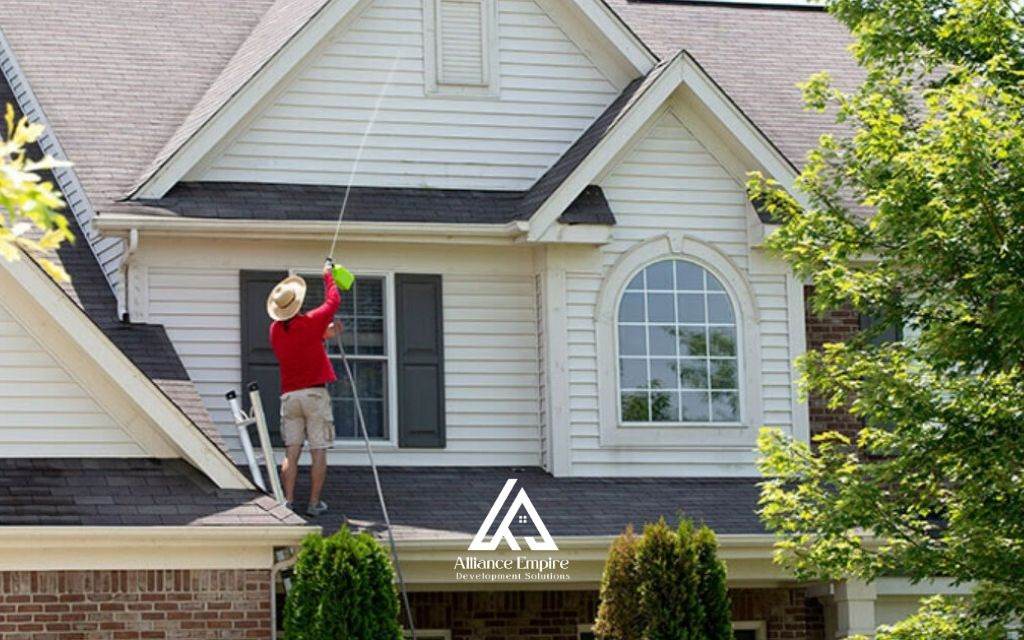
Professional roof mold removal and inspection in Denver
Professional roofing contractors combine surface treatment with comprehensive moisture source correction for lasting results DIY cleaning cannot match.
Soft-wash methods use specialized equipment applying cleaning solutions at low pressure (60-100 PSI). Professional-grade biocides break down mold at the molecular level without mechanical force, preserving shingle granules and extending roof life.
Beyond surface cleaning, professionals inspect for:
- Hail damage, bruising, and cracked shingles not visible from the ground
- Failed flashing around penetrations, chimneys, and roof-to-wall transitions
- Ventilation deficiencies causing attic moisture accumulation
- Gutter and drainage issues allowing water backup
- Structural concerns including sagging decking or deteriorated fascia
- Code compliance issues affecting insurance or property sales
What a professional roof mold inspection includes
| Inspection Element | What We Evaluate |
| Exterior roof surface | Hail strikes, granule loss, cracked/missing shingles, mold extent |
| Flashing and penetrations | Proper sealing around chimneys, vents, skylights, valleys, edges |
| Attic space | Ventilation, moisture readings, hidden mold, insulation condition |
| Gutters and drainage | Clogs, damage, proper pitch, downspout routing |
| Moisture mapping | Thermal imaging and moisture meters locating active/past leaks |
| Documentation | Photographs, written reports, measurements, damage quantification |
Denver specialists coordinate with insurance adjusters, providing documentation that links mold to storm events rather than deferred maintenance. This professional advocacy significantly improves claim approval rates.
You receive a written report explaining:
- Current roof condition and remaining lifespan
- Mold severity and treatment recommendations
- Necessary repairs to prevent recurrence
- Whether repair or replacement makes better financial sense
- Estimated costs, timeline, and insurance claim viability
Repair vs replacement: How experts decide
Key decision factors:
- Age and lifespan – Roofs over 15 years old with significant mold damage often benefit from replacement. Younger roofs with localized damage are good repair candidates.
- Damage extent – Surface mold on sound structures needs cleaning and minor repairs. Widespread mold with deck rot or attic contamination typically warrants replacement.
- Hail or storm damage – Hail bruising weakens shingles. Roofs with both hail damage and mold often fail within months. Insurance coverage may make replacement cost-comparable to extensive repairs.
- Cost comparison – Repeated repairs over 2-3 years frequently exceed replacement cost. Replacement includes warranties, improved materials, and code-compliant installation.
Upgrade opportunities when replacing:
- Impact-resistant Class 4 shingles (may qualify for insurance discounts)
- Improved synthetic underlayment for superior water barrier protection
- Enhanced ventilation preventing ice dams and attic moisture
- Proper flashing details preventing future leaks
Alliance EDS evaluates these factors honestly, recommending repair when appropriate and replacement when it provides better long-term value. We never push unnecessary replacement but won’t recommend short-term fixes leaving you vulnerable to ongoing damage.
Costs and timelines for roof mold removal in Denver
Roof mold remediation pricing varies based on project scope, roof size, accessibility, mold extent, underlying damage, and material choices.
General cost ranges for Denver:
| Service Type | Typical Cost |
| DIY supplies for small areas | Tens to low hundreds of dollars |
| Professional surface cleaning | Several hundred dollars |
| Comprehensive remediation with repairs | Low thousands (leaks, deck damage, attic mold) |
| Partial or full replacement | Varies by roof size and materials |
Avoid choosing based on price alone. The lowest bid often means cut corners or ignored root causes. Extremely high quotes may be storm-chaser pricing. Alliance EDS offers virtual estimates and in-person assessments with transparent quotes detailing materials, labor, timeline, and warranty coverage.
How long roof mold projects take
| Project Type | Duration |
| Simple surface cleaning | 1 day |
| Cleaning plus minor repairs | 1-3 days |
| Comprehensive remediation with deck replacement | 3-7 days |
| Full roof replacement after mold damage | 1-2 weeks |
| Projects involving interior mold remediation | 2-4 weeks |
Denver scheduling considerations: Storm season (late spring through fall) creates multi-week backlogs. Schedule promptly after discovering mold. Winter work requires mild weather windows. Reputable contractors never rush drying phases, even if it extends timelines.
Working with insurance on mold from storm damage
When insurance may cover mold:
- Mold results from covered perils (hail damage, wind-driven rain)
- Storm damage reported promptly with mitigation steps taken
- Proper documentation linking storm to mold growth
When insurance typically excludes coverage:
- Deferred maintenance or neglected repairs
- Aging roofs past expected lifespan
- Gradual deterioration without a specific covered event
Maximize claim success:
- Report damage promptly after storms
- Document with time-stamped photos of damage and mold
- Hire professional inspectors for detailed reports
- Obtain written estimates from licensed contractors
- Keep all insurer communication records
- Request Alliance EDS support coordinating with adjusters
Claims supported by professional documentation from experienced Denver contractors receive significantly better outcomes. Be prepared for the process to take weeks or months.
Preventing roof mold on Denver homes and properties
Prevention is always more cost-effective than remediation. Proactive maintenance and smart design choices dramatically reduce mold risk and extend your roof’s lifespan in Denver’s challenging climate.
Essential prevention tactics:
- Keep gutters clear: Clean gutters at least twice yearly (spring and fall) to prevent water backup that forces moisture under shingles
- Trim overhanging branches: Remove tree limbs within 10 feet of the roof to increase sunlight exposure and reduce leaf debris accumulation
- Remove debris promptly: Clear leaves, pine needles, and other organic material from roof valleys, chimneys, and behind solar panels
- Ensure proper attic ventilation: Adequate intake (soffit vents) and exhaust (ridge vents) prevent moisture buildup that feeds mold growth
- Inspect regularly: Schedule professional roof inspections annually and after every major hailstorm, heavy snow, or windstorm
- Address damage immediately: Small leaks become big problems quickly; repair damaged shingles, flashing, or seals as soon as you discover them
- Monitor ice dam prone areas: Watch eaves and valleys during winter; if ice dams form, address underlying insulation and ventilation issues
These simple steps prevent the moisture accumulation that allows mold to establish colonies on your roof.
Design and material choices that resist mold
When installing a new roof or making repairs, choose mold-resistant features:
Zinc or copper strips – Metal particles wash down the roof with rain, preventing algae and mold growth for years.
Impact-resistant shingles – Class 4 shingles withstand Denver hail better, reducing water entry points and mold risk. Many insurers offer discounts.
Quality underlayment – Synthetic underlayment resists tearing and moisture better than traditional felt, protecting against mold even when shingles are damaged.
Proper flashing – Quality flashing at chimneys, valleys, and skylights prevents chronic leaks. Ice and water shield membranes protect against Denver’s freeze-thaw cycles.
Improved ventilation – Modern systems reduce attic humidity and prevent condensation, critical for Denver’s temperature swings.
Seasonal roof maintenance in Denver
| Season | Key Tasks |
| Spring | Inspect for ice dam and wind damage; clean gutters; schedule professional inspection; check attic ventilation |
| Summer | Monitor for hail damage after storms; trim vegetation; ensure ventilation during heat; watch for new leaks |
| Fall | Clean gutters thoroughly; remove all debris; seal cracks before freezing; schedule repairs while weather permits |
| Winter | Monitor for ice dams; remove heavy snow loads; watch for interior leak signs; plan spring inspection |
Consistent seasonal attention prevents small problems from becoming expensive mold remediation projects
FAQs about how to remove mold from roof
Is mold on my roof in Denver dangerous to my health?
Yes. While surface mold primarily affects your roof’s appearance, it often indicates leaks allowing moisture into attics or living spaces. Hidden attic mold releases spores that circulate through HVAC systems, potentially triggering respiratory issues, allergies, or asthma. Alliance EDS inspects both exterior surfaces and attic spaces to identify all mold sources and recommend appropriate remediation.
Can I pressure wash mold off my asphalt roof?
No. Pressure washing strips protective granules from shingles, voids warranties, and shortens roof lifespan. It can also force water under shingles, creating new leaks. Alliance EDS uses professional soft-wash methods with low-pressure equipment and specialized treatments that safely remove mold without damaging your roof.
How much does roof mold removal cost in Denver?
Costs vary based on scope, roof size, and damage extent. DIY supplies cost tens of dollars, professional cleaning ranges from several hundred to several thousand for comprehensive remediation including repairs. Alliance EDS provides free inspections and detailed estimates explaining exactly what your property needs.
Does homeowner’s insurance cover roof mold from hail or storms?
Insurance may cover mold from storm damage if properly documented. Policies typically exclude mold from deferred maintenance but assist when you prove a covered event caused moisture intrusion. Alliance EDS works with insurance adjusters, providing inspection reports and documentation that improve claim approval rates for Denver homeowners.
How often should I have my roof inspected for mold in Colorado?
Schedule inspections annually and after major weather events like hailstorms or heavy snow. Denver’s Hail Alley location means frequent severe weather creating mold conditions. Alliance EDS offers year-round inspections and emergency services to catch problems early.
Protect your Denver home from roof mold with Alliance EDS
Roof mold signals serious moisture problems in Denver’s harsh climate. While DIY cleaning works for minor surface staining, widespread mold, active leaks, or black mold requires professional remediation.
Schedule a professional inspection with experienced Denver roofing specialists. We’ll identify underlying causes, provide insurance documentation, determine if repair or replacement makes financial sense, and ensure your roof withstands Colorado’s next storm.
When roof mold threatens your Denver property, choosing the right contractor makes all the difference. Alliance EDS brings unique advantages that set us apart:
- 15+ years of Denver roofing experience: We have helped thousands of Front Range homeowners navigate roof repairs, storm damage claims, and full replacements with expertise earned through over a decade serving this community
- Honest guidance you can trust: Unlike storm-chaser companies that disappear after the job, we are a locally owned Denver business committed to building long-term relationships through transparent recommendations about when repair makes sense versus when replacement provides better value
- Local Denver expertise: Our team understands exactly how Colorado’s hail, snow, freeze-thaw cycles, and high-altitude UV damage roofs differently than other climates, allowing us to recommend solutions specifically designed for Front Range conditions
- Storm damage specialists: We work directly with insurance adjusters to provide the thorough documentation and technical reports that maximize your claim success, advocating for you throughout the process
- Virtual estimate capability: Get started quickly with our convenient virtual roof assessment option, or schedule an in-person inspection at your preference
Alliance EDS combines technical roofing expertise with genuine care for Denver homeowners facing the stress of mold, leaks, and storm damage. We take time to explain your options clearly, answer your questions thoroughly, and ensure you understand exactly what work is necessary and why.
Take action to protect your investment
Do not let roof mold compromise your home’s integrity, indoor air quality, or property value. Whether you are dealing with dark streaks appearing after the latest hailstorm, suspect hidden moisture problems, or simply want peace of mind about your roof’s condition, Alliance EDS is here to help.
Schedule your professional roof inspection and mold assessment today. Our experienced team will evaluate your roof thoroughly, identify all moisture sources and damage, explain your options honestly, and provide a detailed written estimate for any recommended work. We will also help you understand your insurance coverage and support your claim if storm damage is involved.
Contact Alliance Empire Development Solutions today:
1427 S Federal Blvd, Denver CO 80219
(720) 207-4646 (Call us – Available for emergency repair)
Email: [email protected]
Website: allianceeds.com
Your Denver home deserves expert roofing care that addresses problems completely rather than applying temporary fixes. Trust Alliance EDS to provide the honest guidance, quality workmanship, and local expertise that protect your investment for years to come.