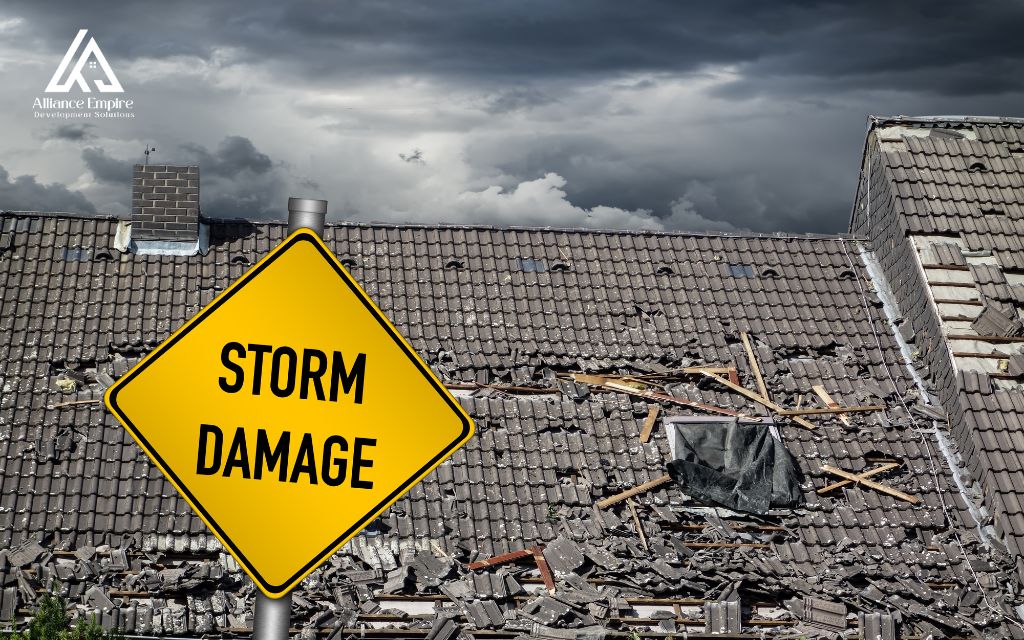
When a hailstorm rolls through Denver, leaving your neighborhood looking like a battlefield of dented cars and battered siding, how do you know what is considered storm damage to roof? Unlike wear and tear that develops over years, storm damage to a roof refers to sudden, event-specific harm from hail, wind, heavy rain, or debris. This can include missing or cracked shingles, visible dents, granule loss, compromised flashing, or active leaks.
Here in Denver, we face unique challenges. Our location in “Hail Alley” means baseball-sized stones can bruise asphalt shingles in minutes. Wind gusts exceeding 39 mph lift shingle edges, and freeze-thaw cycles near the Rockies can turn minor cracks into major failures. Unlike gradual aging, storm damage happens fast and often hides in places you can’t see from the ground.
Professional inspection is critical. While DIY checks might catch obvious damage, trained eyes spot hidden issues that affect insurance claims and prevent costly water intrusion. In this guide, you’ll learn exactly what qualifies as storm damage, how Denver’s climate complicates matters, when to repair versus replace, and how to navigate the insurance process with confidence. Alliance EDS has helped Denver property owners for over 15 years turn storm chaos into secure roofs.
What is considered storm damage to a roof?
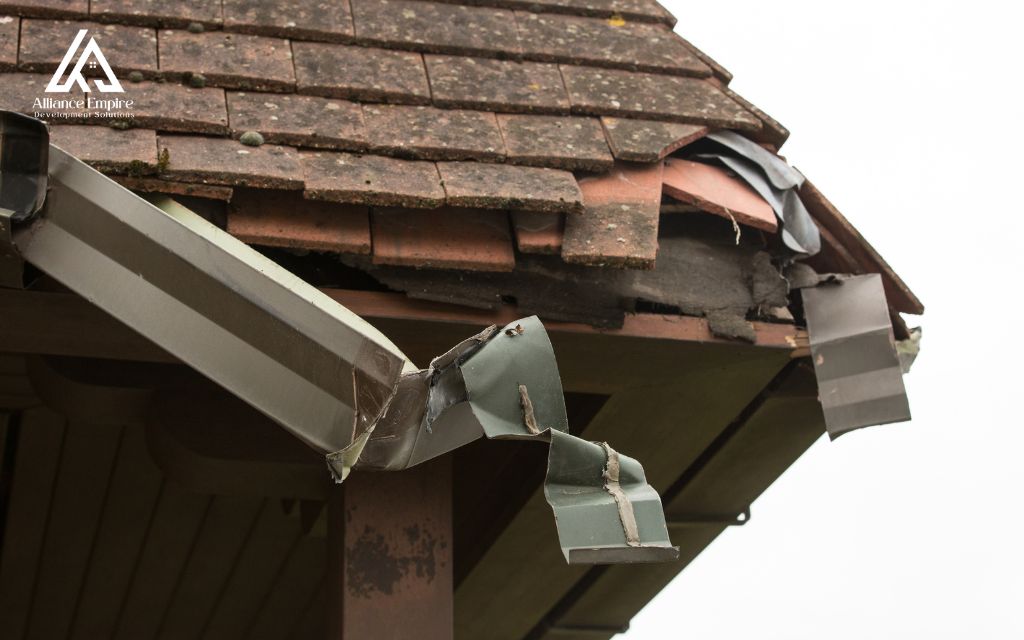
Storm damage to a roof means harm caused by a specific weather event, not gradual deterioration. Insurance companies and roofing professionals distinguish between damage from storms (sudden, accidental) and normal wear (predictable aging). Understanding this difference protects your claim and your property value.
Types of storm damage recognized in Denver
| Damage Type | Cause | Visual Signs | Insurance Coverage |
| Hail Impact | Ice stones 0.75″+ diameter | Random dents, bruised shingles, granule loss in gutters | Typically covered if documented |
| Wind Uplift | Gusts 39+ mph | Missing shingles, lifted seams, torn flashing | Covered for sudden events |
| Water Intrusion | Driven rain through compromised areas | Attic stains, ceiling spots, wall discoloration | Covered if storm-caused |
| Debris Impact | Tree branches, flying objects | Punctures, cracked shingles, damaged vents | Covered with evidence |
| Ice Damming | Snow melt refreezing at eaves | Icicles, gutter damage, interior leaks | May be covered depending on policy |
How Denver’s climate impacts roofing material performance
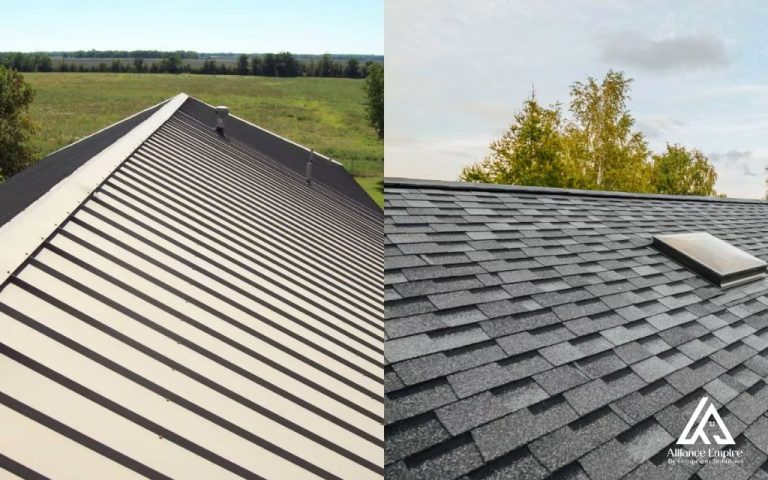
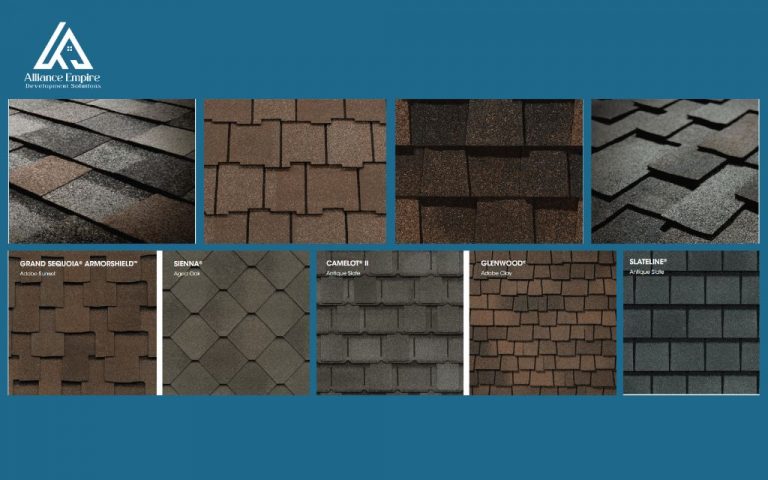
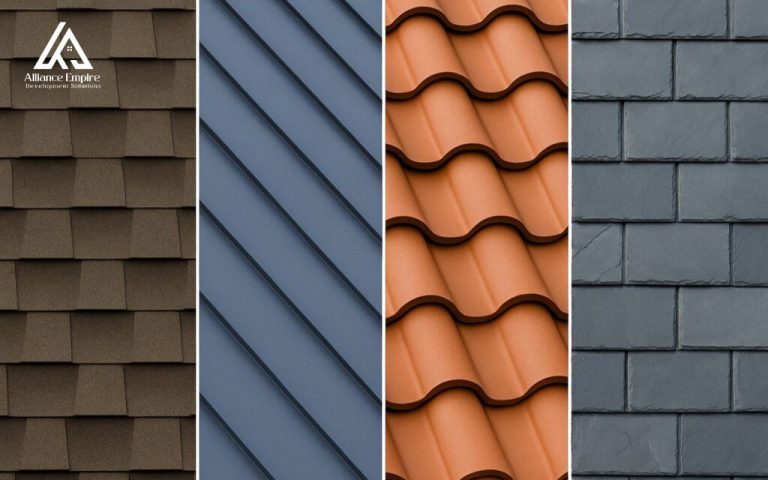
Asphalt shingles remain the most popular residential roofing choice in Denver for good reason. They consist of a fiberglass base mat coated with asphalt and topped with ceramic granules that provide UV protection and waterproofing. Under normal conditions, you can expect 20 to 30 years of reliable performance.
However, not all asphalt shingles are created equal. Class 4 impact-resistant shingles use modified asphalt formulations and reinforced construction that withstand hail up to 2 inches in diameter. Compared to standard shingles, they significantly reduce granule loss and bruising during storms. Better yet, installing Class 4 shingles in Colorado qualifies you for 10% to 25% insurance premium discounts – savings that add up over your roof’s lifetime.
Denver’s environment demands this extra protection. At 5,280 feet elevation, UV exposure hits 30% more intensely than at sea level, fading granules faster. Add Rocky Mountain freeze-thaw cycles that crack lesser materials, and you understand why Alliance EDS, located near S Federal Blvd, exclusively recommends impact-resistant solutions. We’ve spent 15+ years navigating local hail claims and know exactly which materials survive Denver’s harsh climate.
Denver’s unique storm damage challenges
Colorado’s location and geography create roofing conditions unlike anywhere else in the country. Property managers and homeowners near 80219 face a perfect storm of factors that accelerate damage and complicate assessments.
Why Denver roofs take more abuse
- Hail Alley intensity: Denver sits in the nation’s most active hail zone. Storms producing 2.75-inch hailstones aren’t rare; they’re expected. These events dent metal roofs, crack asphalt shingles, damage gutters, and destroy skylights in minutes. A single severe hail storm can affect thousands of properties simultaneously.
- High-altitude UV degradation: At 5,280 feet, UV radiation intensity increases significantly. This fades granules on asphalt shingles faster than in lower elevations, reducing their protective layer and shortening roof lifespan. Granule loss from UV exposure combined with hail damage creates compound problems.
- Freeze-thaw cycles: Winter temperatures near the Rockies swing from below freezing at night to above freezing during the day. Water seeps into minor cracks, freezes, expands, and widens those cracks. This cycle pops nails, separates sealant strips, and turns small issues into emergency roof repair Denver situations.
- Wind patterns: Denver experiences sustained winds and sudden gusts exceeding 39 mph, especially during spring storms. Wind doesn’t just blow shingles off; it creates uplift forces that test every fastener. Once wind lifts shingle edges, water can penetrate underlayment during the next rain.
Impact on property value
Properties with visible storm damage see measurable value drops during appraisals. Buyers request concessions, lenders flag roofing issues, and insurance companies may refuse to renew policies on damaged roofs. Addressing storm damage promptly protects your investment and maintains marketability.
Spotting hail damage versus wind damage
Knowing what to look for helps you communicate effectively with insurance adjusters and roofing professionals. Hail and wind create distinct damage patterns that trained inspectors can identify and document.
Hail damage characteristics on asphalt shingles
- Random pattern: Hail hits don’t follow straight lines. You’ll see bruises scattered across the roof with no predictable spacing
- Soft spots: Press gently on suspected hail hits. Damaged areas feel spongy compared to undamaged shingles
- Granule loss: Check gutters and downspouts for excessive granules (looks like coarse black sand). Fresh granule loss indicates recent impact
- Shiny spots: Where granules are knocked off, the underlying asphalt appears dark and glossy
- Dents on metal: Flashing, vents, gutters, and metal roofs show visible dents matching hailstone size
Wind damage characteristics
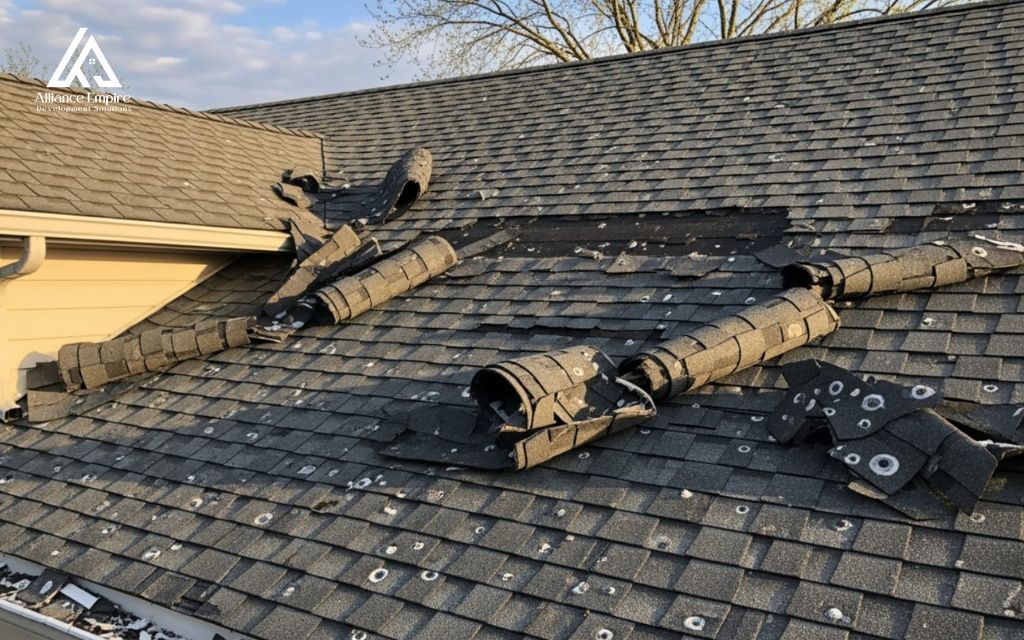
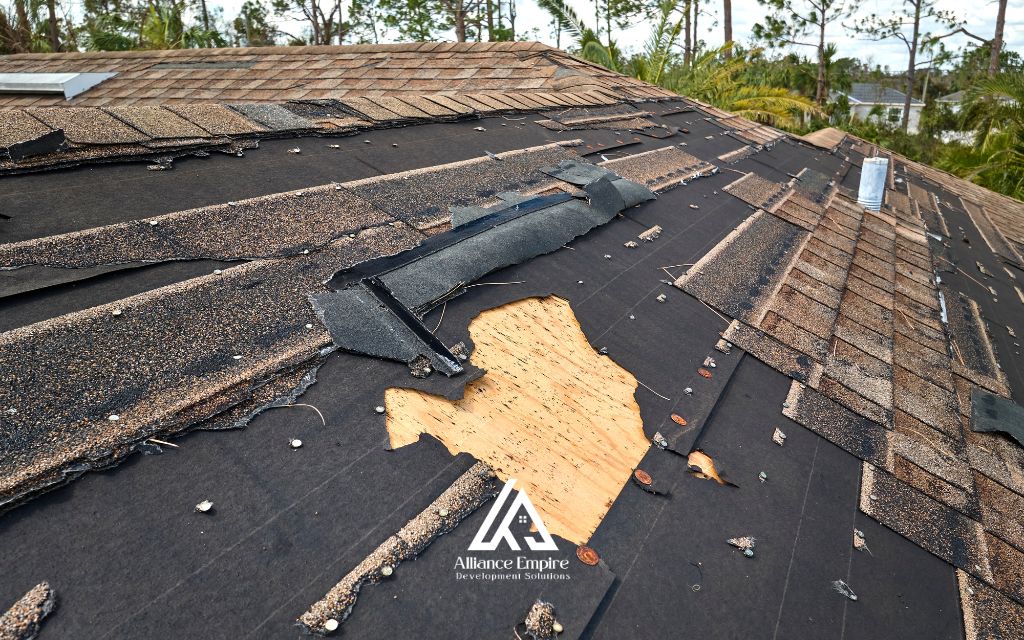
- Missing shingles: Entire shingles torn away, often in rows or sections
- Lifted seams: Shingle edges curled upward, breaking the seal
- Exposed fasteners: Nails visible where shingles have shifted
- Torn flashing: Metal edges around chimneys, vents, and valleys peeled back or missing
- Creased shingles: Fold marks where wind bent shingles before releasing them
Rare indicator: Attic stains signal underlayment failure. Water marks on roof decking, even without active leaks, show previous storm penetration. This hidden damage often appears only during professional inspection using moisture meters.
Why professional inspection beats DIY
Climbing your roof carries serious injury risk. More importantly, untrained eyes miss critical damage. Alliance EDS uses drone technology and infrared cameras to:
- Document damage patterns insurance adjusters trust
- Spot hidden issues like compromised decking
- Measure hailstone impact size and distribution
- Identify wind uplift without walking fragile areas
- Provide reports that support your hail damage inspection near me claims
Schedule a free safety inspection rather than risking falls or missed damage that worsens over time.
Repair versus replacement: Making the right decision
Not all storm damage requires complete roof replacement. Understanding when each option makes sense protects your budget while ensuring long-term protection.
When repair is appropriate
Minor localized damage:
- Less than 50% of roof surface affected
- Damage concentrated in one section
- Roof under 10 years old with good remaining lifespan
- Matching replacement shingles available
Cost range:
Minor repairs typically run $350 to $1,500. Moderate repairs addressing multiple areas range from $1,500 to $6,000. Exact costs depend on square footage, accessibility, and material availability. Contact Alliance EDS for a Virtual Roof Estimate based on your specific situation.
When replacement is necessary
Widespread damage indicators:
- More than 50% of shingles show hail bruising
- Multiple roof planes affected
- Roof approaching 20+ year lifespan
- Previous repairs already made to storm damage
- Underlayment compromised
Cost considerations:
Full asphalt shingle replacement in Denver ranges from $7,000 to $20,000+ depending on home size, pitch complexity, and material choice. Metal roofing costs more upfront but offers superior storm resistance. Alliance EDS provides detailed estimates that account for all factors specific to your property.
Emergency response options
High-conversion action:
Storm damage doesn’t wait. If you notice active leaks or missing shingles after severe weather, emergency tarping prevents water intrusion while you schedule permanent repairs. Alliance EDS offers emergency roof repair Denver services to protect your home immediately.
Insurance timeline:
Most policies require damage reporting within one year of the storm event. Schedule professional inspection within weeks of suspected damage to document conditions accurately and maintain claim eligibility.
Navigating insurance claims for storm damage
Filing a successful insurance claim for roof storm damage requires understanding the process, documentation standards, and common pitfalls.
What insurance covers
Sudden event damage:
Policies typically cover damage from identifiable weather events (hail storms, windstorms, tornadoes) documented by local weather reports. Keep track of dates when severe weather occurs in your area.
What’s excluded:
Gradual deterioration, pre-existing damage, and deferred maintenance fall outside standard coverage. This is why distinguishing storm damage from wear matters. Insurance adjusters look for evidence of sudden impact.
Documentation best practices
- Take photos immediately: Capture wide shots showing overall roof condition and close-ups of specific damage. Include photos of gutters with granule accumulation and any dented metal components
- Note the storm date: Reference weather reports from NOAA or local news confirming hail size and wind speeds
- Avoid repairs before inspection: Making changes before your adjuster or roofing professional assesses damage can invalidate claims
- Get professional assessment: A detailed inspection report from Alliance EDS provides third-party documentation adjusters respect
How Class 4 shingles affect claims and premiums
Semantic keyword integration:
Installing Class 4 impact-resistant shingles during replacement lowers future insurance premiums by 10% to 25% in Colorado. These shingles also reduce the likelihood of filing future claims after hail storms, protecting your claims history.
Insurance companies recognize that Class 4 materials withstand Denver hail storm 2025 events and future storms better than standard shingles. The upfront cost difference gets offset by premium savings over the roof’s lifespan.
Working with adjusters: Why professionals help:
Alliance EDS has worked with every major insurance company operating in Denver. We understand what adjusters need to approve claims, how to document damage properly, and when to request re-inspection if initial assessments undervalue damage.
Our team handles adjuster meetings, provides detailed estimates with line-item breakdowns, and advocates for complete repairs rather than partial patches. This support significantly improves approval rates and claim amounts.
FAQs about what is considered storm damage to roof
What does hail damage look like on asphalt shingles in Denver?
Hail damage on asphalt shingles appears as random bruises or divots where granules are knocked loose, exposing the dark asphalt underneath. You’ll also see soft spots when pressing damaged areas, cracks in severe cases, and excessive granule accumulation in gutters. Alliance EDS provides free inspections to identify damage you might miss from ground level.
How much does storm roof repair cost in Colorado?
Storm roof repair costs vary widely based on damage extent and roof size. Minor repairs addressing a few damaged shingles range from $350 to $1,500. Moderate repairs covering larger sections run $1,500 to $6,000. Complete replacement for extensive damage ranges from $7,000 to $20,000+ for asphalt shingles. Contact Alliance EDS at (720) 207-4646 for an accurate Virtual Roof Estimate based on your specific property.
When should I replace my roof after a hail storm in Denver?
Replace your roof after a hail storm if more than 50% of shingles show bruising or damage, if your roof is already 15+ years old, or if underlayment is compromised. An Alliance EDS professional inspection determines whether repair or replacement makes financial sense for your situation and helps maximize insurance claim value.
Does insurance cover storm damage to roofs near me?
Yes, homeowners insurance typically covers sudden storm damage to roofs including hail, wind, and debris impact. Coverage excludes gradual wear and tear or pre-existing conditions. Document damage promptly and schedule a professional inspection from Alliance EDS to support your claim with detailed reports adjusters trust.
Are Class 4 shingles worth it for Colorado hail protection?
Absolutely. Class 4 impact-resistant shingles withstand Denver’s frequent hail storms better than standard shingles, reducing future damage and claims. They qualify you for 10% to 25% insurance premium discounts in Colorado, offsetting the slightly higher installation cost over time. Alliance EDS specializes in Class 4 installations that protect your investment and lower insurance costs.
5 Reasons to Choose Alliance Empire Development Solutions
- 15+ Years Serving Denver: We’ve weathered every major storm that’s hit the Front Range, from the 2017 hail events to the Denver hail storm 2025, giving us unmatched experience with local roofing challenges and insurance processes
- Honest Guidance Over Sales Pressure: Unlike storm chasers who disappear after taking deposits, we provide transparent assessments and only recommend repairs or replacements you actually need, building relationships that last beyond one project
- Local Denver Expertise: Based at 1427 S Federal Blvd in the heart of 80219, we understand Rocky Mountain freeze-thaw cycles, high-altitude UV exposure, and the specific building codes that govern Denver metro roofing installations
- Storm Damage Specialists: We’ve navigated thousands of hail damage property value impact situations and file roof storm claim Colorado processes, maximizing approvals while minimizing your stress during an already difficult time
- Virtual Estimate Capability: Get an accurate preliminary assessment without scheduling conflicts through our innovative Virtual Roof Estimate technology, then schedule in-person inspection when convenient for detailed evaluation
Conclusion
Understanding what is considered storm damage to a roof empowers you to protect your Denver property, navigate insurance claims successfully, and make informed repair versus replacement decisions. Storm damage means sudden harm from identifiable weather events like hail, wind, or debris impact, distinct from gradual wear that develops over years.
Denver’s position in Hail Alley, combined with freeze-thaw cycles and high-altitude UV exposure, creates roofing challenges that demand professional assessment. Missing the signs of storm damage leads to worsening problems, denied insurance claims, and decreased property values. Whether you’re dealing with asphalt shingles hail damage, metal roof storm resistance Denver questions, or flat roof water pooling after severe weather, prompt professional inspection makes the difference between minor repairs and major expenses.
Don’t climb your roof or delay action. Contact Alliance EDS today for a free, comprehensive storm damage inspection. Our experienced team will document damage, guide you through insurance claims, and provide honest recommendations tailored to your specific situation and budget.
Alliance Empire Development Solutions (Alliance EDS)
1427 S Federal Blvd, Denver CO 80219
(720) 207-4646 – Call Us (Available for Emergency Repair)
[email protected]
allianceeds.com
Protect your home, preserve your property value, and gain peace of mind with Denver’s trusted roofing partner.