Have you noticed your flat roof pooling water after Denver’s spring snowmelt, or spotted dimples from last season’s hail storm? You’re not alone. Colorado property owners face unique roofing challenges that demand more than standard asphalt solutions. PVC roofing has emerged as a proven answer for our extreme Front Range climate.
PVC roofing is a flexible, synthetic single-ply membrane that excels in Denver’s punishing weather conditions. This thermoplastic material resists hail up to 2 inches in diameter, withstands heavy snow loads, and reflects intense high-altitude UV rays. Unlike traditional asphalt systems, PVC offers 20 to 35 year lifespans with minimal maintenance, making it ideal for flat and low-slope roofs on homes and commercial buildings.
This guide explains what is PVC roofing, how it performs in Colorado’s challenging environment, and why professional installation protects your investment far better than DIY attempts. You’ll learn the specific benefits for Denver homeowners, realistic cost factors, and how to make informed decisions about your roofing project.
What is PVC roofing?
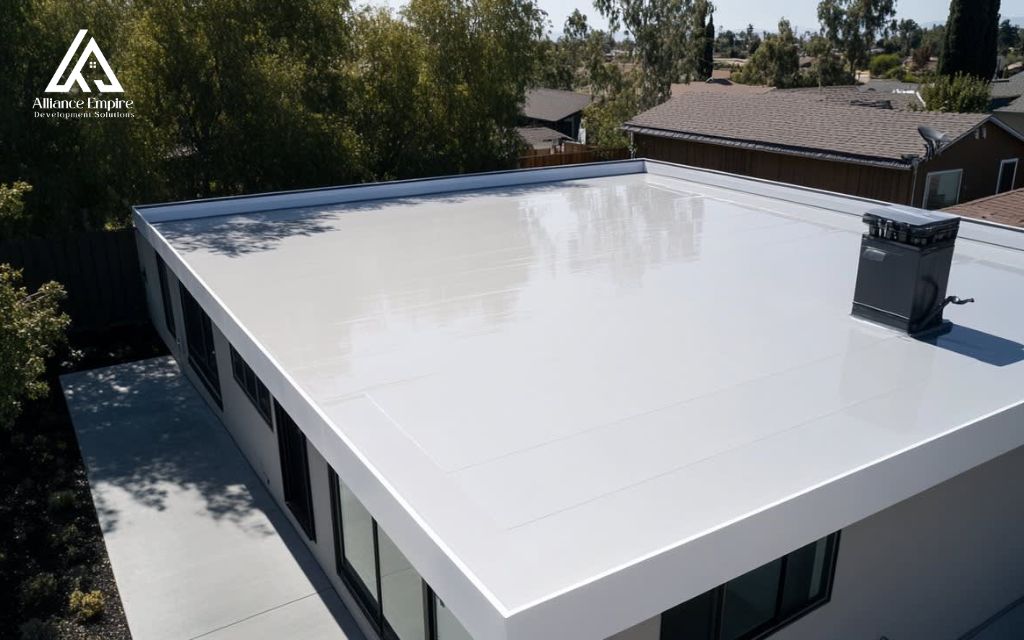
PVC roofing is a waterproof membrane made from polyvinyl chloride sheets that are heat-welded together to create seamless protection for flat and low-slope roofs. This single-ply roofing system consists of two layers: a top weathering layer reinforced with polyester or fiberglass, and a bottom ply that bonds to your roof deck. The material is extruded into flexible sheets, typically available in white or light gray colors that reflect solar heat.
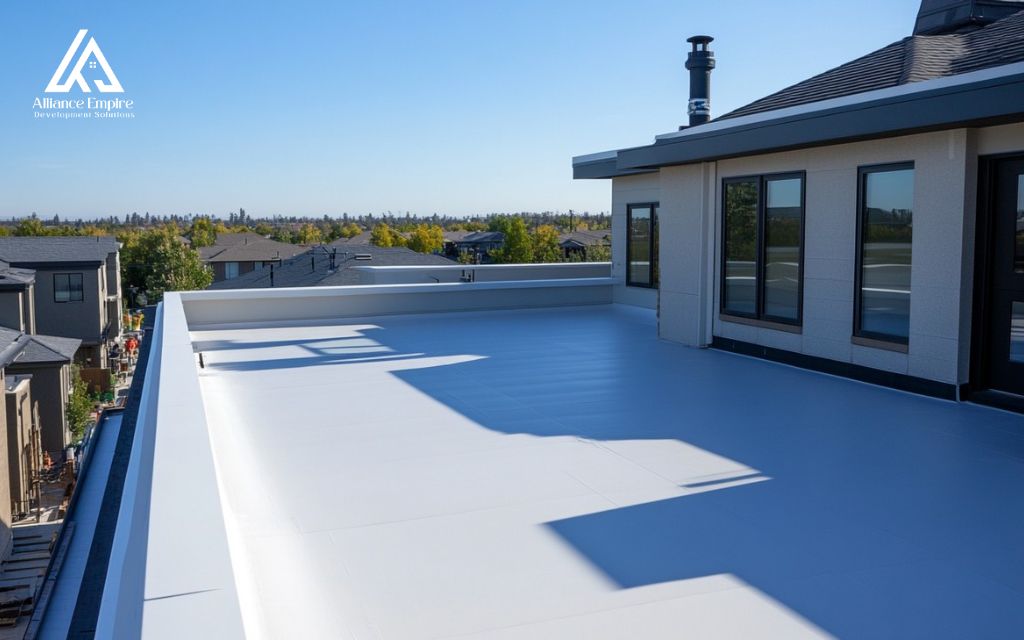
Materials overview
PVC roofing systems include several key components that work together:
| Component | Function | Denver Advantage |
| PVC membrane sheets | Primary waterproof barrier | Reflects up to 82% solar reflectance, reducing cooling costs |
| Reinforcing scrim | Adds tensile strength | Prevents tearing during 60+ mph Front Range winds |
| Plasticizers | Maintain flexibility | Stays pliable during freeze-thaw cycles down to negative 20°F |
| UV stabilizers | Resist sun damage | Essential at 5,280 feet elevation with 300+ sunny days annually |
How PVC compares to other materials:
- PVC vs. TPO roofing: Both are single-ply membranes, but PVC offers superior chemical resistance and stronger seam strength through hot-air welding. PVC typically costs $1 to 2 more per square foot but lasts 5 to 10 years longer in Denver’s harsh conditions.
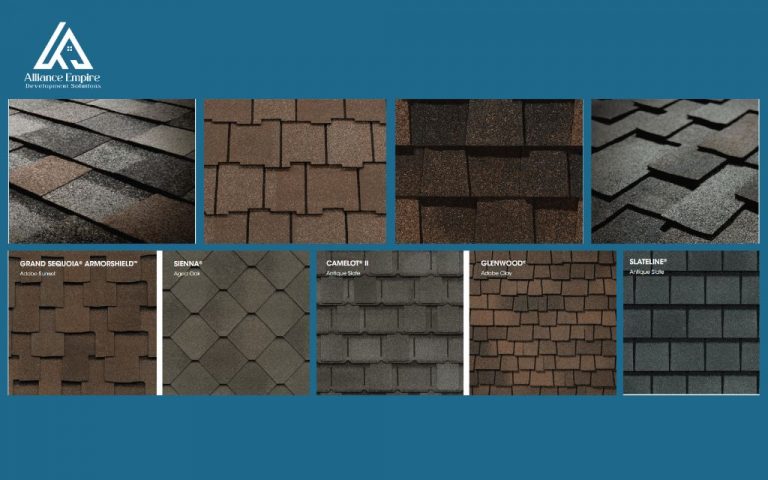
- PVC vs. asphalt shingles: Asphalt shingles aren’t designed for flat roofs. PVC handles ponding water that would destroy asphalt, making it the right choice for low-slope residential additions, garages, and patios.
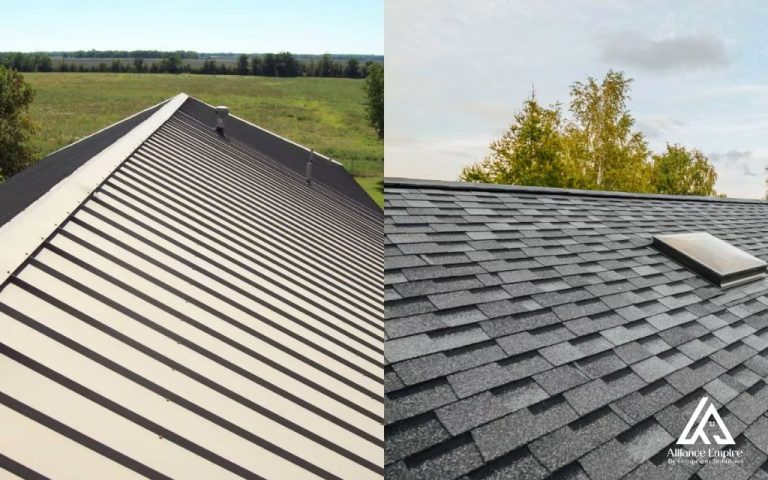
- PVC vs. metal roofing: While metal roofs perform well on steep slopes, PVC excels on flat surfaces where metal panels would require extensive seaming and leak-prone fasteners.
One rare advantage of PVC roofing is its exceptional resistance to ponding water. Even when drainage isn’t perfect, PVC membranes can sit in standing water for extended periods without degrading. This matters in Denver, where rapid spring snowmelt can overwhelm gutters and create temporary pooling.
Professional installation ensures proper heat-welding of seams, creating watertight bonds that are actually stronger than the membrane itself. This seamless construction is what makes PVC superior to mechanically fastened or adhesive-based systems.
PVC roofing benefits in Denver
Denver’s unique climate demands roofing materials that can handle extreme weather swings, intense sun exposure, and frequent hail storms. PVC roofing addresses these Colorado-specific challenges better than most alternatives.
Colorado weather challenges
Hail resistance that matters:
Denver sits in “Hail Alley,” averaging 7 to 9 hail events per year. PVC roofing’s impact resistance comes from its flexible polymer composition. When hailstones strike, the membrane absorbs and disperses energy rather than cracking like rigid materials.
- Thicker PVC membranes (60 to 80 mil) meet Class 4 impact resistance ratings
- Withstands hail stones up to 2 inches in diameter
- Reduces insurance claims and potential premium increases
UV exposure at high altitude:
At 5,280 feet elevation, Denver receives significantly more UV radiation than coastal cities. Standard roofing materials deteriorate faster under this constant bombardment.
PVC roofing contains built-in UV stabilizers that prevent:
- Chalking and discoloration
- Brittleness and cracking
- Premature aging of the membrane
The white or light gray surface reflects rather than absorbs solar energy, keeping rooftop temperatures 50 degrees cooler than dark asphalt surfaces. This reduces your air conditioning costs by 10 to 20% during Denver’s hot summers.
Energy efficiency advantages
| Benefit | Impact | Annual Savings |
| Solar reflectance (up to 82%) | Cooler interior temperatures | $200-500 on AC costs |
| Reduced heat island effect | Lower neighborhood temps | Meets Denver energy codes |
| Insulation compatibility | Works with added R-value | $300-600 on heating costs |
Freeze-thaw performance:
Colorado’s daily temperature swings create brutal freeze-thaw cycles. Water expands when frozen, creating pressure that cracks rigid roofing materials. PVC’s flexible polymers accommodate this expansion and contraction without damage.
This flexibility is unique to PVC’s thermoplastic nature. The material maintains pliability even at negative temperatures, preventing the brittleness that destroys other roof membranes during winter months.
Snow load management:
Denver receives an average of 60 inches of snow annually. Heavy, wet spring snow can weigh 20 pounds per square foot or more. PVC roofing integrates seamlessly with proper drainage systems and gutters to handle snowmelt without leaking.
The smooth membrane surface allows snow to slide off more easily than textured materials, reducing dangerous ice dam formation.
Meeting Denver’s building codes is another unique advantage. The city requires cool roof systems on many commercial buildings and encourages them for residential construction. PVC’s reflective properties automatically satisfy these energy efficiency requirements without additional treatments or coatings.
Residential PVC roofing pros and cons
Understanding both the advantages and limitations of PVC roofing helps Denver homeowners make confident decisions for their specific properties.
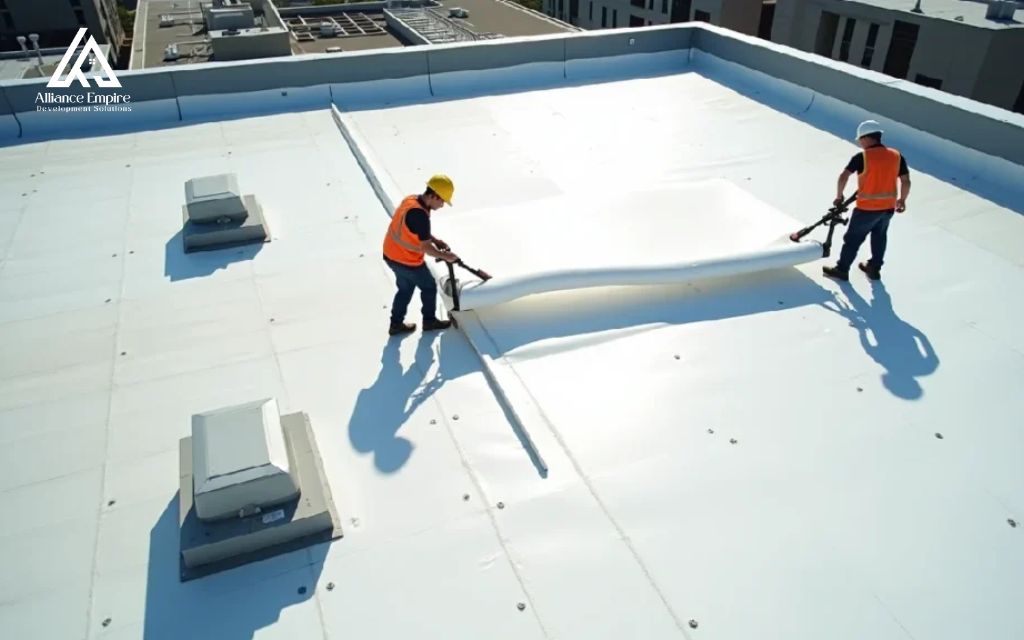
Homeowner considerations
Advantages for residential applications:
- Affordability: Installed costs range from $8 to 12 per square foot, competitive with quality asphalt systems but with double the lifespan
- Lightweight design: At 0.48 to 0.73 pounds per square foot, PVC won’t stress older roof structures during retrofits
- Quiet performance: Unlike metal roofing, PVC dampens hail impact noise, keeping your home peaceful during storms
- Fungus resistance: Colorado’s humid spring conditions promote algae and mold growth on many roofing materials, but PVC’s chemical composition resists biological growth
Limitations to consider:
- Color options: Limited to white, gray, and tan, which may not match every architectural style
- Puncture vulnerability: Sharp objects can damage the membrane, though this rarely occurs with proper installation
- Professional installation required: DIY installation voids warranties and risks improper seam welding
The danger of DIY approaches
Many Denver homeowners attempt roof repairs themselves after hail storms, hoping to save money. This creates several serious risks:
| DIY Risk | Consequence | Professional Solution |
| Improper seam welding | Leaks within 1-2 years | Heat-welded seams stronger than membrane |
| Hidden storm damage missed | Insurance claim denied | Trained inspection identifies all damage |
| Safety hazards on flat roofs | Falls, injuries | Licensed crews with proper equipment |
| Voided manufacturer warranties | No coverage for failures | Certified installation maintains warranties |
Alliance EDS provides professional inspections that identify storm damage you might miss from ground level. Small hail dents may seem minor, but they compromise membrane integrity and lead to leaks during the next heavy rain. Our team documents all damage for insurance claims, ensuring you receive the coverage you deserve.
Repair vs. replacement decisions
When repair makes sense:
Emergency repairs cost $500 to 2,000 and address localized damage such as:
- Small punctures from fallen branches
- Isolated seam failures
- Flashing separations around vents or skylights
Repairs work best when the existing PVC membrane is less than 10 years old and the damage covers less than 20% of the roof surface.
When replacement is necessary:
Full replacement becomes cost-effective when:
- The roof is 15+ years old with multiple problem areas
- Hail damage covers more than 30% of the surface
- The underlying insulation is wet or damaged
- You’re planning to sell and need to boost property value
Replacement timelines in Denver typically run 1 to 3 days for residential projects, depending on size and weather. Acting quickly after hail storms prevents secondary water damage and maintains your insurance coverage. Many policies require repairs within specific timeframes, or they may reduce claim payouts.
Professional assessment ensures you make the right choice. Alliance EDS provides honest guidance about whether roof repair or roof replacement offers better long-term value for your specific situation.
Costs and installation timelines
Understanding realistic budget expectations helps Denver property owners plan roofing projects without surprises. PVC roofing costs vary significantly based on property-specific factors.
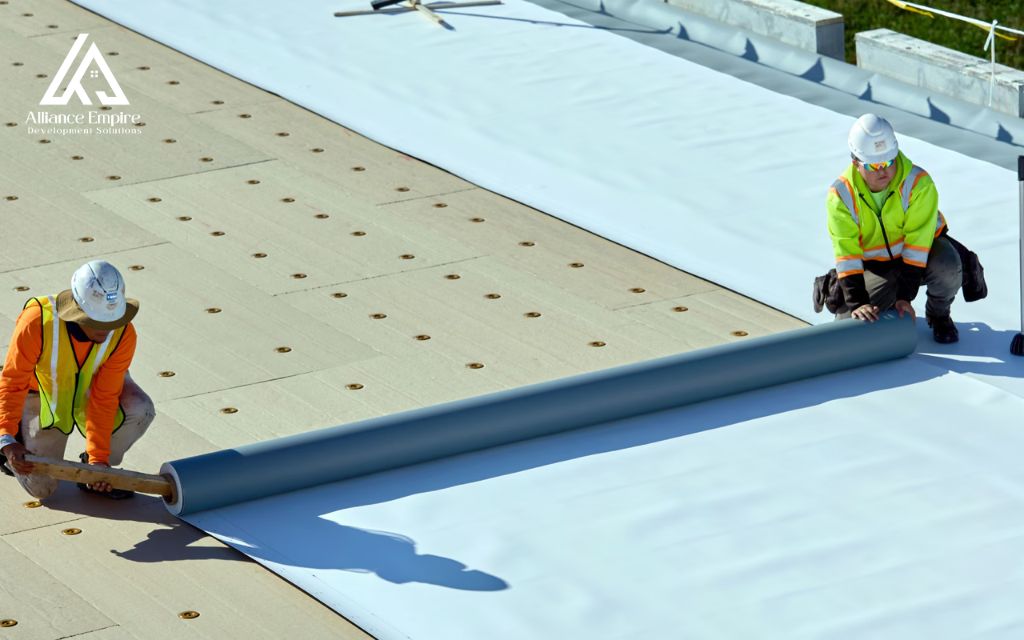
Denver pricing factors
For a typical 2,000 square foot flat or low-slope residential roof, total project costs in the Denver metro area range from $10,000 to 30,000. This wide range reflects several variables:
| Cost Factor | Impact on Price | Denver Consideration |
| Membrane thickness | 45 mil vs. 80 mil adds $2-4/sq ft | Thicker = better hail protection |
| Existing roof removal | $1-3/sq ft for tear-off | Required if multiple layers present |
| Insulation upgrades | $2-5/sq ft for added R-value | Energy codes may require upgrades |
| Slope and accessibility | Steep or hard-to-reach adds 15-25% | Denver’s hillside properties cost more |
| Permits and inspections | $200-800 | Required by Denver building codes |
Colorado labor costs:
Professional installation labor in Denver averages $5 to 7 per square foot, slightly higher than national averages due to our specialized climate requirements. Contractors experienced with Colorado’s weather patterns charge premium rates, but their expertise prevents costly mistakes.
Hail damage impact on costs:
Properties with recent hail damage face 20% higher costs due to:
- Additional tear-off of damaged materials
- Structural deck repairs beneath compromised membranes
- Insurance deductibles (typically $1,000 to 5,000)
Professional assessment ensures insurance claims cover all eligible damage. Alliance EDS works directly with insurance adjusters, providing detailed documentation that maximizes your claim value.
Installation timeline expectations
PVC roofing installation moves faster than multi-ply systems, but several steps affect your total project timeline:
Pre-installation phase (1-2 weeks):
- Initial inspection and estimate
- Insurance claim processing if applicable
- Denver building permit approval
- Material ordering and delivery
Installation phase (1-3 days for most homes):
- Tear-off of existing roof (if needed)
- Deck inspection and repairs
- Insulation installation
- PVC membrane installation
- Flashing and edge detail completion
- Final inspection
Weather considerations:
Denver’s unpredictable weather affects scheduling. PVC installation requires temperatures above 40°F and dry conditions. Spring and fall offer the most reliable installation windows, though experienced contractors work year-round during weather breaks.
Winter installations take longer due to shortened work days and weather delays. Summer’s afternoon thunderstorms can interrupt work, adding 1 to 2 days to projects.
Choosing Alliance EDS means working with a local team that understands Denver’s weather patterns. We schedule realistically and communicate proactively about any weather-related delays, ensuring your project finishes right rather than fast.
The investment in professional PVC roofing installation pays dividends through decades of reliable performance. Contact Alliance EDS for a virtual roof estimate that accounts for your property’s specific conditions and provides accurate budget planning.
FAQs about what is pvc roofing
How durable is PVC roofing in Denver hail storms?
PVC roofing offers excellent hail resistance when properly installed with adequate thickness. Membranes rated 60 mil or thicker meet Class 4 impact resistance standards, withstanding hail stones up to 2 inches in diameter. Denver experiences 7 to 9 hail events annually, and PVC’s flexible polymer construction absorbs impact energy rather than cracking like rigid materials. Alliance EDS installs only high-grade PVC systems designed specifically for Colorado’s Hail Alley conditions, and we provide thorough post-storm inspections to document any damage for insurance claims.
PVC roofing vs. TPO for Colorado flat roofs?
Both PVC and TPO are single-ply membranes, but PVC outperforms TPO in several ways critical to Colorado. PVC offers superior chemical resistance, stronger heat-welded seams, and better long-term flexibility during freeze-thaw cycles. While TPO costs slightly less upfront, PVC typically lasts 5 to 10 years longer in Denver’s harsh UV environment and extreme temperature swings. For properties facing regular hail exposure or those near areas with potential chemical exposure, PVC provides better protection. Alliance EDS evaluates your specific property conditions to recommend the membrane that delivers the best long-term value.
Cost of PVC roof replacement in Denver CO?
PVC roof replacement costs depend on your roof’s size, current condition, accessibility, and specific project requirements. Factors affecting your total investment include membrane thickness (thicker provides better hail protection), insulation upgrades to meet energy codes, tear-off of existing materials, and structural repairs if storm damage has compromised the deck. Denver building permits and professional installation labor also contribute to final costs. Alliance EDS provides accurate, transparent estimates through our Virtual Roof Estimate service. We assess your property remotely or in person, then deliver detailed pricing that accounts for all project variables specific to your home.
Does PVC roofing qualify for hail insurance discounts?
Yes, installing Class 4 impact-resistant PVC roofing can reduce your homeowners insurance premiums by 20 to 30% in many cases. Insurance companies recognize that thicker PVC membranes (60-80 mil) significantly reduce hail damage claims, which are extremely common in Denver’s Hail Alley location. To qualify for discounts, you’ll need documentation proving your roof meets Class 4 standards and is professionally installed. Alliance EDS provides all necessary certification paperwork and works directly with insurance providers to ensure you receive applicable discounts. We also help process claims when storm damage does occur, maximizing your coverage benefits.
Best PVC roofing brands for high-altitude UV exposure?
Top-performing PVC roofing brands for Denver’s intense UV conditions include GAF EverGuard, CertainTeed Flintlastic, and Firestone UltraPly. These manufacturers formulate their membranes with enhanced UV stabilizers specifically designed for high-altitude applications. At 5,280 feet elevation with 300+ sunny days annually, Denver receives significantly more UV radiation than coastal areas, making UV resistance critical for long-term performance. Alliance EDS partners with these premium manufacturers because their products consistently deliver 25+ year lifespans in Colorado’s challenging environment. Our 15+ years of local experience guides us toward brands that perform rather than those that simply cost less.
5 Reasons to choose Alliance Empire Development Solutions
- 15+ years of Denver roofing experience: We understand Colorado’s unique weather challenges and have successfully installed hundreds of PVC roofing systems across the Front Range, from Lakewood to Arvada.
- Honest guidance, not sales pressure: Unlike storm chasers who disappear after one season, we provide truthful assessments about whether you need repair or replacement, prioritizing your long-term interests over quick profits.
- Local expertise you can trust: Our team lives and works in Denver (80219), responding quickly to emergency repairs and understanding local building codes, insurance requirements, and weather patterns.
- Storm damage specialists: We document hail and wind damage thoroughly for insurance claims, work directly with adjusters, and ensure you receive the full coverage you deserve without the hassle.
- Virtual estimate capability: Get an accurate roofing assessment without climbing ladders or waiting weeks for appointments. Our Virtual Roof Estimate technology provides professional evaluations safely and conveniently.
Conclusion
PVC roofing delivers unmatched durability for Denver’s brutal weather conditions, protecting your property investment through decades of hail storms, heavy snow, intense UV exposure, and extreme temperature swings. The seamless, heat-welded membrane construction provides superior waterproofing compared to traditional materials, while the reflective surface reduces your energy costs year-round. Whether you’re dealing with storm damage, planning a roof replacement, or simply exploring options for a flat roof addition, PVC offers proven performance backed by 20 to 35 year warranties.
Prioritize safety and property value by avoiding DIY risks. Professional installation ensures proper seam welding, code compliance, and manufacturer warranty protection. Your roof is your home’s primary defense against Colorado’s challenging climate. Trust it to experienced local professionals who will be here long after the job is complete.
Choose Alliance EDS today for reliable PVC roofing solutions backed by honest guidance and proven expertise. Contact us for a free inspection and discover why Denver property owners have trusted us for over 15 years.