
Denver residential construction services | Build, remodel & design-build
Whether you’re building a new home, remodeling a kitchen, or planning an addition, choosing the right residential construction partner matters. The decisions you make at the start of a project will shape the outcome long after the last nail is driven.
Residential construction services cover a wide range of work, from new home construction and large-scale remodeling to structural repairs and design-build projects. If you’re a homeowner or property owner trying to figure out where to start, this guide is written for you.
We’ll walk through the types of services available, what projects typically cost, how to choose a trustworthy contractor, and what sets Alliance EDS apart.
What are residential construction services?
Residential construction services refer to the professional work involved in building, renovating, remodeling, or repairing homes and other residential properties. These services span the entire lifecycle of a home.
A residential construction company may handle a single phase of a project, such as framing or roofing, or manage the entire process from concept to completion through what’s known as a design-build approach. The scope of services depends on the type of project, the contractor’s specialties, and the homeowner’s specific needs.
Types of residential construction
Not all residential construction projects are the same. Understanding the different project types helps you identify what kind of contractor and budget you’ll need.
- Duplexes and triplexes
- Apartment buildings
- Condominium complexes
- Custom floor plans developed in collaboration with an architect or designer
- Luxury or specialty finishes chosen by the homeowner
- Specialized architectural features such as vaulted ceilings, built-ins, or unique structural elements
Difference between residential and commercial construction
Homeowners sometimes wonder whether a contractor who builds commercial properties can also handle their home project, or vice versa. While there is some overlap in skills, residential and commercial construction are meaningfully different in scope, regulation, and purpose.
Residential Construction
- Homes and living spaces
- Smaller-scale projects
- Consumer-focused goals
- Simpler building codes
Commercial Construction
- Offices, retail, and industrial facilities
- Larger and more complex builds
- Business-focused requirements
- Stricter compliance and inspections
Residential Project Gallery
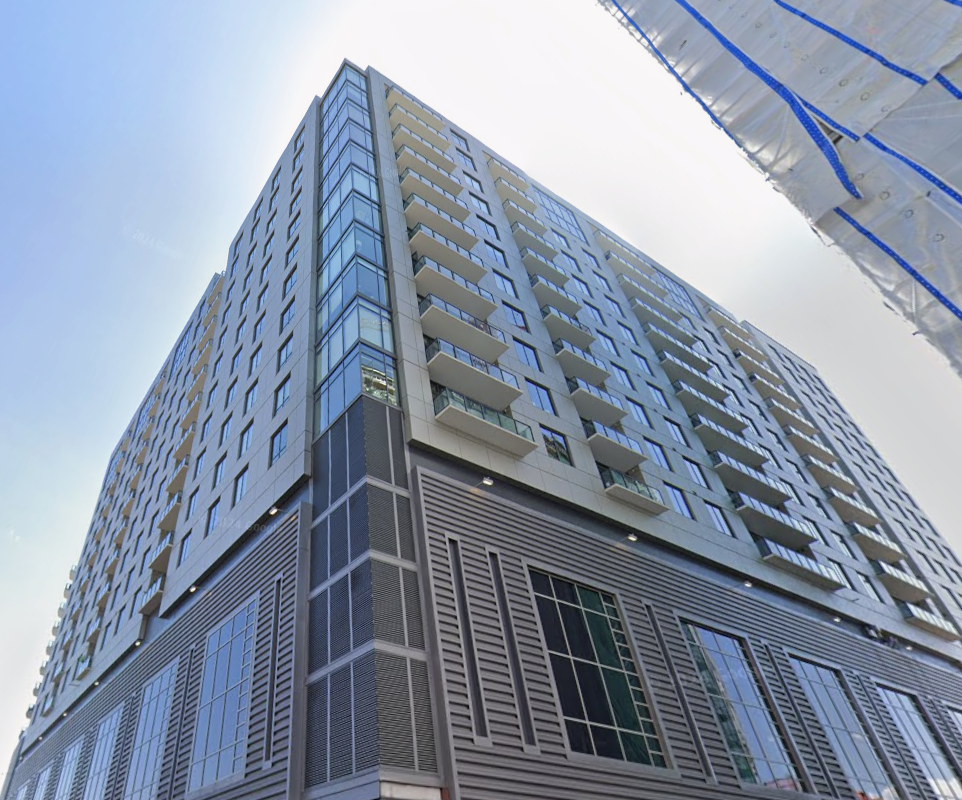
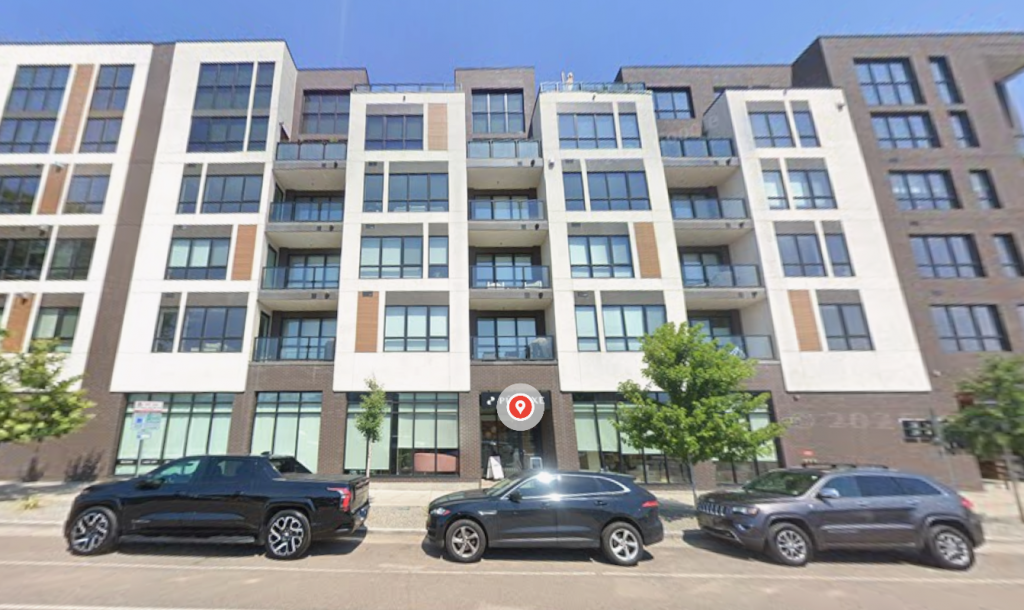
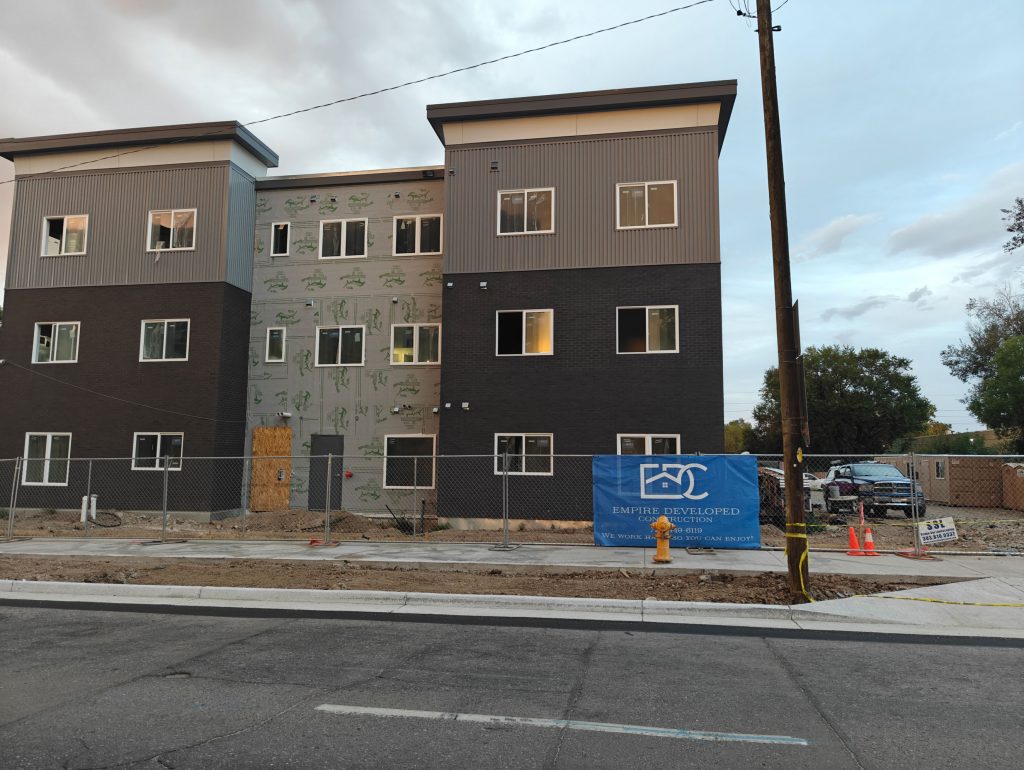
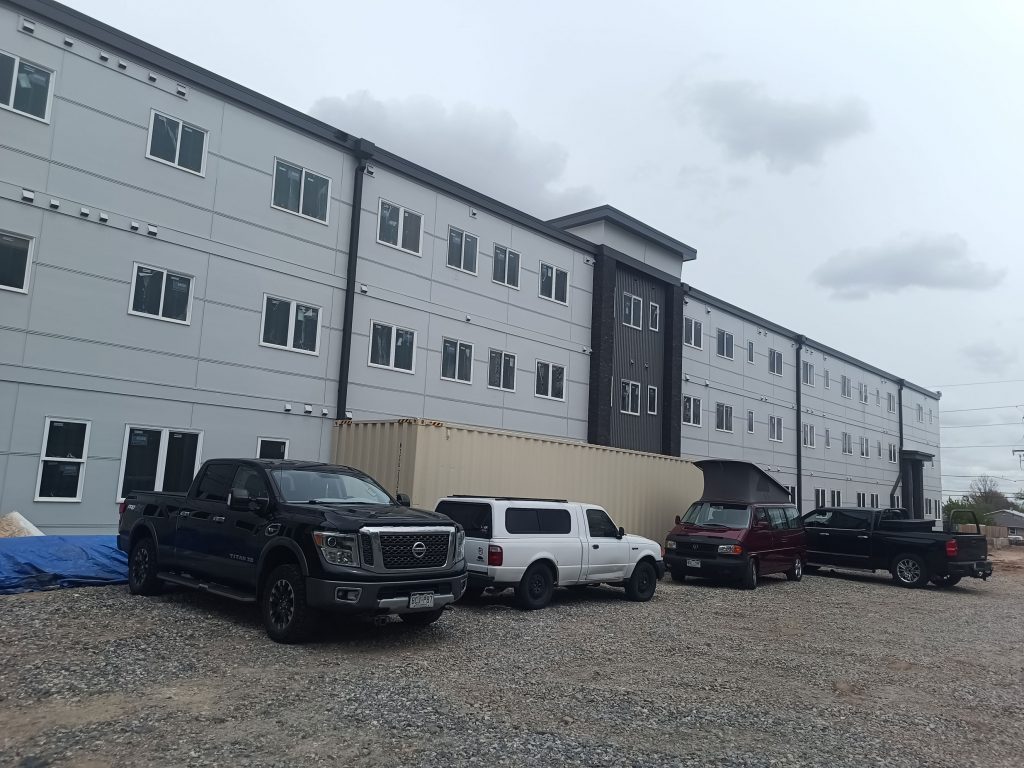
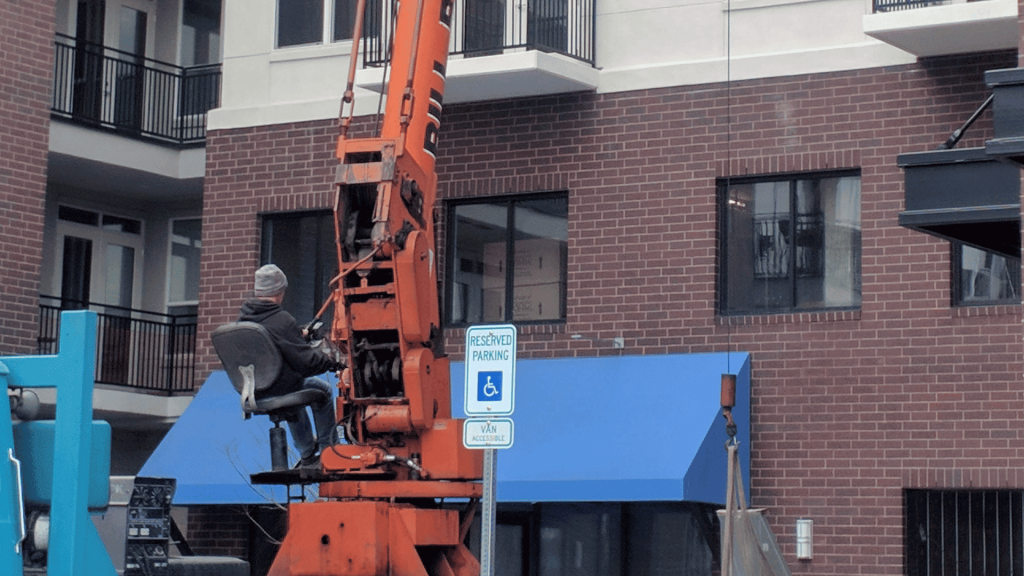
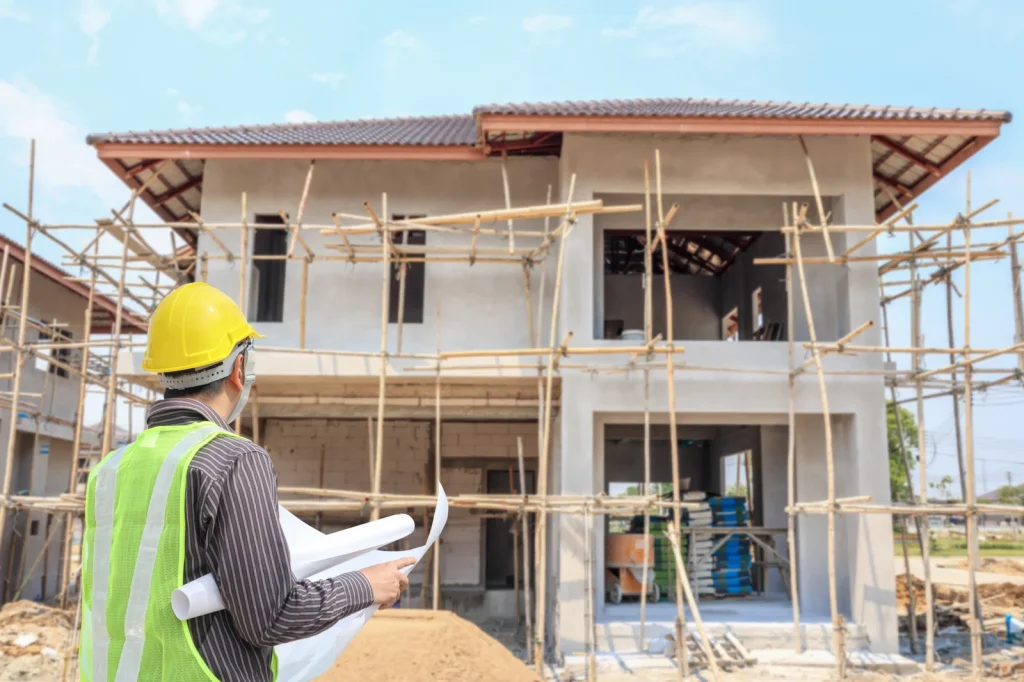
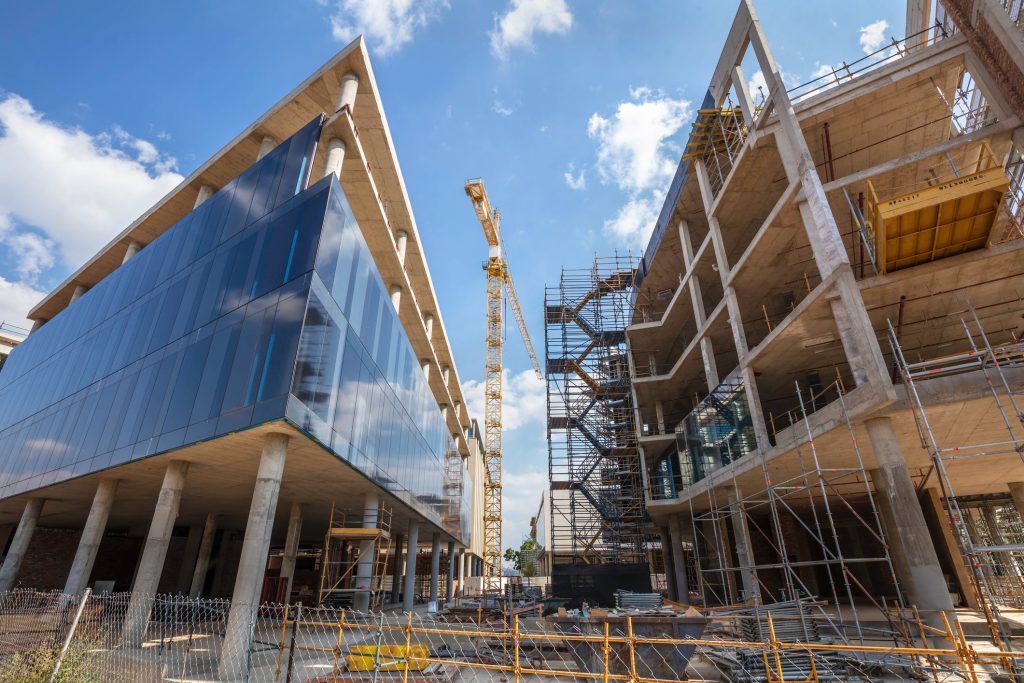
Explore our completed residential projects, showcasing quality craftsmanship and comfortable living spaces.
Types of building materials used in residential construction
Material selection affects everything from construction cost and energy efficiency to long-term maintenance requirements. Here is a breakdown of the most common building materials used in residential construction today.
Wood
Wood is the most widely used framing material in residential construction. It is affordable, widely available, easy to work with, and versatile enough to support a broad range of architectural styles. Dimensional lumber is used for wall framing, floor joists, and roof structures in the majority of single-family homes.
Concrete
Concrete is prized for its strength, durability, and resistance to moisture. It is the standard material for residential foundations, footings, basement walls, and slabs. In some regions and designs, concrete is also used for above-grade walls and structural elements.
Steel
Steel is used for structural reinforcement and in modern framing systems where additional strength or long spans are required. Light-gauge steel framing is growing in popularity for its precision, resistance to termites and rot, and fire-resistant properties.
Brick and masonry
Brick and masonry materials are long-lasting and highly weather-resistant, making them popular in regions with extreme temperature swings or high moisture. They are commonly used for exterior facades, fireplaces, retaining walls, and decorative features.
Drywall and interior finishes
Drywall is the standard material for interior walls and ceilings in residential construction. It is cost-effective, fire-resistant to a degree, and easy to finish and paint. Other interior finish materials include trim, molding, flooring, cabinetry, and tile.
Roofing materials
Roofing material selection depends on climate, budget, and aesthetic preference. Common options include:
- Asphalt shingles: The most affordable and widely installed residential roofing material.
- Metal roofing: More durable and energy-efficient, with a longer lifespan than asphalt
- Tile roofing: Popular in warm climates for its longevity and distinctive appearance
Factors to consider for residential construction
Before you hire a contractor or break ground, it’s worth thinking through the key factors that will shape your project’s outcome. Getting clarity on these early can prevent costly surprises later.
01
Budget and financing
Define realistic project costs before you start. That means not just the construction cost, but also permits, design fees, contingency reserves (typically 10 to 15% of the project budget), and financing costs if you’re taking a loan. Going in with a clear number helps your contractor give you accurate estimates and avoid scope creep.
02
Design and functionality
Balance aesthetics with practical living needs. A beautiful open floor plan may not work well for a growing family. Think about traffic flow, storage, natural light, and how the space will actually be used day to day before finalizing any design decisions.
03
Timeline expectations
Understand that permitting and construction schedules rarely go perfectly. A realistic timeline accounts for permit review periods, material lead times, weather delays, and inspection scheduling. Ask your contractor for a detailed project schedule and discuss what factors could cause delays.
04
Materials and durability
Choose materials suited to your local climate and long-term maintenance expectations. A material that performs well in a dry climate may not hold up in a region with heavy rain or freeze-thaw cycles. Prioritize durability over upfront cost savings where possible.
05
Contractor experience
Verify that your contractor holds the appropriate state and local licenses, carries general liability insurance and workers’ compensation coverage, and has a track record of completed projects similar to yours. Ask for references and follow up on them.
06
Local permits and zoning
Nearly all residential construction projects require permits, and some properties have zoning restrictions that limit what can be built. Your contractor should be familiar with local building codes and handle the permitting process on your behalf. Unpermitted work can create serious legal and financial problems when you sell the property.
Why you should choose Alliance EDS
Alliance Empire Development Solutions (Alliance EDS) is a Denver-based residential construction company with a proven track record in design-build projects, home remodeling, and structural construction.
Here's what sets the team apart:
Experienced design-build team
We bring integrated planning and construction expertise under one roof. Rather than managing separate architects, engineers, and contractors yourself, you work with a single team from the design phase through project completion, reducing miscommunication and keeping timelines tighter.
Transparent Communication
Homeowners consistently cite communication as one of the biggest pain points in construction projects. We provide clear, consistent updates throughout every stage of the work, so you always know where your project stands.
Quality Craftsmanship
Every project we deliver is built with a focus on durability and long-term value. The team uses quality materials and proven construction methods to ensure that what gets built holds up over time.
Licensed & Insured Professionals
We operate with full licensing and insurance coverage, protecting both the company and the homeowner. You can hire with confidence knowing that your project is in the hands of qualified professionals who take compliance seriously.
Client-Focused Approach
No two homeowners have identical needs. We work to understand your specific goals and deliver personalized construction solutions tailored to your budget, timeline, and vision.
Consultation & Planning
Every project begins with a conversation. Our team meets with you to define your goals, establish a realistic budget, and set timeline expectations.
Design & Engineering
Once the goals are clear, the team moves into architectural planning and structural design. This phase produces the blueprints and engineering documents that guide construction.
Budgeting & Permitting
With the design finalized, we prepare a detailed estimate and submit permit applications to local authorities. We manage the entire process on your behalf.
Construction & Project Management
We coordinate crews, oversee site preparation, manage deliveries, schedule inspections, and keep the project moving forward on time and on budget.
Final Walkthrough & Completion
Before handing over the keys, we conduct a complete quality review. All warranties, permits, and final documentation are delivered to you.
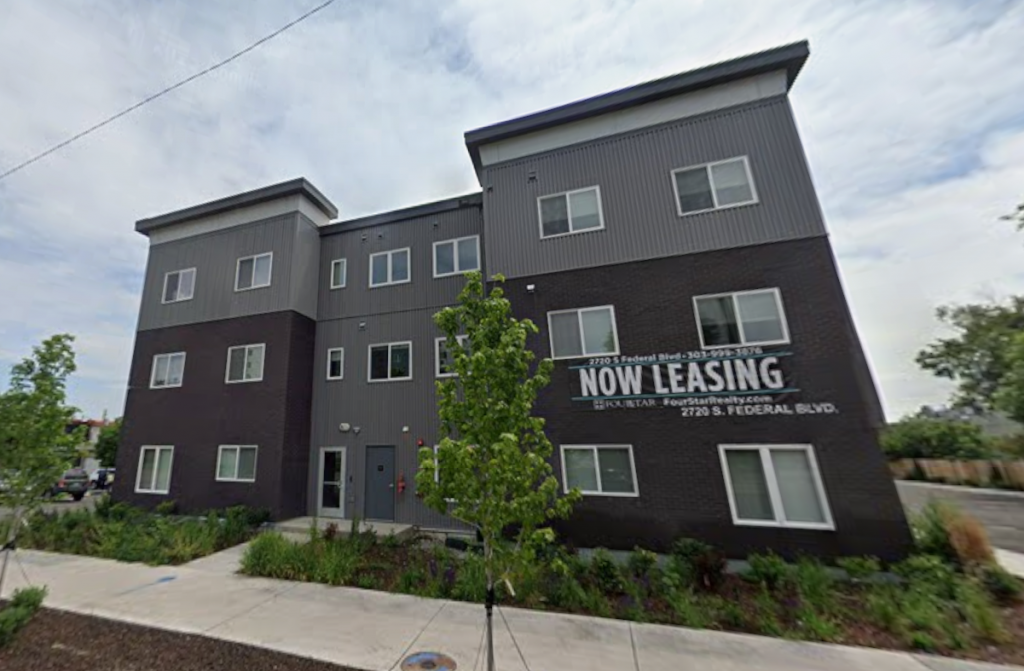
Our projects in Residential construction
2720 S Federal Blvd, Denver, CO 80236 | 2025
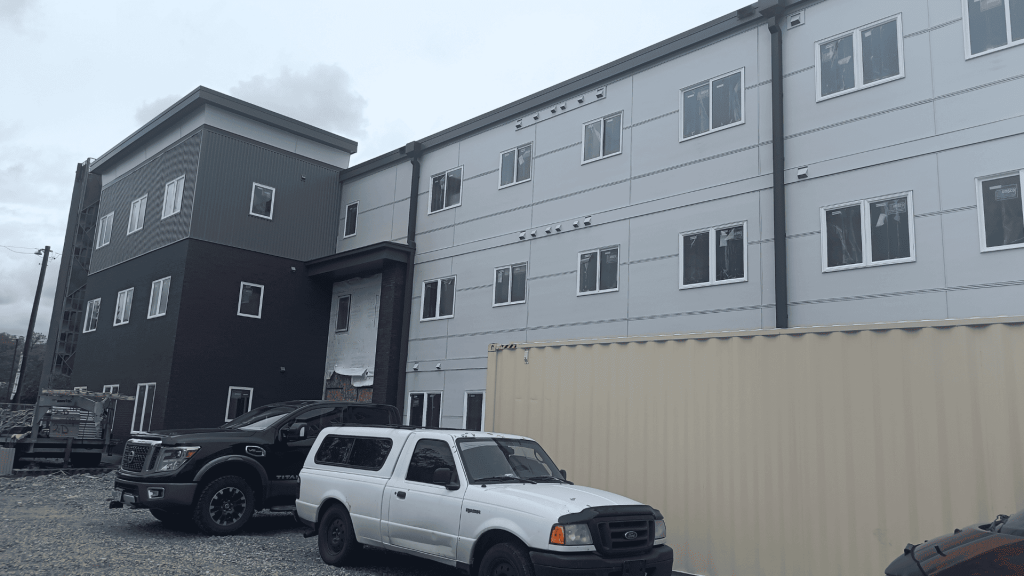
Alliance EDS recently completed a 58-unit apartment building at Denver, CO – a full-scale multi-family residential construction project delivered in 2025. This project demonstrates Alliance EDS’s capability to manage large residential builds from the ground up, encompassing structural concrete work, framing, interior finishing, and full project coordination across all construction phases.
Conclusion
Residential construction is one of the largest investments most homeowners will ever make. The right contractor can make the process smoother, safer, and far less stressful, while the wrong choice can lead to delays, budget overruns, and work that doesn’t hold up over time.
As you evaluate your options, focus on three things: experience with projects similar to yours, clear and proactive communication, and a demonstrated commitment to quality workmanship. Those three qualities, more than any other factors, predict a successful construction experience.
We bring all 3 to every project. Whether you’re planning a new build, a major remodel, or a structural repair, the team is ready to listen, plan carefully, and deliver results you’ll be proud of for years to come.
Contact Alliance EDS today to request a free estimate or schedule a residential construction consultation.
Frequently asked questions (FAQs)
What types of construction services does Alliance EDS provide?
We offer commercial and residential construction, remodeling, tenant improvements, interior build-outs, roofing services, and full project management from planning to completion.
Are you licensed and insured to operate in Colorado?
Yes. Alliance EDS is fully licensed, insured, and compliant with all Colorado state and local construction regulations.
Do you handle permits for construction projects?
Absolutely. Our team manages all required permits and inspections with city and county authorities to ensure your project is compliant and hassle-free.
What areas in Colorado do you serve?
We proudly serve the Denver metro area, including Lakewood, Aurora, Westminster, Arvada, Littleton, Boulder, and surrounding communities.
How long does a typical construction project take?
Project timelines vary based on scope and complexity. After reviewing your requirements, we provide a detailed schedule outlining each phase from planning to delivery.
Do you offer free estimates?
Yes. Alliance EDS provides free, no-obligation estimates so clients can understand project expectations, budgets, and timelines upfront.
Can Alliance EDS work with my architect or designer?
Certainly. We frequently collaborate with architects, engineers, and interior designers to ensure a seamless construction process.
What is your approach to project budgeting and cost control?
We provide transparent pricing, detailed proposals, and ongoing cost tracking to keep your project within budget without compromising quality.
How do you ensure safety on the job site?
Safety is a top priority. Our team follows OSHA standards, conducts regular inspections, and implements strict safety protocols for all workers and visitors.
Can you help with insurance-related repairs, including storm or hail damage?
Yes. We assist homeowners and businesses with inspections, documentation, and full restoration services for insurance claims.