
Healthcare construction services for hospitals, clinics & medical facilities
The healthcare sector is one of the most complex in construction, requiring specialized knowledge of clinical workflows, life safety codes, and rigorous regulatory standards. Alliance EDS delivers facilities that balance medical precision with human-centric design.
Healthcare construction is one of the most complex sectors in the building industry. Unlike standard commercial construction, healthcare projects operate under layers of regulatory scrutiny, frequently within or adjacent to active clinical environments, and must integrate highly specialized systems that directly support patient outcomes.
For facilities directors, healthcare executives, and development teams navigating these decisions, having a clear understanding of what drives cost, risk, and delivery strategy in healthcare construction is not optional, it is foundational to a successful project outcome.
This guide covers:
- What healthcare construction includes and how it differs from conventional construction
- The major project types and their unique planning requirements
- Why compliance, occupied construction, and specialized systems demand a different approach
- Best practices that protect budget, schedule, and patient safety
- The delivery methods available for healthcare projects, and how to choose the right one
- How we support healthcare construction from planning through project handover
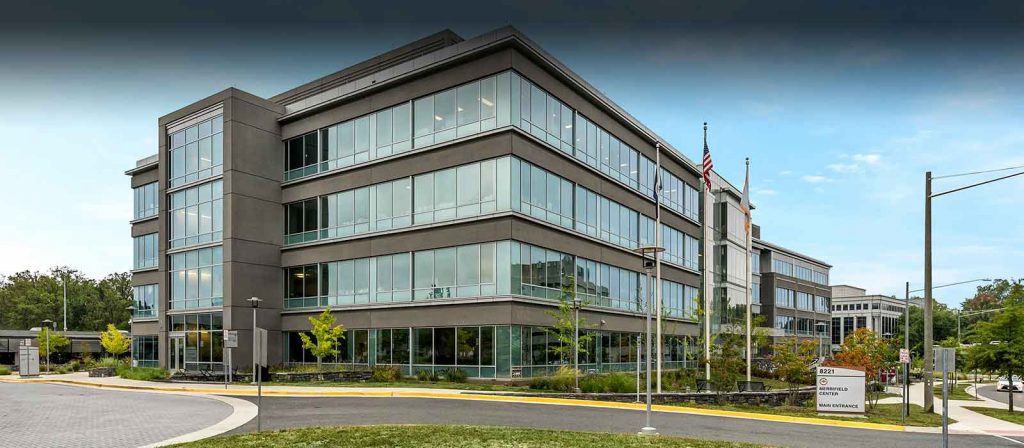
What is healthcare construction?
Healthcare construction refers to the planning, design, and physical construction of facilities used to deliver medical care and healthcare services.
This includes building new facilities from the ground up, renovating or expanding existing clinical spaces, modernizing aging infrastructure, and upgrading the specialized systems that healthcare environments depend on.
What separates healthcare construction from other commercial sectors is the convergence of 3 factors that rarely coexist at this intensity in other industries:
Strict regulatory oversight governing nearly every design and material decision
The operational reality that many projects must proceed while patients and staff continue using the facility
The technical complexity of integrating systems (medical gas lines, emergency power, advanced HVAC filtration) that are unique to clinical environments
Types of healthcare construction projects
Understanding the differences between these categories is the first step in developing a realistic scope, budget, and delivery strategy.
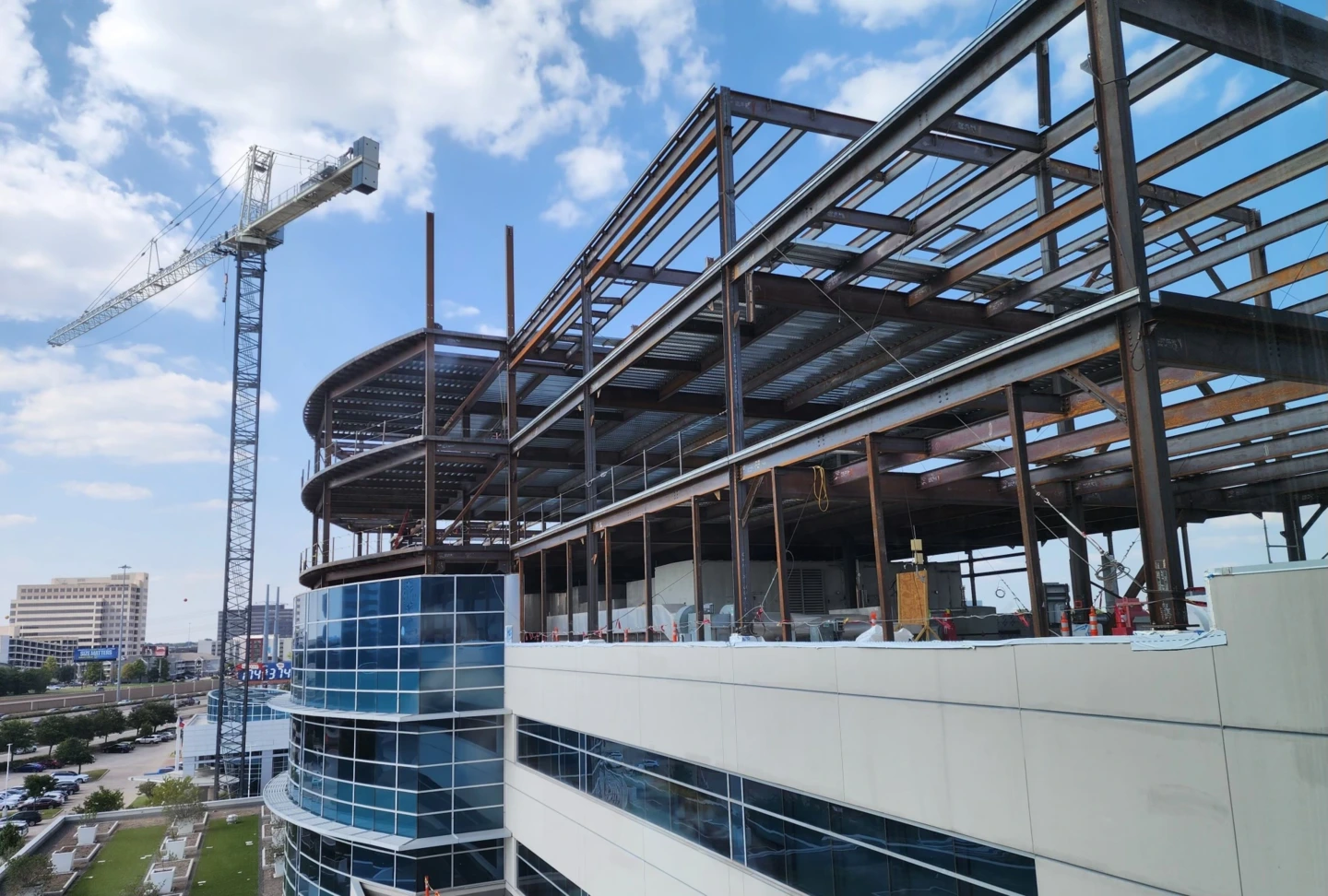
Hospital construction
Hospital construction involves large-scale inpatient medical campuses and acute care facilities. These projects encompass multiple departments - emergency, surgical, ICU, imaging, and patient care units - each with distinct infrastructure and operational requirements.
New hospital construction is among the most capital-intensive and logistically demanding construction projects in any sector, often spanning multiple years and requiring phased delivery to maintain continuity of existing operations during construction.
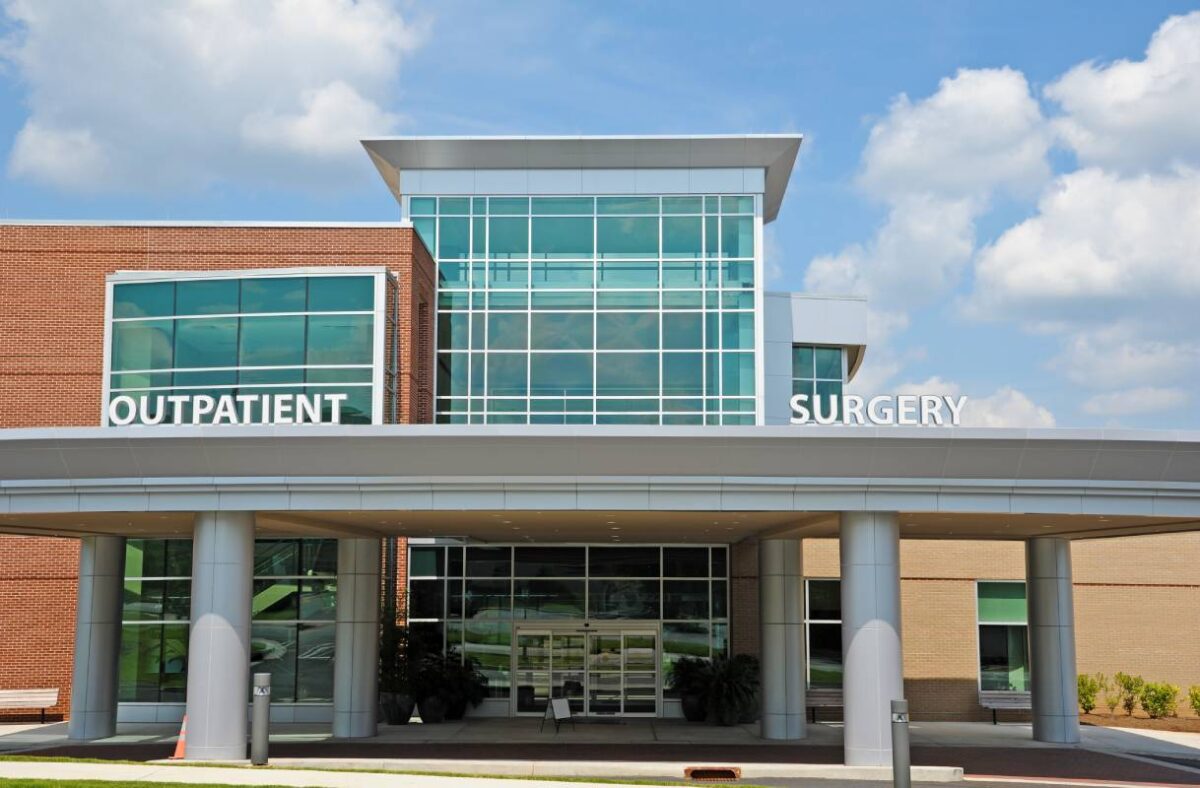
Outpatient and ambulatory care centers
Outpatient and ambulatory care centers are facilities designed for same-day diagnosis, treatment, and minor procedures. The shift toward outpatient care has been one of the most significant trends in healthcare delivery over the past two decades, driven by advances in minimally invasive procedures, changes in reimbursement policy, and patient preference for convenience.
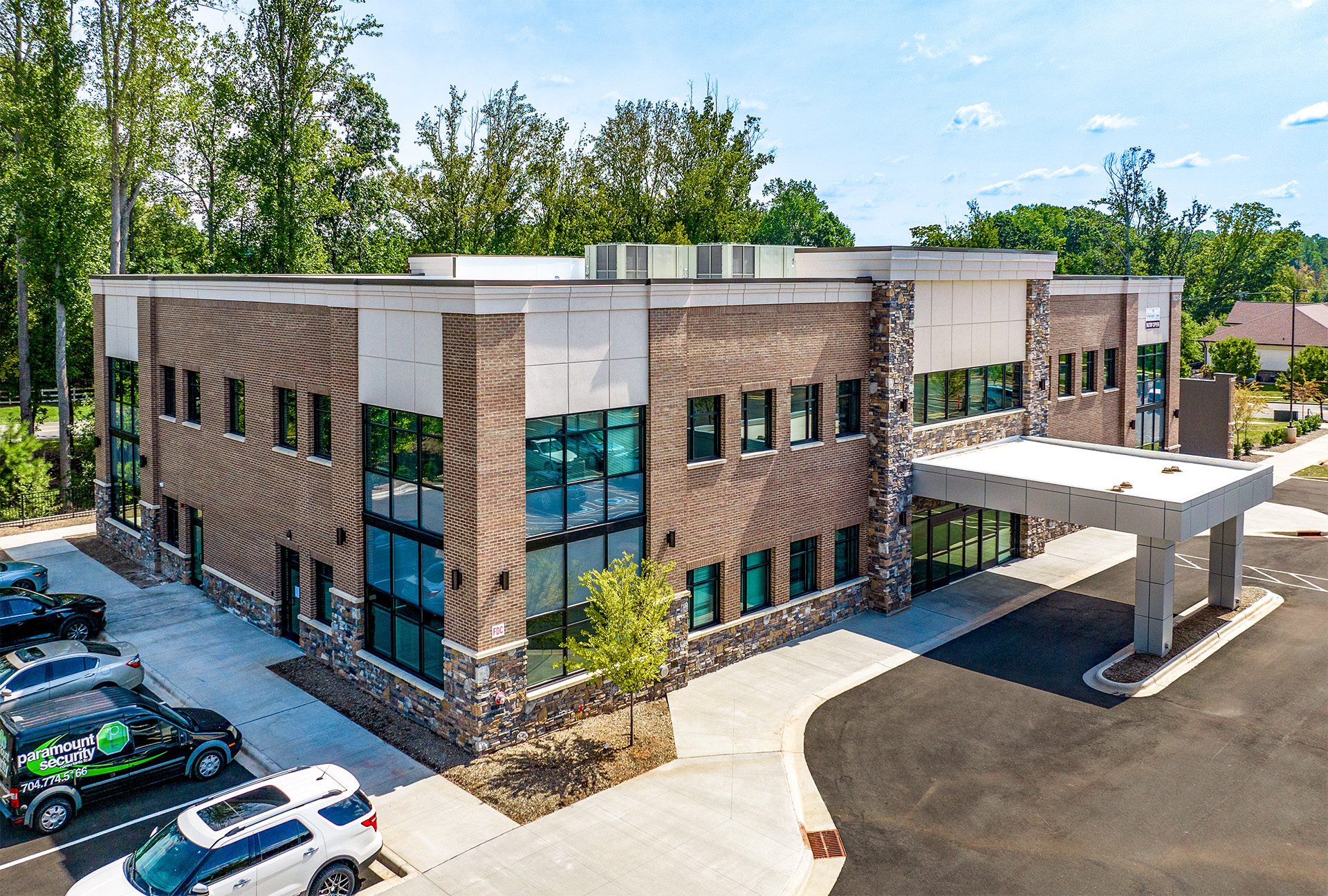
Medical office buildings (MOBs)
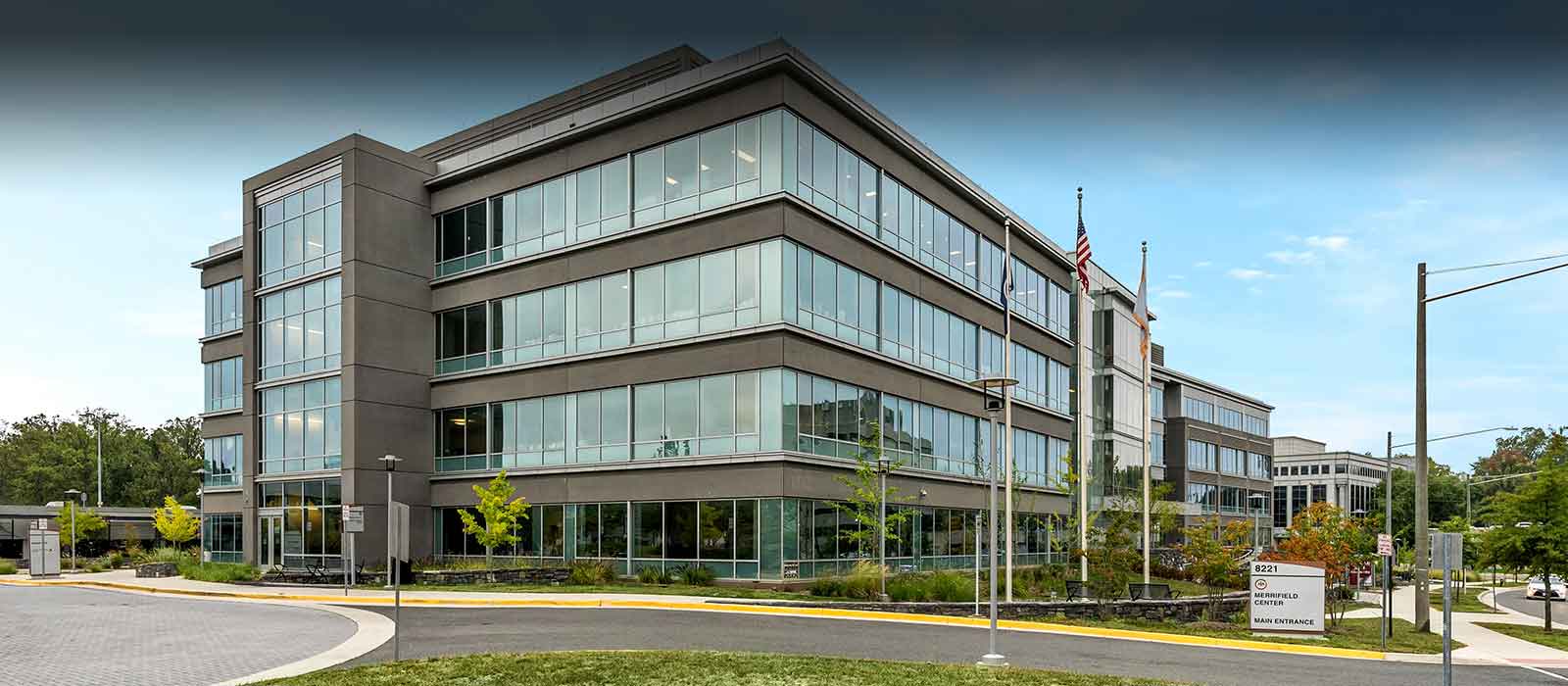
Medical office buildings house physician practices, specialty groups, diagnostic services, and administrative functions. They may be standalone structures, integrated into a hospital campus, or located within mixed-use commercial developments.
MOB construction tends to be less infrastructure-intensive than hospital or ambulatory surgery projects, but still requires compliance with healthcare-specific codes, accessible design standards, and coordination of clinical utility systems for exam rooms, imaging suites, and procedure areas.
Behavioral health facilities
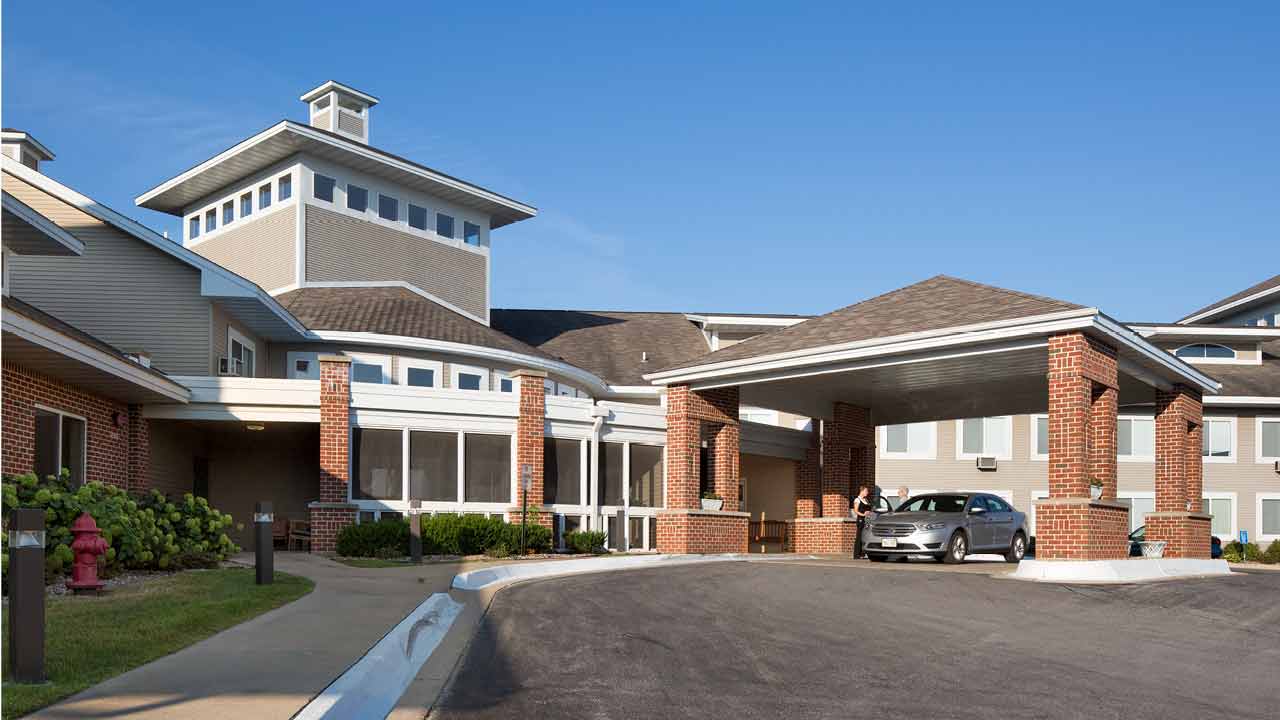
Behavioral health facilities include inpatient psychiatric units, substance use treatment centers, partial hospitalization programs, and outpatient mental health clinics.
These facilities require design considerations distinct from general medical construction: anti-ligature fixtures throughout patient areas, controlled access and sightlines for staff monitoring, calming environmental design to support therapeutic outcomes, and secure circulation systems that separate patient populations from public access.
Senior living and long-term care facilities
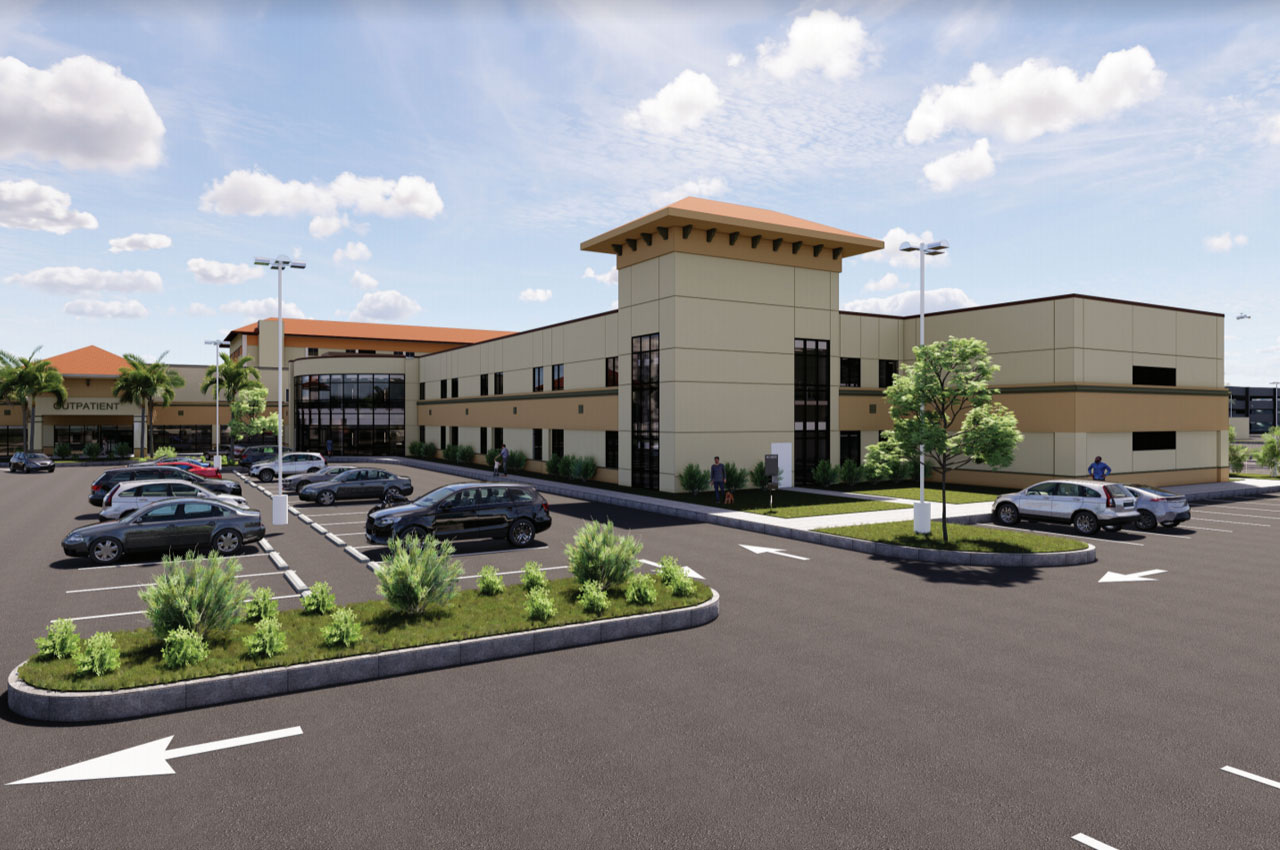
Senior living and long-term care construction encompasses assisted living communities, skilled nursing facilities (SNFs), memory care units, and continuing care retirement communities (CCRCs).
These projects balance residential comfort with clinical functionality, requiring accessible room layouts, enhanced bathroom safety features, nurse call and emergency response systems, secure dementia care wings, and dining and therapy spaces.
Healthcare renovation and expansion projects
Renovation and expansion represent a large share of healthcare construction activity.
Many existing facilities were built decades ago and require modernization to meet current clinical standards, accommodate new service lines, or improve energy performance and operational efficiency.
Common renovation projects include emergency department redesigns, surgical suite upgrades, imaging department reconfigurations, patient room conversions, and pharmacy or lab renovations.
Why healthcare construction is different
Healthcare facilities in the United States are subject to overlapping layers of regulatory oversight.
- At the federal level, facilities that receive Medicare and Medicaid reimbursement must comply with the Conditions of Participation established by the Centers for Medicare & Medicaid Services (CMS).
- At the state level, most healthcare facility types require licensure from state health departments, and construction must comply with state-adopted building codes, life safety codes, and facility design guidelines.
In practice, healthcare construction projects must align with:
- International Building Code (IBC) and applicable state amendments
- NFPA 101 Life Safety Code requirements for healthcare occupancies
- The Facility Guidelines Institute (FGI) Guidelines for Design and Construction of Health Care Facilities, which govern minimum room sizes, clearances, ventilation requirements, and infrastructure standards
- Americans with Disabilities Act (ADA) and applicable accessibility standards
- State-specific health department regulations and licensure requirements
- Infection Control Risk Assessment (ICRA) standards during construction
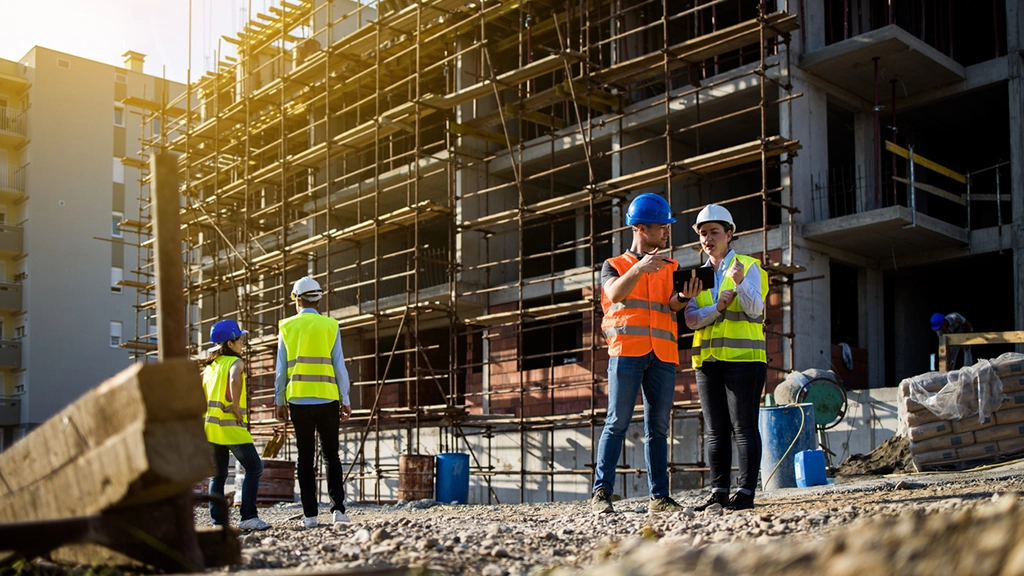
Perhaps the most operationally demanding aspect of healthcare construction is the reality that many projects occur while facilities remain fully operational. A hospital cannot simply close its doors for 2 years while a wing is renovated. An outpatient clinic cannot pause patient scheduling while its procedure suites are upgraded. This creates a construction environment unlike virtually any other in the industry.
Occupied healthcare construction requires:
- Detailed interim life safety measures (ILSM) to maintain fire safety during construction
- Construction phasing planned in coordination with facility operations, often requiring temporary relocations of clinical functions
- Strict control of construction traffic, material staging, and worker movement to prevent patient exposure
- Continuous noise and vibration monitoring and mitigation, particularly in areas adjacent to patient care
- Real-time communication between the construction team and facility administration to manage any impacts to operations
Healthcare facilities depend on building systems that simply do not exist in conventional commercial construction or that exist only in highly specialized forms.
Medical gas systems – including piped oxygen, medical air, vacuum, and nitrous oxide – must be designed, installed, and tested to stringent standards that govern everything from pipe material and joint integrity to outlet placement and emergency shutoff accessibility.
Emergency power systems in healthcare facilities are not a backup convenience; they are a life-safety requirement. CMS Conditions of Participation and NFPA 99 Health Care Facilities Code mandate redundant power sources, automatic transfer switches with specified response times, and periodic testing protocols.
Healthcare HVAC systems go far beyond temperature and humidity control, they regulate air pressure relationships between spaces, filtration levels calibrated to infection control requirements, and ventilation rates that must be maintained precisely in operating rooms, isolation rooms, and sterile processing areas.
Best practices for successful healthcare construction projects
Healthcare construction projects fail or succeed well before the first shovel breaks ground. The decisions made in early planning, the protocols established for compliance and infection control, the tools deployed for coordination, and the culture of communication embedded in the project team are the variables that ultimately determine whether a facility opens on time, on budget, and ready to deliver patient care.
The following best practices reflect what distinguishes high-performing healthcare construction programs from troubled ones.
Start with feasibility and stakeholder collaboration
The single most costly mistake in healthcare construction is beginning design or construction without a rigorous feasibility foundation.
Before any schematic design begins, effective healthcare owners conduct structured needs analysis to understand what clinical problems the project is intended to solve, operational planning to map how care will be delivered in the new or renovated space, and budget and site feasibility studies to validate that the project is financially viable given realistic construction cost assumptions.
Equally important is bringing the right voices into the room early. Healthcare executives who control the capital budget, clinicians who will work in the space, architects who translate operational needs into design, and contractors who can validate constructability and cost.
Plan for compliance from day one
Regulatory compliance in healthcare construction is not a final inspection checklist, it is a design discipline that must be integrated from the earliest planning stages.
Facilities that attempt to retrofit compliance requirements into a design that was developed without them consistently encounter expensive late-stage redesigns, permit delays, and in some cases, construction rework.
Healthcare facilities must meet state and federal health regulations, ADA and accessibility requirements, NFPA Life Safety Code provisions, state-adopted building codes, and infection control standards that govern both the completed facility and the construction process itself.
The best practice is to integrate compliance reviews explicitly into each phase of design and engineering, with qualified reviewers participating in design charrettes, drawing reviews, and specification development rather than conducting a single compliance audit at the end of the design phase.
Use technology and digital coordination tools
Modern healthcare construction projects increasingly rely on digital coordination tools that improve planning accuracy, reduce conflicts, and provide real-time visibility into project status.
Building Information Modeling (BIM) allows design teams and contractors to develop a coordinated three-dimensional model of the facility, detecting clashes between structural, architectural, and MEP systems before they become expensive field conflicts during construction.
Digital scheduling platforms and real-time project tracking tools provide healthcare owners with continuous visibility into construction progress, procurement status, and risk exposure, enabling faster decision-making when conditions change.
Prioritize safety, infection control, and occupied construction planning
On any healthcare construction project, infection control and life safety management must be treated as primary project deliverables.
This means that the ICRA process begins during design, containment strategies are detailed in construction documents, and site supervisors have both the authority and the protocols to halt work if infection control conditions are not being maintained.
Key focus areas for occupied healthcare construction include:
- Dust and airborne contaminant containment through physical barriers, negative pressure systems, and HEPA filtration of construction exhaust
- Noise and vibration management through scheduling, vibration isolation, and real-time monitoring where sensitive environments are adjacent to construction
- Safe patient and staff circulation through temporary egress planning, wayfinding, and access control.
Build flexible and future-ready healthcare facilities
Healthcare delivery changes faster than the buildings that house it. Care models that are standard practice today may be obsolete within a decade; technologies that do not yet exist will be standard equipment in the facilities being designed right now.
Healthcare owners who recognize this reality and build flexibility into their facilities from the outset consistently realize lower lifecycle costs and avoid the premature renovation cycles that rigid facility designs create.
Future-proofing strategies in healthcare construction include:
- Adaptable room layouts that can be reconfigured without major structural work
- Scalable infrastructure with excess capacity built into electrical service, data conduit, and mechanical systems
- Technology-ready designs that accommodate evolving medical equipment footprints and connectivity requirements, and energy-efficient building systems.
Coordinate construction, commissioning, and operations integration
A healthcare facility is only as successful as its transition to operational readiness. Construction completion is not the finish line – commissioning of building systems, equipment installation and testing, staff orientation and training, and operational readiness verification are the final mile that determines whether a facility opens or struggles through a chaotic early occupancy period.
Final project success depends on:
- Careful coordination between procurement strategy for long-lead medical equipment and furniture
- System commissioning that validates mechanical, electrical, and life safety systems under realistic operating conditions
- Staff readiness programs that ensure clinical teams understand the new environment before the first patient walks through the door.
Healthcare owners who treat occupancy preparation as a structured project phase achieve smoother go-live transitions and fewer post-occupancy operational disruptions.
Healthcare Project Gallery
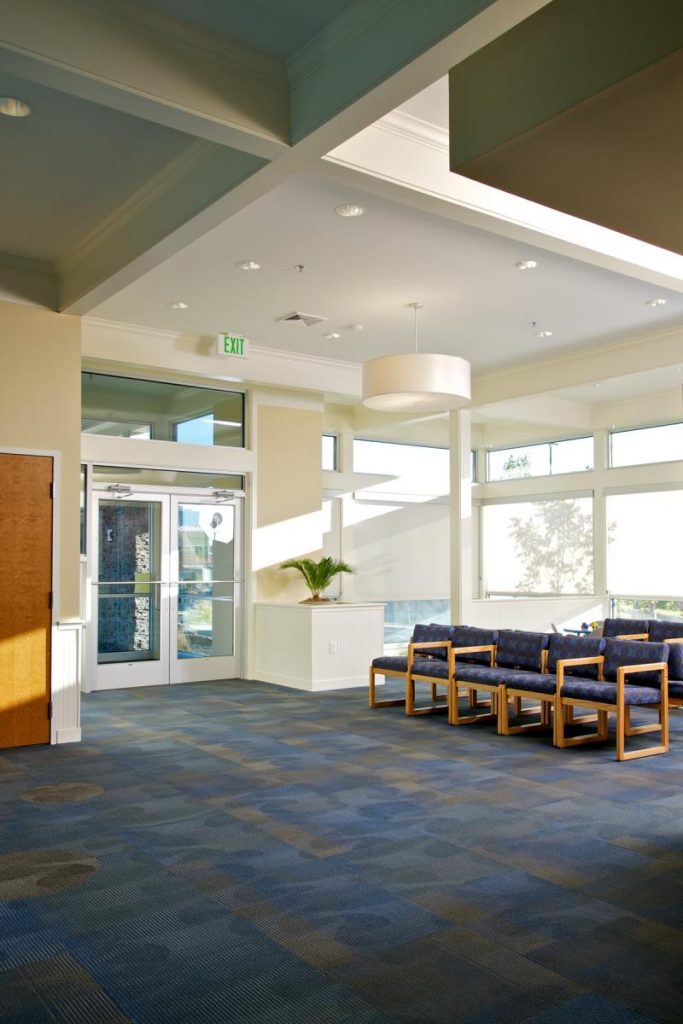
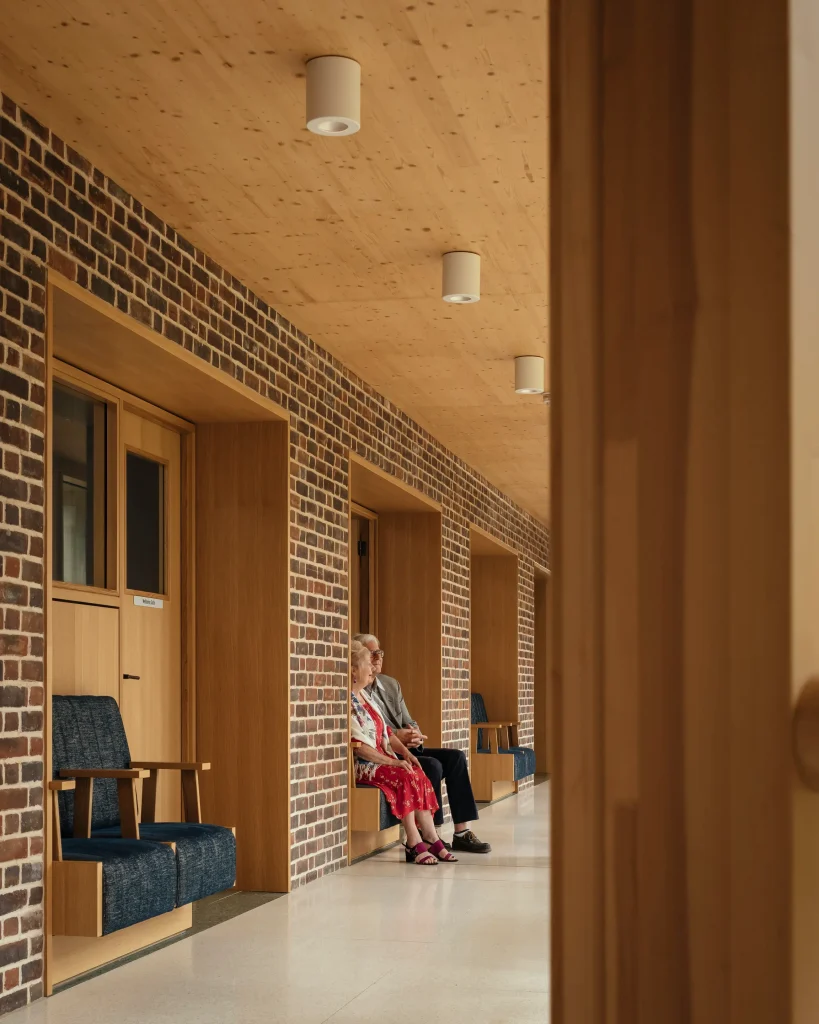
View our healthcare construction projects built to meet strict standards for safety, efficiency, and care.
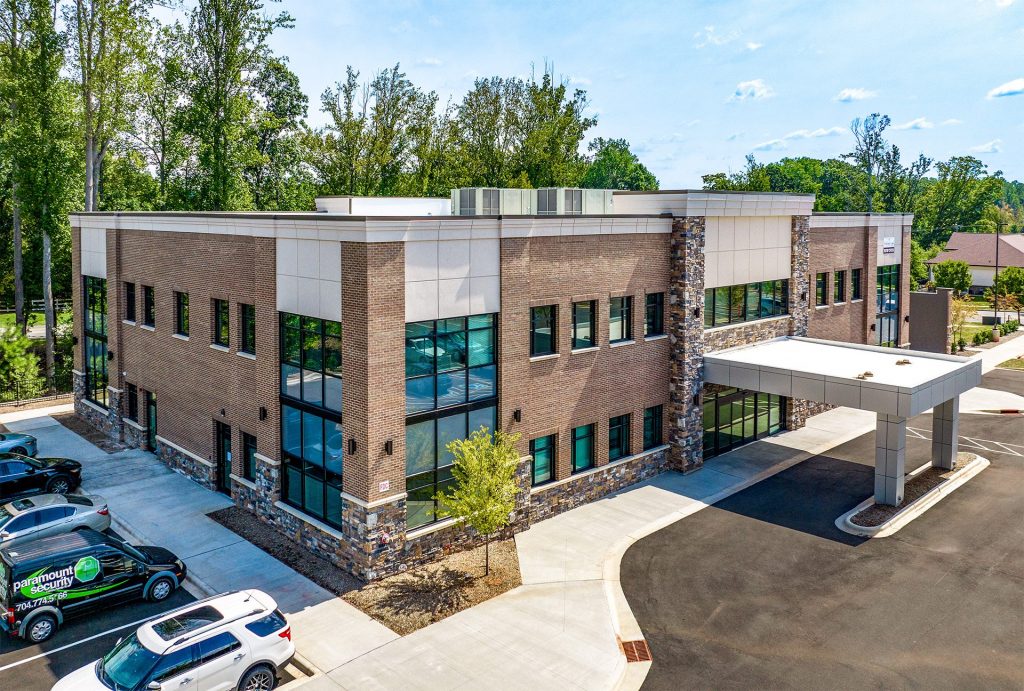
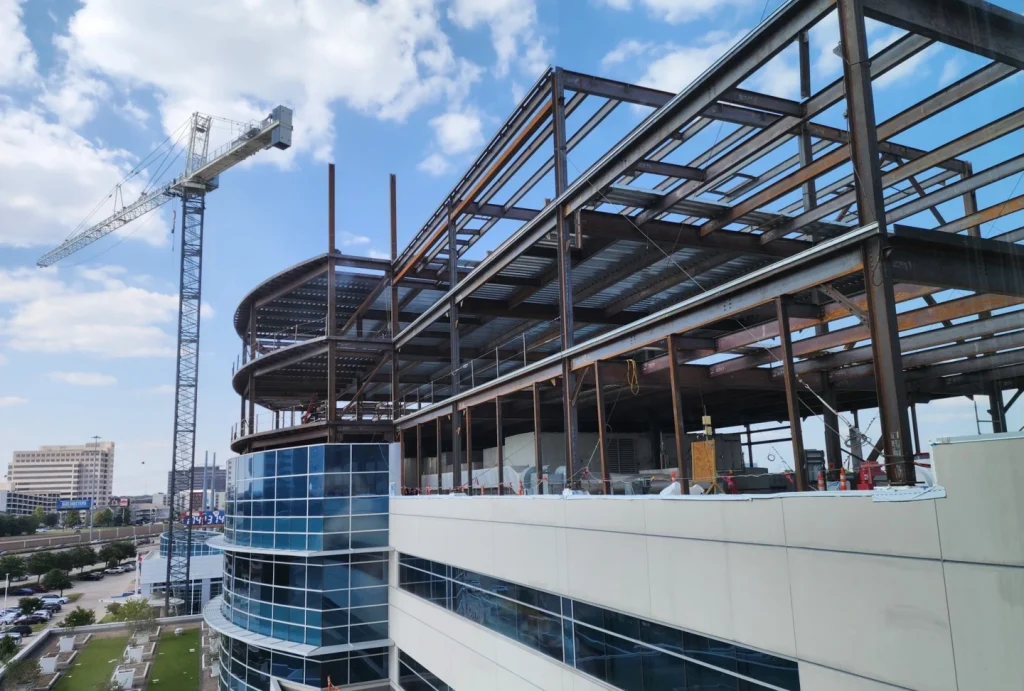
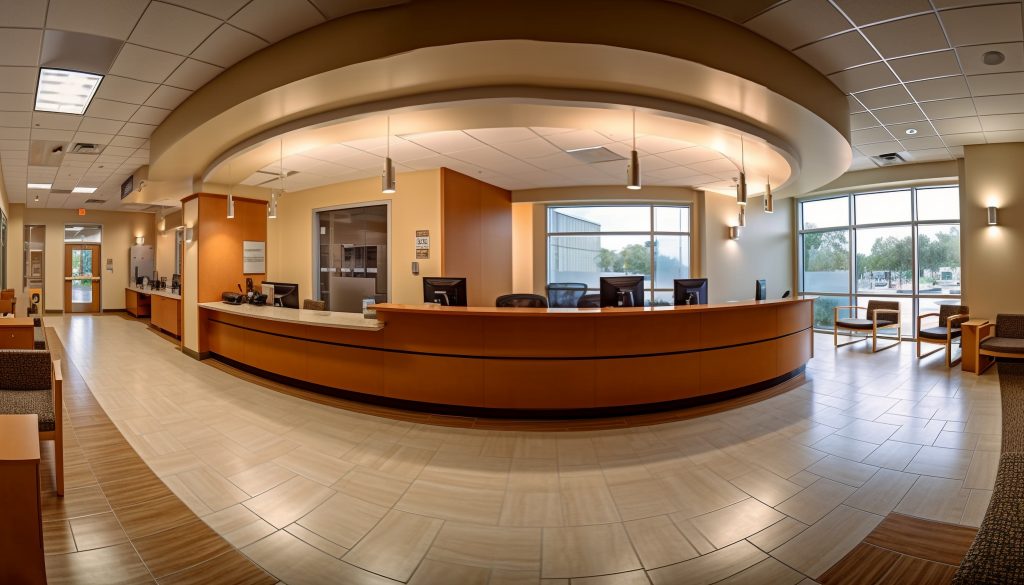
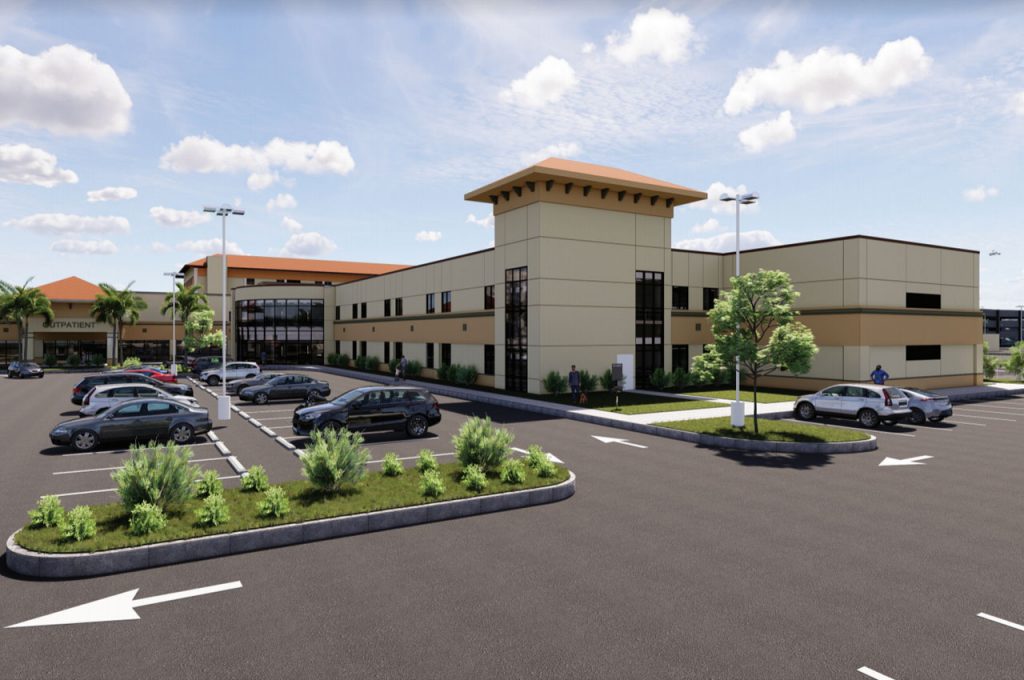
Alliance EDS healthcare construction services
Alliance Empire Development Solutions (Alliance EDS) is a Denver-based construction and design-build firm with deep experience in the specialized requirements of healthcare facility projects.
From strategic planning and design coordination through occupied renovation and final project handover, we deliver integrated construction services designed for the complexity, compliance demands, and operational sensitivities of healthcare environments.
Healthcare facility planning and design
Alliance EDS provides strategic facility planning services for hospitals, medical office buildings, outpatient clinics, and specialty healthcare facilities.
Our planning process begins with a structured assessment of the owner’s clinical goals, operational workflows, and long-range facility strategy, ensuring that capital investment decisions are grounded in a realistic understanding of what the project needs to accomplish and what it will take to get there.
Design-build healthcare construction
Our integrated Design-Build delivery model brings design and construction under a single, accountable team – improving coordination, accelerating project timelines, and providing healthcare owners with earlier and more reliable cost visibility.
By eliminating the organizational gap between the design team and the construction team, our Design-Build approach reduces the risk of design conflicts, change orders by constructability issues, and delays caused by coordination failures between contracted parties.
Healthcare renovations and expansions
Renovation and expansion projects represent some of the most logistically demanding work in healthcare construction, and it is a core competency of Alliance EDS.
We develop detailed occupied construction plans that sequence work to minimize disruption to patients, staff, and daily operations – implementing ICRA protocols, interim life safety measures, and noise management strategies that maintain a safe clinical environment throughout construction.
Structural and concrete work
We deliver structural and concrete construction for healthcare environments, including foundations, structural upgrades, and concrete work in both new construction and renovation contexts.
Our structural capabilities support the demanding performance requirements of healthcare facilities, from seismic design considerations for critical facilities to the load demands of heavy medical equipment installations.
MEP and infrastructure coordination
Mechanical, electrical, and plumbing coordination is among the most technically complex aspects of healthcare construction. We manage the coordination of HVAC systems, electrical systems, and plumbing and medical gas infrastructure with the precision and documentation discipline that healthcare regulatory compliance requires.
Our teams are experienced with the specific requirements of healthcare MEP, including operating room air handling, medical gas piping standards, and emergency power system requirements.
Healthcare compliance and safety support
Alliance EDS provides active support for healthcare-specific compliance requirements throughout the construction process. This includes infection control planning and ICRA implementation, ADA and accessibility compliance, life safety code requirements under NFPA 101, and the facility design standards that govern healthcare construction under FGI Guidelines and applicable state regulations.
Specialized healthcare construction experience
We bring specific knowledge of healthcare operations, occupied construction requirements, and the regulatory frameworks that govern facility design and construction. Our teams understand that healthcare projects are not simply larger or more expensive versions of commercial construction, they require a different approach to planning, risk management, and daily site operations.
Integrated design + construction expertise
This eliminates the organizational friction, communication gaps, and adversarial dynamics that commonly develop between separately contracted design and construction teams, and it produces a more predictable project outcome for the owner.
Focus on safety and infection control
Patient safety is the organizing principle of Alliance EDS's approach to healthcare construction. Our infection control protocols, dust containment systems, and occupied construction management strategies are designed to protect patient care operations throughout construction.
Transparent communication and project management
Healthcare owners deserve clear, consistent, and honest communication about budget, schedule, and construction progress. We maintain transparent reporting throughout the project lifecycle, providing the information healthcare executives and facilities teams need to make timely decisions and maintain confidence in the project's trajectory.
Flexible solutions for complex healthcare projects
No 2 healthcare construction projects are identical, and Alliance EDS is structured to support the full range of project types. Our delivery capabilities, contractual flexibility, and depth of healthcare-specific expertise allow us to meet healthcare owners where their projects are, rather than applying a one-size-fits-all construction program.
Our healthcare construction process
Alliance EDS follows a structured, phase-by-phase delivery process designed for the complexity and risk profile of healthcare construction projects.
Each phase is coordinated with the owner’s clinical and operational stakeholders to ensure that construction activity aligns with facility priorities at every stage.
01
Discovery and needs assessment
Every healthcare project begins with a structured discovery process. We work with the owner to develop a clear understanding of facility goals along with realistic expectations for budget, timeline, and the constraints that will shape the delivery strategy. This phase establishes the foundation for all subsequent planning and design decisions.
02
Planning and design coordination
During planning and design, we collaborate with architects, engineers, and healthcare stakeholders to develop facility plans that optimize clinical workflow, satisfy regulatory compliance requirements, and anticipate future scalability needs.
Our involvement in design ensures that the project is constructable as designed, that phasing strategies for occupied work are integrated into the design from the outset, and that cost is managed proactively rather than reactively.
03
Budgeting and preconstruction planning
Preconstruction planning is where project risk is most effectively managed. We develop detailed cost estimates, construction schedules, and logistics plans during this phase – identifying long-lead procurement items, sequencing work phases to minimize operational disruption, and establishing the risk management protocols that will govern the construction phase.
This work is done transparently and collaboratively with the owner, so that everyone enters construction with aligned expectations.
04
Construction and quality control
During construction, Alliance EDS manages site safety, subcontractor coordination, infection control measures, and quality assurance through structured daily supervision and formal quality control processes.
ICRA protocols, interim life safety measures, and occupied construction management plans are implemented and monitored continuously throughout this phase.
Our project management teams maintain close communication with facility operations staff to manage any impacts to clinical operations in real time.
05
Commissioning and project handover
Project completion is not defined by substantial completion, it is defined by operational readiness.
Our commissioning process encompasses systematic testing of building systems, final inspections against the owner’s project requirements, and coordination of the operational readiness activities that allow the healthcare facility to function as intended from the first day of occupancy.
We support the handover process with documentation, training coordination, and post-occupancy follow-through to address any issues that emerge in early operations.
Our projects in Residential construction
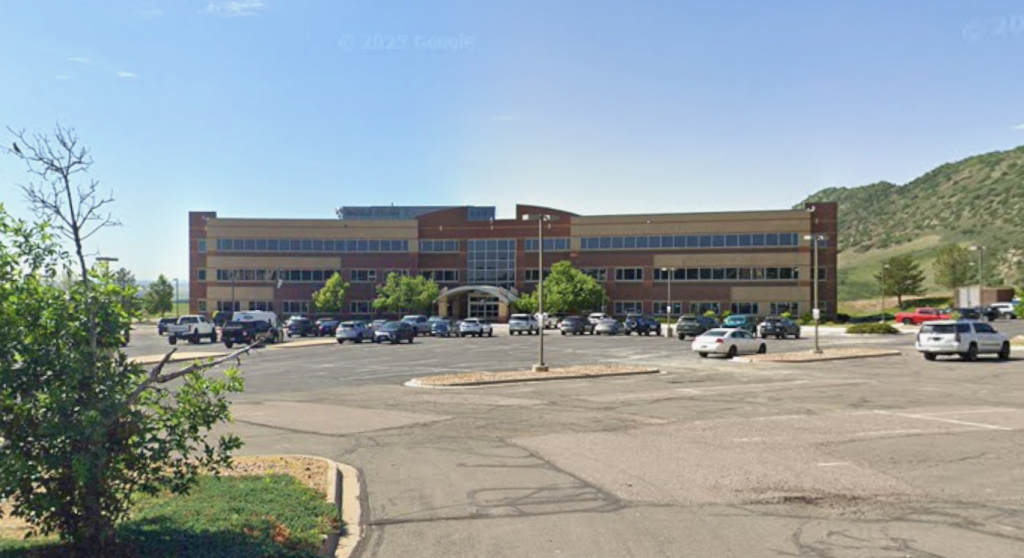
10901 W Toller Dr, STE 110, Littleton, CO 80127
Alliance EDS completed a medical space build-out for VitalCare of Littleton, a healthcare facility located in Littleton, Colorado. The project involved constructing a fully functional clinical environment within an existing commercial suite, transforming the space to meet the operational and regulatory requirements of a modern medical facility.
Conclusion
Healthcare construction requires more than traditional building expertise. It demands careful planning grounded in clinical reality, regulatory knowledge maintained with an evolving compliance landscape, and operational coordination capable of protecting patient care throughout a disruptive construction process.
The margin for error in healthcare construction is narrow, and the consequences of getting it wrong extend beyond budget and schedule into patient safety and organizational risk.
Success in healthcare construction depends on specialized experience that comes from doing this work repeatedly and learning from it, strong communication that keeps owners informed and empowered to make timely decisions, and compliance-focused execution that treats regulatory requirements as foundational rather than optional.
Frequently asked questions (FAQs)
Why is healthcare construction more expensive than standard commercial construction?
Healthcare construction costs significantly more than standard commercial construction due to strict regulatory compliance requirements – including FGI Guidelines, NFPA 101, and state health codes – that mandate specific room sizes, ventilation rates, and infrastructure configurations.
What is the biggest challenge in healthcare construction?
The biggest challenge in healthcare construction is managing occupied construction while maintaining full regulatory compliance. This demands continuous, disciplined infection control, life safety management, noise mitigation, and operational coordination without compromising construction pace
What are the 4 P's in healthcare?
In healthcare administration, the 4 P’s typically refer to People, Place, Process, and Performance. In the context of healthcare construction, “People” drives decisions about accessibility and staff efficiency, “Place” shapes the clinical environment and patient experience, “Process” informs department layout and operational workflow design, and “Performance” defines safety, efficiency, and satisfaction the facility must support. Together, these 4 dimensions ensure that a healthcare facility is designed to genuinely enable care delivery, not just meet minimum code requirements.