
Retail construction services for Denver business owners
Retail construction is more than building a storefront, it’s about creating a space that improves customer experience, supports operations, and drives long-term business growth. Whether you’re opening your first location or expanding an established brand, the decisions you make during the construction phase directly affect how your store performs from day one.
Successful retail construction requires a combination of strategic planning, efficient build-outs, brand-focused design, and fast project execution. When these four elements work together from the start, the result is a retail space that functions well, reflects your brand identity, and opens on schedule.
In this guide, you will learn everything you need to know about retail construction, from the types of projects it includes and the costs involved, to the latest trends shaping the industry and how Alliance EDS helps your retail construction business.
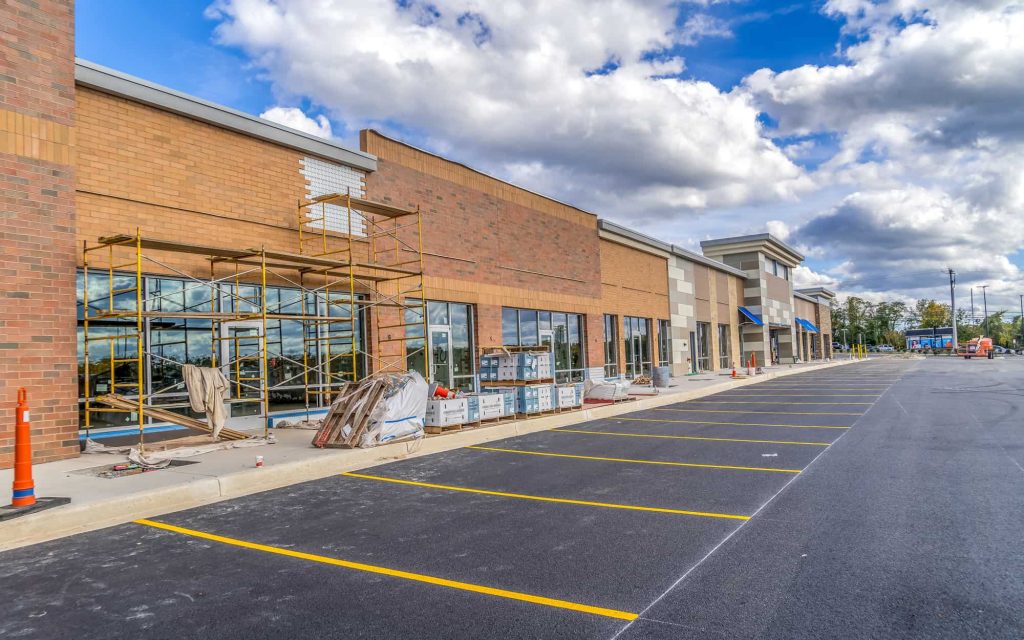
What is retail construction?
Retail construction refers to the process of building, renovating, or customizing commercial spaces specifically designed for retail business operations.
Unlike general commercial construction, retail construction centers on environments where customers interact with products, services, or brand experiences. The goal is always to create a functional, visually compelling space that supports sales performance and operational efficiency.
Retail construction projects vary widely in scope and complexity. The most common types include:
Retail store build-outs
Full interior construction of a raw or semi-finished space to meet a specific retailer’s layout, branding, and operational requirements.
Retail renovations and remodeling
Updating or reconfiguring existing retail spaces to improve aesthetics, functionality, or compliance with current codes.
Shopping center and multi-tenant retail construction
Construction of shared commercial facilities designed to accommodate multiple retail tenants under one development.
Restaurant and food retail construction
Specialized build-outs that incorporate commercial kitchen infrastructure, ventilation systems, and health code compliance alongside front-of-house retail elements.
Franchise and multi-location rollouts
Healthcare delivery changes faster than the buildings that house it. Care models that are standard practice today may be obsolete within a decade; technologies that do not yet exist will be standard equipment in the facilities being designed right now.
Healthcare owners who recognize this reality and build flexibility into their facilities from the outset consistently realize lower lifecycle costs and avoid the premature renovation cycles that rigid facility designs create.
Future-proofing strategies in healthcare construction include:
- Adaptable room layouts that can be reconfigured without major structural work
- Scalable infrastructure with excess capacity built into electrical service, data conduit, and mechanical systems
- Technology-ready designs that accommodate evolving medical equipment footprints and connectivity requirements, and energy-efficient building systems.
What makes retail construction different?
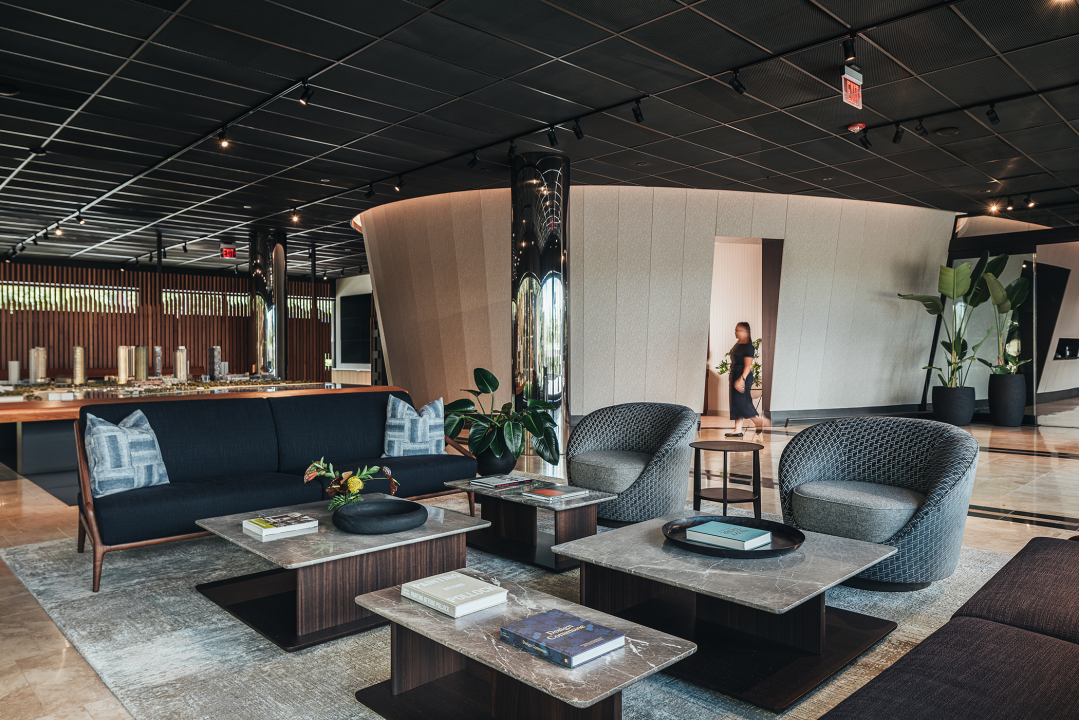
Designing spaces that influence customer behavior
Retail spaces are not passive environments. The layout, lighting, and material choices in a well-constructed retail store actively influence how customers move through the space, how long they stay, and how likely they are to make a purchase. A skilled retail construction team designs with customer psychology in mind, ensuring that the physical environment supports 4 core outcomes: customer flow, product visibility, brand identity, and sales performance.
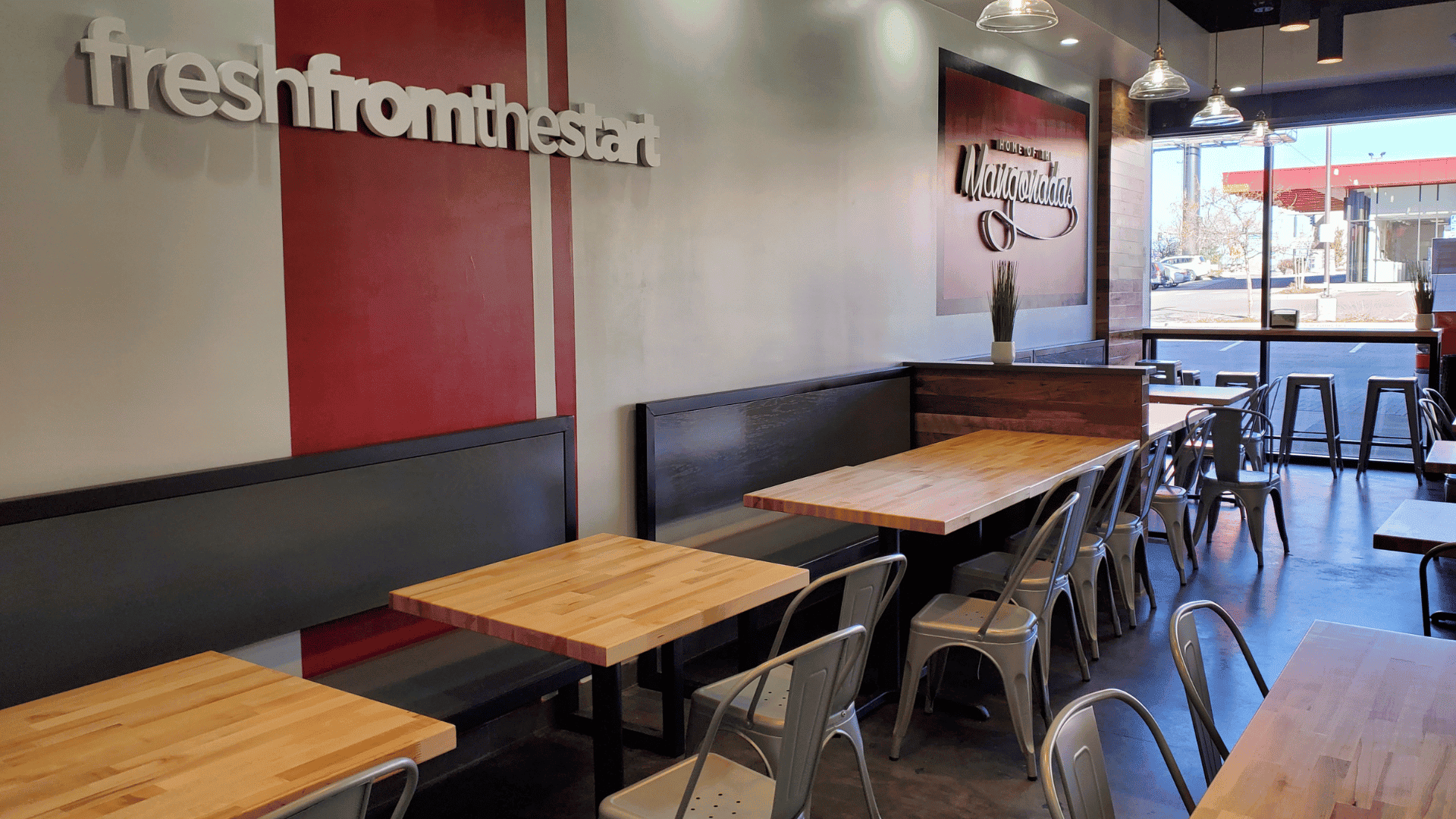
Balancing construction speed with business operations
Time is money in retail. Extended construction timelines delay revenue generation, push back grand opening marketing campaigns, and create operational uncertainty. Many retail projects must be completed within tight deadlines, particularly in shopping centers where lease terms tie the opening date to construction milestones. Effective retail construction management means minimizing 3 key risks: revenue loss from delayed openings, construction overruns, and operational disruption to adjacent tenants or existing store locations.
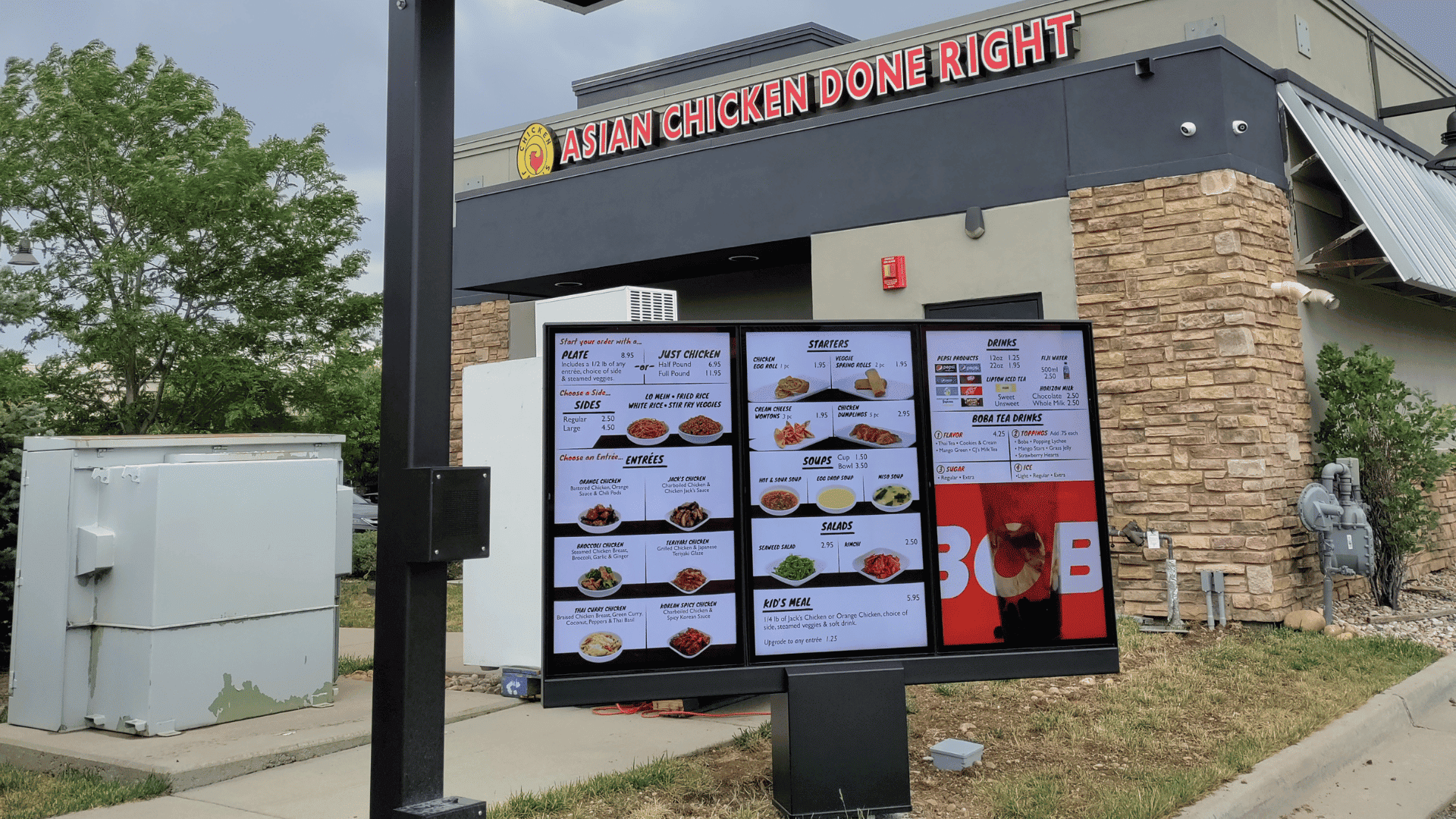
Coordinating permits, compliance, and landlord requirements
Retail construction involves multiple layers of regulatory and administrative coordination that commercial projects may not face to the same degree. A typical retail project requires securing building permits from local authorities, meeting ADA accessibility requirements throughout the space, obtaining approval from shopping center landlords or property management companies, and ensuring compliance with fire and life safety codes. Navigating these requirements efficiently is a critical skill that separates experienced retail construction firms from general contractors unfamiliar with the retail sector.
Difference between retail and commercial construction
Retail construction and commercial construction are related disciplines, but they serve different purposes and prioritize different outcomes. Understanding this distinction helps business owners identify the right type of contractor for their specific needs.
| Retail Construction | Commercial Construction |
|---|---|
| Focused on customer-facing retail environments | Covers offices, warehouses, healthcare, industrial, and more |
| Prioritizes customer experience and product flow | Prioritizes operational or business functionality |
| Often includes branding and merchandising integration | May focus more on workflow and infrastructure |
| Commonly involves tenant improvements and build-outs | Can include large-scale structural development |
In practice, retail construction demands a higher degree of sensitivity to customer-facing design. Every detail must serve the customer experience while supporting the operational needs of the business.
What’s trending in retail construction?
The retail industry is evolving rapidly, and construction practices are evolving alongside it. Business owners planning a new build-out or renovation should understand the trends currently shaping how retail spaces are designed and built.
Experiential retail design
The rise of e-commerce has pushed physical retail to differentiate itself through experience. Today’s most successful stores are designed to do more than display products, they create immersive environments that give customers a reason to visit in person.
Experiential retail construction incorporates interactive customer experiences, brand engagement zones, and social-media-friendly spaces that encourage customers to share their visits online, effectively extending the store’s marketing reach beyond its physical walls.
Flexible and multi-use retail spaces
Modern retail construction prioritizes adaptable floor plans that can accommodate seasonal merchandising changes, temporary pop-up concepts within a permanent store, and omnichannel retail operations that blend in-store and online fulfillment. Flexible layouts allow retailers to respond quickly to shifting market conditions without requiring costly renovations.
Smart technology integration
New retail spaces are being built with infrastructure in place for smart lighting systems that adjust based on occupancy and time of day, self-checkout systems that reduce labor costs and wait times, digital signage that can be updated remotely, and integrated security and analytics systems that provide real-time data on customer behavior and loss prevention. Planning for these systems during the design phase reduces costly retrofitting later.
Sustainable retail construction
Environmental responsibility is increasingly important to both retail brands and their customers.
Sustainable retail construction practices now include energy-efficient lighting and HVAC systems that reduce operating costs over the life of the building, sustainable building materials with lower environmental impact, and eco-conscious store design that aligns with a brand’s values and appeals to environmentally aware consumers.
In many markets, sustainable construction choices also qualify for tax incentives and certifications that add long-term financial value.
Faster build-out and rollout strategies
Businesses expanding through franchise development or multi-location growth increasingly prioritize shorter construction timelines, faster store openings that minimize the gap between lease signing and revenue generation, and scalable franchise development processes that can be replicated efficiently across multiple sites.
Factors affecting retail construction cost
Retail construction costs vary depending on project scope, location, and complexity. Understanding the 6 primary cost drivers below helps business owners plan realistic budgets from the start.
Larger spaces require more materials, labor, and time – all of which increase total cost. Layout complexity matters too: open floor plans cost less to build than multi-room configurations with custom partitions or irregular structural conditions.
Interior fit-out is where most per-square-foot spending occurs. Key components include:
- Flooring: Options range from standard vinyl tile to polished concrete or hardwood, each at different price points.
- Walls and ceilings: Painted drywall is the most economical choice. Specialty finishes, exposed ceilings, or acoustic panels add cost.
- Custom millwork: Built-in shelving, display cases, and service counters fabricated to brand specifications are among the more variable line items.
- Lighting: Layered retail lighting systems require more fixtures and electrical work than standard commercial setups.
Interior branding elements: Feature walls, branded graphics, and brand-mandated materials vary widely in cost depending on the concept.
Storefront construction includes the exterior facade, entrance configuration, and glazing systems. Costs range from standard aluminum-and-glass profiles to custom designs with specialty glass or cladding. Many shopping centers also impose specific storefront criteria on tenants through lease agreements.
Signage, both exterior identification and interior wayfinding, is frequently underestimated in early budgets. Exterior sign costs depend on sign type, size, fabrication complexity, and local permitting requirements. Interior signage, including directional signs and digital displays in food retail, should be planned during the design phase to avoid costly additions later.
Fixture and equipment costs are highly variable and depend almost entirely on the type of retail concept.
- Display fixtures and shelving: Standard gondola systems cost less than custom-built display cases or bespoke fixture programs used by specialty or luxury retailers.
- Point-of-sale infrastructure: Checkout counters and POS hardware integration require planned electrical and data rough-in during construction.
- Specialty equipment: Food retail and restaurant concepts carry the highest equipment costs, including commercial refrigeration, cooking equipment, ventilation hoods, and fire suppression systems. Other specialty concepts such as fitness or medical retail have their own distinct equipment requirements.
Technology-integrated fixtures: Displays incorporating digital screens or smart shelf technology carry higher procurement and installation costs.
MEP systems represent a substantial portion of most retail construction budgets. The scope of this work depends heavily on the existing infrastructure in the space and the specific requirements of the retail use.
Restaurant and food retail spaces, for example, require more MEP investment than a typical apparel or specialty goods store due to commercial kitchen systems, grease traps, and enhanced ventilation requirements.
Permit fees, inspection costs, and the time required to obtain approvals vary by jurisdiction and can affect both the budget and the project schedule. Shopping center landlord reviews add another layer of administrative cost that must be factored into the project plan.
Soft costs are non-construction expenses associated with planning, design, and project administration. They are often overlooked in early estimates but represent 10 to 20% of total project cost.
- Architecture and design fees: Costs for drawing preparation, design development, and construction documents. In a design-build model, these are integrated into a single contract, simplifying budgeting and reducing scope gaps.
- Project management: Professional project management keeps retail builds on schedule and within budget. The cost of poor coordination almost always exceeds the cost of proper management from the start.
- FF&E procurement management: For projects with complex fixture programs, early procurement planning is critical. Lead times for custom fixtures and specialty equipment can run eight to sixteen weeks or longer.
- Testing, inspections, and commissioning: Fire suppression testing, HVAC commissioning, and pre-opening health inspections for food retail each carry separate costs and must be scheduled to avoid project closeout delays.
Contingency: A well-structured budget includes a contingency allowance of five to ten percent of hard construction costs to cover unforeseen conditions and scope adjustments during construction.
Retail-focused construction expertise
Alliance EDS has developed deep expertise in retail environments, giving the team a clear understanding of the unique challenges that retail projects present — from customer-flow design to compliance coordination. This specialized knowledge translates directly into better outcomes for retail clients.
Integrated design-build coordination
Alliance EDS operates as an integrated design-build partner, meaning design and construction are managed under a single point of accountability. This approach eliminates the communication gaps that commonly arise between separate design and construction firms, reduces the risk of scope conflicts, and streamlines the path from concept to completion.
Transparent communication and scheduling
Retail clients need to know where their project stands at every phase. Alliance EDS maintains clear, consistent communication with clients throughout the construction process, providing regular updates on schedule milestones, budget status, and any issues that require client input.
Fast and efficient retail build-out execution
Alliance EDS understands that faster project delivery means earlier revenue generation for retail clients. The team is structured to execute retail build-outs efficiently without compromising quality, keeping projects on schedule even in complex shopping centers or multi-tenant environments.
Flexible solutions for growing retail brands
Whether a client is opening a first location or rolling out a franchise expansion, Alliance EDS has the capacity and experience to scale accordingly. The team's familiarity with standardized retail build-out processes makes it a strong partner for brands that need consistency across multiple sites.
Strong focus on quality and customer experience
Every Alliance EDS retail project is built with the end customer in mind. The team understands that the quality of the construction directly affects the quality of the customer experience, and that standard drives every decision made on the job site.
Alliance EDS retail construction process step-by-step
Alliance EDS follows a structured, three-phase process that takes every retail project from initial planning through final store turnover with clarity and accountability at each stage.
01
Preconstruction and approvals
Every successful retail construction project begins with thorough preconstruction planning. During this phase, we work closely with the client to develop a realistic project plan and budget. Key activities include:
- Planning and budget development: Establishing project scope, cost parameters, and schedule benchmarks based on the client’s business goals and the specific characteristics of the space.
- Design coordination and branding integration: Aligning the construction design with the client’s brand standards, merchandising requirements, and customer experience objectives.
Permits, landlord reviews, and compliance approvals: Managing the full permit application and approval process, including coordination with shopping center management teams and local regulatory authorities to keep the project on schedule.
02
Build-out and construction execution
With approvals in place, the Alliance EDS team moves into active construction. This phase encompasses the core work that transforms the raw or existing space into a fully functional retail environment:
- Interior construction and store fit-out: Framing, drywall, flooring, ceilings, and all interior construction activities that establish the physical structure of the retail space.
- MEP installation and infrastructure coordination: Installation and coordination of mechanical, electrical, and plumbing systems, ensuring all infrastructure meets code requirements and supports the specific operational needs of the retail use.
Fixture, lighting, and signage installation: Installation of display fixtures, lighting systems, and signage in accordance with the approved design plan and brand standards.
03
Final checks and store turnover
The final phase ensures that the completed space is ready for business before the keys change hands:
- Final inspections and punch lists: A thorough walkthrough of the completed space to identify and resolve any items that do not meet the agreed-upon standards before project closeout.
- Quality control and store readiness: A comprehensive quality review that confirms every system is functioning correctly and the space is ready to receive inventory and staff.
Turnover support and opening preparation: Alliance EDS works with the client to ensure a smooth transition from construction to operations, including support for any final adjustments needed before the store opening.
What do our retail construction services offer?
Alliance EDS provides a comprehensive suite of retail construction services designed to support the full range of retail business needs, from initial build-outs to ongoing renovations and expansions.
Retail store build-outs and tenant improvements: Full build-out services for new retail spaces, including tenant improvement work within existing commercial buildings and shopping centers.
Retail renovations and remodeling: Renovation and remodeling services that update and improve existing retail environments to meet current brand standards, customer expectations, and code requirements.
Restaurant and franchise construction: Specialized construction services for food retail and franchise concepts, including the infrastructure and compliance requirements unique to these environments.
Structural and concrete work: Structural modifications and concrete work that support space reconfigurations, additions, and specialized retail installations.
MEP and infrastructure coordination: Complete mechanical, electrical, and plumbing coordination across all retail project types, managed by experienced professionals who understand the specific demands of retail environments.
Retail Project Gallery
Explore retail spaces crafted to enhance customer experience and brand presence.
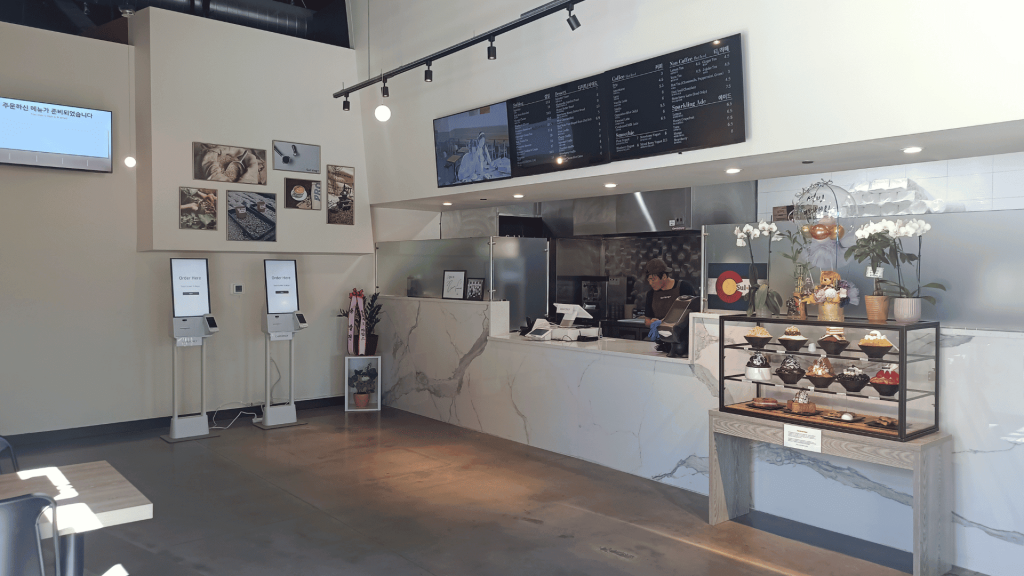
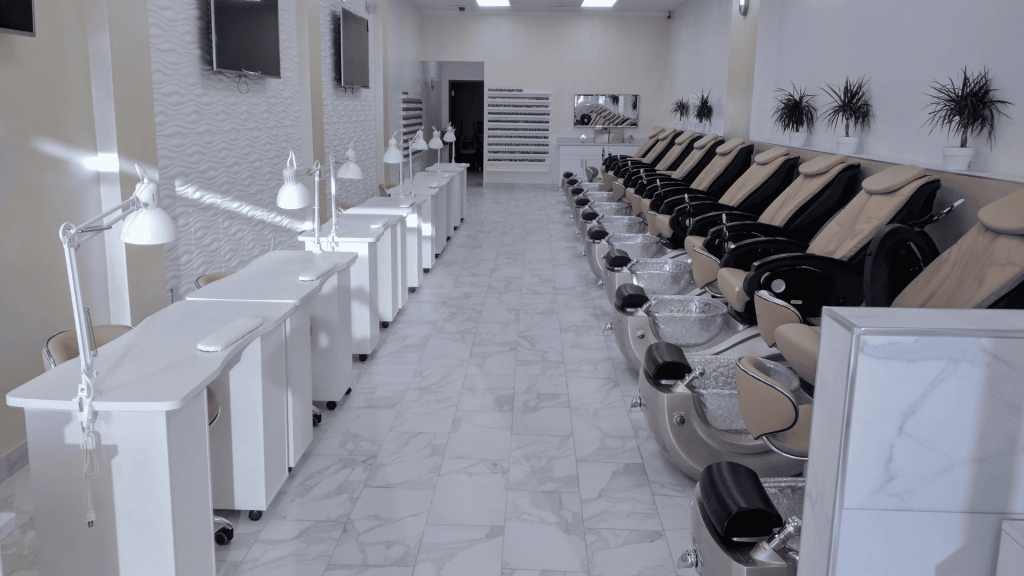
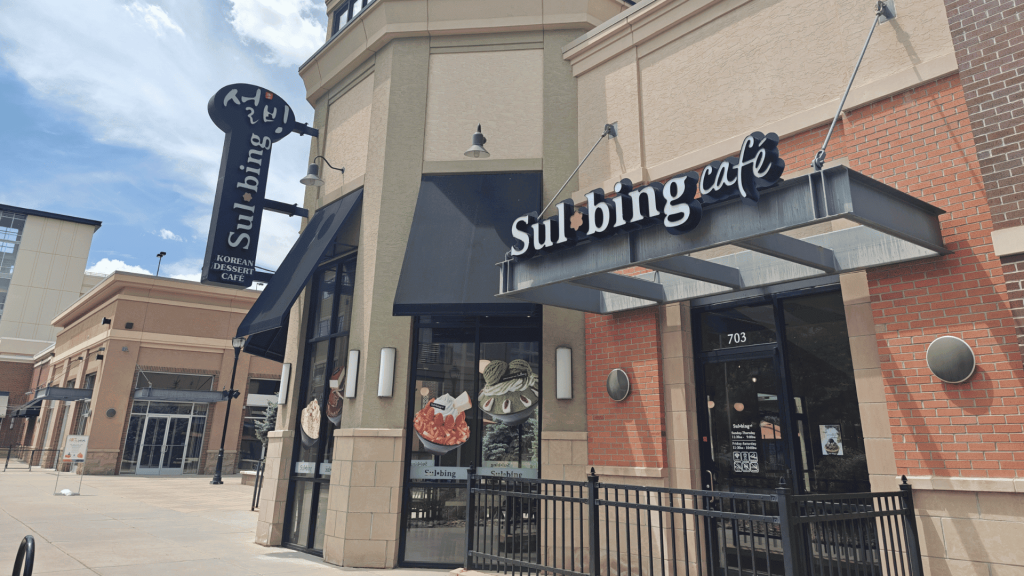
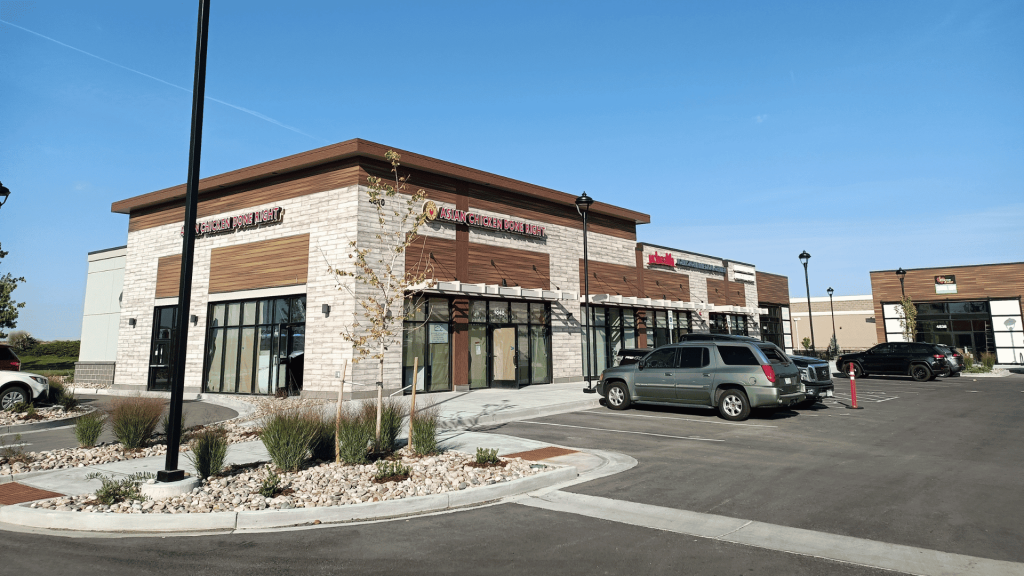
Our projects in retail construction
At Alliance EDS, every project we deliver reflects our commitment to quality craftsmanship, schedule reliability, and spaces that are built to support real business performance. The following completed projects represent a cross-section of our retail construction work across the Denver metro area.
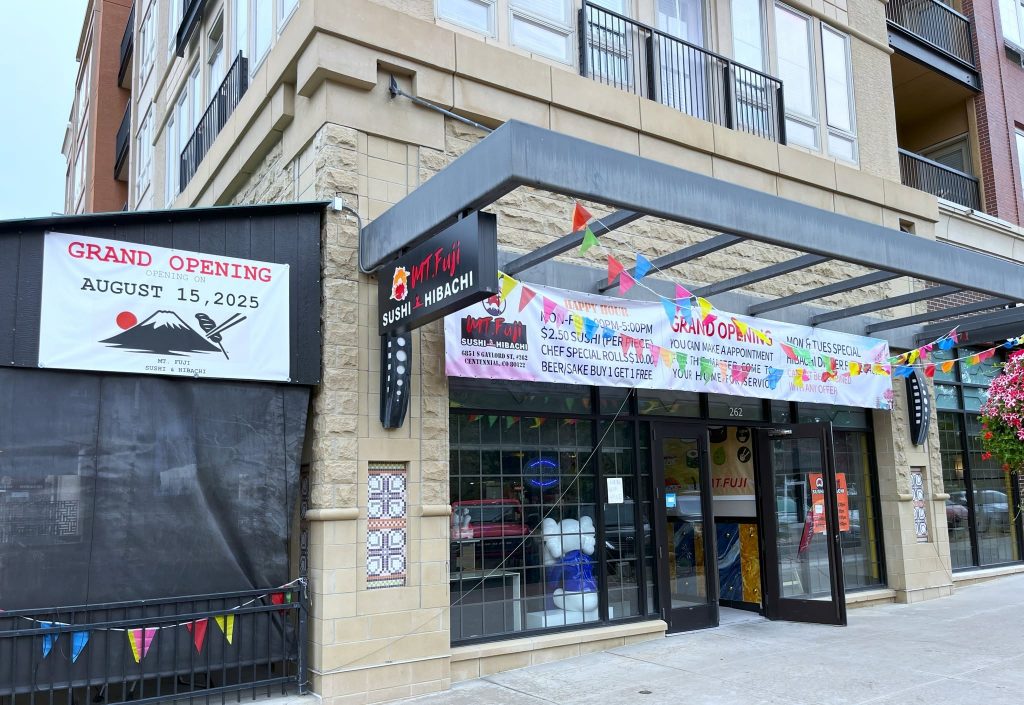
Mt Fuji Hibachi & Sushi - Centennial, Colorado (2025)
6851 S. Gaylord Street, Unit 262, Centennial, CO 80122
Alliance EDS completed the full interior build-out of Mt Fuji Hibachi & Sushi, a Japanese dining concept located within an active retail center in Centennial, Colorado. The project involved comprehensive restaurant construction work including kitchen infrastructure, ventilation systems, dining area fit-out, and all required MEP coordination.
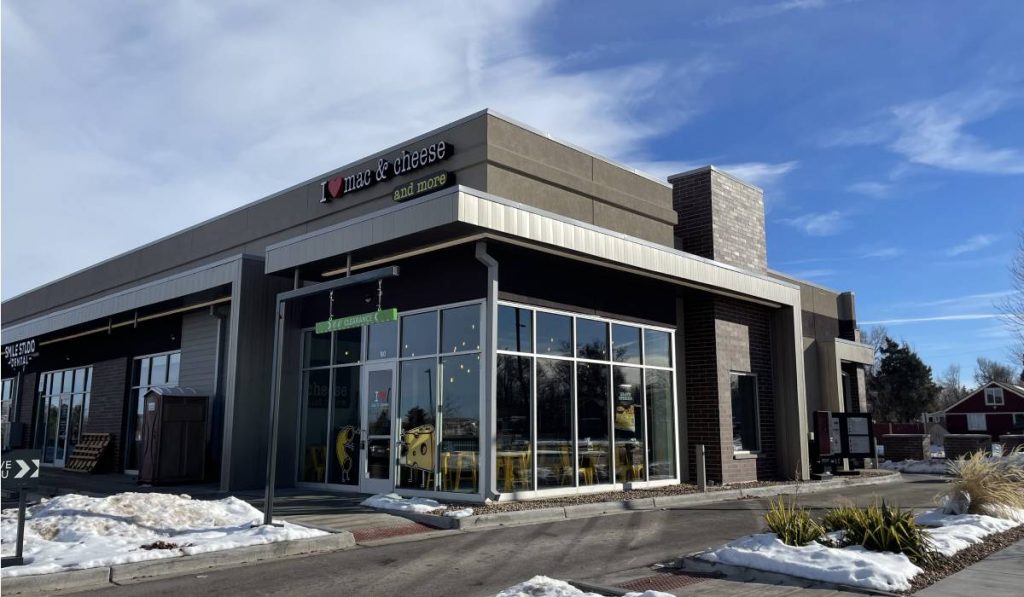
I Heart Mac & Cheese - Denver, Colorado (2023)
8801 E Montview Blvd, Denver, CO 80238
Alliance EDS handled the retail restaurant build-out for I Heart Mac & Cheese, a fast-casual franchise concept, at its Denver location. The project scope included interior construction, commercial kitchen equipment coordination, storefront work, signage installation, and full MEP systems integration in compliance with local health and building code requirements.
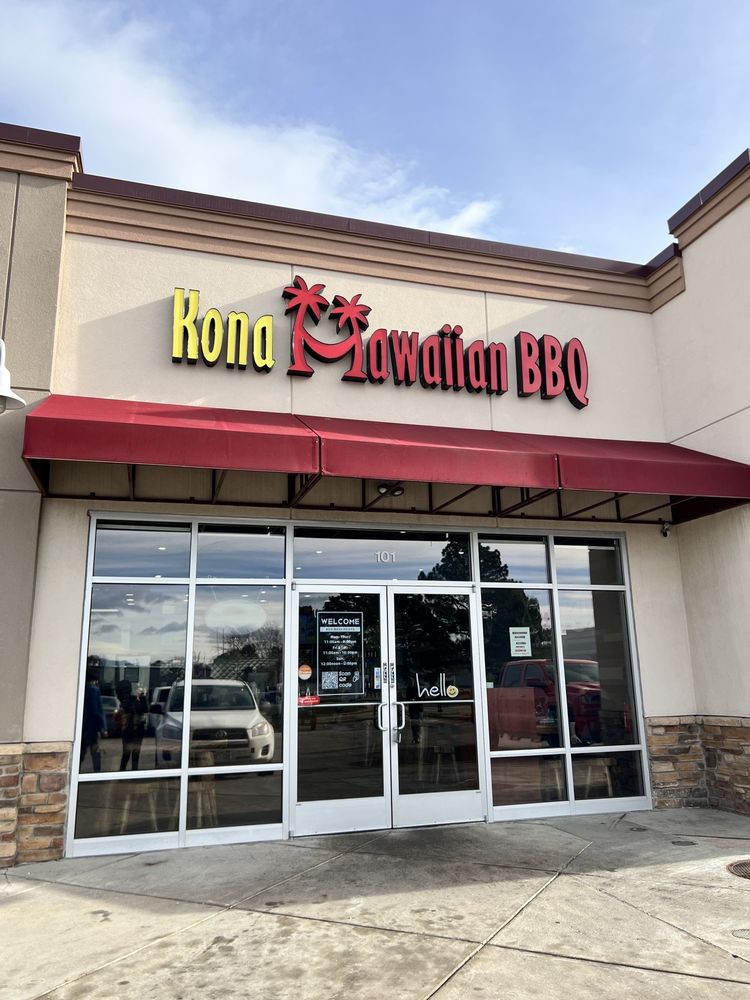
Kona Hawaiian BBQ - Denver, Colorado (2021)
4505 N Portia St, Unit 101, Denver, CO 80216
Alliance EDS delivered the complete restaurant build-out for Kona Hawaiian BBQ, a casual dining concept established in Denver’s growing north side. The project covered interior fit-out, kitchen and ventilation infrastructure, plumbing coordination, electrical systems, and all finishing work required to bring the space from shell condition to an operational dining environment.
Conclusion
Retail construction is a specialized discipline that demands more than standard commercial construction expertise. Creating a retail space that performs requires smart planning, brand-focused design, and efficient execution working together from day one.
Alliance EDS brings all 3 of these elements to every retail project we take on. Whether you are building out your first store, renovating an existing location, or expanding a franchise concept across multiple sites, our team has the experience and the systems in place to deliver results you can count on.
Contact Alliance EDS today to schedule a retail construction consultation or request a project estimate. We’re ready to help you build a space that works as hard as you do.
Frequently asked questions (FAQs)
What is a retail build-out?
A retail build-out is the process of constructing and finishing the interior of a commercial space to meet the specific operational and design requirements of a retail tenant. Build-outs can range from basic tenant improvements (such as painting, flooring, and lighting) to full ground-up interior construction that transforms an empty shell into a fully functional retail store.
How much does retail construction cost?
Retail construction costs vary depending on several factors, including the size of the space, the complexity of the layout, the quality of interior finishes, the scope of MEP systems required, and the local labor market. Basic retail build-outs in less demanding markets may start in the range of $50 to $100 per square foot, while higher-end finishes and more complex configurations can push costs to $150 to $300 per square foot or more.
How long does retail construction take?
The timeline for a retail construction project depends on the size and complexity of the build-out, the permitting environment in the local jurisdiction, and the availability of materials and labor. Simple tenant improvements in straightforward spaces may be completed in four to eight weeks. More complex full build-outs, particularly those involving significant MEP work or custom design elements, typically require 3 to 6 months from groundbreaking to turnover.