
Commercial tenant improvement construction services in Denver
Leasing a commercial space is only the beginning. To make that space work for your business, you’ll likely need tenant improvements.
Tenant improvement (TI) construction transforms an empty or outdated commercial space into a fully functional environment tailored to a tenant’s specific operational needs. Whether you’re setting up a corporate office, launching a retail store, or opening a medical clinic, understanding the TI process before you sign a lease can save you tens of thousands of dollars and weeks of unnecessary delays.
What is tenant improvement construction?
Tenant improvement (TI) construction refers to modifications made to a leased commercial property to meet the specific needs of an incoming tenant. Rather than accepting a vanilla shell or an outdated floor plan, businesses work with contractors and designers to reconfigure the space so it supports their operations from day one.
TI projects range in scale from minor cosmetic updates (new paint, carpet, and lighting) to full structural build-outs involving new walls, plumbing systems, and HVAC reconfigurations. The scope depends on the condition of the space being leased and the complexity of the tenant’s business requirements.
Why tenant improvements matter
Tenant improvement construction is not simply a cosmetic upgrade. A well-executed build-out directly affects your business performance across several dimensions.
Create a functional workspace
No two businesses operate exactly alike. A law firm needs private offices, soundproofed conference rooms, and a formal reception area. A software startup may need an open floor plan with collaborative zones and server room infrastructure.
Tenant improvements allow you to configure the physical space around your actual workflow rather than forcing your team to adapt to a layout that wasn’t designed for you.
Support business operations
From specialized electrical capacity for data-heavy operations to dedicated plumbing for a medical clinic or restaurant, TI construction gives you the mechanical and structural infrastructure your business needs to function at full capacity.
Trying to operate without the right infrastructure creates inefficiencies that cost more in lost productivity than the build-out itself.
Improve customer experience
For customer-facing businesses (retail stores, clinics, financial offices, salons,…) the physical environment shapes how clients perceive your brand. A well-designed, properly finished space communicates professionalism and care. An unimproved or mismatched space sends the opposite message, regardless of the quality of your service.
Strengthen brand identity
Tenant improvements give you the opportunity to express your brand through architecture, materials, signage, and spatial design. The result is an environment that feels intentional and cohesive, one that reinforces your company’s identity from the moment a customer or employee walks through the door.
Increase employee productivity
Research consistently shows that the physical work environment affects focus, collaboration, and morale. Proper lighting, acoustic control, ergonomic layouts, and well-defined functional zones all contribute to a workplace where employees can do their best work. TI construction lets you build those conditions in from the start rather than patching problems after move-in.
What counts as tenant improvement construction?
Tenant improvements generally qualify when the work is fixed to the property, serves the tenant’s specific business needs, and remains part of the building after the tenant vacates.
Landlords care about this distinction because permanent improvements become part of the property’s value, while removable items leave with the tenant.
Your lease should clearly define what is and is not included under the TI allowance. Ambiguity in this area is one of the most common sources of disputes between landlords and tenants during and after a build-out.
Interior layout
- Interior walls and partition systems
- Private offices and enclosed work areas
- Conference rooms and collaborative spaces
- Reception areas and client-facing lobbies
- Open workspace and flexible floor plans
Mechanical, electrical, and plumbing (MEP)
- HVAC system modifications, extensions, or new installations
- Electrical panels, wiring, and dedicated outlet configurations
- Lighting systems including energy-efficient LED upgrades
- Plumbing for restrooms, breakrooms, commercial kitchens, or medical use
- Fire suppression and life safety systems
Finishes and fixtures
- Flooring (carpet, hardwood, luxury vinyl, tile, polished concrete)
- Interior paint and wall finishes
- Dropped ceilings, exposed ceiling finishes, or acoustic tile systems
- Millwork, built-in cabinetry, and custom countertops
- Built-in shelving and storage systems
Specialized build-outs
- Medical exam rooms and clinical workspaces
- Restaurant kitchens with commercial-grade plumbing and ventilation
- Retail display systems, fitting rooms, and checkout configurations
- Fitness studio flooring, mirrors, and equipment mounting
- Laboratory spaces with specialized ventilation and utility hookups
- Warehouse office areas and mezzanine office additions
The following items are typically classified as personal property or trade fixtures rather than permanent tenant improvements. As a result, they are usually not covered by a TI allowance:
- Furniture, desks, and workstations
- Decorative items and artwork
- Computers, servers, and audio-visual equipment
- Freestanding shelving units that are not affixed to the structure
- Branding materials and signage that can be removed without affecting the building
- Moving and relocation expenses
- Personal property belonging to the business
Trade fixtures – equipment installed for the tenant’s specific trade but removable without damaging the structure – may or may not be treated as tenant improvements depending on your lease language. Always review trade fixture definitions with your attorney before signing.
Tenant improvement vs. build-out vs. leasehold improvement
If you’ve spent any time researching commercial construction, you’ve likely encountered all 3 of these terms. They are used interchangeably, but different professionals tend to prefer different languages depending on their discipline.
| Term | Commonly Used By | Meaning |
|---|---|---|
| Tenant Improvement | Brokers, landlords, tenants | Custom modifications to a leased space tailored to a specific tenant |
| Build-Out | Contractors, architects | Physical construction work to prepare the space for occupancy |
| Leasehold Improvement | Accountants, finance teams | Improvements recorded for accounting and tax depreciation purposes |
Tenant improvement
This term is most commonly used in commercial real estate leasing discussions. Brokers, landlords, and tenants typically use "tenant improvement" when negotiating lease terms, discussing TI allowances, or describing the scope of work required to ready a space for occupancy.
Build-out
Contractors, architects, and project managers tend to use "build-out" when describing the physical construction work involved in preparing a commercial space. A build-out may refer to anything from a shell finish to a full custom interior construction project, depending on the starting condition of the space.
Leasehold improvement
This term is most common in accounting, tax, and financial reporting contexts. Leasehold improvements are improvements to leased property that are capitalized and depreciated over the useful life of the improvement or the remaining lease term, whichever is shorter. Understanding leasehold improvement accounting is particularly important for businesses managing multi-location commercial properties.
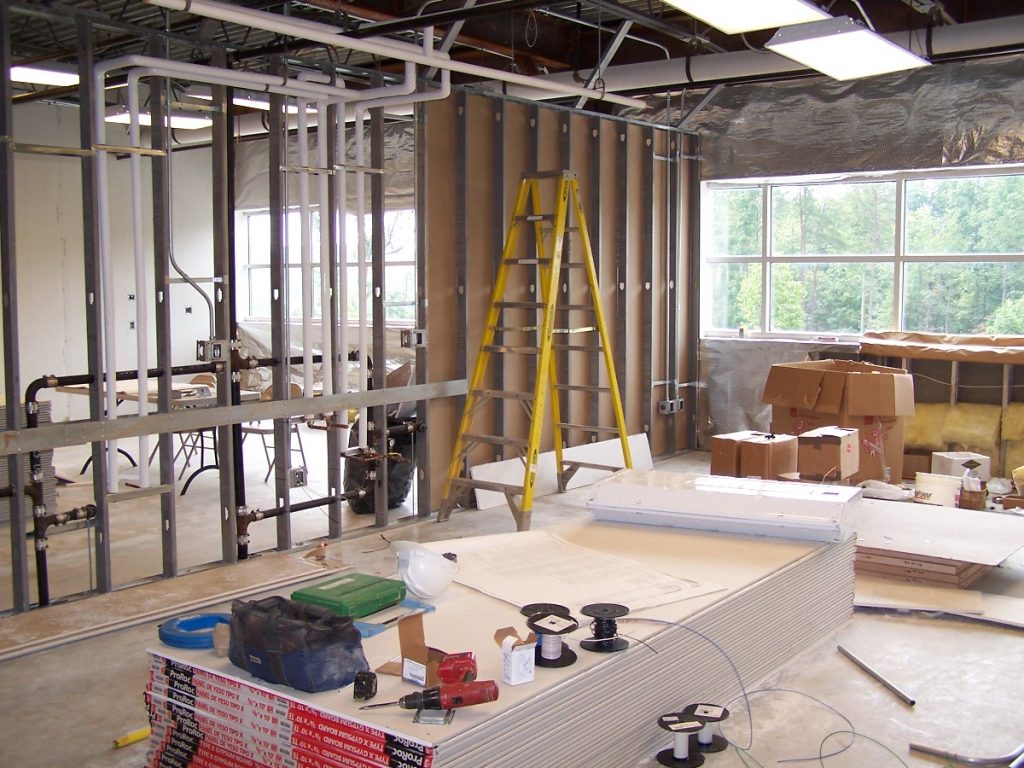
Tenant Improvement Gallery
Explore customized interior build-outs tailored to tenant needs and business operations.

What does our tenant improvement service offer?
Alliance EDS has delivered tenant improvement construction across a broad range of commercial property types in the Denver metro area. Each project is planned and executed with the same commitment to quality, schedule discipline, and budget transparency.
Office renovation projects
From small professional office suites to multi-floor corporate renovations, our team has transformed dated or vacant office spaces into high-performance work environments. Projects typically include new partition systems, updated MEP infrastructure, modern lighting, and finish packages tailored to each client’s brand.
Retail build-outs
We understand that retail construction operates under tight opening deadlines and strict brand standards. Our retail build-out experience covers everything from ground-floor storefront construction to interior merchandising systems, fitting room installations, and point-of-sale configurations.
Medical facility improvements
Medical tenant improvements require precision planning and strict compliance with health, safety, and accessibility codes. Alliance EDS has completed tenant improvement projects for primary care clinics, specialty practices, and ancillary medical offices, including dedicated plumbing for exam rooms, infection control finishes, and ADA-compliant layouts.
Restaurant construction projects
Food service build-outs are among the most complex tenant improvement projects available, involving commercial kitchen plumbing, exhaust ventilation systems, grease trap installations, and front-of-house design. Our team coordinates with health department requirements and equipment suppliers to deliver fully operational restaurant spaces on schedule.
Warehouse and industrial tenant improvements
Industrial tenants often need functional office additions, break room installations, dock modifications, or mezzanine builds within existing warehouse footprints. We deliver these improvements with minimal disruption to ongoing warehouse operations whenever possible.
Specialized commercial build-out expertise
Alliance EDS focuses exclusively on commercial construction. We have deep experience across office, retail, medical, restaurant, and industrial build-out categories, which means we understand the unique code requirements, sequencing challenges, and quality benchmarks specific to each property type.
Integrated design-build services
Our design-build approach combines architectural planning and construction management under one contract. This eliminates the communication gaps that occur when design and construction teams operate separately, compresses the overall project timeline, and gives you a single point of accountability from initial concept through final punch list.
Transparent budget and schedule management
We provide detailed pre-construction cost estimates with clear line items so you know exactly where your money is going before a single wall goes up. Throughout the project, we maintain real-time budget tracking and proactive change order communication so there are no financial surprises at the end. Our teams build projects on time because schedule adherence directly affects your ability to open and operate your business.
Strong permit and compliance knowledge
Commercial tenant improvements require building permits, MEP inspections, occupancy approvals, and in some cases specialized reviews from fire marshals or health departments. Our preconstruction team handles permitting logistics with local jurisdictions across the Denver metro area, including the City and County of Denver, Aurora, Lakewood, and surrounding municipalities. We know what reviewers look for and how to prepare submittals that move through the approval process efficiently.
Focus on business continuity and efficiency
Many tenant improvement projects must be completed in occupied buildings or adjacent to active business operations. Alliance EDS plans construction sequencing to minimize dust, noise, and access disruptions for neighboring tenants. When a client's own business opens on a specific date, we schedule milestones backward from that date and protect the opening deadline as a project-wide priority.
Alliance EDS tenant improvement process
Every tenant improvement project follows a structured process that moves from discovery through delivery. Here is how Alliance EDS manages a project from first conversation to occupancy.
01
Consultation and space assessment
The process begins with a detailed consultation to understand your business operations, design vision, and project budget.
We then conduct a thorough site assessment of the leased space, reviewing existing conditions including the mechanical, electrical, and plumbing systems. This assessment gives us the information needed to develop a realistic scope and cost estimate before you commit to any construction spending.
We recommend scheduling this consultation before you sign your lease. Early contractor input helps verify cost feasibility, identify hidden conditions that could affect your TI allowance negotiations, and confirm that your intended timeline is achievable given local permit lead times.
02
Design and project planning
Once scope and budget are aligned, our design team develops construction documents that translate your business requirements into buildable drawings. These documents cover architectural layouts, reflected ceiling plans, MEP system designs, and finish schedules.
We incorporate your brand standards, accessibility requirements, and operational flow preferences throughout the design development process.
03
Permits and preconstruction coordination
Our team prepares and submits permit applications to the appropriate local jurisdiction. We manage the review process, respond to plan check comments, and track approval timelines.
Simultaneously, we finalize subcontractor selections, order long-lead materials, and complete the project schedule in detail so that construction can begin upon permit issuance without delay.
04
Construction and build-out
Construction begins with a site mobilization and safety review. Work proceeds according to the approved schedule, with Alliance EDS providing daily site supervision and regular progress updates to ownership and project stakeholders.
We conduct ongoing quality control inspections throughout each trade’s work, not just at the end. Subcontractor coordination is managed in-house to prevent scheduling conflicts and to maintain consistent accountability across all trades.
05
Final walkthrough and occupancy support
As construction approaches completion, we conduct a structured punch list walkthrough with the ownership team to document any items requiring correction or final adjustment. All punch list items are resolved before final inspections are scheduled.
We coordinate certificate of occupancy inspections with the local building department and provide close-out documentation including as-built drawings, equipment warranties, and operation manuals so your facilities team has complete records from day one.
Our tenant improvement projects
Below is a summary of the tenant improvement project categories Alliance EDS routinely delivers for commercial clients across the Denver metropolitan area.
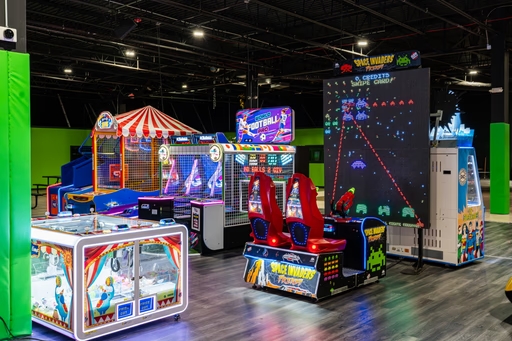
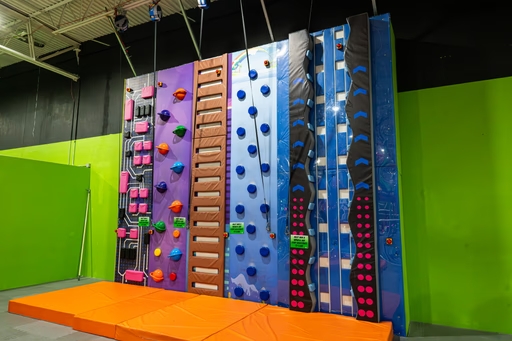
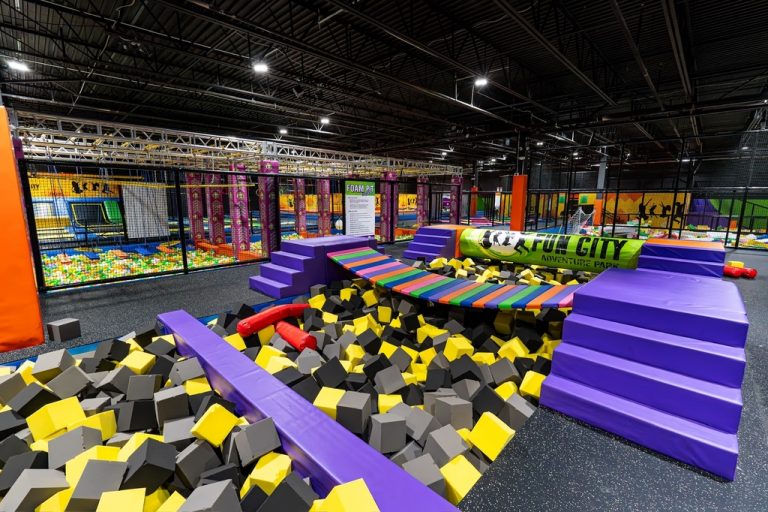
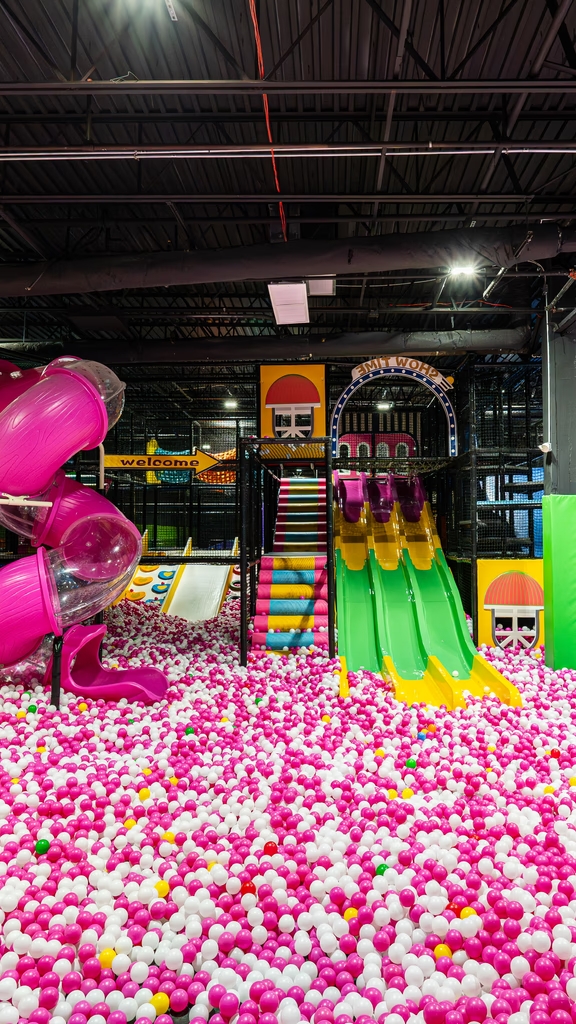
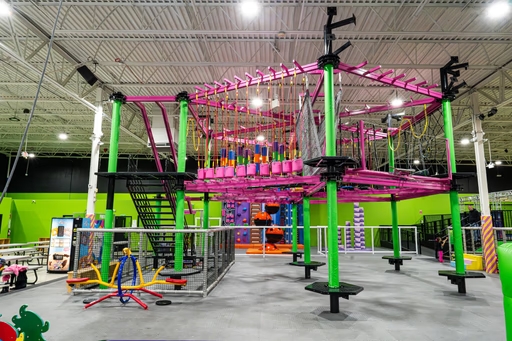
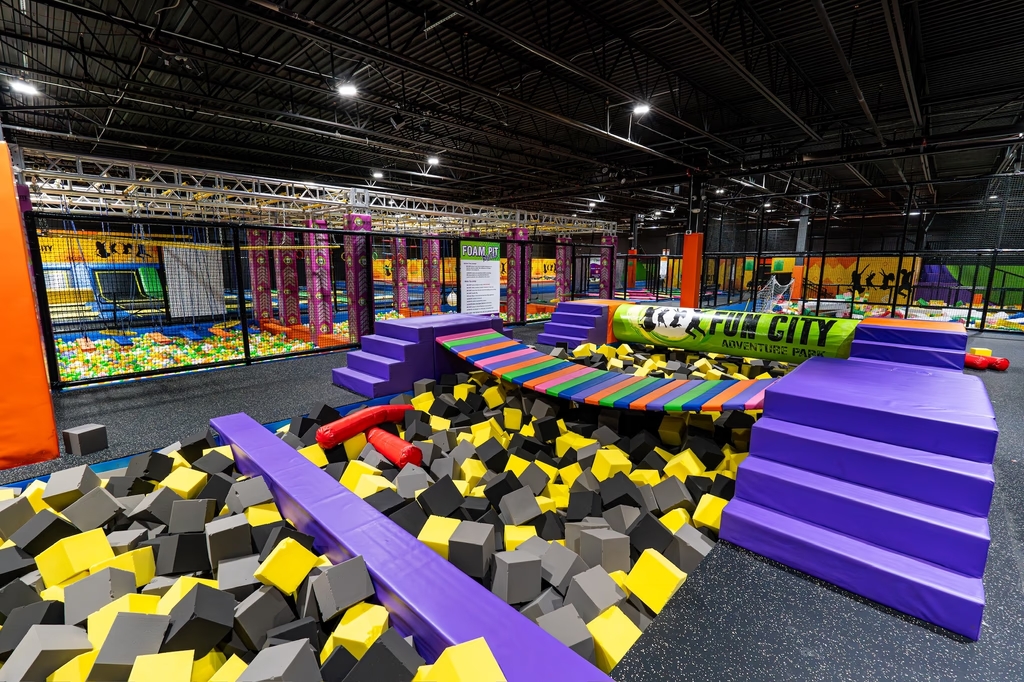
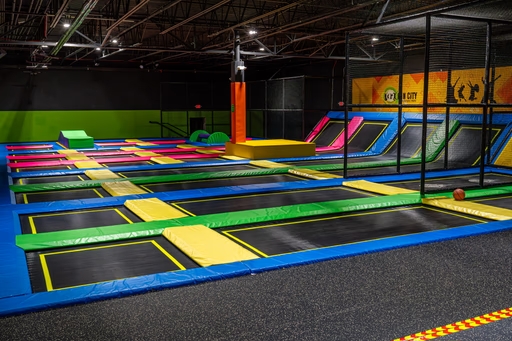
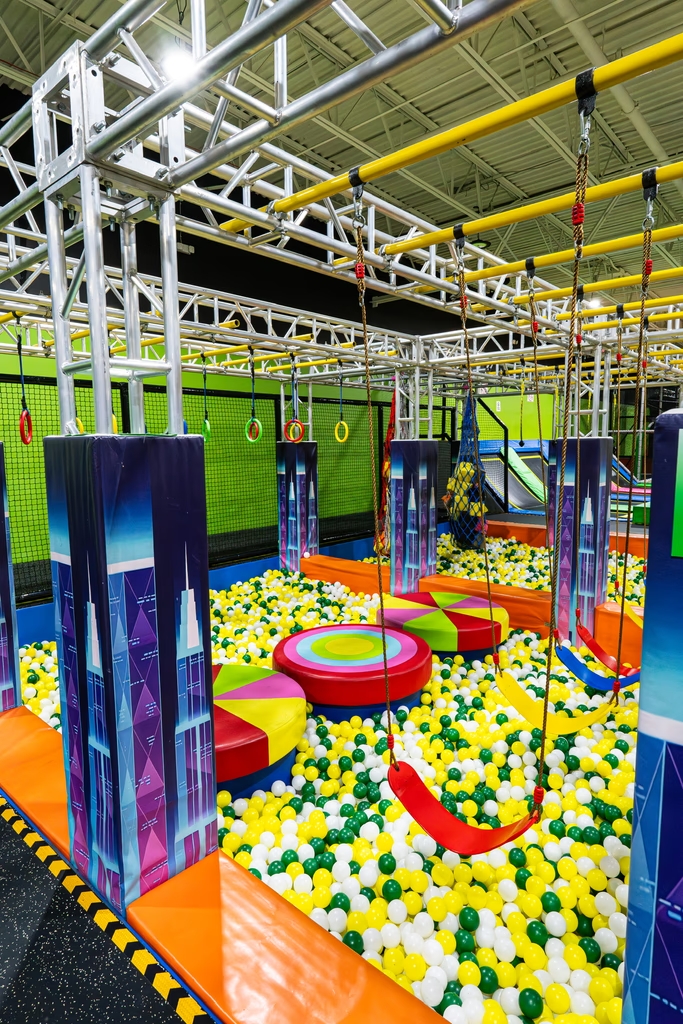
Funcity Trampoline Park - Thornton, CO (2025)
1440 E. 104th Avenue, Thornton, Colorado 80233
Alliance EDS completed the tenant improvement build-out for Funcity Trampoline Park in Thornton, Colorado. The project involved transforming a commercial shell space into a high-energy indoor recreation venue, including structural modifications, specialized flooring systems, safety padding installations, and MEP upgrades to support full occupancy loads. The result is a fully operational trampoline park designed to deliver a safe, dynamic experience for guests of all ages.

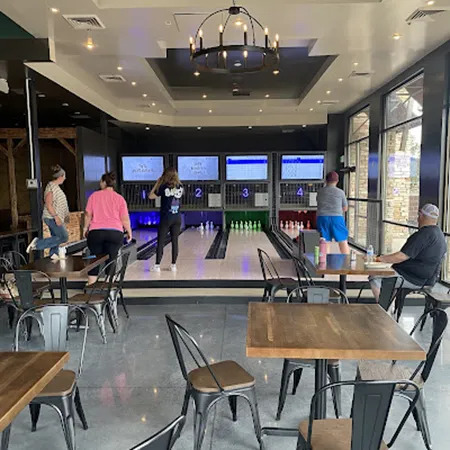
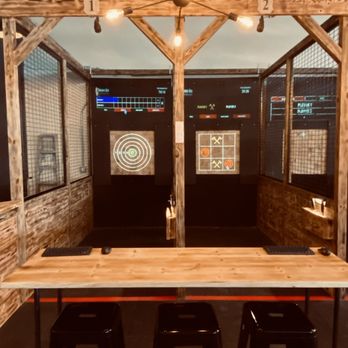
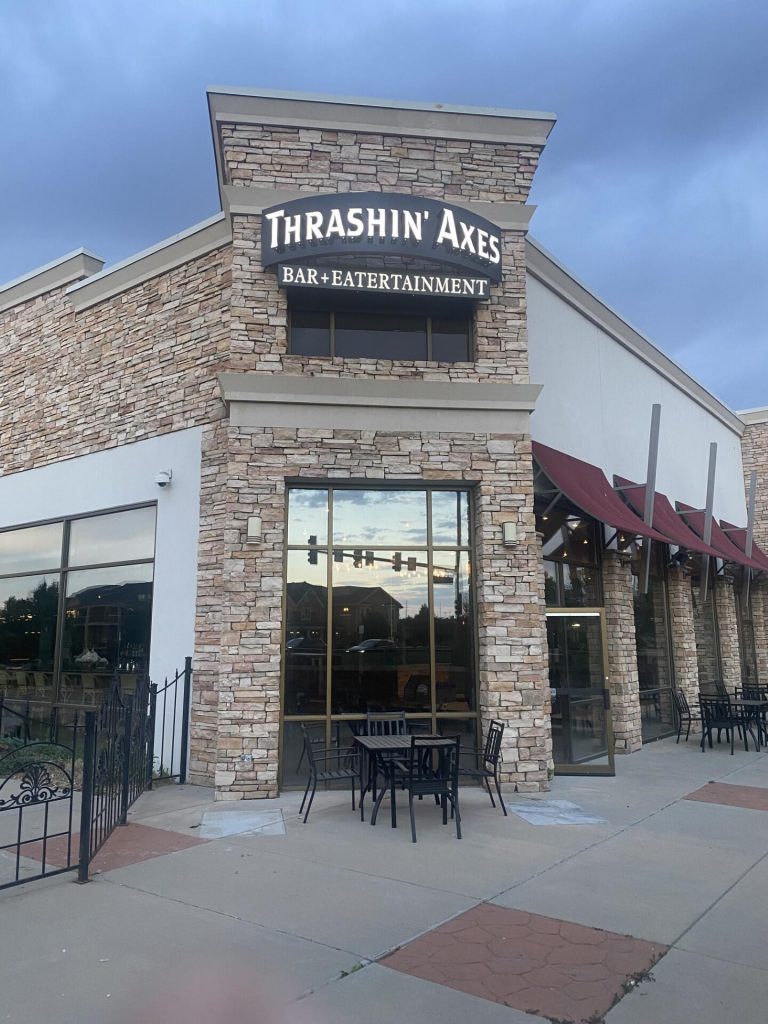
Thrashing Axes - Parker, CO (2024)
18651 E Mainstreet, Parker, CO 80134
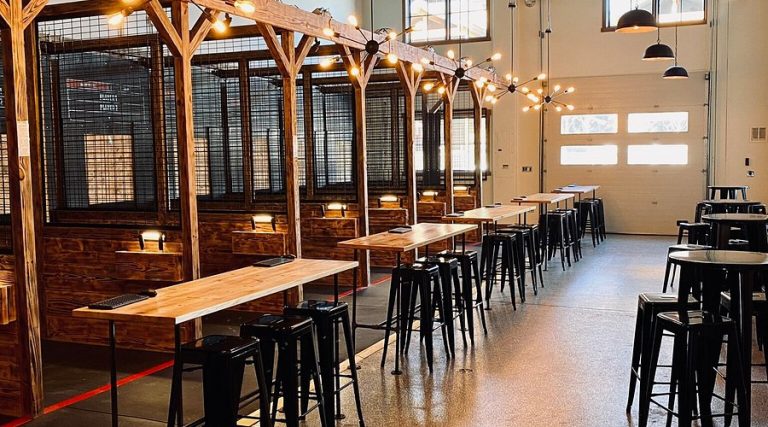
Alliance EDS delivered the tenant improvement construction for Thrashing Axes, an entertainment venue located in Parker, Colorado. The scope included custom lane construction, protective barrier installations, lighting configurations suited to the venue’s atmosphere, and all necessary MEP work to bring the space up to occupancy and safety code requirements.
Massage Parlor - Colorado Springs, CO (2021)
6414 N Academy Blvd, Colorado Springs, CO 80918
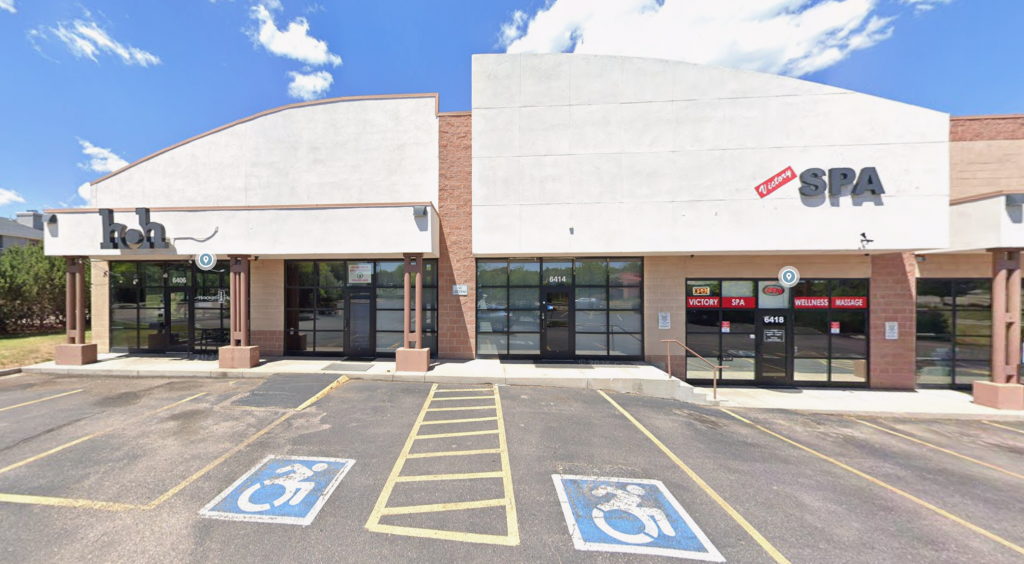
Alliance EDS completed the tenant improvement build-out for a massage and wellness facility in Colorado Springs. The project focused on creating a calm, functional environment suited to professional therapeutic services, including private treatment room construction, acoustic considerations for client comfort, updated finishes, and MEP modifications to meet health and occupancy requirements.
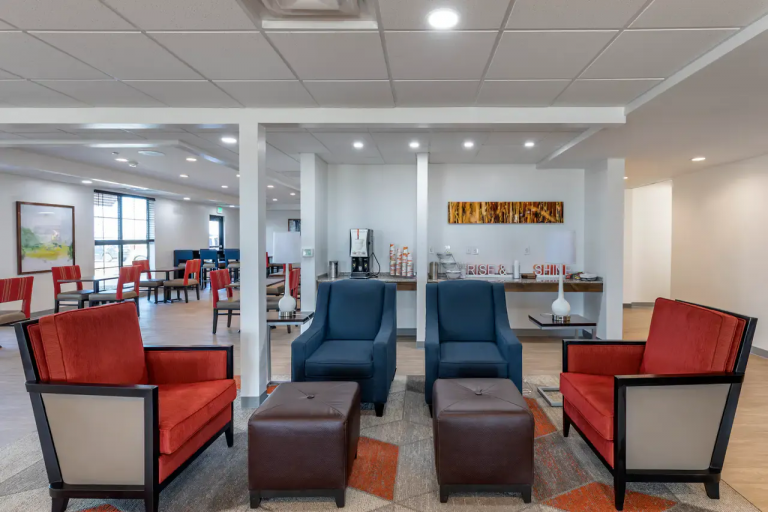
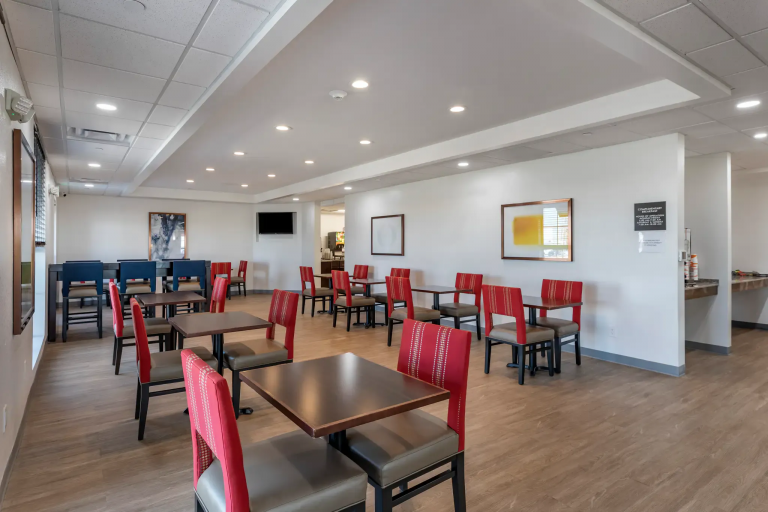
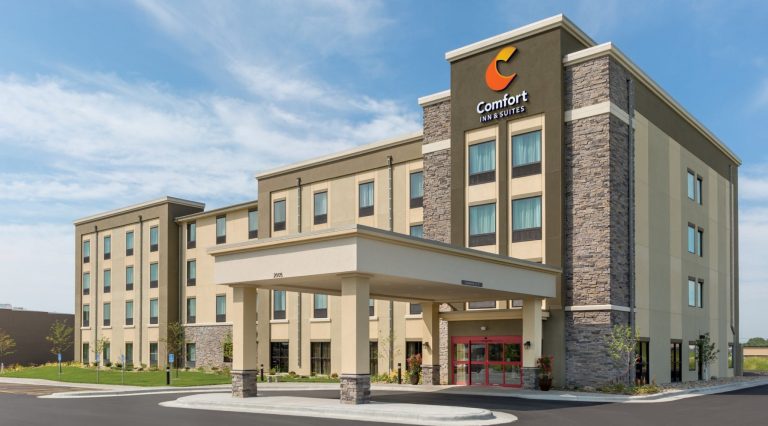
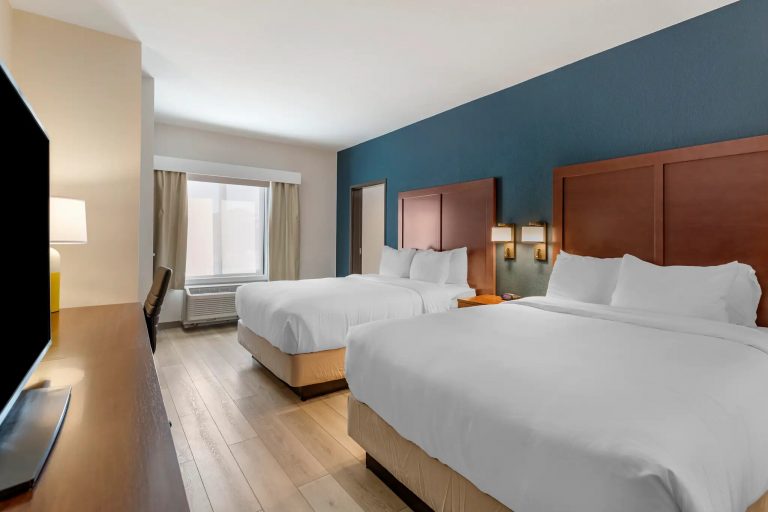
Comfort Inn & Suites - Bennett, CO (2019)
1097 Cedar Street, Bennett, CO 80102
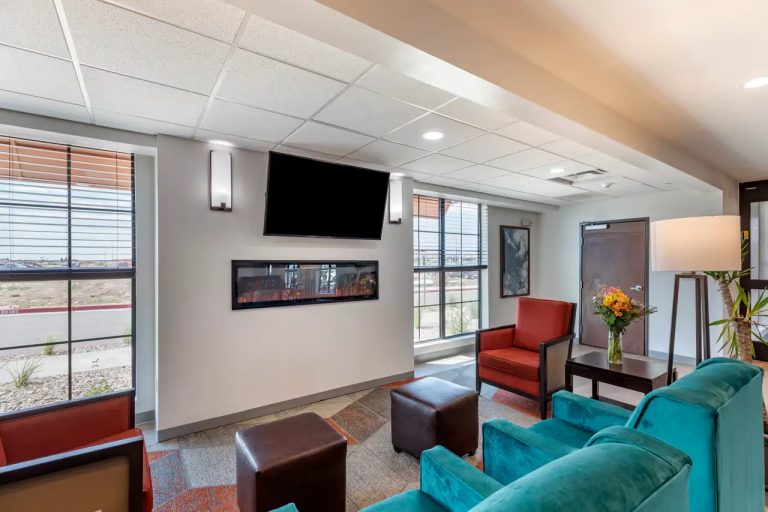
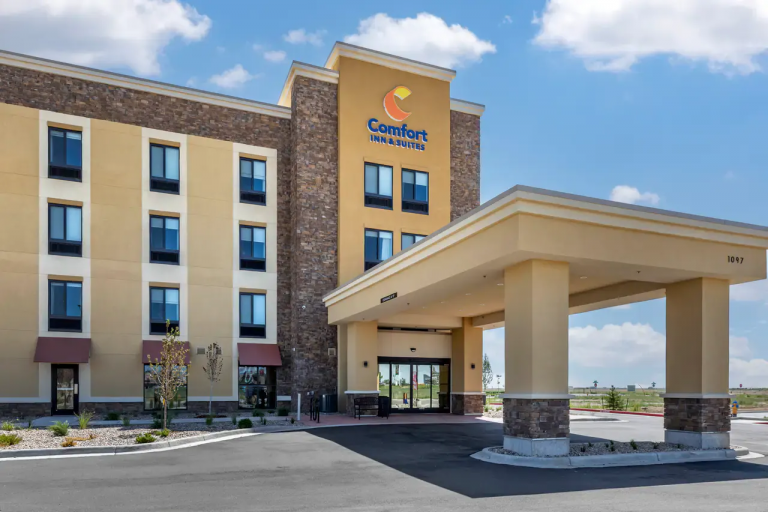
Alliance EDS performed tenant improvement construction for the Comfort Inn & Suites in Bennett, Colorado. The project encompassed interior renovation work across guest-facing and back-of-house areas, including updated finishes, fixture replacements, and MEP modifications to bring the property in line with brand standards and current building codes. The renovated facility delivers a refreshed guest experience while maintaining efficient, reliable operations for hotel management.
Conclusion
A successful tenant improvement project is about more than construction, it’s about creating a space that actively supports your business goals, your employees, and your customers.
The difference between a well-planned tenant improvement and a poorly managed one is often measured in months of delay, tens of thousands of dollars in cost overruns, and the lost revenue that comes from a business that can’t open on schedule.
Whether you’re opening a new office, retail store, medical clinic, restaurant, or warehouse facility, proper planning and the right contractor can save you significant time, money, and frustration. The earlier you bring a qualified commercial contractor into the conversation, the better positioned you are to negotiate a favorable TI allowance, establish a realistic timeline, and avoid the surprises that derail tenant improvement projects at less experienced firms.
Alliance EDS is a Denver-based design-build construction firm specializing in commercial tenant improvements across the Front Range. Our team brings integrated design and construction expertise, transparent budget management, and a proven process to every project we take on.
Ready to get started? Contact Alliance EDS today to schedule a tenant improvement consultation or request a project estimate.
Frequently asked questions (FAQs)
How long do tenant improvements take?
Project duration varies significantly based on the scope of work, the condition of the space, and local permit processing times. Minor cosmetic updates may be completed in 2 – 4 weeks. A standard office build-out involving new partitions, MEP modifications, and finish work typically takes 6 – 12 weeks.
Who pays for tenant improvements?
Costs are typically shared. The landlord provides a TI allowance (a set dollar amount per square foot) to offset construction costs. The tenant covers anything above that amount. Your lease should clearly define how the allowance is structured and how it is disbursed.
What is the difference between a build-out and a tenant improvement?
The terms refer to the same thing but are used in different contexts. “Tenant improvement” is common in leasing and real estate discussions. “Build-out” is the term contractors and construction teams typically use for the physical work. “Leasehold improvement” is the accounting term for the same modifications.
Can a tenant choose their own contractor?
It depends on the lease. Some landlords require tenants to select from an approved contractor list; others allow tenants to bring in their own, subject to licensing and insurance requirements. Review your lease carefully and clarify contractor selection rights before signing.
Should I talk to a contractor before signing a lease?
Yes. A pre-lease consultation helps you estimate build-out costs, assess whether the TI allowance is sufficient, and confirm that your move-in timeline is realistic. Getting this input before signing puts you in a stronger negotiating position.