
Veterinary construction services in Denver | Alliance EDS
Veterinary facilities need more than attractive design, they need efficient workflows, stress-reducing environments, and operational reliability.
From the moment a pet owner walks through the front door to the moment a patient is discharged from recovery, every square foot of a veterinary facility should work in service of care quality, staff performance, and business growth.
Yet veterinary construction is not a standard commercial build. It requires specialized planning across multiple disciplines:
- Animal care environments and patient flow
- Staff workflow efficiency and cross-team coordination
- Infection control and sanitation standards
- Medical equipment integration and infrastructure
- Regulatory compliance at local, state, and federal levels
This guide covers everything veterinary practice owners, hospital administrators, and clinic operators need to know before starting a veterinary construction project.
What is veterinary construction?
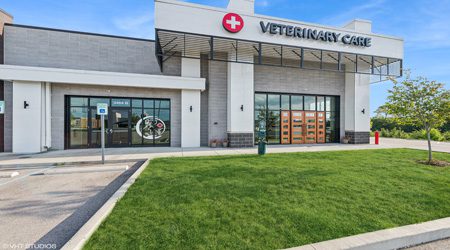
Veterinary construction is the specialized process of designing, building, renovating, or expanding facilities used for veterinary and animal healthcare services.
Unlike general commercial construction, veterinary projects involve a unique intersection of medical-grade infrastructure, animal behavior science, clinical workflow design, and strict regulatory requirements.
A well-executed veterinary construction project accounts for the full spectrum of care delivery, from client-facing reception and exam areas to surgical suites, diagnostic imaging rooms, and patient recovery spaces. The physical environment directly affects treatment outcomes, staff efficiency, and long-term practice growth.
Types of veterinary construction projects
New veterinary clinic construction
Ground-up veterinary clinic construction gives practice owners the opportunity to design a facility from the foundation up, one that reflects current workflows, accommodates planned services, and positions the practice for future growth. New builds allow for:
- Purpose-built patient care environments
- Optimized staff efficiency from day one
- Structural flexibility for future expansion
Veterinary hospital construction
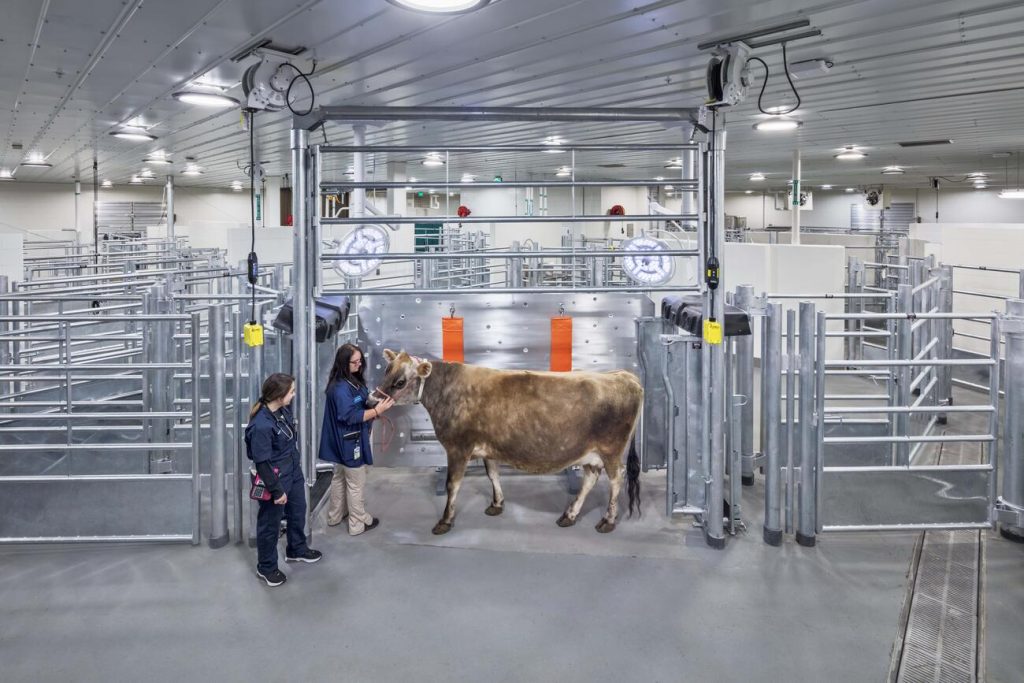
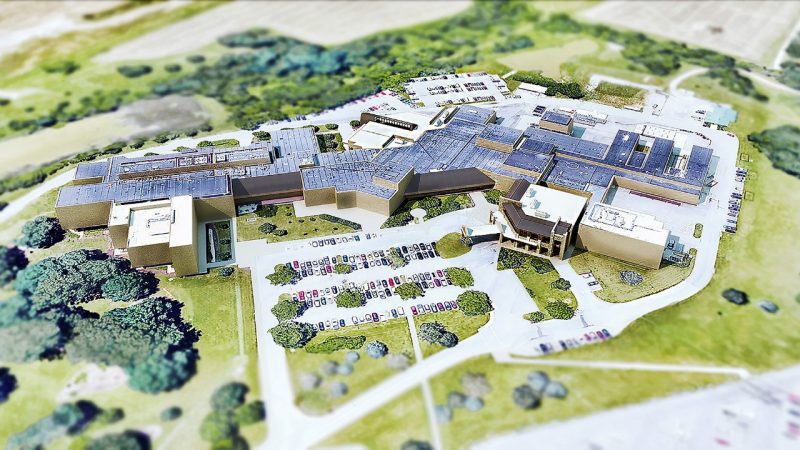
Veterinary hospitals are larger, more complex facilities that support advanced medical services beyond the scope of a standard clinic. These projects require careful planning for:
- Surgical suites and sterile processing areas
- Diagnostic imaging and advanced equipment rooms
- Emergency intake and critical care zones
- Overnight patient care and boarding
Veterinary renovations and expansions
Many established practices reach a point where their current space limits their ability to grow. Veterinary renovation and expansion projects update aging facilities, add treatment capacity, or reconfigure layouts to improve clinical performance – all while minimizing disruption to ongoing operations.
Tenant improvements and veterinary build-outs
Converting an existing commercial space into a functional veterinary clinic or specialty care facility requires significant structural and systems-level modifications. Tenant improvement projects involve upgrading plumbing, electrical, ventilation, and interior finishes to meet veterinary-specific code and workflow requirements.
Specialty and emergency veterinary facilities
Specialty and emergency veterinary facilities serve the most complex patient cases and operate around the clock. These projects demand:
- Specialized medical infrastructure, including advanced imaging and surgical systems
- 24/7 operational planning and redundant systems
- Critical care workflow design that prioritizes speed and precision
Smart zoning and workflow-oriented layout planning
Effective veterinary facility design begins with intelligent zoning—the strategic separation of functional areas to reduce cross-contamination risks and improve patient flow. A well-zoned facility clearly separates public areas, treatment spaces, and surgery and recovery zones. When staff can move efficiently between zones without unnecessary detours or bottlenecks, patient care becomes faster, safer, and less stressful for both animals and team members.
Welcoming reception and client experience areas
The reception area sets the tone for the entire client visit. Veterinary reception and waiting spaces should feel comfortable, organized, and genuinely low-stress for pets and their owners. Common design priorities include spacious waiting areas, separate seating sections for dogs and cats, and intuitive circulation routes that improve the overall client experience.
Functional exam rooms and treatment areas
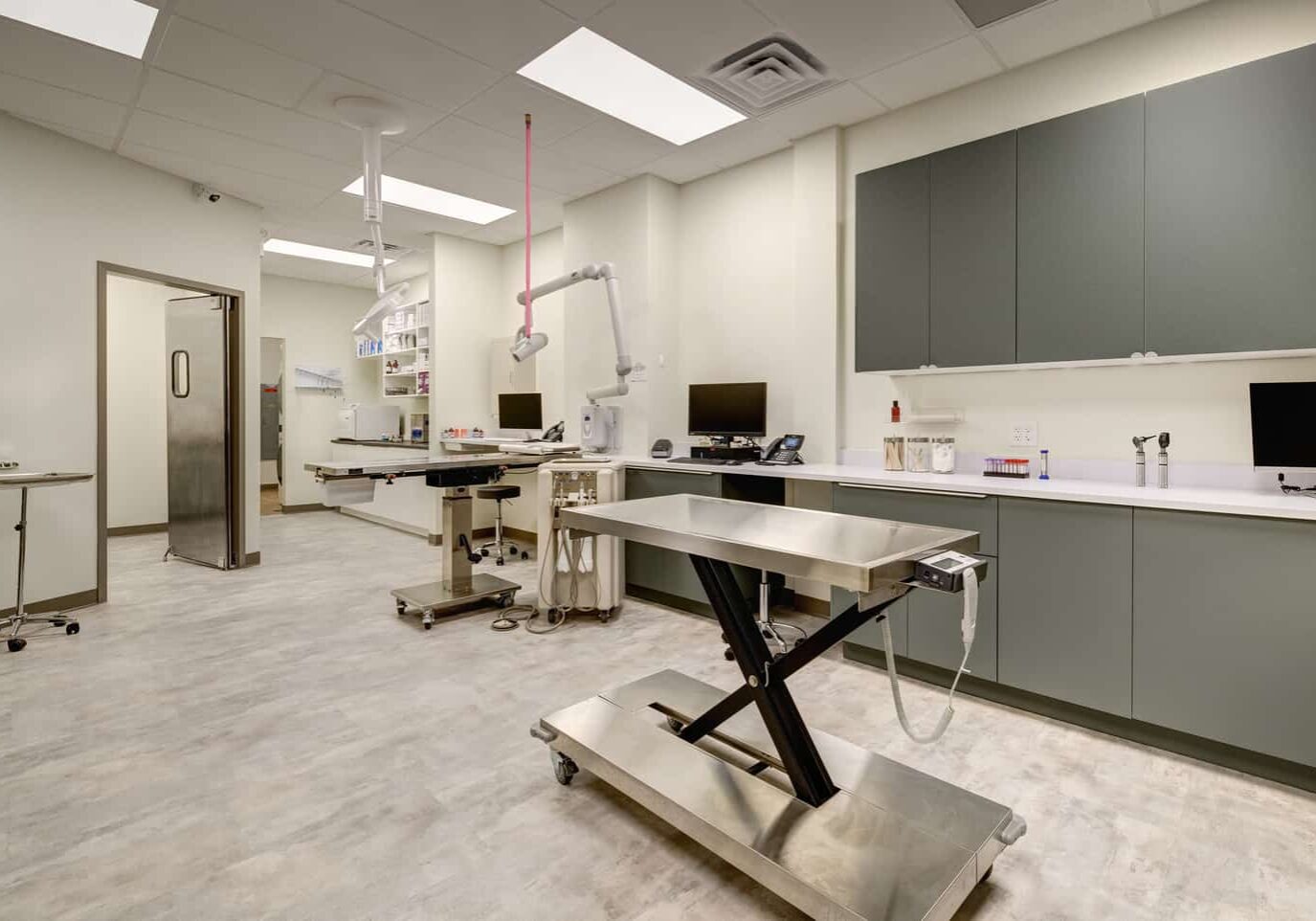
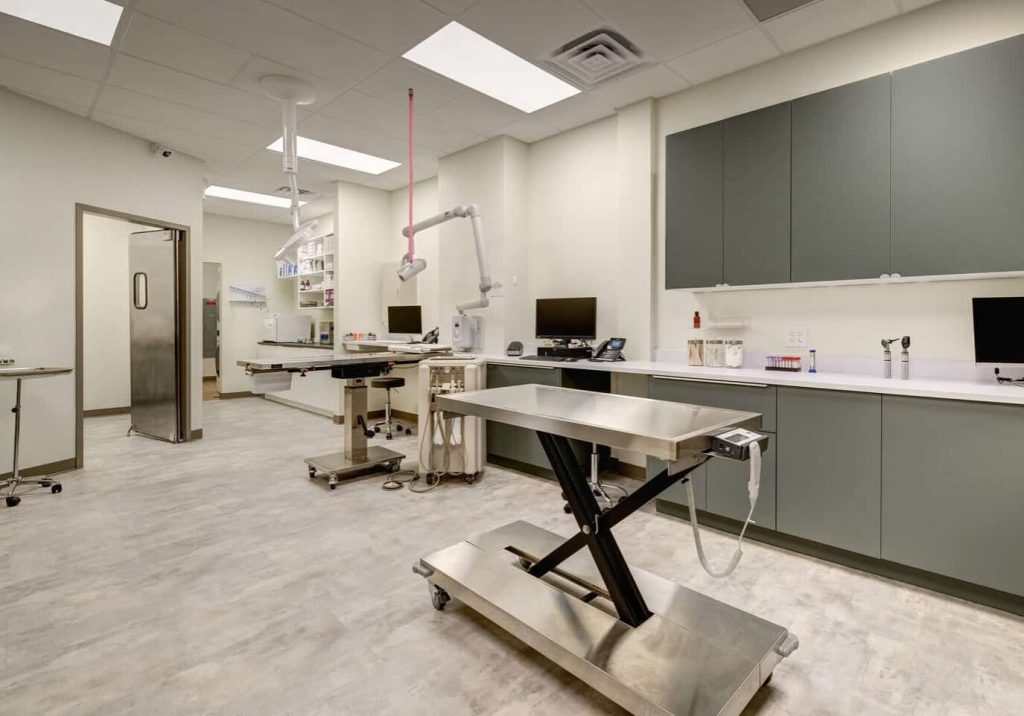
Exam and treatment spaces must support the realities of daily veterinary practice. These rooms should be versatile, easy to clean, and equipped to handle a wide range of patient needs. Best practices include flexible layouts, durable clinical-grade materials, and integrated plumbing, electrical, and equipment infrastructure.
Safe, hygienic, and code-compliant surgical suites
Surgical areas require the same rigorous hygiene and safety standards expected in human healthcare environments. Proper veterinary surgical suites incorporate sterile workflows, specialized ventilation systems, infection-control design strategies, and materials that comply with health and safety regulations.
Dedicated recovery, isolation, and boarding spaces
Post-operative recovery, infectious disease isolation, and boarding functions require dedicated environments designed around patient comfort and safety. These spaces should minimize stress, support continuous observation, and effectively separate contagious animals from the general patient population.
Advanced HVAC and indoor air quality systems
Veterinary facilities place exceptional demands on HVAC performance. High-quality ventilation systems help control odors, improve indoor air quality, and reduce airborne contaminants. Advanced filtration, humidity control, and consistent temperature management are essential for both patient health and staff comfort.
Acoustic design and noise reduction strategies
Excessive noise increases animal anxiety, reduces client comfort, and contributes to staff fatigue. Effective acoustic design incorporates sound-absorbing materials, insulated wall assemblies, and strategic separation between treatment, recovery, and boarding areas to create a calmer environment throughout the facility.
Flexible spaces designed for future growth
Modern veterinary facilities should be designed with adaptability in mind. Future-ready layouts allow practices to integrate new equipment, expand staffing capacity, and introduce additional services without requiring major renovations that disrupt daily operations.
Choosing durable and practical building materials
Material selection directly impacts maintenance, infection control, and long-term performance. Recommended veterinary construction materials include slip-resistant flooring, moisture-resistant wall finishes, and durable clinical-grade cabinetry and countertops designed to withstand demanding daily use and frequent sanitation.
Why choose Alliance EDS for veterinary construction
Alliance Empire Development Solutions (Alliance EDS) brings specialized veterinary facility expertise to every project, combining design and construction into a single, coordinated process that keeps your project on schedule, on budget, and built to serve the demands of clinical care.
Specialized veterinary facility expertise across clinic types, hospital builds, and specialty care facilities
Integrated design-build coordination that eliminates gaps between planning and execution
Focused attention on workflow efficiency and patient comfort throughout every phase
Transparent communication and proactive cost management from initial consultation to project delivery
Flexible, scalable solutions designed to support growing veterinary practices
Alliance EDS veterinary construction services
Alliance EDS provides a comprehensive suite of veterinary construction services tailored to the specific needs of each practice:
Veterinary Clinic Design + Build Services
Veterinary Renovations and Expansions
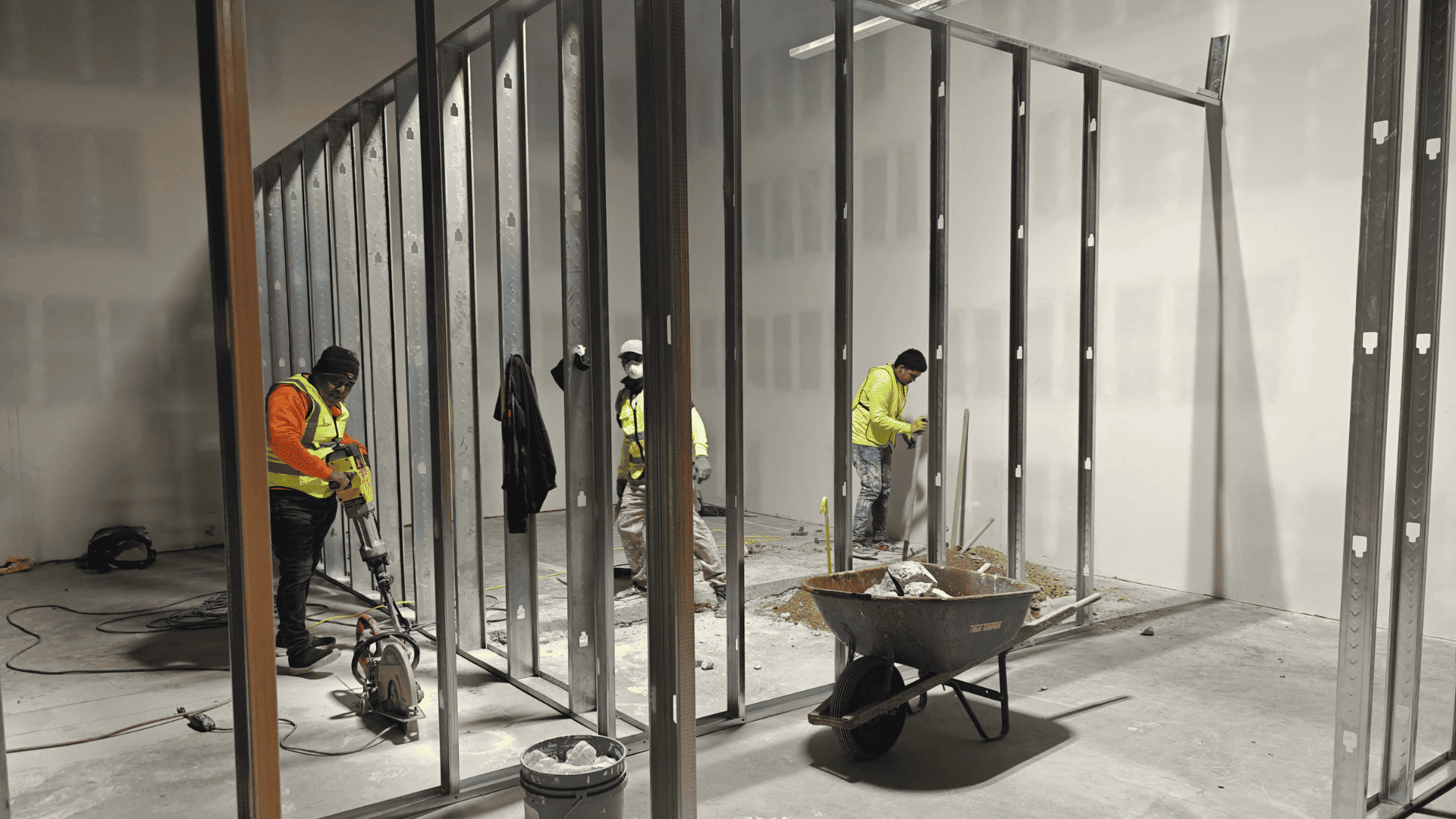
Tenant Improvements and Build-Outs

Structural and Concrete Work
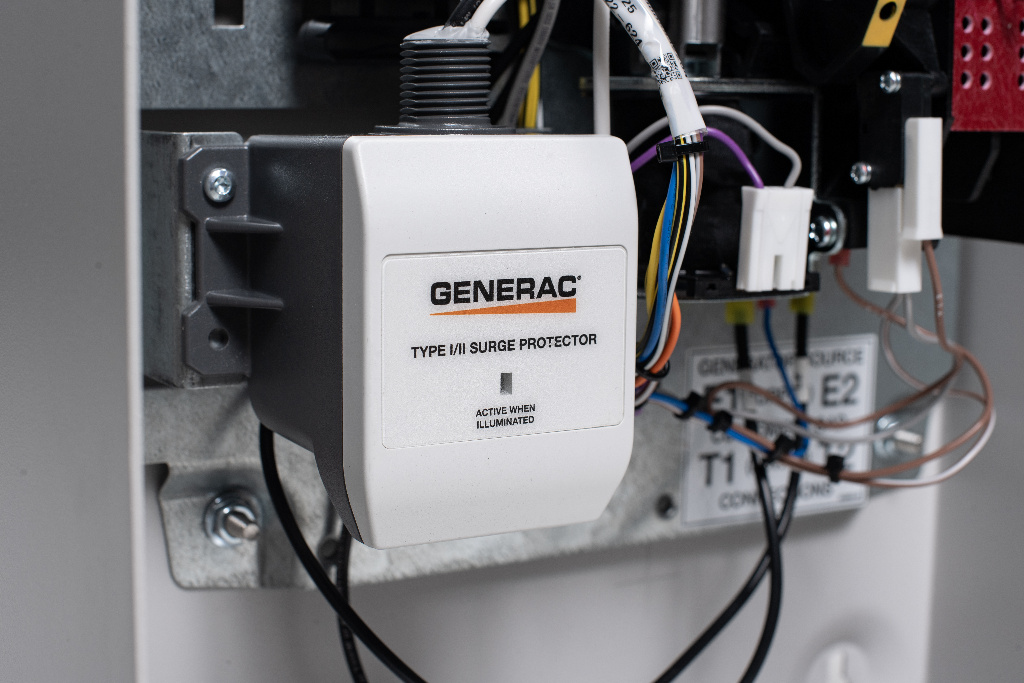
MEP and Specialized Infrastructure Coordination
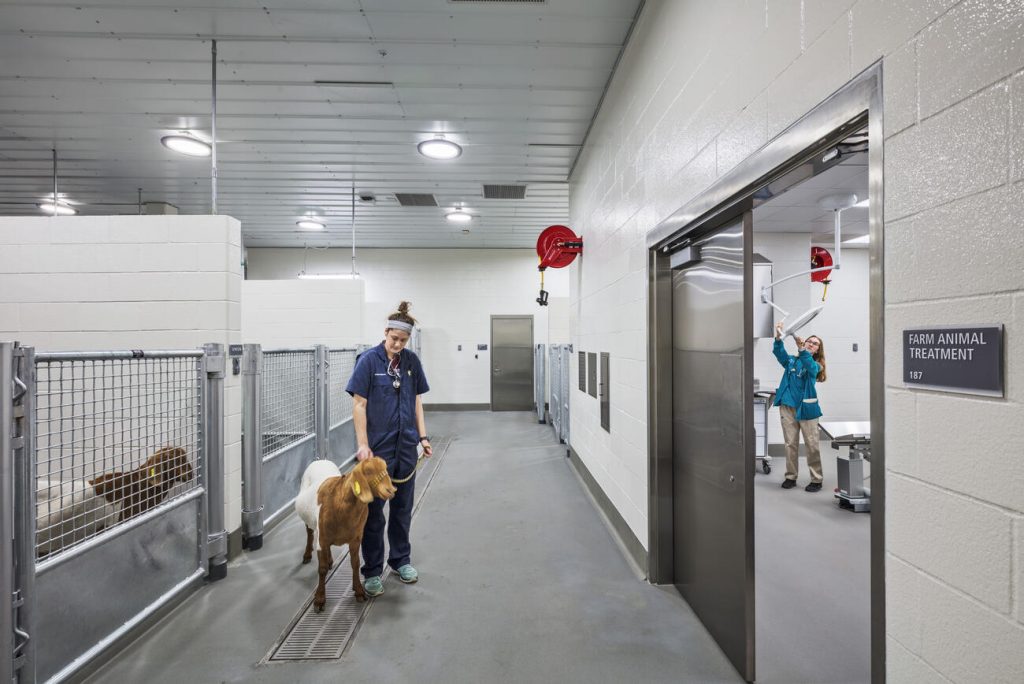
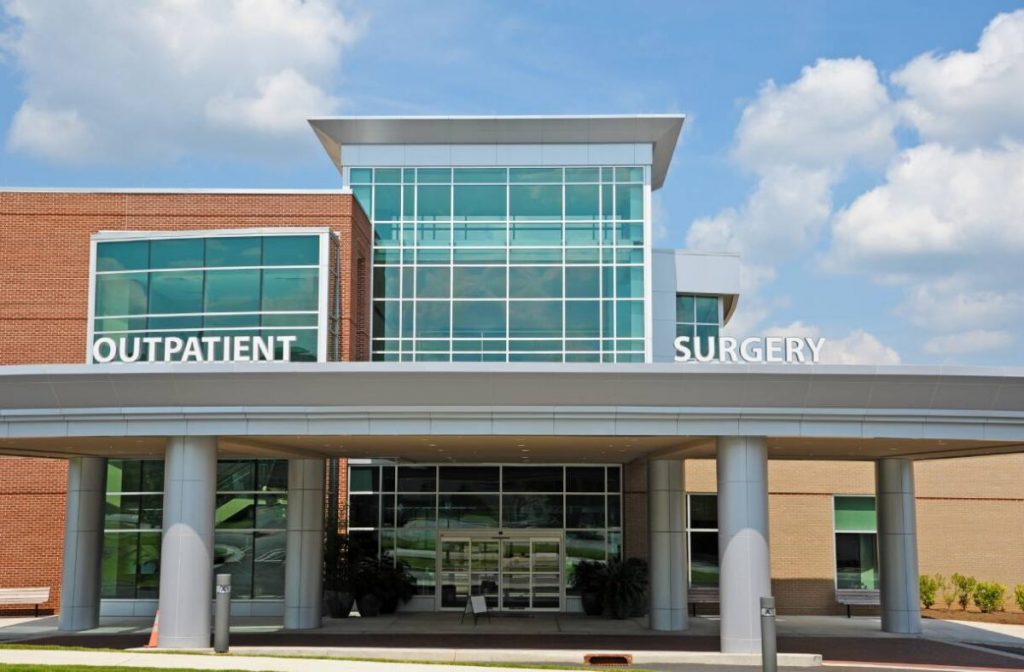
Veterinary Project Gallery
See our veterinary facilities designed for efficient workflows and quality animal care.
Alliance EDS veterinary construction process
01
Planning and practice evaluation
Every successful veterinary construction project begins with a detailed planning process. We conduct workflow analysis, budgeting, scheduling, and feasibility planning to ensure the project scope aligns with your clinical goals and business objectives before a single permit is filed.
02
Design and facility development
During design development, our team works closely with veterinary professionals to optimize space planning, coordinate equipment placement, and finalize operational layouts that support efficient, high-quality care delivery from opening day forward.
03
Permits and preconstruction coordination
Managing permits, procurement, subcontractor scheduling, and pre-construction logistics requires precision and experience. We handle every permitting and preconstruction coordination requirement, keeping the project on track before construction begins.
04
Construction and installation
Construction and installation encompasses structural work, mechanical, electrical, and plumbing systems, specialized medical infrastructure, and full interior build-out. Our teams execute each phase with clinical workflow requirements and regulatory standards as guiding priorities.
05
Final testing and operational readiness
Before project turnover, we conduct final inspections, equipment testing, and occupancy preparation to confirm that every system performs as designed. Our project turnover support ensures your team is ready to operate from the first day your facility opens.
Conclusion
Veterinary construction projects succeed when facility design, workflow efficiency, and patient care work together as a unified system. Getting there requires more than a capable contractor, it requires a team that understands the clinical environment, the operational pressures of veterinary practice, and the long-term value of building a space that grows with your business.
The key to a successful veterinary construction project is:
- Specialized planning that accounts for clinical and regulatory complexity
- Efficient construction management that minimizes disruption to operations
- Long-term operational flexibility built into every design decision
Ready to get started? Contact Alliance EDS today to schedule a veterinary construction consultation or request a project estimate.
Frequently asked questions (FAQs)
What is veterinary construction?
Veterinary construction is the process of building, renovating, or expanding facilities specifically designed for veterinary care and animal healthcare services. It involves clinical workflow planning, specialized infrastructure, infection control design, and compliance with applicable building codes and regulations.
How much does veterinary clinic construction cost?
Costs vary based on facility size, location, scope of services, medical equipment requirements, and overall project complexity. A straightforward tenant build-out will carry a very different price tag than a ground-up veterinary hospital. Alliance EDS provides detailed project estimates tailored to your specific facility goals and budget parameters.
What is Fear Free veterinary design?
Fear Free veterinary design is an approach focused on reducing stress, fear, and anxiety in animal patients during clinical visits. It informs decisions about spatial separation of species in waiting areas, acoustic design, lighting levels, and the overall sensory environment of the facility. Incorporating Fear Free principles into veterinary construction can improve patient behavior, support better clinical outcomes, and enhance the overall client experience.