
Trusted restoration & repair services in Denver I Alliance EDS
When water, fire, mold, smoke, or storm damage hits your home or business, the first few hours matter most. You may be trying to stop ongoing damage, keep your family safe, document the loss for insurance, and figure out who to call all at the same time. That kind of pressure is overwhelming, and it is completely understandable.
Restoration and repair services exist to take that burden off your shoulders. These professional services stabilize your property, clean up damage, prevent further deterioration, and restore affected areas so your building is safe and fully usable again. The sooner the process starts, the better the outcome tends to be.
What are restoration & repair services?
Restoration and repair services are professional services used to clean, stabilize, restore, and rebuild property following damage from water, fire, smoke, mold, storms, sewage, biohazards, or other emergencies.
2 core concepts apply to nearly every project:
- Restoration focuses on returning the property to a safe, usable, pre-damage condition. This includes extraction, drying, cleaning, and decontamination.
- Repair focuses on fixing or replacing physical materials that were damaged beyond recovery, such as drywall, flooring, framing, or roofing.
Most real-world projects involve both. Emergency mitigation work comes first, followed by reconstruction once the property is stabilized and dry.
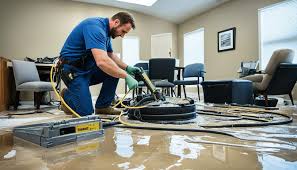
Types of restoration & repair services
Property damage takes many forms, and the approach changes based on the source and severity of the problem. Below is an overview of the most common restoration and repair service categories.
Water damage is one of the most frequent property emergencies homeowners and businesses face. Common causes include:
- Burst or leaking pipes
- Appliance failures, such as washing machines or dishwashers
- Roof leaks during storms
- Flooding from heavy rain or overland flow
- Sprinkler system discharge
- Overflowing toilets or bathtubs
- Water heater failures
- Storm intrusion through windows, doors, or foundations
Professional water damage restoration typically includes the following services:
- Source identification and stoppage
- Water extraction using truck-mounted or portable equipment
- Moisture mapping to locate hidden saturation
- Drying using commercial-grade air movers and dehumidifiers
- Removal of unsalvageable materials such as wet drywall or saturated insulation
- Mold prevention steps during and after the drying process
- Repair of flooring, drywall, trim, and other affected surfaces
- Final moisture verification to confirm drying goals have been reached
Important: Water migrates quickly into wall cavities, beneath flooring, into cabinets, and through insulation. Drying should begin as soon as possible after the source is controlled, as delay significantly increases both damage and remediation costs.
Fire damage extends well beyond what the flames directly burned. Smoke, soot, and corrosive residues travel throughout a structure and affect surfaces that were never touched by fire. Water from firefighting efforts adds an additional layer of damage that must be addressed promptly.
Fire and smoke restoration services include:
- Emergency board-up of windows, doors, and openings
- Roof tarping to prevent weather intrusion
- Debris removal and unsafe material disposal
- Smoke and soot cleaning from walls, ceilings, and contents
- Odor removal using thermal fogging, ozone treatment, or hydroxyl generators
- Air filtration to reduce airborne particulates
- Contents cleaning and salvage for personal belongings
- Structural repair and reconstruction of damaged areas
Mold is primarily a moisture problem. It grows when excess moisture is present in a structure for an extended period, often as a result of unaddressed water damage, plumbing leaks, or chronic humidity. Safe and effective mold remediation addresses both the mold itself and the underlying moisture source.
Standard mold remediation services include:
- Mold inspection and assessment
- Moisture source identification and correction
- Containment to prevent cross-contamination
- Air filtration using HEPA-equipped air scrubbers
- Removal of contaminated materials such as drywall, insulation, and flooring
- Cleaning and antimicrobial treatment of affected surfaces
- Drying and environmental correction
- Post-remediation verification when appropriate
Mold should never be simply painted over or masked with surface treatments. Unless the moisture source is corrected first, mold will return.
Severe weather can cause rapid, widespread damage across multiple systems of a building in a single event. Common storm damage types include:
- Roof damage from wind, hail, or fallen trees
- Wind-driven rain intrusion through windows, doors, and roof decking
- Broken or shattered windows and damaged siding
- Flooding from storm surge, overland flow, or overwhelmed drainage
- Structural openings left by fallen debris or uprooted trees
Storm damage restoration services typically include:
- Emergency tarping of roof openings
- Board-up of broken windows and compromised openings
- Debris removal and site clearing
- Water extraction from interior flooding
- Structural stabilization where needed
- Roof, siding, window, and interior repairs
Sewage backups and biohazard situations involve contaminated materials that pose serious health risks. Bacteria, viruses, and hazardous substances require specialized handling and disposal that goes beyond standard cleaning methods.
Sewage and biohazard cleanup services include:
- Containment of affected areas
- Safe removal of contaminated materials
- Thorough disinfection of surfaces and spaces
- Odor elimination
- Drying of affected areas
- Proper disposal of hazardous waste in accordance with applicable safety requirements
Restoration is not limited to the building itself. Personal belongings, furniture, business equipment, documents, electronics, and inventory may also be affected and can often be saved with professional cleaning and treatment.
Contents restoration services may include:
- Detailed inventory of all affected items
- Careful packing and removal from the damaged property
- Cleaning of salvageable belongings using appropriate techniques
- Odor treatment for smoke, mold, or sewage contamination
- Temporary storage in a controlled facility during restoration
- Return and reinstallation of cleaned items after repairs are complete
Once mitigation and drying are complete and environmental testing confirms the space is safe, physical repairs begin. Structural repair and reconstruction services may include:
- Drywall removal and replacement
- Flooring repair or full replacement
- Framing and subfloor repair
- Cabinet and millwork replacement
- Interior painting and finishing
- Roofing repair or replacement
- Siding repair or replacement
- Trim and finish work
- Insulation replacement
- Full reconstruction for total losses or severely damaged areas
When do you need professional restoration services?
Minor cosmetic issues do not always require a professional restoration company. A small scuff, a hairline crack, or a slow drip caught immediately may be manageable with routine repairs.
However, damage that involves hidden moisture, contamination, fire exposure, or structural compromise almost always requires professional attention to be fully and safely resolved.
Why choose Alliance EDS for restoration & repair services
Choosing the right restoration partner makes a significant difference in the speed, quality, and cost of recovery. Here is why property owners and managers trust Alliance EDS:
Fast emergency response
Property damage does not follow business hours. Our team is available to respond quickly when emergencies occur, because the speed of initial mitigation directly affects the final cost and extent of repairs.
Comprehensive restoration and reconstruction services
From the first emergency call through final reconstruction, Alliance EDS handles every phase of the process. You do not need to coordinate multiple contractors across cleanup and repair work.
Insurance claim support
Navigating a property damage claim adds stress to an already difficult situation. We provide thorough documentation, detailed estimates, and direct communication with insurance adjusters to help your claim move forward smoothly.
Experienced and certified professionals
Our restoration technicians are trained and experienced across water, fire, mold, storm, and biohazard restoration. We apply industry-recognized standards and current best practices to every project.
Transparent communication throughout the project
You will know what we are doing, why we are doing it, and what comes next. We keep you informed at every stage so there are no surprises.
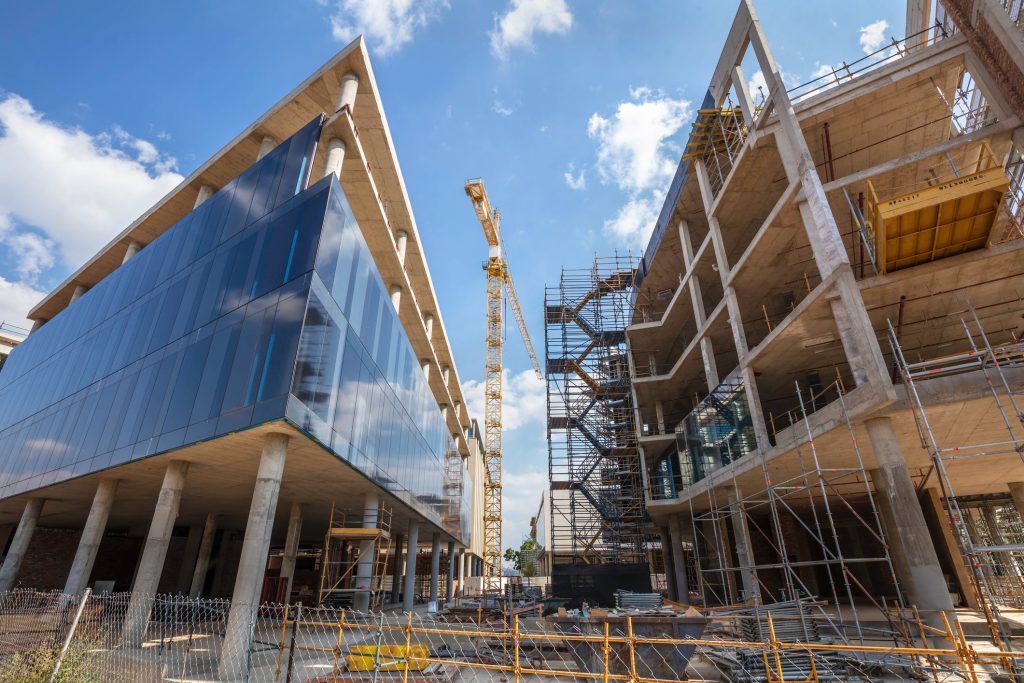
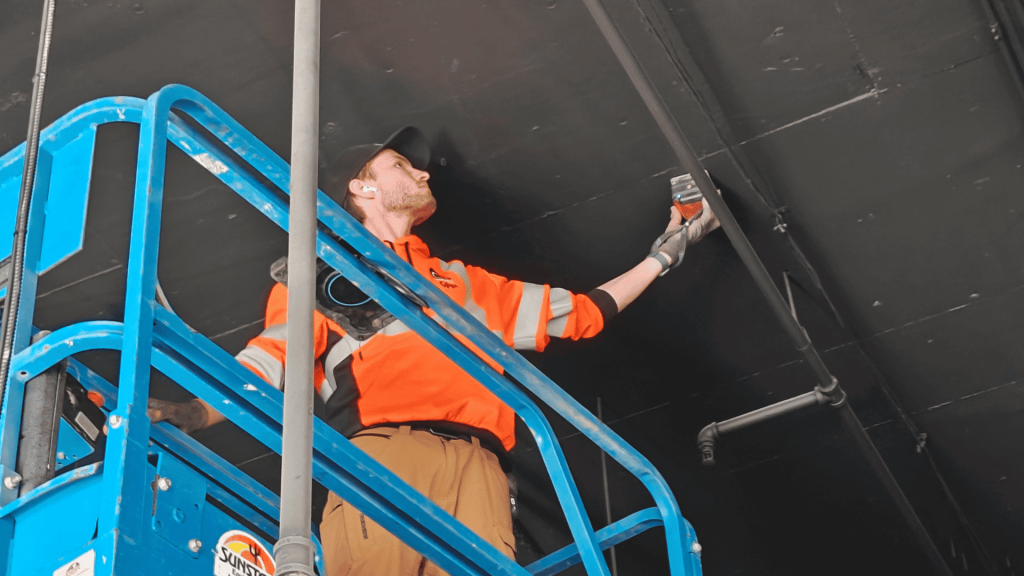
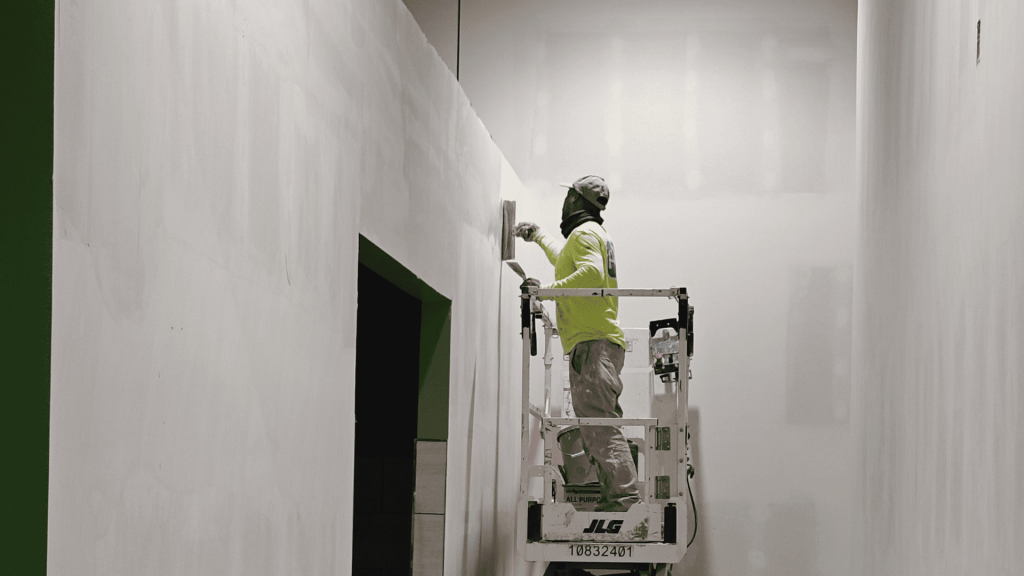
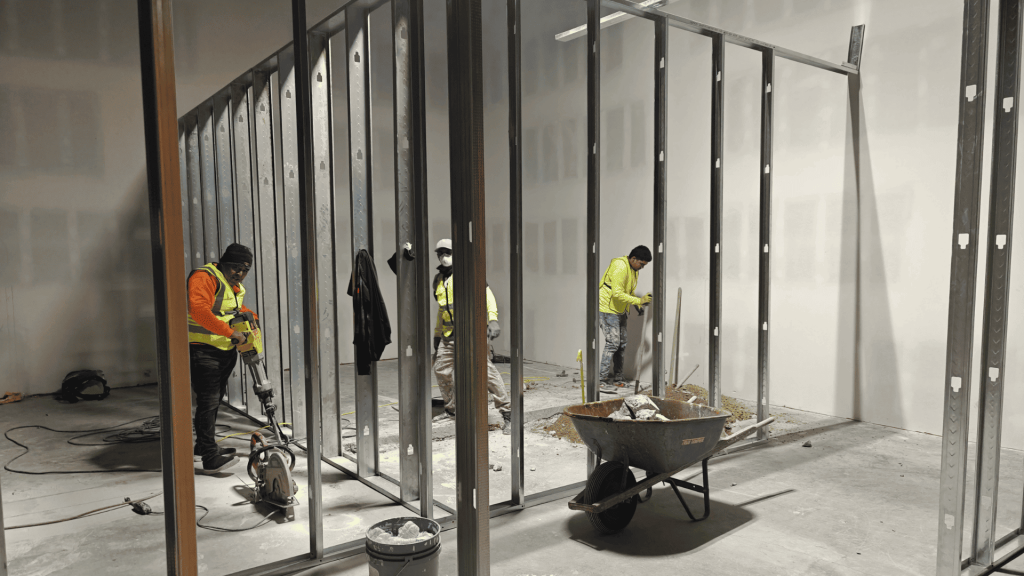
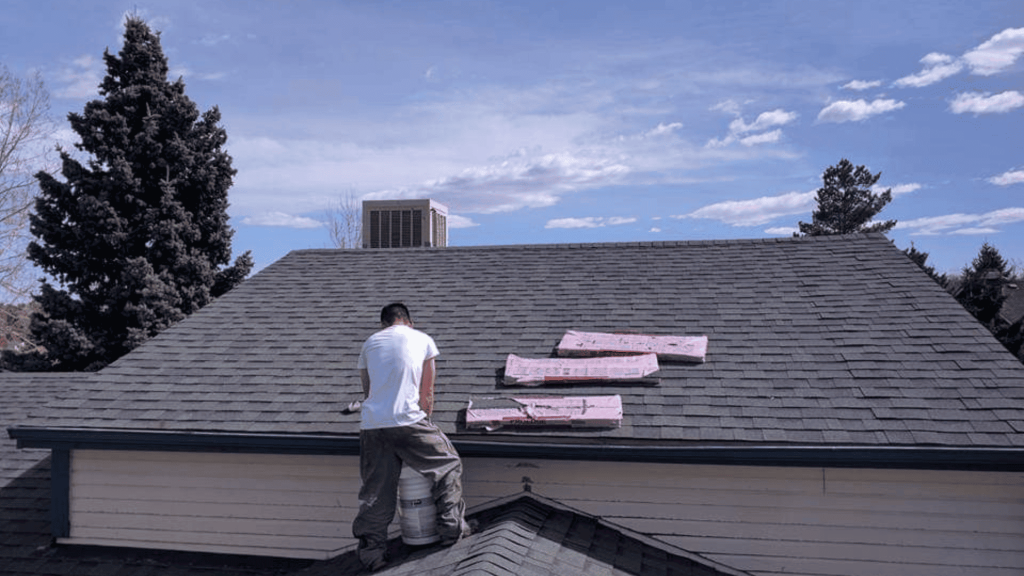
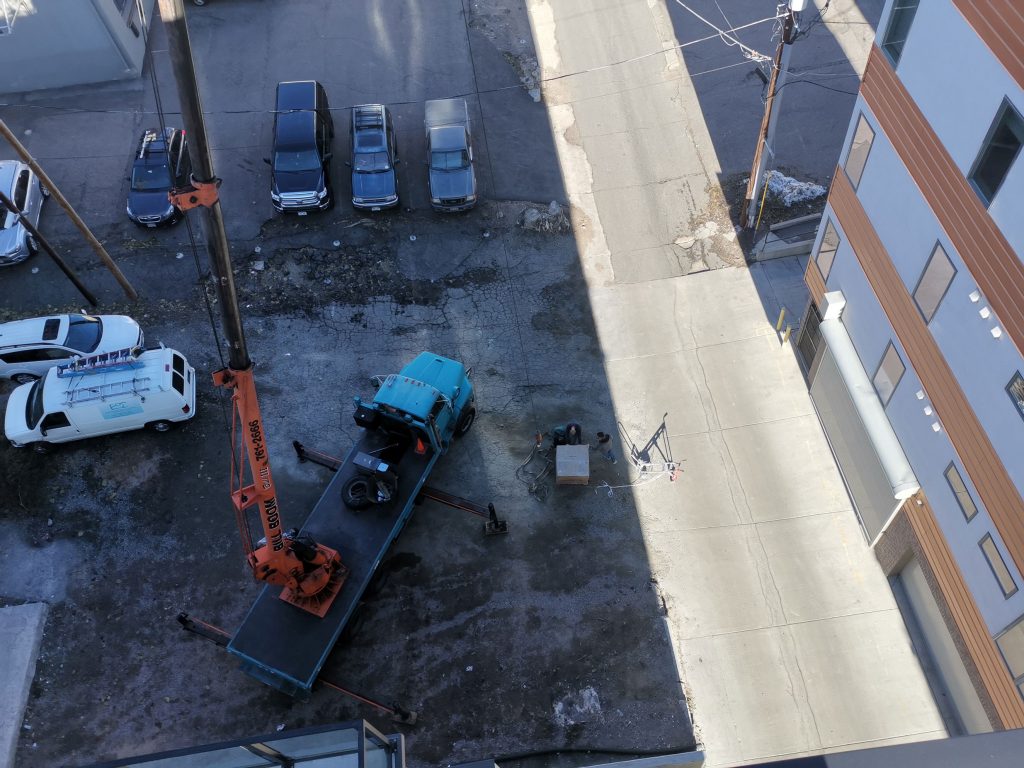
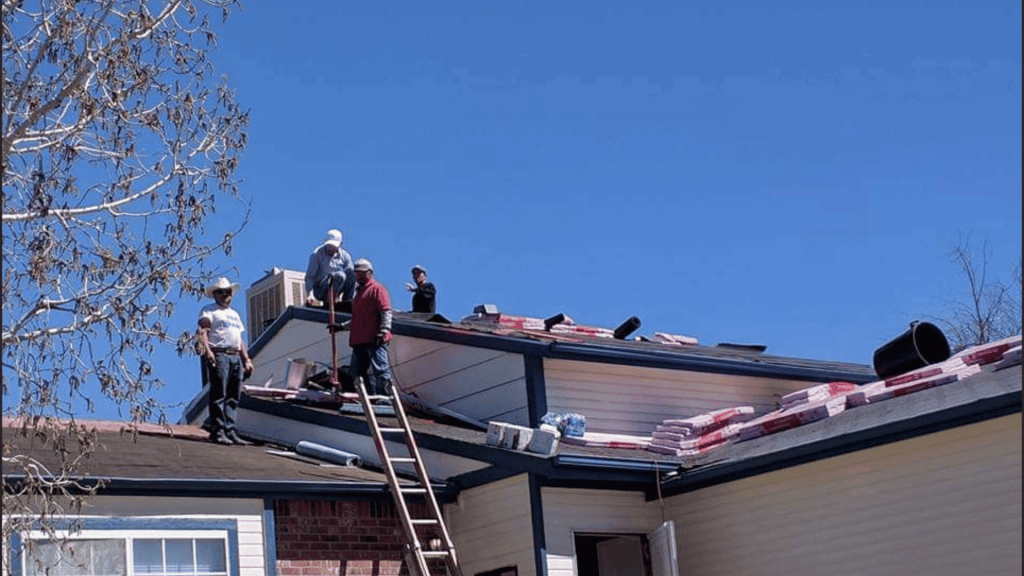
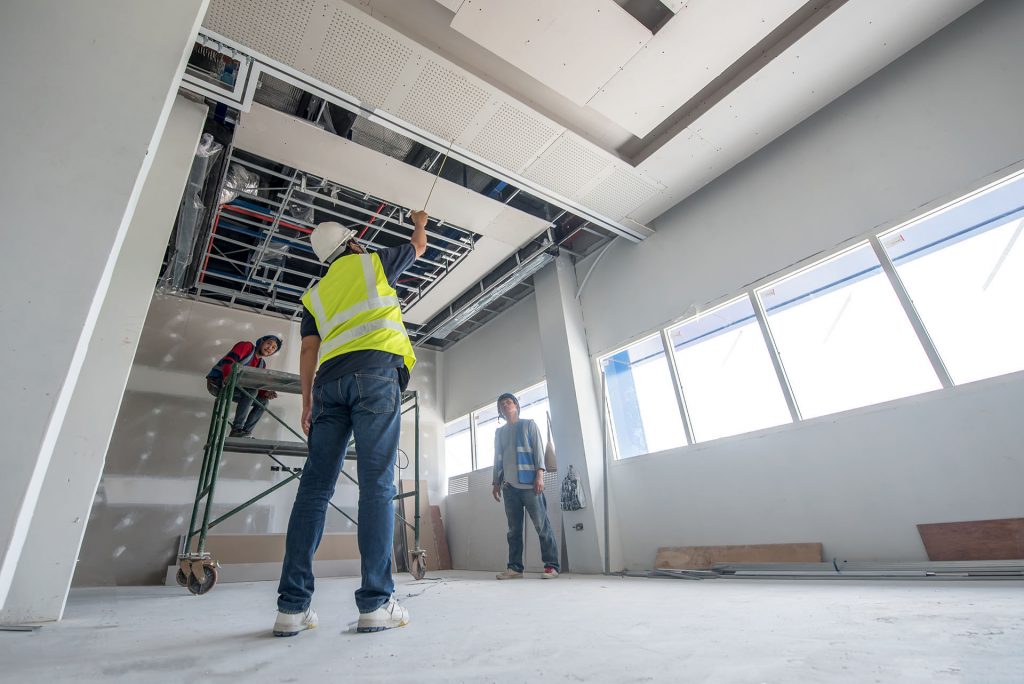
Restoration & Repair Gallery
See how we restore and repair properties to bring them back to optimal condition.
Our restoration & repair process step by step
Every restoration project follows a structured process designed to stabilize the property quickly, document everything needed for insurance, and restore it to a safe and functional condition.
01
Emergency contact and initial guidance
When you call, our team gathers the key information needed to respond effectively: what happened, when it occurred, any immediate safety concerns, insurance details, and whether the damage source is still active. This allows us to prioritize the right resources and give you immediate guidance on what to do while help is on the way.
02
Inspection and damage assessment
Upon arrival, we conduct a thorough assessment of the property, including:
- Moisture readings across affected and adjacent materials
- Visual review of all visible damage
- Identification of safety hazards
- Source of damage determination
- Scope of affected materials and systems
- Identification of potential hidden damage
- Photo documentation for your records and insurance carrier
03
Emergency mitigation
Mitigation is the work performed to stop active damage and stabilize the property. Depending on the situation, this may include:
- Water extraction to remove standing and absorbed water
- Emergency board-up of compromised openings
- Roof tarping to prevent weather intrusion
- Containment barriers for mold or biohazard situations
- Temporary power or drying equipment setup
- Debris removal from areas affecting safety
- Structural stabilization where required
04
Drying, cleaning, and decontamination
Once the property is stabilized, the drying and cleaning phase begins. This phase may involve:
- Placement of commercial air movers to accelerate drying
- Industrial dehumidifiers to maintain proper drying conditions
- HEPA air filtration to control airborne contamination
- Surface cleaning and antimicrobial treatment where appropriate
- Odor control measures
- Safe removal and disposal of materials that cannot be effectively restored
05
Monitoring and documentation
Drying is not a one-visit process. We monitor the property throughout the drying period and maintain detailed records, including:
- Daily or regular moisture readings and drying logs
- Documentation of drying progress against established targets
- Equipment placement records
- Photographs at each stage
- Records of materials removed
- Work authorization documentation
- Insurance estimate support and communication as needed
06
Repairs and reconstruction
Once mitigation is complete and drying goals have been confirmed, damaged materials can be repaired or replaced. This phase covers everything from replacing drywall and flooring to full structural reconstruction, depending on the scope of the loss. We coordinate the repair phase to minimize disruption and get you back to normal as efficiently as possible.
07
Final walkthrough
Before the project closes, we conduct a final walkthrough to:
- Confirm all repairs are complete and meet quality standards
- Review any cleaned or restored contents returned to the property
- Address any remaining odor concerns
- Confirm documentation is complete for your insurance file
- Discuss prevention tips to reduce the risk of future damage
How long does restoration take?
Timeline varies based on the type of damage, severity, insurance approvals, material availability, and any structural repairs required. Below are general estimates for common restoration scenarios.
| Restoration Type | Typical Timeline |
|---|---|
| Water damage restoration | Several days to a few weeks |
| Fire damage restoration | Several weeks to several months |
| Major reconstruction projects | Several months, depending on severity |
Factors that affect the overall timeline include:
- Extent and depth of damage
- Speed of insurance approvals and adjuster involvement
- Availability of materials and subcontractors
- Scope of structural repairs required
Starting the mitigation process quickly is the single most effective way to shorten the overall timeline and reduce total costs.
Conclusion
Property damage of any kind, whether from water, fire, mold, storms, or sewage, can feel overwhelming in the moment. But fast, coordinated action reduces repair costs, health risks, and the time your home or business is out of commission.
The right restoration partner will help you:
- Protect your property from further damage during the critical early hours
- Navigate the insurance claims process with confidence
- Restore your home or business efficiently, safely, and completely
Contact Alliance EDS for emergency restoration services, a damage assessment, or a restoration consultation. The sooner you call, the sooner recovery begins.
Frequently asked questions (FAQs)
What does a restoration company do?
A restoration company responds to property damage emergencies and handles the full scope of cleanup, drying, decontamination, and structural repair needed to return a property to its pre-damage condition. Services typically include emergency mitigation, drying, mold prevention, contents cleaning, and reconstruction.
What is the difference between restoration and repair?
Restoration refers to the process of stabilizing and returning a property to a safe, usable state after damage, including extraction, drying, cleaning, and decontamination. Repair refers to fixing or replacing materials that were physically damaged, such as drywall, flooring, or roofing. Most restoration projects involve both.
How quickly should I respond to water damage?
As quickly as possible. Water migrates into structural materials rapidly, and delays of even 24 to 48 hours can significantly increase the scope of damage and the potential for mold growth. Professional drying equipment should be deployed as soon as the source is controlled.
Does insurance cover restoration services?
Coverage depends on your specific policy and the cause of the damage. Many homeowner and commercial property policies cover sudden and accidental damage from sources such as burst pipes, fire, and storm events. Gradual damage from long-term leaks or deferred maintenance may not be covered. Documenting the damage thoroughly before cleanup begins is important for supporting any insurance claim.
How long does the restoration process take?
The timeline depends on the type and severity of the damage. Water damage restoration often takes several days to a few weeks. Fire damage restoration may take several weeks to several months. Projects involving major structural reconstruction can take several months depending on scope, insurance processing time, and material availability.