
Alliance EDS garage construction: Denver's full-service garage builder
Whether you need extra parking, storage, a workshop, or an EV-ready space, building a garage is one of the most valuable home improvement projects you can make. A well-planned garage adds functional square footage, increases curb appeal, and can meaningfully raise your home’s resale value.
That said, garage construction involves much more than framing walls and pouring concrete. Costs, permits, design choices, and local building codes all shape the final result. Before you break ground, you need a clear picture of what the process looks like, what it costs, and what decisions you will need to make along the way.
What is garage construction?
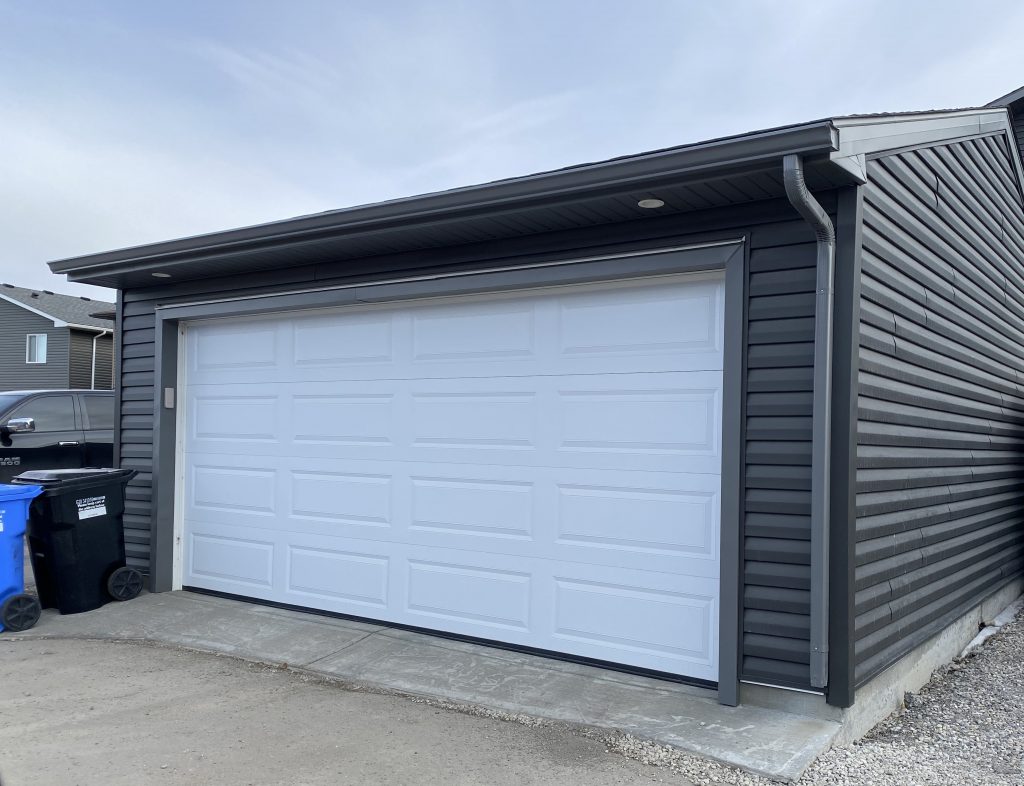
Garage construction refers to the process of designing and building a new residential garage, either attached directly to the home or constructed as a separate structure elsewhere on the property. It encompasses all phases of the project, from initial planning and permitting through foundation work, framing, roofing, electrical installation, and finishing.
A new garage can be built to serve a wide range of purposes, including:
- Vehicle parking
- General household storage
- A dedicated workshop or trade space
- Lawn and garden equipment storage
- Recreational vehicle or boat storage
- A home gym
- A hobby or studio space
- An EV charging station
- A mudroom or utility entry
- A bonus room or living space above the garage, where local codes allow
Understanding how your garage will be used is one of the first decisions that shapes everything downstream, from layout and size to structural requirements and mechanical systems.
Garage construction vs. garage addition
These terms are sometimes used interchangeably, but they describe slightly different scopes:
Garage construction is the broad term for building any new garage structure, whether attached or detached.
Garage addition typically refers to adding an attached or directly connected garage to an existing home, often requiring careful integration with the home's existing structure, roofline, and foundation.
Detached garage construction describes a new, fully separate structure built away from the main house, usually on a different part of the lot.
The distinctions matter when it comes to permitting, code compliance, and contractor scope. Garage additions that connect to the home’s living space typically require stricter fire separation standards and more complex structural tie-ins than a standalone detached build.
Why homeowners build new garages
The motivations behind garage construction projects vary, but the practical and financial benefits are consistent. Homeowners who invest in a well-designed garage typically gain:
- Protected parking that shields vehicles from weather, UV exposure, and theft
- Better home organization by moving bikes, tools, seasonal items, and equipment out of living spaces
- Significantly more usable storage capacity
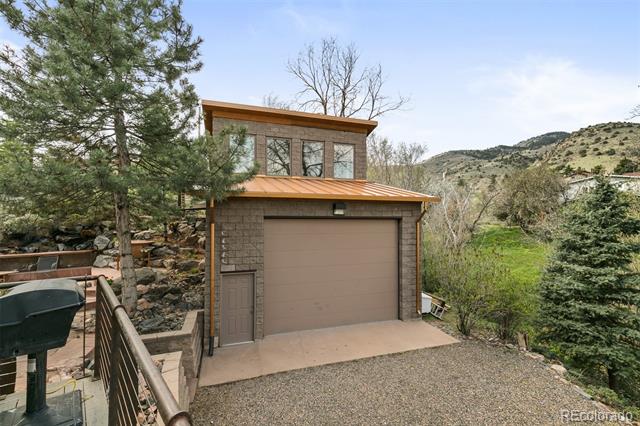
- Improved curb appeal and exterior aesthetics
- Enhanced security for vehicles, recreational equipment, and stored valuables
- Flexible space that can serve multiple roles at different life stages
- Higher resale value and stronger buyer appeal in most markets
For homeowners who work from home, maintain a side business, or simply need more functional square footage, a purpose-built garage can solve problems that no amount of interior reorganization can fix.
Attached vs. detached garage: Which is better?
Choosing between an attached and a detached garage is one of the first and most consequential decisions in any garage construction project.
Neither design is universally better. Your decision should be based on how you will use the space, your lot’s configuration, your local zoning rules, and what your existing home can accommodate.
An attached garage connects directly to the home and is usually selected when convenience is the top priority. Because you can walk from the garage into the house without going outside, an attached design works especially well for families with young children, homeowners in cold or rainy climates, and anyone who makes frequent trips between the vehicle and the house.
Pros of an attached garage:
- Direct interior access to the home, no outdoor exposure required
- Easier access in bad weather, particularly in cold-weather regions
- Can share existing utility systems more efficiently
- Practical for daily use scenarios such as bringing in groceries, car seats, or equipment
- Can improve the overall flow and function of the home
Cons of an attached garage:
- Requires fire-rated separation walls and doors to meet building codes
- May affect the home’s existing roofline, foundation, and exterior design
- Tie-in to the existing structure adds complexity and often cost
- Fumes, noise, and temperature differences can transfer between the garage and the home if not properly sealed and insulated
- The existing home layout may limit where an attached garage can be added
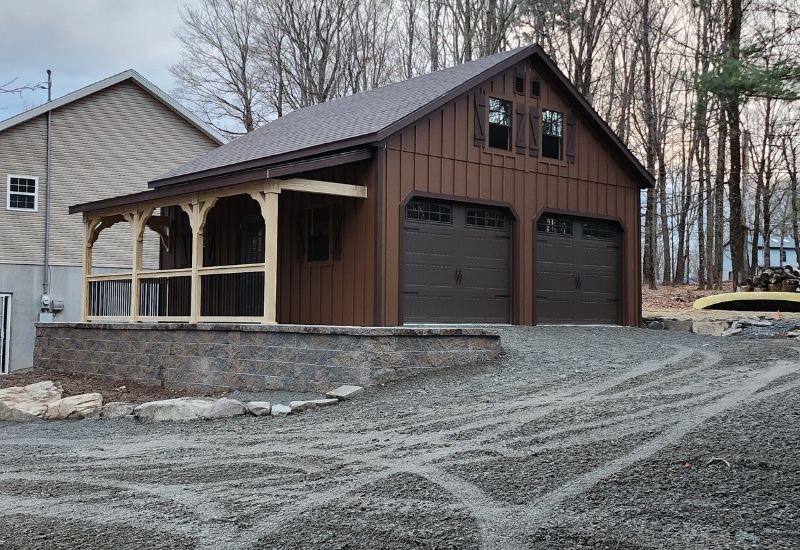
A detached garage is a fully separate structure, positioned elsewhere on the lot. It is often the preferred choice for homeowners who want a dedicated workshop, equipment storage, hobby space, or simply more flexibility in where the structure is placed on the property.
Pros of a detached garage:
- Greater placement flexibility since it does not need to align with the home’s existing structure
- Better separation from the home’s living areas, which is helpful when working with loud tools, chemicals, or equipment
- Well-suited for workshops, hobby spaces, and storage of recreational vehicles or equipment
- Preserves the integrity and existing structure of the home
- May allow more design freedom in terms of size, height, and layout
Cons of a detached garage:
- Requires outdoor walking access, which is less convenient in poor weather
- May need longer utility runs for electrical, gas, or water service
- Can require additional driveway work to connect the structure to the street
- Setback rules and lot size may limit where the structure can be placed
- Heating, cooling, and electrical infrastructure may cost more if installed from scratch
How much does garage construction cost?
Garage construction costs vary widely from project to project. The final price depends on the size of the garage, its design, local labor rates, site conditions, foundation requirements, the materials selected, the level of finish, and whether mechanical systems such as electrical service, plumbing, insulation, or HVAC are included.
Main garage construction cost factors
The following factors have the most significant impact on what your garage will cost:
- Garage size and layout (one-car, two-car, or three-car)
- Attached vs. detached design
- Foundation type and slab requirements
- Framing material, roof style, and exterior finish
- Garage door type, size, and opener system
- Insulation level and drywall finish
- Electrical service and panel upgrades
- HVAC or supplemental heating
- Driveway extension or apron work
- Local permit fees and required inspections
Cost by garage size
Garage size is one of the most direct cost drivers. Here is a general breakdown by layout:
| Garage Size | Common Use | Cost Considerations |
|---|---|---|
| 1-car garage | One vehicle, basic storage | Lower material cost, smaller slab, simpler framing |
| 2-car garage | Most common homeowner option | More door options, storage space, electrical upgrades |
| 3-car garage | Multiple vehicles, tools, equipment | Larger foundation, more roofing, wider driveway |
| Oversized garage | Workshop, RV, boat, hobby use | Taller walls, larger doors, stronger slab, more utilities |
Keep in mind that size is only one variable. A smaller garage with heavy electrical work, HVAC, and interior finishing can cost more than a larger basic shell without those systems.
Cost by garage type
The construction method and configuration also play a significant role in total project cost:
| Garage Type | Usually Best For | Cost Notes |
|---|---|---|
| Attached garage | Convenience, direct home access | May require home tie-in, fire separation, roofline integration |
| Detached garage | Flexible placement, workshop use | May need longer utility runs and separate access |
| Prefab garage | Faster installation, simpler designs | Less customization, site prep still required |
| Stick-built garage | Custom layout and finishes | Higher flexibility, often higher labor and design cost |
| Garage with bonus room | Added living or work space | Requires structural planning, insulation, HVAC, stairs, and code review |
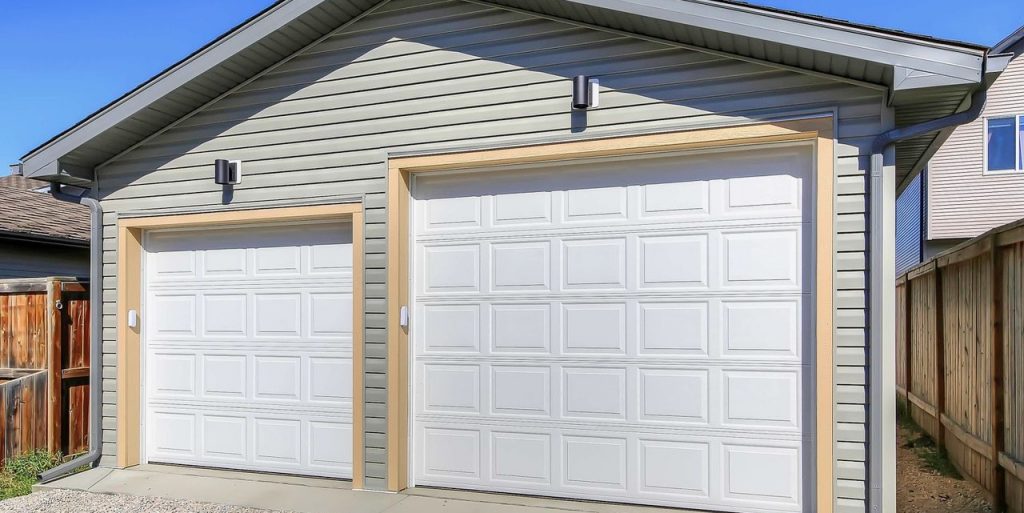
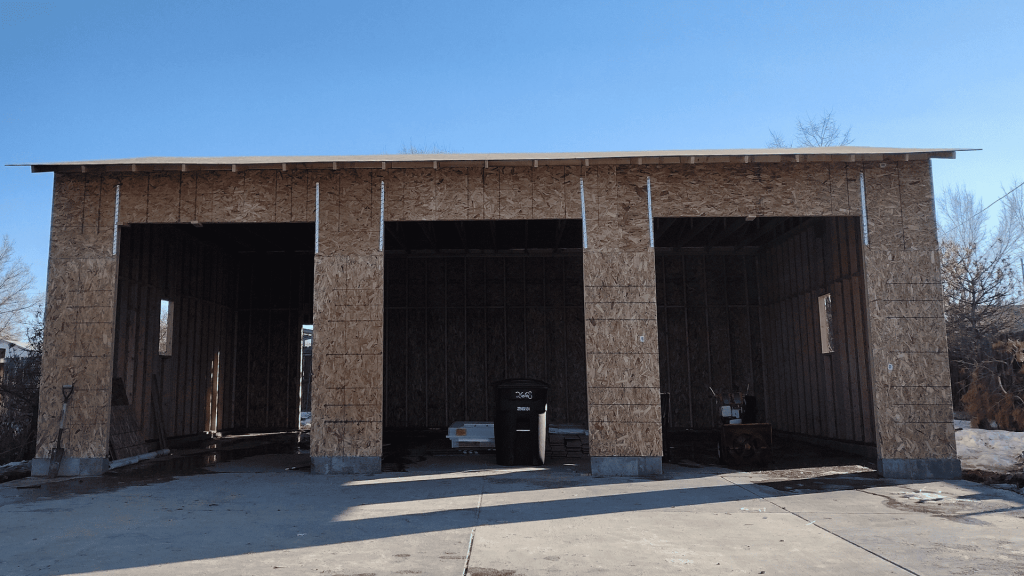
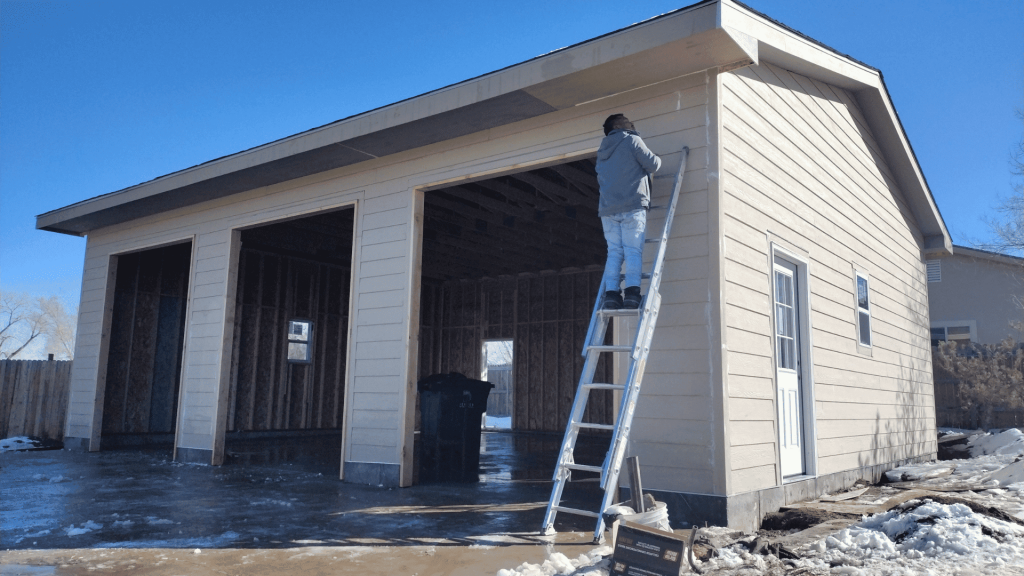
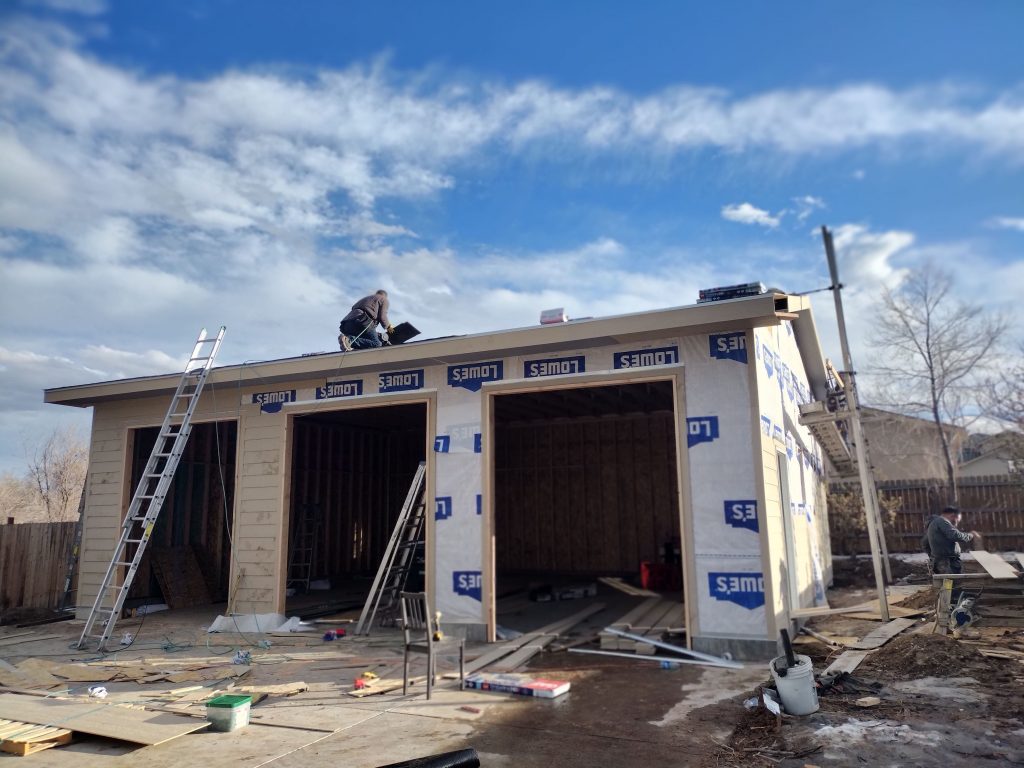
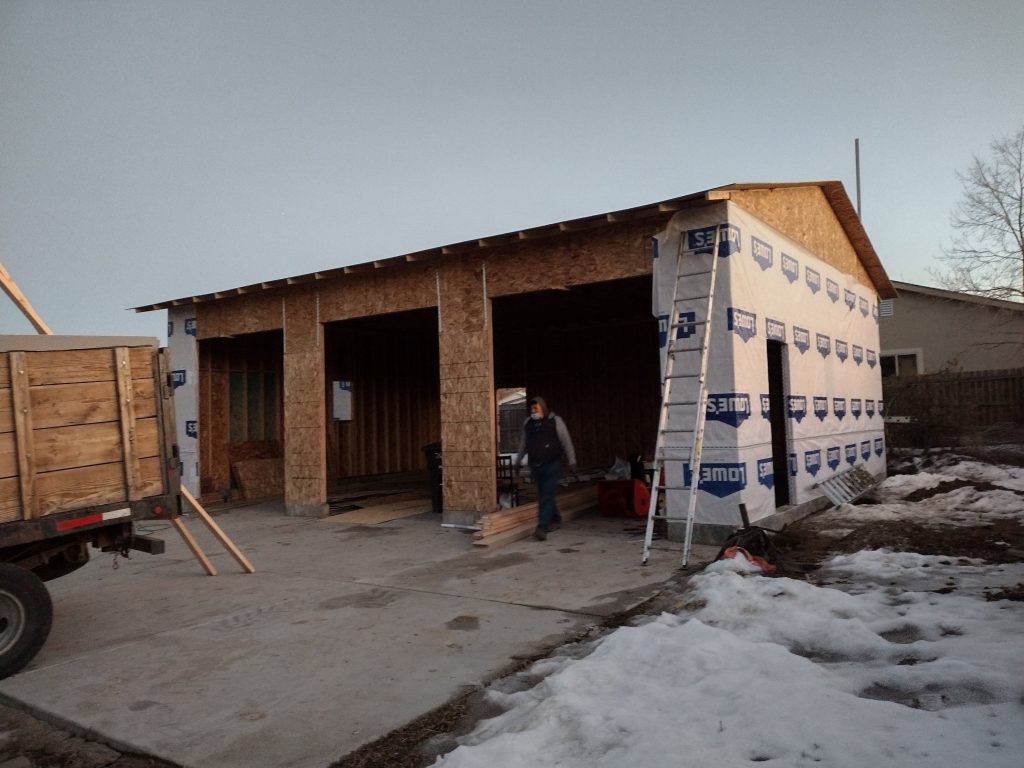
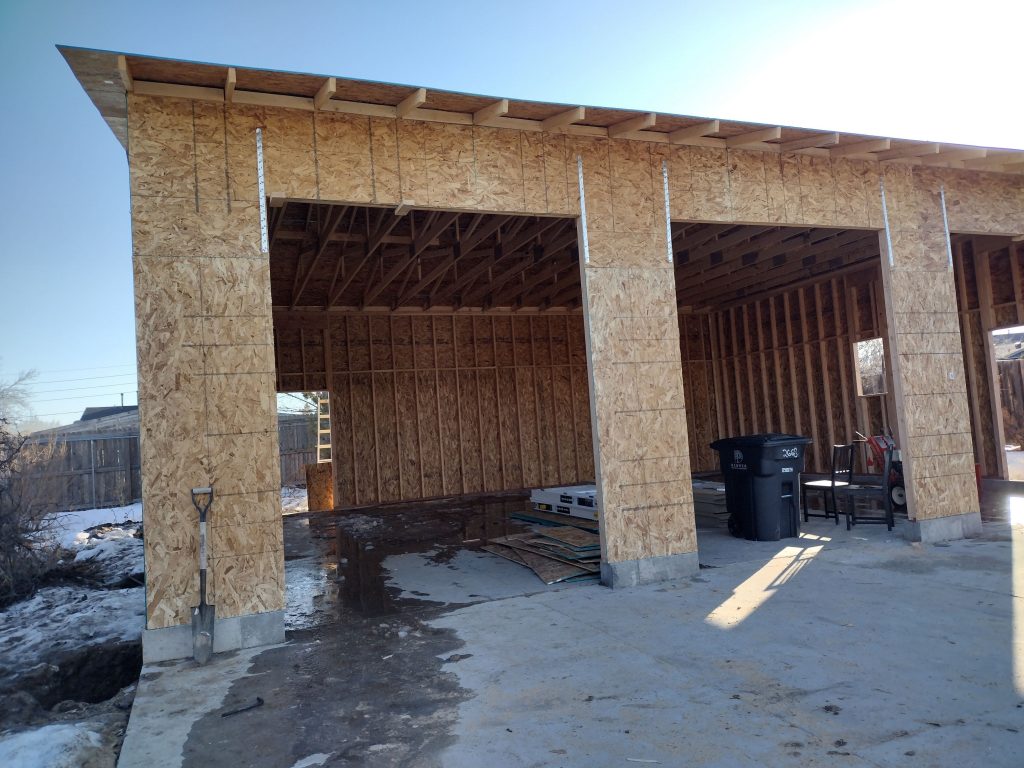
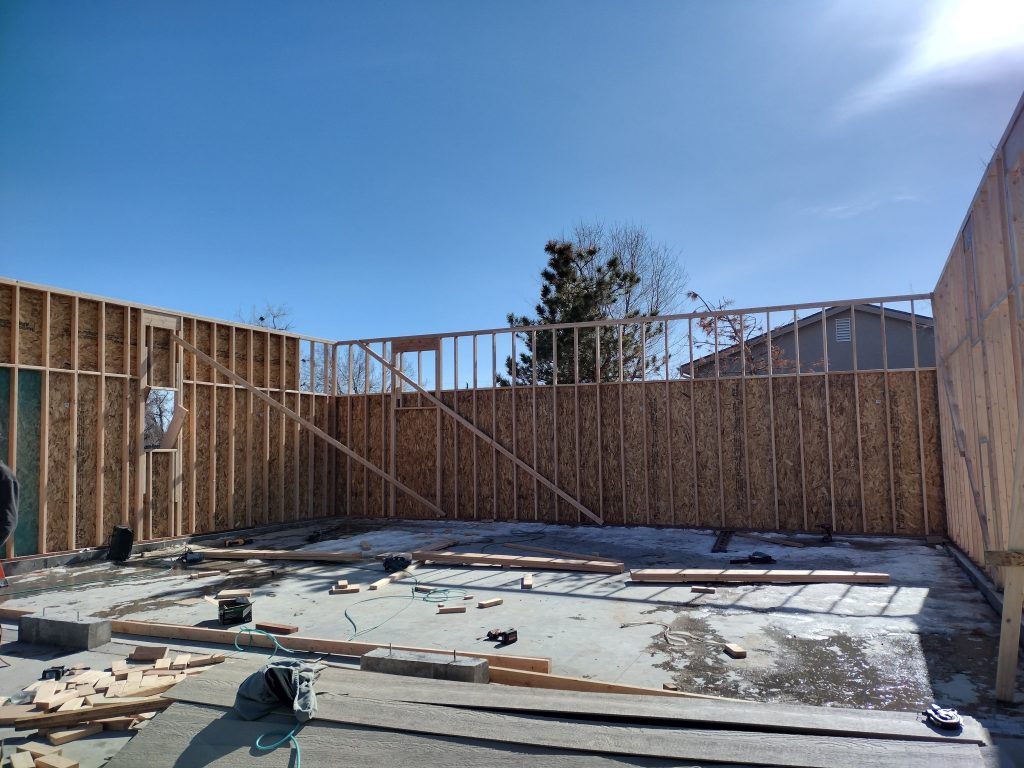
Garage Project Gallery
Browse our garage construction projects built for functionality, durability, and convenience.
Do you need a permit to build a garage?
Yes. The vast majority of garage construction projects require at least one type of local approval before work begins. This is true when the project includes a permanent foundation, structural framing, electrical service, plumbing, or any connection to an existing home.
Permit requirements vary by city, county, zoning district, and property type. What requires a permit in one town may be handled differently just a few miles away.
Never assume your project is exempt, and never begin construction without verifying local requirements first. Building without permits can result in fines, required demolition, and difficulty selling the home later.
What do Alliance EDS garage construction services offer?
Alliance EDS provides comprehensive garage construction services for Denver-area homeowners and commercial property owners. Whether you are starting from scratch on a new detached structure or adding an attached garage to your existing home, the team handles every phase of the project in-house.
01
Attached garage construction
Alliance EDS designs and builds attached garages that integrate seamlessly with your home’s existing structure, roofline, and exterior finishes. The team manages the structural tie-in, fire separation requirements, utility connections, and permit coordination so the finished garage functions as a natural extension of your home.
02
Detached garage construction
For homeowners who want a standalone structure, we build fully custom detached garages with the same quality standards applied to attached builds. From foundation to roofline, every element is designed to suit your site conditions, intended use, and aesthetic goals.
03
Garage additions
A garage addition is a strategic investment that expands what your home can do. We evaluate your property, review local zoning rules, and develop a design that maximizes square footage while respecting setbacks, lot coverage limits, and your existing home’s footprint.
04
Workshop and hobby garages
Garages designed for active use require more than a slab and a door. Alliance EDS builds workshop and hobby garages with reinforced slabs, enhanced electrical capacity, proper ventilation planning, and flexible interior layouts that accommodate equipment, workbenches, and storage systems.
05
RV and oversized garage construction
Storing an RV, boat, or large commercial vehicle requires taller walls, wider doors, a stronger foundation, and more planning than a standard garage. Alliance EDS has experience designing oversized garages that meet the structural and spatial requirements these projects demand, including proper door clearances, utility rough-ins, and driveway configurations.
Why choose Alliance EDS for garage construction
Custom garage design expertise
No two properties are identical. Alliance EDS brings design-build expertise to every project, developing a custom plan that fits your site, your intended use, and your budget rather than adapting a generic template to your lot.
Full-service design-build solutions
We manage the entire project lifecycle, from initial site evaluation and design through permitting, construction, inspections, and final handover. Having a single point of accountability across the full scope simplifies communication and reduces the risk of coordination gaps between trades.
Permit and code compliance support
Navigating local permit offices, zoning departments, and HOA review boards takes time and familiarity with local processes. We handle permit applications, required documentation, and inspection scheduling so homeowners are not left managing bureaucratic steps on their own.
Transparent budgeting and scheduling
Alliance EDS provides detailed, itemized estimates before construction begins and maintains clear communication about schedule milestones, change order impacts, and cost changes throughout the project. You will always know where the project stands.
Quality craftsmanship and durable construction
From foundation design to roofing materials, Alliance EDS applies commercial-grade construction standards to residential garage projects. The result is a structure built to last and to perform well under Colorado’s variable climate conditions.
Consultation and site evaluation
The process begins with a detailed conversation about your goals, budget, and timeline. The Alliance EDS team visits the property to assess site conditions, access points, utility locations, drainage patterns, and any constraints that may affect the design. This step establishes the foundation for an accurate estimate and a workable plan.
Design and budget planning
Based on the site evaluation and your input, we develop a custom design proposal that includes structural layout, material selections, and a detailed cost breakdown. You will know what the project includes and what it costs before any commitment is made.
Permitting and preconstruction
Once the design is approved, we prepare and submit all required permit applications, engineering documents, and site plans. The team coordinates with local building departments and HOAs as needed. Preconstruction logistics, including material procurement and trade scheduling, are finalized during this phase.
Construction and quality control
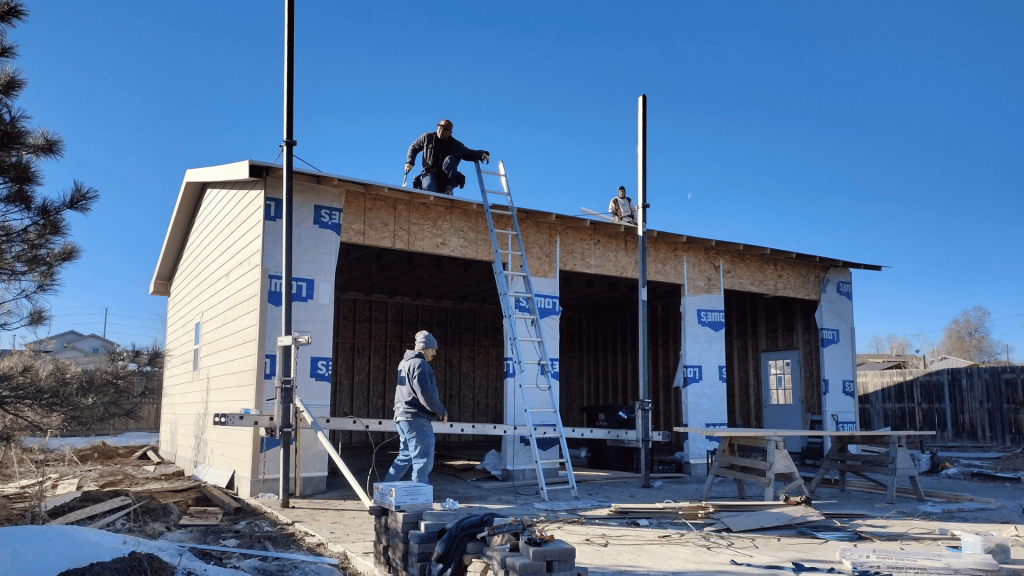
Construction follows a structured sequence: site preparation and excavation, foundation and slab, structural framing, roofing, exterior cladding, mechanical and electrical rough-in, insulation, and interior finishes. Alliance EDS manages quality control at each phase and coordinates all inspections required by local authorities.
Final inspection and project handover
Before the project closes out, a final walkthrough is conducted to verify that all work meets the agreed specifications, code requirements, and quality standards. Upon passing all required inspections, the project is handed over with documentation, warranty information, and guidance on any ongoing maintenance considerations.
Conclusion
A well-planned garage construction project delivers long-term benefits that extend well beyond adding square footage to your property. It improves home value, expands storage capacity, enhances daily functionality, and creates space that grows with your needs.
The keys to a successful garage build come down to four decisions made early in the process:
- Understanding realistic costs so you can budget accurately from the start
- Meeting permit and code requirements to ensure the structure is legal, safe, and insurable
- Selecting the right design, whether attached or detached, prefab or custom, based on your actual use case and site conditions
- Choosing a qualified, experienced contractor who manages the full scope with transparency and accountability
Ready to get started? Contact Alliance EDS to discuss your garage construction project, request a detailed estimate, or explore custom design options tailored to your property and goals.
Frequently asked questions (FAQs)
How much does garage construction cost?
Garage construction costs depend on size, design, location, materials, and the mechanical systems included. A basic single-car detached shell is significantly less expensive than a two-car attached garage with insulation, drywall, a full electrical system, and a finished interior. The best way to get an accurate number is to request a detailed, itemized estimate from a qualified contractor based on your specific property and project scope.
Is it cheaper to build an attached or detached garage?
Attached garages can sometimes be less expensive upfront because they may share an existing wall or utility connections. Detached garages may require longer utility runs and more driveway work, but they offer more placement flexibility. The true cost comparison depends on your specific site, what tie-in work the attached design requires, and what utilities the detached structure needs.
How much should a 20x20 garage cost?
A 20×20 two-car garage is one of the most common configurations homeowners build. The total cost varies based on your location, the foundation type, the level of finish, the garage door selected, and whether electrical work and insulation are included. Requesting a local estimate from a design-build contractor is the most reliable way to get a number that reflects actual labor and material costs in your area.
What foundation is best for a garage?
A poured concrete slab is the most common and widely recommended foundation for residential garages. It provides a stable, level surface, performs well in most soil conditions, and is compatible with a wide range of framing methods. In some regions with significant frost depth or unstable soil, thickened-edge slabs or frost walls may be required. Your contractor and local building department can advise on what is required for your specific site.
How long does garage construction take?
Construction timelines vary based on project complexity, weather, permit lead times, and contractor scheduling. A straightforward detached garage can be framed, roofed, and closed in relatively quickly once permits are secured. Projects with more complex site work, attached designs, or higher-end finishes take longer. Your contractor should provide a project schedule with key milestones before work begins.
Can I build a garage myself?
Some homeowners with significant construction experience choose to take on part or all of a garage build as a DIY project. However, most residential garage construction requires permits, inspections by licensed building officials, and trade-specific work such as electrical installation that must be done by or under the supervision of a licensed professional. Mistakes in framing, foundation work, or electrical systems can be costly to correct and may create safety hazards. For most homeowners, working with an experienced design-build contractor is the most reliable path to a code-compliant, durable result.