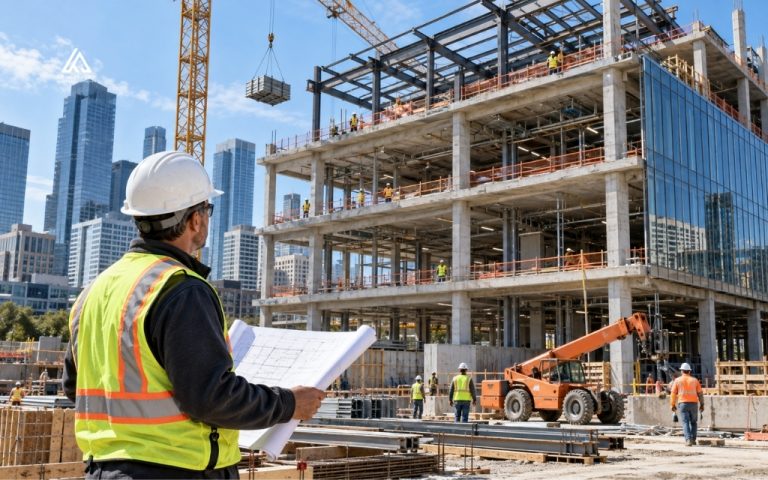

Excavation is the first real step in almost every major construction project, whether you are pouring a new foundation, putting in a basement, installing a pool, or clearing land for a future build. It is also one of the hardest costs to predict, because the same size hole can cost very different amounts depending on soil, access, and depth. If you are asking how much does excavation cost for your specific project, the honest answer is that it depends heavily on these conditions, but there are reliable ranges to work from.
Most residential excavation costs fall between $1,658 and $6,709, with an average around $3,974. The cost of excavation for foundation work in new construction typically runs $1,500 to $10,000, while larger or more complex commercial projects can climb well past that. This guide breaks down how contractors actually calculate excavation pricing, what drives the cost up or down, how to estimate your own project, and what should be included in any quote before you sign.
How much does excavation cost on average
Before getting into the details, here is a quick snapshot of what excavation costs typically look like across different pricing methods and project types. These numbers reflect the average cost for excavation nationwide, so your local market may run slightly higher or lower.
| Pricing method or project | Typical range |
| Cost per cubic yard | $2.50 to $15 (soft soil), up to $50 to $200 or more for rock |
| Excavator and operator, hourly | $100 to $300 per hour |
| Average residential project | $1,658 to $6,709 |
| Foundation excavation (new construction) | $1,500 to $10,000 |
| Large residential or small commercial | $5,000 to $15,000 |
| Major commercial excavation | $20,000 to $50,000 or more |
How contractors calculate excavation pricing
Per cubic yard pricing
This excavation pricing method is common for dirt removal, hauling, and bulk earthwork where the volume of material moved is the main cost driver. Soft, workable soil usually runs $2.50 to $15 per cubic yard, while rocky or ledge material that needs to be ripped or blasted can push costs to $50 to $200 per cubic yard or more.
To find your volume, multiply the length, width, and depth of the area in feet, then divide by 27 to convert cubic feet into cubic yards.
Hourly equipment and operator rates
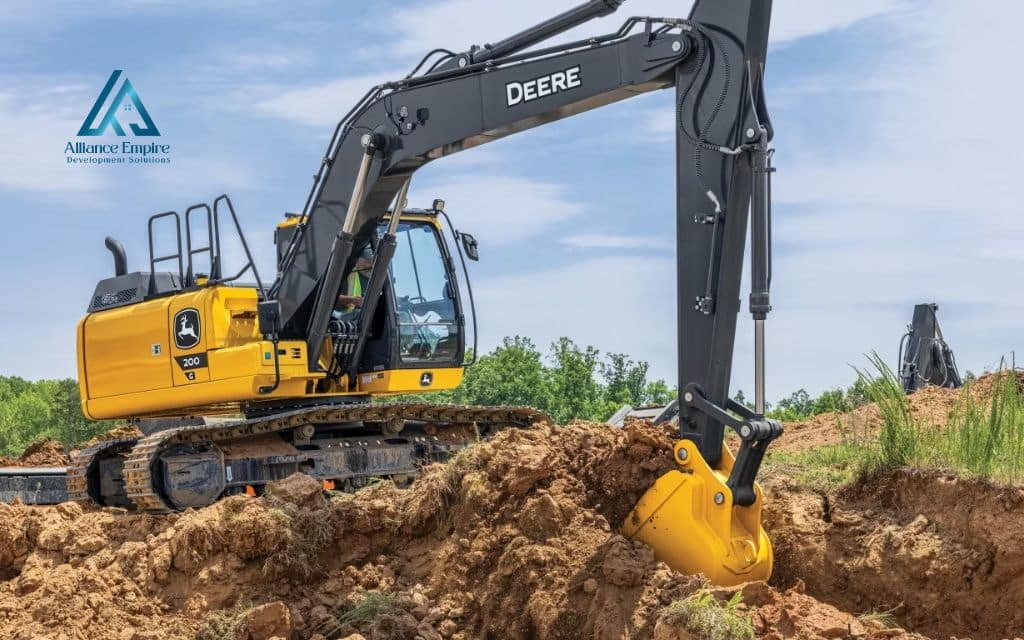
Hourly pricing is common for smaller jobs, cleanup work, or situations where the ground conditions are not fully known ahead of time. Excavator cost per hour for a rental that includes an operator generally runs $100 to $300. Mini excavators tend to sit at the lower end of that range, while larger machines used for bigger sites cost more per hour but often move material faster.
Flat project quote
For well defined projects like a foundation, pool, or driveway pad, many contractors prefer to provide a flat quote based on the full scope of work. This gives you a predictable number to budget against, but it also means you need to ask exactly what is included, since two flat quotes for the same size project can vary a lot depending on what is and is not covered.
Some contractors also reference excavation costs per square foot, generally in the $3 to $30 range depending on soil conditions and site access, though this method is less common than cubic yard or hourly pricing since it does not account for depth as directly.

Excavation cost by project type
Foundation excavation cost
Foundation excavation cost is one of the most searched topics in this category, and for good reason, since it is usually the largest single earthwork expense in new construction. The cost of excavation for foundation work in a typical home runs $1,500 to $10,000, covering digging, hauling excess material, and basic grading to prepare for the footings. Depth, footprint size, and soil type all affect where the excavation cost for foundation work lands within that range. A deep basement footprint in clay or rocky soil will cost noticeably more than a shallow crawl space foundation in loose, workable ground.
Basement excavation cost
It matters a great deal whether you are excavating for a brand new basement or modifying one under a home that already exists. Digging around or beneath an existing basement, often to address foundation issues or add waterproofing, typically costs $5,000 to $15,000. A full basement dig out under an existing home, which can involve raising or bracing the structure and underpinning the foundation, is a much larger undertaking and commonly runs $50,000 to $150,000 or more depending on the scope. These two scenarios are not the same project, so be cautious of any estimate that does not clarify which one you are getting a price for.
Land clearing and grading
Land clearing prepares a site by removing trees, brush, and stumps, and it is typically priced per acre rather than as a flat project fee. Land excavation cost for clearing generally ranges from $1,200 to $8,000 per acre, with light brush on flat land at the lower end and dense, heavily wooded terrain at the higher end. Excavating land for a future build usually starts with this clearing step before any digging begins, so it is worth budgeting separately from the foundation or basement work itself. Excavation landscaping projects, such as pool, driveway, and patio prep, follow similar logic to foundation work, with smaller jobs in the $1,000 to $2,500 range and larger or more complex pool digs reaching higher.
Grading is a related but distinct service. Excavation removes soil to create an opening, while grading reshapes and levels the surrounding land, often to direct water away from a foundation. Grading and leveling typically costs $400 to $6,500, and it is common for grading to happen either before excavation begins or after the foundation is poured.

Factors that drive excavation costs up or down
Soil type and ground conditions
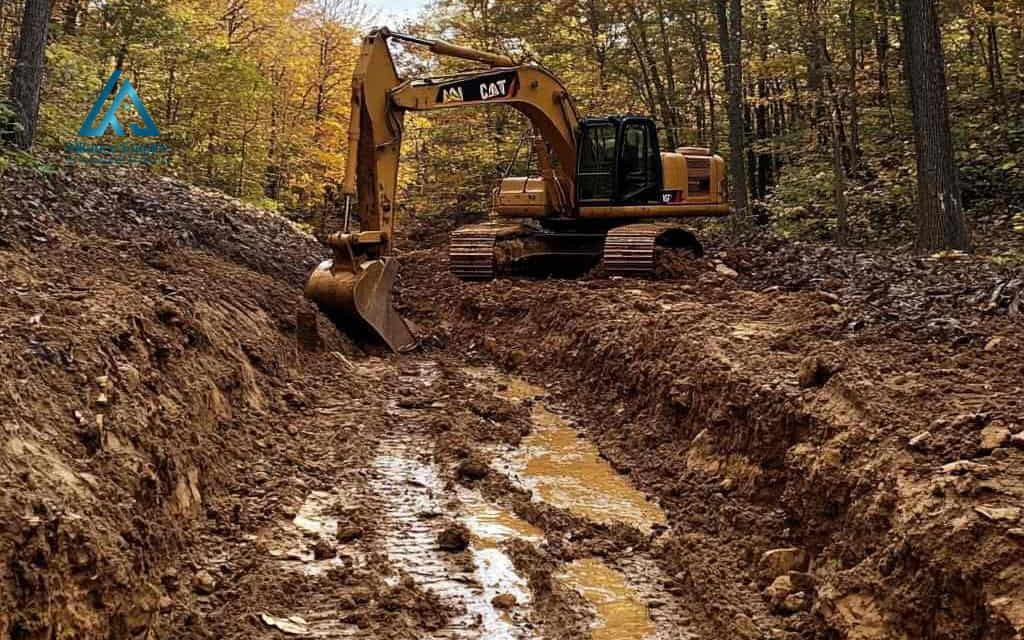
Loose, sandy, or loamy soil is the easiest and cheapest material to excavate. Clay heavy or rocky soil typically adds $200 to $1,200 to the cost of a project because it takes longer to dig and may require specialized attachments. Wet or unstable soil can introduce additional costs for dewatering or temporary shoring to keep the excavation safe.
Site access and project size
Tight lots, sloped yards, narrow gates, or limited street access often mean a contractor has to use smaller equipment, which takes more time to move the same amount of material. This trade off between machine size and labor hours is one of the most common reasons two quotes for a similar sized job can differ.
Depth and dig complexity
Depth matters beyond just the extra volume of soil being moved. Once an excavation reaches a certain depth, safety requirements change significantly, which adds both time and cost.
Hauling and dirt disposal
If excavated soil cannot stay on site as fill, it has to be hauled away, which typically costs $8 to $25 per cubic yard depending on how far the material needs to travel and how easily trucks can access the site.
Permits, surveys, and soil testing
Most jurisdictions require a permit before excavation begins, generally costing $50 to $400 depending on your location and project size. A land survey to confirm boundaries and site conditions often runs $400 to $550, and soil testing to check for contamination or instability typically costs $700 to $2,200.
Labor and equipment rates
Labor is frequently the largest line item in an excavation budget. Renting equipment with a qualified operator generally costs $100 to $250 per hour, and specialized work like blasting or shoring usually commands a premium over standard digging rates.
Season and weather
Frozen ground slows down excavation work and can increase costs in colder months, while heavy rain can create muddy conditions that delay a project. Many contractors find spring and early fall to be the most efficient times to dig in most climates, which can affect scheduling and pricing during peak season.
How to estimate excavation cost yourself
If you want a rough sense of how much does it cost to excavate your specific project, or the cost to excavate land you already own, you do not need specialized software to get started before calling a contractor.
- Measure the length, width, and depth of the area in feet.
- Multiply those three numbers together, then divide by 27 to get cubic yards.
- Multiply your cubic yards by a starting rate of $5 to $15 per cubic yard for typical soil.
- Add 20 to 30 percent as a buffer for hauling, mobilization, and unexpected conditions.
- Compare your estimate against at least three written quotes from licensed contractors.
As an example, a basement footprint measuring 30 feet by 30 feet by 8 feet deep equals 7,200 cubic feet. Divided by 27, that comes out to about 267 cubic yards. At $10 per cubic yard, the digging alone would run roughly $2,670, before accounting for hauling, grading, or backfill. This is meant only to illustrate the formula, not to predict your exact price, since real world conditions vary widely.

What should be included in an excavation quote
A clear, detailed quote protects both you and the contractor, and it is the best way to confirm your excavation cost before work begins. Before agreeing to any bid, confirm it addresses the following:
- A written scope of work based on an in person site visit
- Utility locates, including a documented call to 811
- Excavation to the specified depth and dimensions
- Hauling and disposal of excess soil
- Backfill and compaction, or a clear note that this is billed separately
- Grading to the finished elevation
- Erosion control measures where needed
- Site cleanup after the work is complete
- Who is responsible for pulling permits
- Proof of insurance and licensing
The lowest bid you receive is often missing two or three of these items. Always ask directly what is not included in the price, since that is usually where hidden costs show up later.

Hidden costs and red flags
Even a well planned excavation project can run into surprises that raise the final excavation cost beyond the original estimate. Common hidden costs include unexpected rock or ledge discovered mid dig, utilities that were not marked correctly before work began, contaminated soil that requires special disposal, groundwater that requires pumping equipment, and frozen ground that slows progress during colder months. Asking your contractor how they handle these scenarios before work begins can prevent budget surprises later.
Safety, permits, and when to call a pro
Excavation carries real safety risks, which is part of why it is regulated closely and why cutting corners on excavation cost by skipping permits or utility locates is never worth the risk. Before any digging begins, you are required to call 811 to have underground utility lines marked, and most states require this notice at least two to three business days in advance, though exact timing varies by state.
For trenches, OSHA requires a protective system, such as sloping, shoring, or a trench box, for any excavation 5 feet deep or more, unless the dig is entirely in stable rock. Trenches 4 feet deep or more also require a safe means of entry and exit, like a ladder or ramp, positioned so workers never have to travel more than 25 feet to reach it.
These rules exist because the risks are real. Cave ins, utility strikes, and damage to a home’s foundation are all genuine possibilities with unsupervised digging. Small, shallow landscaping holes may be reasonable to handle yourself, but foundation work, basement digging, deep trenching, or any project near utility lines should go to a licensed excavation contractor who carries insurance and understands local code requirements.
How to save on excavation cost without cutting corners
A few practical habits can help control your excavation cost without sacrificing safety or quality. These small adjustments often make the biggest difference in your final excavation costs.
- Schedule work during shoulder seasons: Crews have more availability during these times.
- Combine related jobs: Group tasks like grading and clearing into a single mobilization.
- Reuse excavated soil: Keep suitable soil on site to use as fill instead of paying to haul it away.
- Clear site access: Move fences or gates before the crew arrives to improve efficiency.
- Collect multiple quotes: Gather at least three written, itemized quotes before choosing a contractor.
- Confirm quote inclusions: Ensure permits and utility locates are included so you do not pay for them twice.

Conclusion
Excavation cost depends on which pricing method your contractor uses, what type of project you are tackling, and the specific conditions of your site, from soil type to access to depth. Estimating your own cubic yardage gives you a realistic starting point for your budget, but only a written quote based on an actual site visit will reflect your true cost.
If you are planning a foundation, basement, land clearing, or grading project, Alliance EDS is ready to help. With over 15 years of experience in residential and commercial construction, our team handles the site work that every successful build depends on, from initial excavation and grading to the construction, remodeling, or addition that comes after. Contact us at (720) 484-8181 to schedule a consultation and get a transparent quote with no hidden surprises.
Frequently asked questions (FAQs)
How do you calculate excavation cost?
Multiply the length, width, and depth of your project area in feet to get cubic feet, then divide by 27 to convert to cubic yards. Multiply that number by your local per cubic yard rate to get a rough estimate, then add a buffer for hauling and unexpected conditions.
Who do I call before I dig?
Call 811, the national call before you dig number, before starting any excavation project. This connects you to local utility companies who will mark underground lines for free, typically within two to three business days depending on your state.
How long does excavation usually take?
A standard foundation excavation can take anywhere from a few days to a few weeks, depending on size, soil conditions, and weather. Clay soil, rocky ground, or limited site access can all add time to the schedule.
What is the difference between excavation and grading?
Excavation removes soil to create an opening, such as for a foundation or basement. Grading reshapes and levels the surrounding land, often to direct water away from a structure. The two are frequently part of the same project but are technically separate tasks.
Does excavation cost include hauling away dirt?
Not always. Hauling and disposal are often billed separately, typically at $8 to $25 per cubic yard, so it is important to confirm whether your quote includes removing excess soil or only the digging itself.