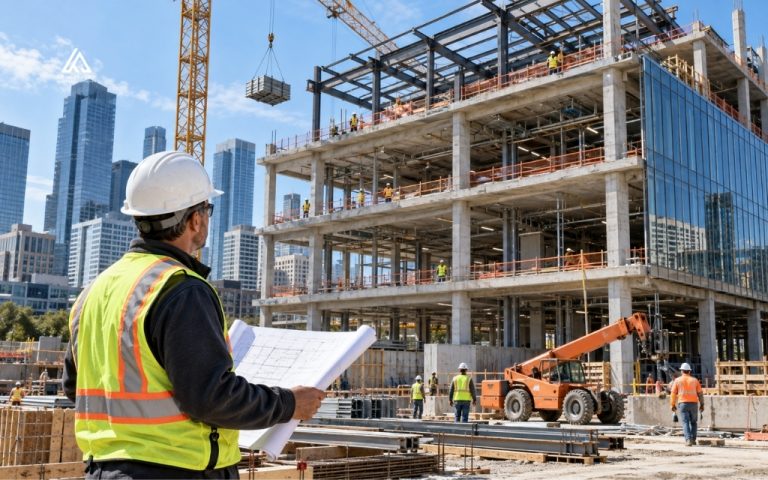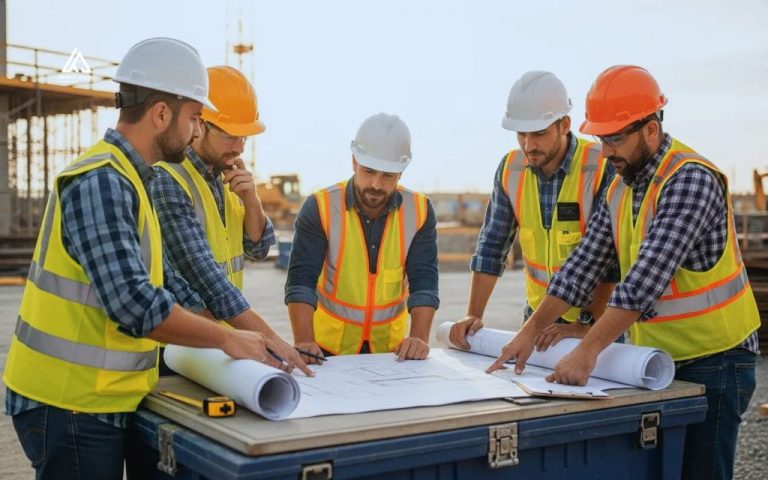

If you have ever watched a vacant lot transform into a finished building, you already understand the basics of what the construction phase is. But there is a lot more happening on that job site than meets the eye.
This guide breaks down the construction phase. Whether you are a homeowner preparing for a renovation, a property owner overseeing your first build, or a stakeholder trying to understand what happens between planning and move-in, you will find clear answers here.
We explain what the construction phase actually involves, walk through every major step, identify the people responsible, highlight the risks you need to watch for, and give you a practical checklist to keep the project on track.
What is the construction phase?
The construction phase is the stage in a project lifecycle when physical building work begins on-site, after all planning, permitting, and design have been completed. It is the point where blueprints become reality.
During this stage:
- Materials are ordered and delivered to the job site
- Crews begin physical work, from site clearing to framing to finish work
- Progress is monitored against the approved schedule and budget
- Safety is enforced continuously throughout every stage of work
- Quality control inspections are conducted at defined project milestones
In the broader project timeline, the construction phase sits at the center: it comes after the pre-construction phase (planning and preparation) and before the post-construction phase (completion and handover).
Understanding all 3 phases of construction is essential because success in the building stage depends heavily on decisions made during planning, and it sets the stage for a clean handover at closeout.
Learn more: Construction Budget
The 3 main phases of construction
Before diving into the details of what happens during active construction, it helps to understand where it sits within the full construction lifecycle. Most commercial and residential projects follow three clearly defined phases of construction.
Phase 1: Pre-construction
This is the planning and preparation stage. The project exists only on paper during this phase. Architects finalize designs, engineers complete structural drawings, permits are obtained, contractors are selected, and schedules and budgets are established.
Phase 2: Construction phase
This is the building and execution stage. Physical work begins on-site, materials arrive, and multiple crews work in a coordinated sequence to bring the design to life. This phase accounts for the majority of the project’s time, cost, and risk.
Phase 3: Post-construction
This is the completion and handover stage. The project is finalized, final inspections are performed, punch list items are resolved, and the finished structure is handed over to the owner with all documentation and warranties.
Phase 1: Pre-construction phase
The pre-construction phase is the stage where the project is planned, designed, and prepared before any physical building work begins. It is the foundation on which the entire project is built, and projects that rush through this stage almost always pay for it during construction.
Key activities
- Project planning and budgeting: Defining the scope of work, identifying costs, and establishing a realistic timeline
- Site analysis and feasibility studies: Evaluating whether the project is viable based on soil conditions, zoning, access, and environmental factors
- Design development: Creating architectural and engineering drawings that meet building codes and client requirements
- Permits and approvals: Securing all required permits from local authorities before work begins
- Contractor selection and contracts: Vetting and hiring a general contractor, negotiating contracts, and establishing legal agreements
- Scheduling and cost estimation: Building detailed project schedules and preparing accurate cost estimates that account for materials, labor, and contingencies
Who is involved
- Owner or client: Sets goals, approves designs, and signs off on the budget
- Architects and engineers: Develop the design and structural systems
- Estimators: Prepare detailed cost breakdowns
- Contractors: Review plans, provide input on constructability, and prepare bids
Pre-construction checklist
- Define project scope and goals clearly
- Approve all design plans and engineering drawings
- Secure all required permits before mobilizing crews
- Finalize the budget, timeline, and contract terms
Phase 2: Construction phase
The construction phase is where all that planning becomes a physical structure. This is the most dynamic, resource-intensive, and risk-heavy stage of any project. Work proceeds in a deliberate sequence, with each step depending on the one before it.
Key steps in the construction phase
Step 1: Site preparation
Before any building begins, the site must be prepared. This includes clearing vegetation, grading the land to ensure proper drainage, setting up temporary access roads, and connecting or relocating utilities. Proper site prep prevents major problems later, including erosion, drainage failures, and utility conflicts.
Step 2: Foundation work
The foundation is the most critical structural element of any building. Crews excavate to the required depth, set forms, pour and cure concrete, and waterproof below-grade surfaces where needed. A flawed foundation is expensive to fix and can compromise the entire structure’s integrity.
Step 3: Structural construction
With the foundation in place, crews build the structural skeleton of the building. This includes framing walls and floors, installing roof trusses or rafters, and applying sheathing. For commercial projects, this may involve steel erection, precast concrete panels, or structural masonry, depending on the design.
Step 4: Systems installation
Once the structure is up and weathered-in, the mechanical systems are installed. This is also called rough-in work and includes electrical wiring, plumbing pipes, and HVAC (heating, ventilation, and air conditioning) ductwork and equipment. These systems run inside walls and ceilings before they are closed up, so inspections at this stage are critical. Any deficiency found after drywall is up becomes significantly more expensive to fix.
Step 5: Interior & exterior finishes
The final step in active construction involves all the visible finishes. On the interior, this includes drywall installation, insulation, flooring, cabinetry, painting, and trim work. On the exterior, it covers siding or cladding, windows and doors, roofing, and landscaping. This stage transforms the rough structure into a finished, functional space.
Key activities
- Daily site operations: Supervising crews, coordinating deliveries, and resolving on-site problems in real time
- Material delivery and logistics: Managing the timing of material arrivals so work is never delayed waiting for supplies
- Scheduling and coordination: Sequencing subcontractor trades so they work efficiently without conflict
- Safety enforcement: Implementing a site safety plan, conducting toolbox talks, and maintaining compliance with OSHA (Occupational Safety and Health Administration) standards
- Quality control inspections: Checking work at each milestone against approved plans and specifications before proceeding to the next step
Who is involved
- General contractor: The lead party responsible for managing the overall project, coordinating subcontractors, and delivering the work on time and within budget
- Subcontractors: Specialized trade contractors who handle electrical, plumbing, HVAC, roofing, framing, and other specific scopes of work
- Project manager and superintendent: Responsible for daily site oversight, scheduling, and communication between the office and the field
- Inspectors: Third-party or government officials who verify that work meets code requirements at critical stages such as rough-in, framing, and final inspection
Construction phase checklist
- Monitor daily progress against the project schedule
- Conduct safety inspections at the start of each workday
- Perform quality control checks at each major milestone
- Track budget and flag variances before they become overruns
Phase 3: Post-construction phase
The post-construction phase is the stage where the completed project is inspected, approved, and formally turned over to the owner. While the physical work is essentially done, this phase is critical for ensuring that every system works correctly, every requirement is met, and the owner receives everything they need to operate and maintain the building going forward.
Key activities
- Final inspections: A thorough review of all completed work to verify compliance with codes and approved plans
- Punch list completion: Identifying and correcting any items that are incomplete or do not meet quality standards before final payment is released
- System testing: Verifying that HVAC, electrical, and plumbing systems operate correctly under real conditions
- Documentation and warranties: Delivering as-built drawings, equipment manuals, maintenance schedules, and warranty documents to the owner
- Project handover: Formally transferring the completed project to the owner with all required documentation and approvals in place
Who is involved
- Contractor: Finalizes outstanding items and delivers all close-out documentation
- Owner: Reviews completed work, accepts delivery, and assumes responsibility for the property
- Inspectors: Perform final code inspections and issue a certificate of occupancy
- Facility managers: Receive operational training on building systems to ensure proper ongoing maintenance
Post-construction checklist
- Complete all punch list items identified during walkthrough
- Verify full compliance with applicable building codes
- Deliver all operation and maintenance manuals and warranties
- Obtain final project approval and certificate of occupancy
Learn more: How to plan a construction project

Why are these construction phases important?
Understanding the phases of construction as a connected system, rather than individual events, is what separates projects that succeed from those that do not. Here is why each phase matters and what it contributes to the overall outcome.
Better cost control
Thorough planning during pre-construction reduces the frequency of change orders and unexpected expenses once work begins. Studies from the construction industry consistently show that changes made during design cost a fraction of what the same changes cost after construction has started.
Improved project timeline
Clear phases create defined milestones that keep the project moving forward in a logical sequence. When each phase is executed properly, handoffs between stages are smooth, crews stay productive, and schedule delays are minimized.
Higher quality outcomes
A structured construction process that includes regular inspections and quality control checks at each milestone ensures that work meets the specified standards. Catching defects during construction is always less expensive and disruptive than addressing them after the project is complete.
Reduced risk
Identifying potential problems early, during planning or at the beginning of the construction phase, prevents those issues from compounding into major failures. Risk management is most effective when it is built into the process from the very beginning, not applied as a reaction after something goes wrong.
Clear accountability
Each phase clearly defines who is responsible for what and when. This clarity prevents the ambiguity that leads to missed deadlines, duplicated effort, and disputes between parties. When roles and responsibilities are documented and understood, the entire team can work more efficiently and with greater confidence.
How to organize the construction process
Even with a strong team and a solid design, a construction project can fall apart without proper organization. Here is a practical framework for keeping the entire construction process on track from start to finish.
Create a clear project plan
Define the full scope of work, establish a realistic budget, and set a timeline with achievable milestones before any work begins. A project that starts without a clear plan will almost inevitably face costly confusion once execution is underway.
Use structured scheduling
Break the overall project into phases and assign specific milestones and deadlines to each. A detailed construction schedule, whether it is a simple Gantt chart or a more advanced critical path method (CPM) schedule, helps everyone understand what needs to happen and by when.
Assign clear roles
Every team member needs to understand their specific responsibilities. Undefined roles are one of the most common causes of miscommunication and missed tasks in construction projects. Create a clear organizational chart and make sure every party understands their scope of authority.
Implement quality control systems
Build formal quality control checkpoints into the schedule at each major milestone. Document all inspections, photograph completed work at key stages, and require sign-off from the appropriate party before proceeding to the next phase of work.
Maintain strong communication
Poor communication is one of the leading causes of construction delays and disputes. Hold regular coordination meetings between the project team, issue written updates on schedule and budget status, and create a clear process for documenting and resolving requests for information (RFIs) and change orders.
Track progress and costs
Use project management tools to track actual progress against the baseline schedule and monitor costs in real time. Catching a schedule slip or budget overrun early gives the team time to make corrections before minor variances become major problems.

Common mistakes across all phases
Even experienced teams make avoidable mistakes that cost time and money. Understanding these common pitfalls is the first step in preventing them.
- Poor communication: Failing to share timely updates between the owner, general contractor, and subcontractors leads to misunderstandings, rework, and conflict that could have been avoided with consistent communication protocols
- Inadequate planning: Rushing through pre-construction to get shovels in the ground faster is a shortcut that almost always results in costly change orders, scope gaps, and schedule overruns during construction
- Skipping inspections: Bypassing required inspections to save time creates liability exposure and can force expensive demolition and rework when deficiencies are found later by the authority having jurisdiction (AHJ)
- Ignoring safety standards: Failing to enforce OSHA safety requirements on a job site exposes workers to serious injury and exposes the project owner and contractor to significant legal and financial liability
- Underestimating costs: Failing to include contingency reserves, escalation factors, or accurate material pricing in the budget is one of the most common reasons construction projects run over budget and stall before completion
When to hire a construction professional
Some project owners attempt to self-manage construction projects to reduce costs. In certain limited circumstances, such as very small renovations with no permitting requirements, this can work. But in most cases, the complexity of managing the construction phase requires professional expertise.
You should hire a contractor if:
- Your project is complex, involving multiple trades, structural work, or systems installation
- Permits are required by your local jurisdiction, as contractors understand the inspection and approval process
- You lack construction experience and a deep understanding of building codes, material specifications, and trade sequencing
Benefits of working with a professional contractor
- Expertise: Experienced contractors know how to navigate permitting, manage subcontractors, and keep projects running efficiently
- Risk reduction: Professionals carry the licenses, insurance, and knowledge needed to manage safety, liability, and code compliance
- Better efficiency: Professional project management keeps costs controlled, schedules on track, and quality consistent from start to finish
Conclusion
A successful construction project is not the result of what happens only during the construction phase. It is the result of disciplined planning before work begins, professional execution during the build, and thorough follow-through at closeout. When all 3 phases of construction are managed with the same level of care and attention, the result is a project that finishes on time, within budget, and built to last.
If you are preparing for a construction or renovation project and want to make sure every phase is handled correctly, work with a qualified general contractor or project manager who can guide you through the full process from planning through completion.
About Alliance Empire Development Solutions (Alliance EDS) Company
At Alliance EDS, we understand that every successful project starts long before the first nail is driven. As a Denver-based construction and roofing company, we bring structured expertise to every phase of the build. Our team ensures your project stays on schedule, on budget, and built to the highest quality standards from day one.
Ready to get your project started the right way?
Contact us today for a free consultation and let our team guide you through every phase of construction with confidence.
Frequently asked questions (FAQs)
What are the 5 phases of a construction project?
Some frameworks expand the basic 3-phase model into 5 stages: project initiation, pre-construction (planning and design), procurement (sourcing materials and subcontractors), construction (physical building), and post-construction (closeout and handover). The core activities are the same regardless of how many phases are used to describe them. The 5-phase model simply adds more granularity around initiation and procurement, which is useful for larger, more complex projects.
What are the 7 stages of a construction project?
A 7-stage model typically breaks the process down into: project conception and initiation, feasibility study, project design, procurement, construction, commissioning and testing, and final handover. This level of detail is most common in large commercial or industrial projects where each stage requires formal sign-off before the next begins. For residential and mid-size commercial projects, the three-phase or five-phase model is generally more practical.
What are the 4 stages of construction?
A 4-stage model typically includes: pre-construction, procurement, construction, and post-construction. The main difference from the 3-phase model is separating procurement, which covers the bidding, contracting, and purchasing of materials and labor, as a distinct stage. This distinction is particularly relevant for public projects and design-build delivery methods where procurement is a formal, regulated process.
What is a punch list?
A punch list is a document created near the end of the construction phase that identifies items that are incomplete, defective, or do not meet the contract specifications. The general contractor and owner typically walk the completed project together to generate the punch list. All items on the list must be addressed by the contractor before the project can be officially closed out and final payment is released. Common punch list items include touch-up painting, hardware adjustments, minor fixture corrections, and incomplete caulking.