
Construction has always run on information: drawings, schedules, budgets, inspection reports, and a constant back and forth between the field and the office. For decades, that information lived in separate places, paper sets in a truck, spreadsheets on a laptop, photos on a phone, change orders in someone’s inbox. Connected construction is the industry’s response to that fragmentation.
This article explains what connected construction actually means, how it plays out on a real jobsite, why it has become a priority for owners and contractors alike, and what it takes to build toward it without overhauling every process overnight.
What is connected construction?
At its simplest, connected construction means every stakeholder on a project, from the owner to the superintendent to the subcontractor crew, works from the same current information instead of separate, disconnected copies of it. Instead of a set of drawings living on one server and a punch list living in another app, a connected environment keeps the design, the documentation, the schedule, and the field updates tied together so changes in one place show up everywhere they matter.
The goal is not to force everyone onto identical software. The goal is to close the gaps where information used to get lost: the RFI that sat in someone’s inbox for a week, the drawing revision that never reached the crew, the inspection photo that never made it into the project record. Connected construction treats data as a shared asset that moves with the project, rather than a byproduct that each team manages on its own.
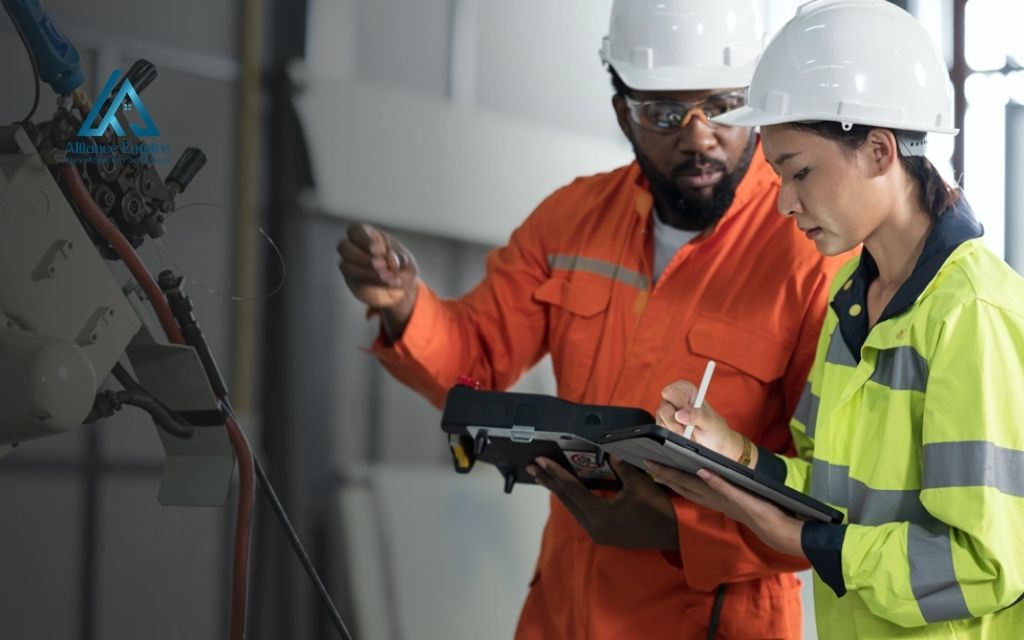
What “connected” means depends on who you ask
Ask a general contractor, a software vendor, and a facility owner what connected construction means, and you will likely get three different answers. It reflects three real approaches to solving the same issue, and understanding the difference matters if your team is evaluating tools or trying to define what connected actually looks like on its own projects.
Platform-centric systems
Some providers, including large names like Procore, build a single platform meant to house as much of the project as possible: documents, budgets, scheduling, quality, and safety all inside one system. The advantage is consistency. Everyone works inside the same environment, so there is less risk of version conflicts. The tradeoff is that a team’s data is only as connected as that one platform allows, and integrating outside tools later can take real effort.
Ecosystem of connected tools
Other providers, including Autodesk Construction Cloud and Trimble Connect, favor a suite of purpose-built tools that share data through integrations rather than a single monolithic system. This model gives teams more flexibility to choose the best tool for design, field management, or cost control, but it depends heavily on those integrations working cleanly and staying maintained over time.
Federated data ownership
A third approach, used by platforms like Kahua and Oracle Aconex, focuses on letting each party, owner, contractor, or subcontractor, keep control of its own data while still sharing what is needed with the rest of the team. This model is often favored on complex or public projects where data ownership, audit trails, and long term recordkeeping carry legal or contractual weight.
None of these models is universally right. The best fit depends on project size, contract structure, and how much control each stakeholder needs over its own information.
The building blocks of connected construction
Regardless of which model a team chooses, most connected environments rely on a similar set of core components. The goal underneath all of them is the same: a system that connects construction data instead of scattering it across separate tools.
- Common data environment: A single, verified source of truth for drawings, specifications, RFIs, submittals, and field records, so teams are not working from outdated copies.
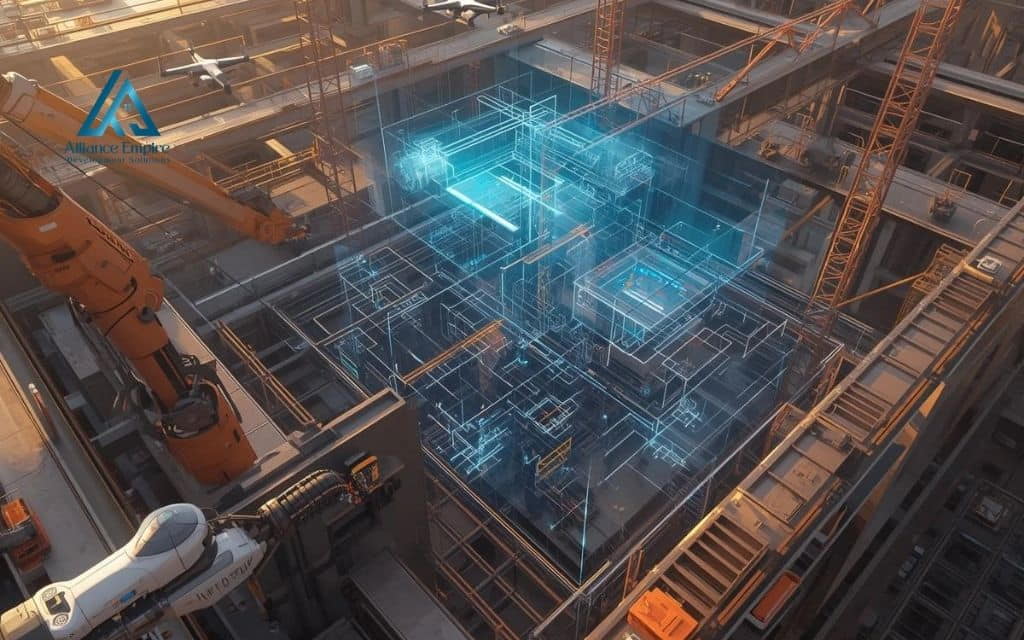
- Building information modeling: A 3D model that carries data beyond geometry, including quantities, specifications, and coordination history, linked to the documents and schedule around it.
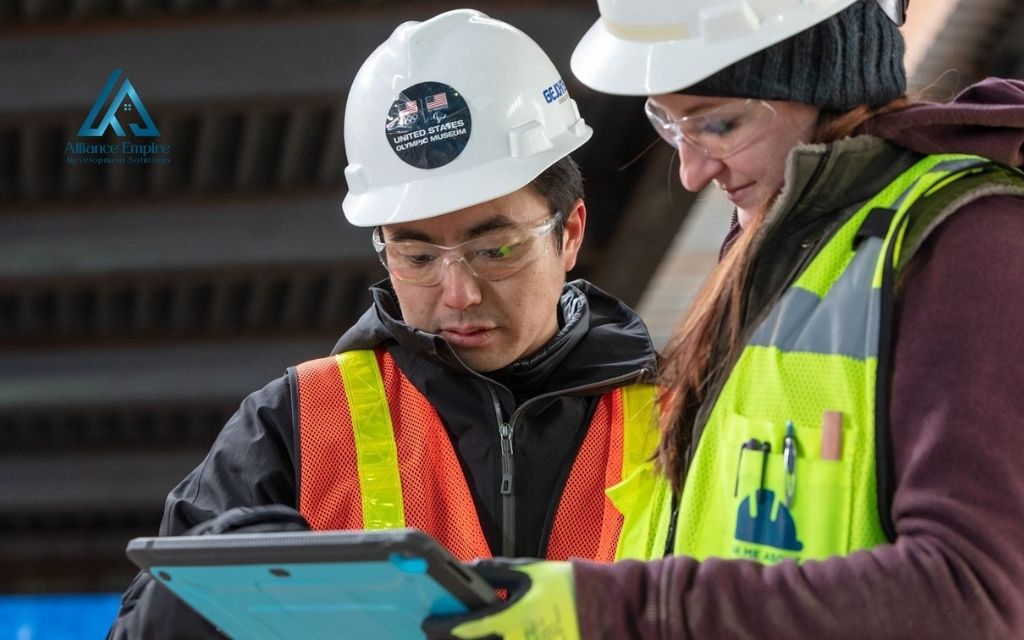
- Mobile field applications: Tools that let superintendents and crews update drawings, photos, checklists, and daily reports directly from the jobsite instead of waiting to reach a desktop.
- Cloud based access: Project data hosted centrally so the latest version is available to anyone with permission, on any device, without emailing files back and forth.
- Sensors and equipment data: Connected equipment and jobsite sensors that feed real time information on location, usage, and conditions into the broader project record.
- Artificial intelligence and analytics: Tools that surface patterns in project data, flag discrepancies between design and field conditions, and reduce the manual work of searching through documents.
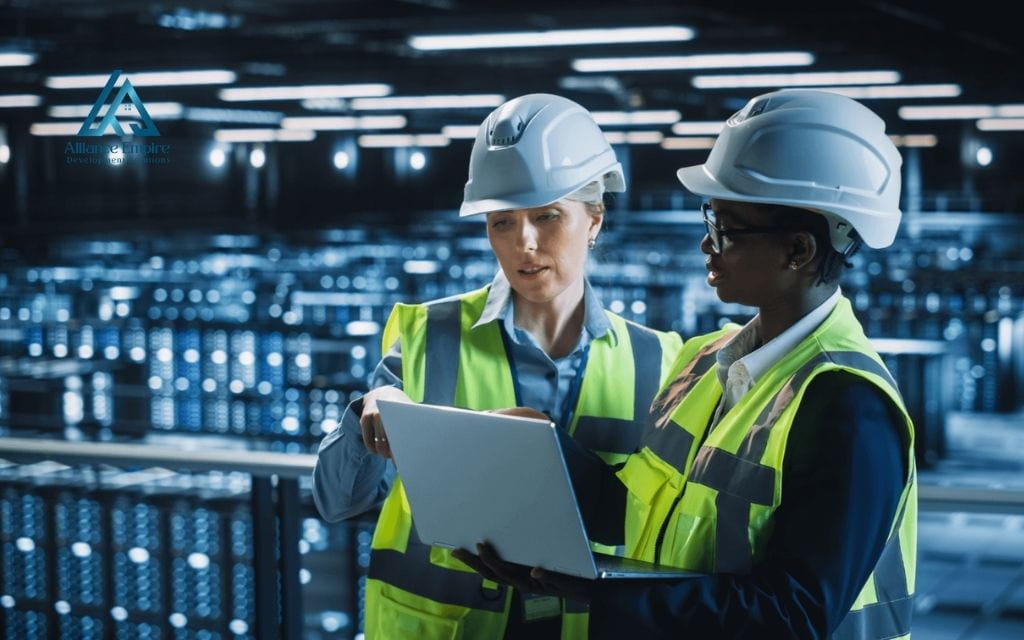
What connected construction looks like on the jobsite
These ideas can sound abstract until you see how they change daily work. On a connected project:
- Drawing updates reach the field the same day, instead of days or weeks later, because revisions publish to a shared model rather than getting reprinted and redistributed by hand.
- RFIs live in one tracked location, so nobody has to dig through email threads to find out whether a question was answered or who owns the response.
- Progress photos are tied to specific locations and dates, creating a visual record that supports quality checks, inspections, and any later question about what was installed and when.
- Equipment and material data feeds planning, so a scheduler knows what is on site, what is en route, and what a delay upstream will do to next week’s sequence.
- Owners can check project status without waiting on a report, because dashboards pull directly from the same data the field team is already updating.
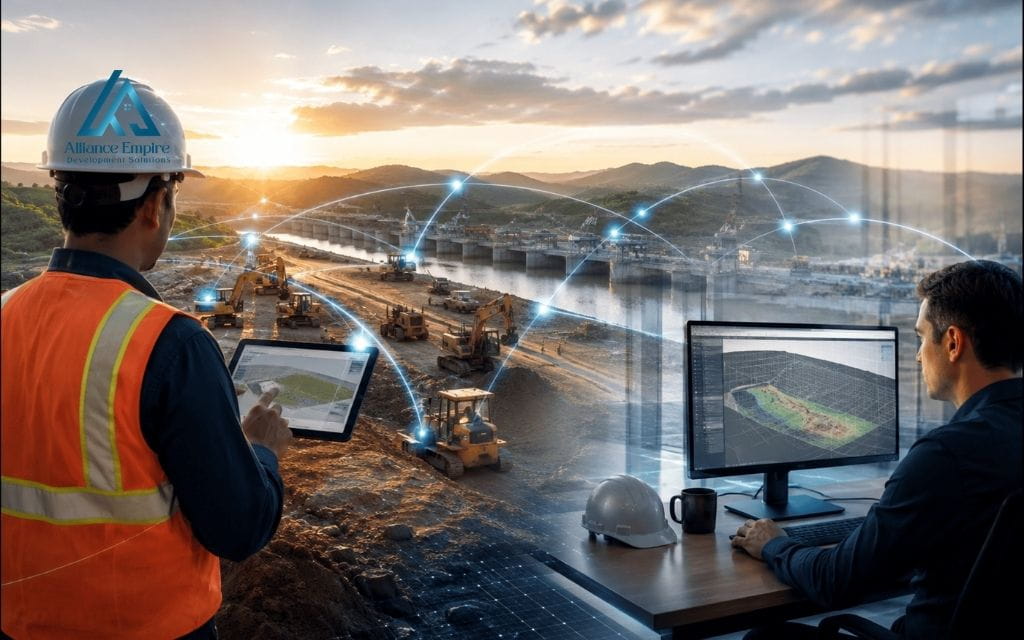
Why connected construction matters
The business case here comes down to reducing the cost of not knowing something in time. Disconnected data slows decisions, and slow decisions on a jobsite tend to show up later as rework, delay claims, or disputes over what was actually approved.
- Fewer information gaps: Everyone works from the same current documents, reducing the chance that a crew builds to an outdated drawing.
- Faster decisions: Questions get answered where the data already lives, instead of waiting on someone to track down the right file or the right person.
- Less rework: Discrepancies between design intent and field conditions surface earlier, before they get built into the structure.
- Stronger documentation: A connected record of decisions, approvals, and site conditions holds up better in an audit, an insurance claim, or a dispute than a folder of scattered emails.
- Safer jobsites: Real time reporting means safety issues and near misses get logged and addressed faster.
- Better handoff to operations: Facility managers inherit a complete digital record instead of a box of binders, which matters for maintenance and warranty claims long after the crews have left.
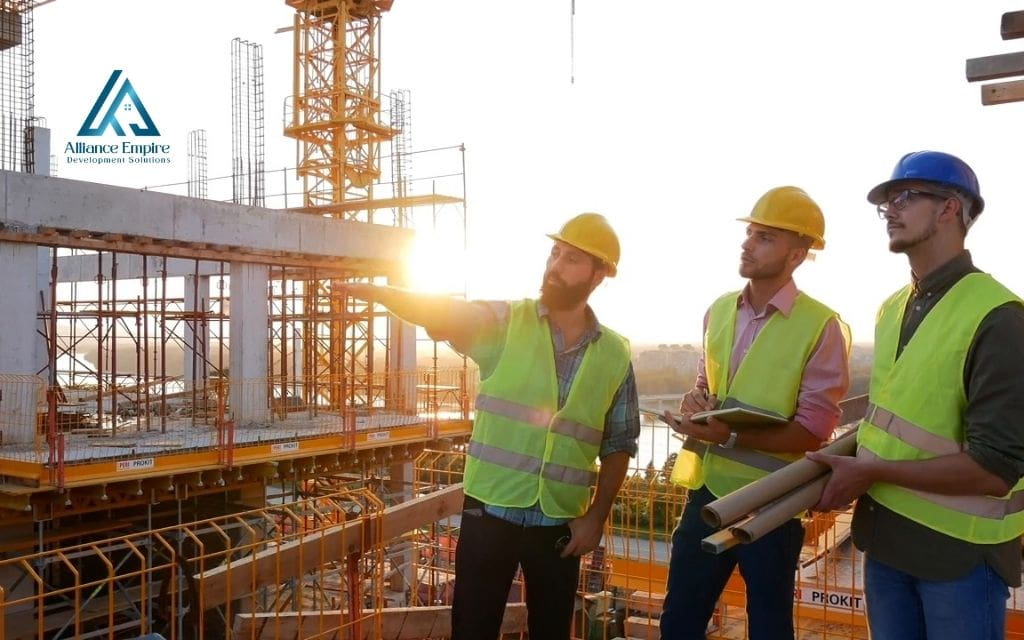
The real challenges of connected construction
Connecting a project is not as simple as buying a subscription. Most of the difficulty is organizational rather than technical:
- Data silos and inconsistent standards: If different teams name files, folders, and fields differently, connecting their data becomes a manual cleanup job before it becomes an automated benefit.
- Interoperability between systems: Not every tool talks cleanly to every other tool, and integrations that work well on one project can break when a vendor changes its software.
- Upfront cost and implementation time: Licensing is only part of the cost. Configuring a system, migrating existing project data, and training staff all take time and budget that smaller firms may not have readily available.
- Cybersecurity and data ownership: Centralizing sensitive project and financial data raises real questions about who owns that data, who can access it, and how it is protected.
- Change management: Crews and project managers who have used the same spreadsheets and paper processes for years will not adopt new tools just because they exist. Adoption depends on leadership support and a clear reason the new process is worth the disruption.
- Training and mobile access gaps: A system is only as connected as the people willing and able to use it in the field, which means training, device access, and reliable jobsite connectivity all matter as much as the software itself.
How to start connecting your construction workflows
Teams do not need to overhaul every process at once to move toward a more connected approach:
- Assess current systems and data gaps: Map out where information currently lives and where it breaks down between teams.
- Set clear, measurable goals: Decide what problem you are actually solving, whether that is fewer RFI delays, better documentation, or faster reporting to ownership.
- Choose a system that fits the project and the team: A platform built for a large general contractor managing dozens of active jobs may be overkill for a smaller firm, and the reverse is also true.
- Standardize data entry and naming conventions: Connected data only works if it is entered consistently, which means agreeing on formats before rollout, not after.
- Train teams and phase in adoption: Start with one project or one workflow, prove the value, and expand from there rather than forcing a company-wide switch overnight.
- Build in data governance and security from day one: Decide who owns the data, who can access it, and how it is backed up before problems come up, not after.
- Review and refine over time: What works on a small tenant improvement project may need adjustment on a large ground-up build, so treat the rollout as ongoing rather than a one time event.
The future of connected construction
Connected construction is heading toward a deep integration of data and AI. Platforms like Procore unify BIM, documents, and asset data, enabling AI to automate paperwork and reduce administrative time by up to 50%.
However, AI efficacy depends entirely on breaking down data silos. Beyond AI, the industry will see growth in digital twins, IoT sensors, wearables, and modular construction coordination. Ultimately, these advancements bridge the gap between field operations and office management, creating a more synchronized industry.
Conclusion
Technology alone does not create connected construction. It takes a contractor who treats documentation, communication, and accountability as part of the build itself, not as an afterthought.
At Alliance EDS, that approach has shaped how we manage every project for more than 15 years, from clear documentation and honest assessments to keeping owners informed without waiting on a monthly report. If you are planning a project in the Denver, Colorado area and want a general contractor who keeps your team connected from the first estimate to final handover, contact Alliance EDS at (720) 484-8181 today!
Frequently asked questions (FAQs)
Is connected construction the same as BIM?
No. Building information modeling is one component of connected construction, focused on the 3D model and its data. It is the broader practice of linking people, data, and processes across an entire project, of which BIM is one important piece.
What software supports connected construction?
There is no single required platform. Common data environments, project management software, mobile field apps, and BIM tools from providers such as Procore, Autodesk Construction Cloud, Trimble Connect, Oracle Aconex, and Kahua all support different pieces of a connected workflow. The right combination depends on project size, team structure, and existing systems.
How much does it cost to implement connected construction?
Cost varies widely based on project size, the number of users, and how many existing systems need to be integrated or replaced. Costs typically include software licensing, data migration, and training time, and a smaller pilot rollout on a single project is a common way to control that cost before scaling up.
Is connected construction only useful for large projects?
No. Smaller projects benefit from the same core ideas, current drawings, tracked RFIs, and centralized documentation, even when the tools involved are simpler. The scale of the technology can flex with the size of the project.
Who is involved in a connected construction workflow?
A connected construction workflow typically includes the owner, the general contractor, subcontractors, architects and engineers, and often facility managers preparing to take over the building at closeout. Connected data does not replace any of these roles. It gives each of them faster access to the same accurate information, from design intent through final handover.”
What parts of a project does connected construction cover?
Connected construction can extend across the full project lifecycle, including preconstruction, design coordination, estimating, scheduling, field execution, safety, quality, cost control, and closeout. Most teams do not connect every phase at once. Many start with the phases where disconnected data causes the most delay, such as RFIs or field reporting, and expand from there.