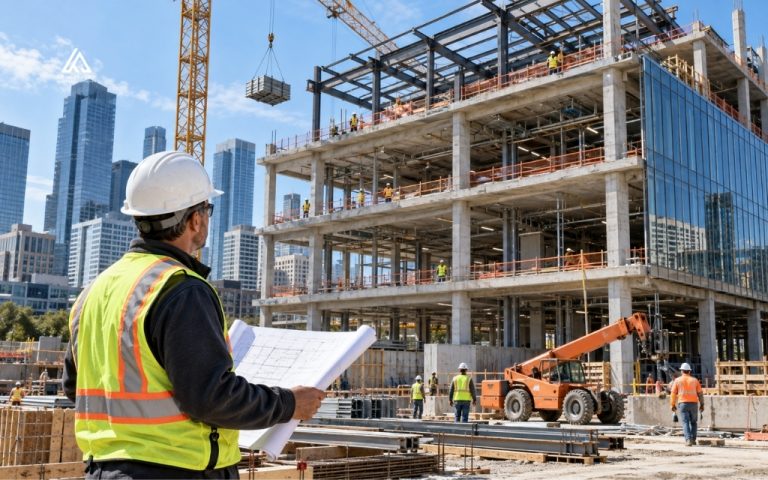

Every building starts with a set of material decisions that shape its strength, cost, appearance, and lifespan. Understanding common construction materials helps property owners, developers, and construction professionals evaluate options with more confidence, whether the project is a new build, a renovation, or a structural repair. This guide breaks down the most common construction materials in use today, so readers can compare options based on their own project requirements.
What determines the right construction material for a project
Choosing among common building materials is rarely about picking the single best option. Most projects call for a combination of materials selected to match specific structural, environmental, and budget conditions. The following factors typically guide that decision.
- Structural load requirements: The material must support the weight and forces the structure will carry, including live loads, dead loads, and lateral forces from wind or seismic activity.
- Climate and weather exposure: Moisture, temperature swings, UV exposure, and freeze thaw cycles all affect how a material performs over time.
- Local building codes: Jurisdictions set minimum standards for fire resistance, structural performance, and energy efficiency that materials must meet.
- Budget and life cycle cost: Upfront material cost matters, but so does long term maintenance, repair frequency, and expected service life.
- Sustainability goals: Embodied carbon, recyclability, and energy performance are increasingly part of material selection, especially for commercial and institutional projects.
- Material availability and lead times: Supply chain conditions and regional availability can influence cost and project scheduling.
Types of common construction materials
Concrete
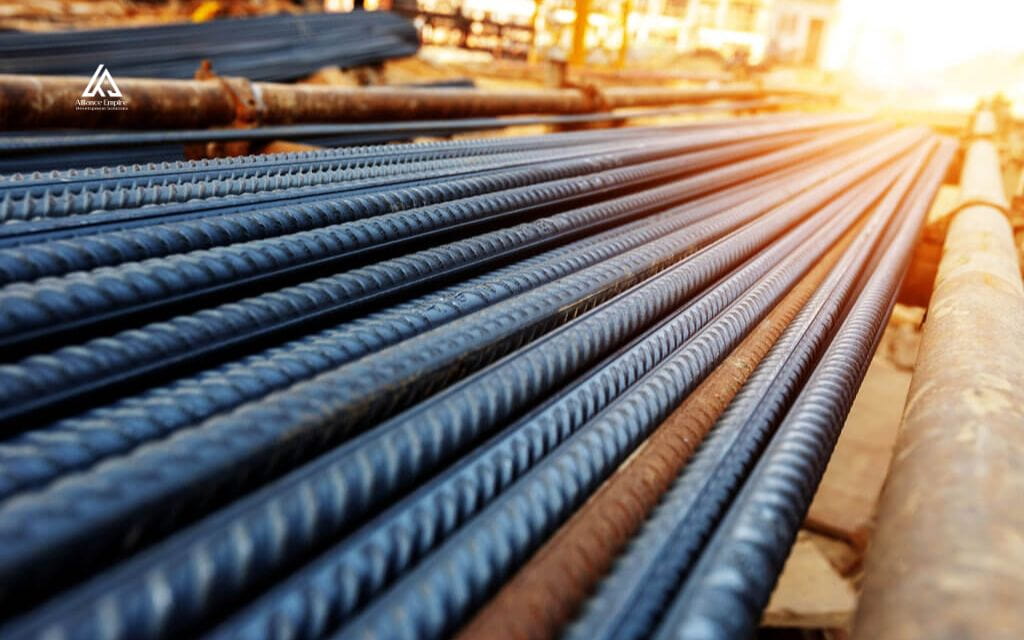
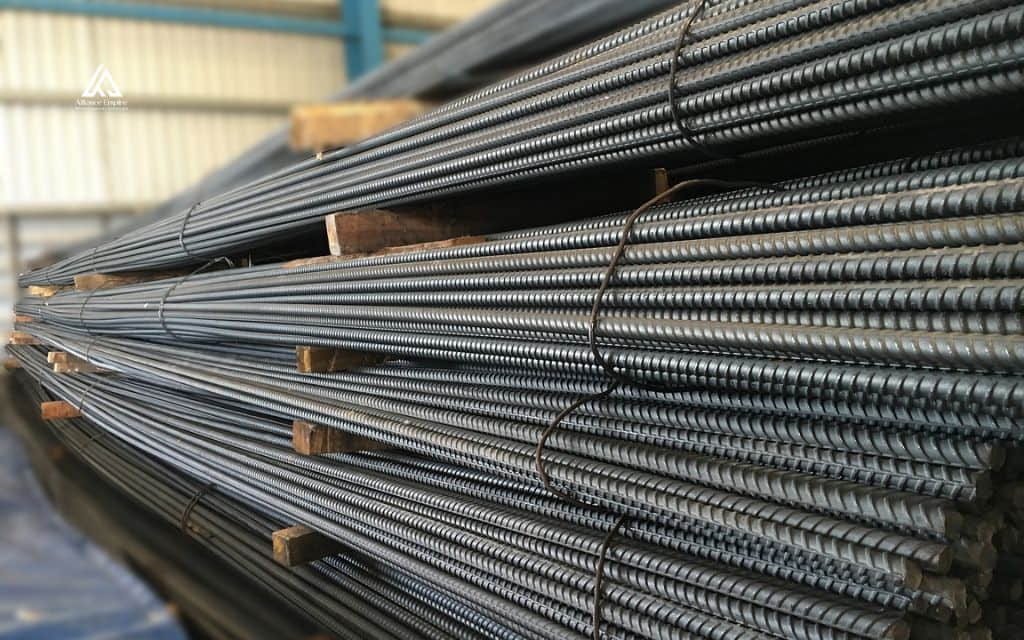
Concrete is widely regarded as the most used construction material in the world. It is a composite made from cement, water, and aggregate that is poured into forms and left to cure, typically reaching workable strength within about seven days and near maximum strength around 28 days. Reinforced concrete, which embeds steel bars within the mix, is standard practice for most structural applications because it adds tensile strength that plain concrete lacks.
Common applications: Foundations, footings, slabs, structural framing, bridges, retaining walls, and sewer or utility infrastructure.
Advantages: High compressive strength, fire resistance, long service life, and the ability to be formed into nearly any shape.
Limitations: Heavy weight, relatively low tensile strength without reinforcement, and curing time that can affect project schedules.
Cost considerations: Concrete is generally cost effective for its strength and durability, though costs vary with reinforcement requirements, mix design, and local material and labor pricing.
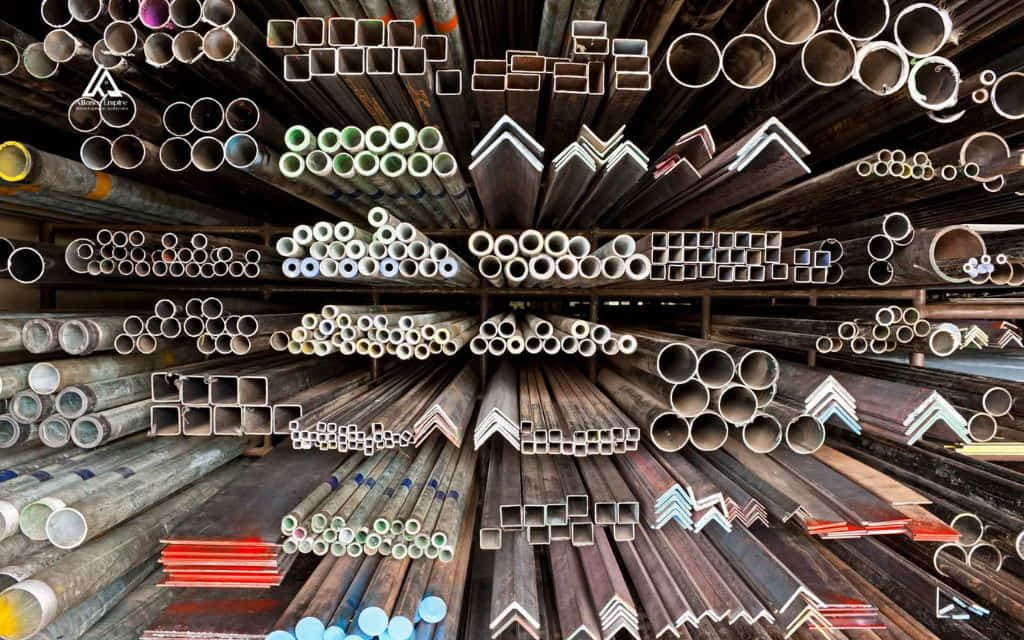
Steel
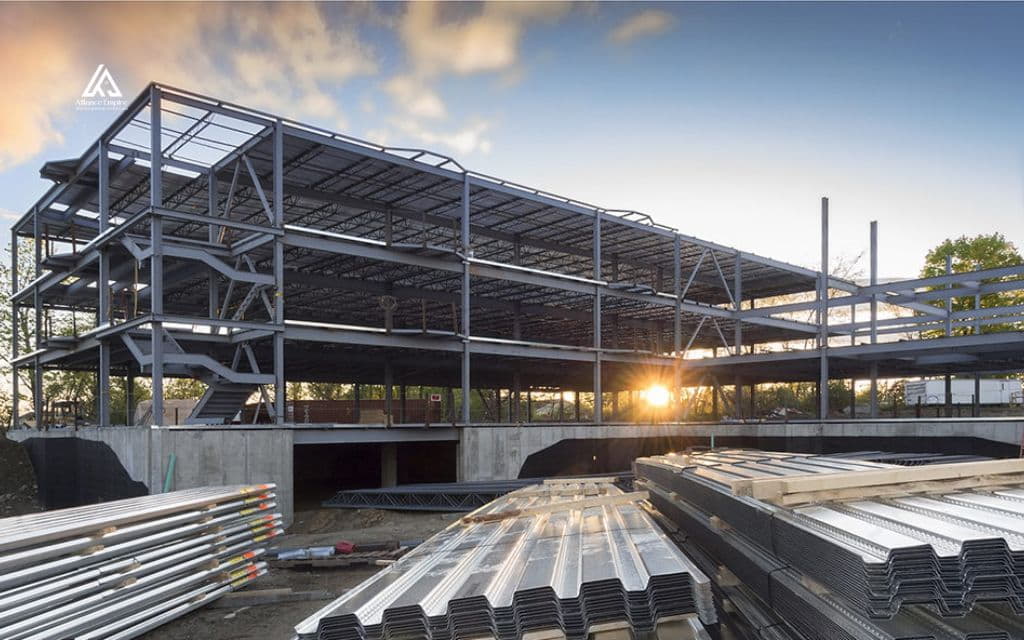
Steel is an alloy of iron and carbon valued for its strength, workability, and predictable structural performance. It became the material behind modern high rise construction because of its high strength to weight ratio and ability to span long distances without intermediate support.
Common applications: Structural framing, beams and columns, reinforcing bars within concrete, roofing components, and underground utility lines.
Advantages: High strength relative to weight, faster installation than concrete, and consistent quality due to factory fabrication.
Limitations: Susceptible to corrosion if not properly coated or maintained, and structural steel can lose strength at very high temperatures without fireproofing.
Cost considerations: Steel pricing tends to track commodity markets, so costs can fluctuate more than other structural materials, but its speed of installation can offset some of that cost through shorter project timelines.
Wood (lumber and engineered wood)
Wood remains one of the most common building materials for residential framing because it is renewable, workable, and widely available. Engineered wood products, such as laminated veneer lumber and cross laminated timber, extend wood’s use into larger commercial and multi story projects.
Common applications: Wall framing, floor and roof structures, interior finishes, door and window components, and increasingly, mid rise structural framing through engineered wood systems.
Advantages: Renewable resource, favorable strength to weight ratio, ease of on site modification, and strong thermal and acoustic insulating properties.
Limitations: Combustible without fire treatment, susceptible to moisture damage and pest infestation if not properly protected, and dimensional variability compared to manufactured materials.
Cost considerations: Lumber costs can be volatile depending on supply and demand, though wood framing is often more economical than steel or concrete for smaller residential structures.
Brick and masonry
Masonry construction uses brick, concrete block, or similar units bound together with mortar. Traditional brick was made from fired clay, while much of today’s masonry relies on concrete block reinforced with steel for added strength.
Common applications: Load bearing and non load bearing walls, foundations, veneer finishes, and retaining structures.
Advantages: High compressive strength, strong fire resistance, low maintenance, and long service life.
Limitations: Brittle under lateral or seismic stress without reinforcement, labor intensive installation, and limited tensile strength.
Cost considerations: Masonry generally carries a higher installed cost than wood framing due to labor and material handling, but its durability can reduce long term maintenance expenses.
Stone
Stone is among the longest lasting materials for building, with examples of stone structures still standing after centuries of use. Granite, marble, sandstone, and limestone are commonly specified depending on the desired appearance and performance.
Common applications: Foundations, exterior cladding, flooring, decorative finishes, and rough aggregate for other construction materials.
Advantages: Exceptional durability, natural fire resistance, and a distinctive aesthetic that many other materials cannot replicate.
Limitations: Heavy weight makes handling and installation more difficult, poor thermal insulation properties, and higher material and labor costs for finished stonework.
Cost considerations: Stone is typically one of the more expensive material for building options, particularly for finished or polished applications, though its longevity can justify the investment in certain projects.
Glass
Modern glass products go well beyond basic windows, playing a major role in facades, curtain walls, and interior partitions. Advances in glazing technology have improved glass’s thermal performance considerably compared to older single pane products.
Common applications: Windows, curtain wall systems, storefronts, skylights, and interior partition walls.
Advantages: Natural daylighting, design flexibility, and improved energy performance when specified with low emissivity coatings or insulated glazing units.
Limitations: Lower structural strength compared to opaque materials, potential for significant heat gain or loss if not properly specified, and higher cost for high performance glazing systems.
Cost considerations: Basic glazing is relatively affordable, while specialty products such as insulated, tempered, or laminated glass increase cost based on performance requirements.

Aluminum
Aluminum has grown in popularity as a lightweight alternative to steel, particularly where corrosion resistance and reduced structural load matter. It is often alloyed with elements like copper or magnesium to improve strength for structural or architectural applications.
Common applications: Window and door frames, curtain wall systems, roofing and siding panels, and architectural trim.
Advantages: Lightweight, naturally corrosion resistant, and highly recyclable without significant loss of material quality.
Limitations: Lower strength than steel unless alloyed, and higher material cost compared to steel for equivalent structural applications.
Cost considerations: Aluminum generally costs more than steel per unit of strength, but its light weight can reduce structural and shipping costs in certain applications.
Drywall (gypsum board)
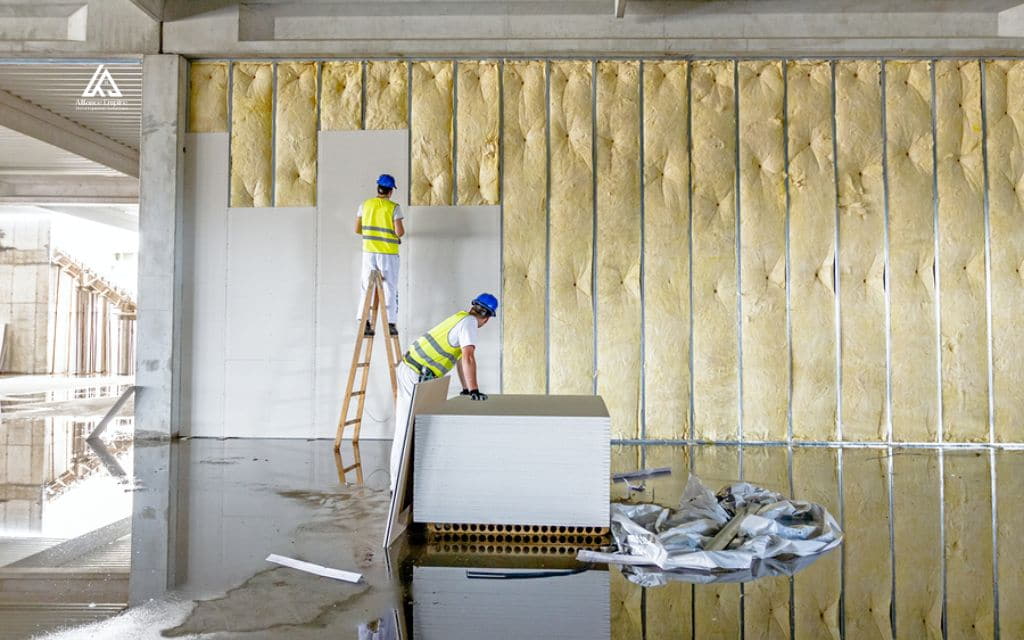
Drywall, also known as gypsum board, is the standard interior wall and ceiling finish in most residential and commercial construction. It consists of a gypsum core sandwiched between paper facings, offering a smooth, paintable surface that installs faster than plaster.
Common applications: Interior walls, ceilings, fire rated partitions, and sound dampening assemblies.
Advantages: Fast installation, relatively low cost, natural fire resistance from the gypsum core, and easy repair or replacement.
Limitations: Vulnerable to moisture damage and mold if exposed to water, and limited impact resistance compared to masonry or wood paneling.
Cost considerations: Drywall is one of the more economical interior finish materials, with cost varying by thickness, fire rating, and moisture resistant formulations.
Insulation
Insulation materials regulate heat transfer through a building’s envelope, directly affecting energy efficiency and comfort. Common types include fiberglass batts, rigid foam board, spray foam, mineral wool, and cellulose, each offering different R-values and installation methods.
Common applications: Wall cavities, attics, roof assemblies, and foundation perimeters.
Advantages: Reduced energy consumption, improved indoor comfort, and in some products, added acoustic dampening.
Limitations: Performance depends heavily on correct installation, and certain types require specialized equipment or trained installers.
Cost considerations: Fiberglass and cellulose tend to be more budget friendly, while spray foam and rigid board insulation carry a higher upfront cost offset by stronger thermal performance.
Roofing materials
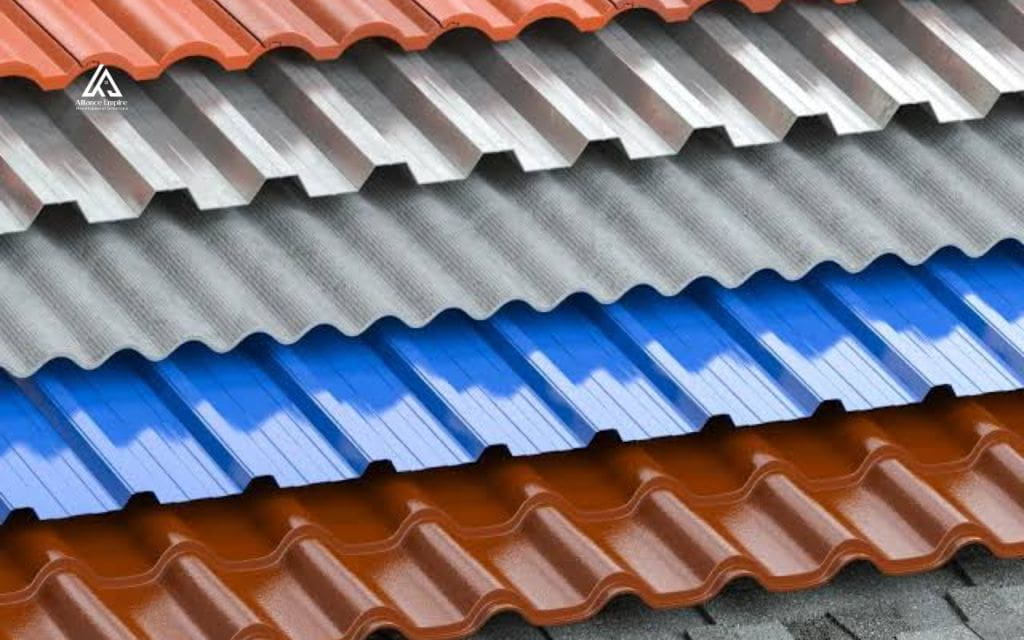
Roofing sits at the intersection of structural protection and long term maintenance planning, and the right choice depends heavily on slope, climate, and budget. Several roofing material types dominate the market.
- Asphalt shingles: The most common residential roofing material in the United States, valued for affordability and straightforward installation.
- Metal roofing: Offers a long service life and strong resistance to wind, fire, and impact, though it carries a higher upfront cost than asphalt.
- Tile roofing: Includes clay and concrete tile, prized for durability and appearance but heavier and more expensive to install.
- Flat and membrane roofing: Systems such as TPO, EPDM, and PVC are designed for low slope commercial roofs, offering weather resistance and simplified maintenance access.
Advantages: Roofing systems as a category protect the building envelope, contribute to energy efficiency, and can be selected to match specific climate and code requirements.
Limitations: Every roofing material eventually requires maintenance or replacement, and material choice affects both installation complexity and long term repair costs.
Cost considerations: Asphalt shingles remain the most economical option for most residential projects, while metal, tile, and membrane systems involve higher upfront costs balanced against longer service life.
Modern considerations in material selection
Sustainability and embodied carbon
Embodied carbon refers to the greenhouse gas emissions associated with producing, transporting, and installing a material. Concrete and steel typically carry higher embodied carbon than wood, which has pushed the industry toward low carbon concrete mixes, recycled steel content, and mass timber alternatives for structural framing.
Energy efficiency
Materials that improve a building’s thermal envelope, including insulation, high performance glazing, and reflective roofing products, reduce ongoing energy consumption. Selecting these materials with local climate conditions in mind has a direct effect on utility costs over the life of the building.
Material availability and lead times
Supply chain conditions can shift material pricing and project timelines significantly. Regional availability, manufacturing capacity, and shipping distance all influence how quickly materials can be sourced for a given project.
Life cycle cost
Life cycle cost accounts for a material’s full expense over time, including installation, maintenance, repair, and eventual replacement, rather than upfront price alone. Materials with higher initial cost, such as metal roofing or masonry, often deliver lower life cycle cost due to reduced maintenance and longer service life.
How to choose the right material for your project
Selecting among common construction materials becomes more straightforward when the decision is broken into a clear set of questions. Use the following checklist as a starting point for evaluating material options.
- Confirm structural requirements: Work with a structural engineer to determine load capacity, span requirements, and code mandated safety factors.
- Account for climate exposure: Match material properties to local weather patterns, including moisture, temperature extremes, and UV exposure.
- Review applicable building codes: Verify fire ratings, energy codes, and structural requirements specific to the project’s jurisdiction.
- Set a realistic budget that includes life cycle cost: Compare upfront material cost against expected maintenance and replacement expenses.
- Define the project timeline: Factor in material lead times and installation speed when materials are time sensitive.
- Weigh sustainability goals: Consider embodied carbon, recyclability, and energy performance alongside performance and cost.
Conclusion
There is no single best option among common construction materials. Concrete, steel, wood, masonry, stone, glass, aluminum, drywall, insulation, and roofing materials each bring distinct strengths and trade offs, and most successful projects combine several of these materials based on structural needs, climate, budget, and long term performance goals.
If you are planning new construction, a renovation, or a property improvement project and want guidance on the right materials for your specific needs, Alliance EDS is available to help. Call us at (720) 484-8181 to schedule a consultation or request a free estimate.
Frequently asked questions (FAQs)
What is the most commonly used construction material in the world?
Among all common construction materials, concrete is generally considered the most widely used worldwide, largely because of its strength, versatility, and relatively low material cost compared to its performance.
Which construction material is the most durable?
Stone and masonry are typically regarded as the most durable common building materials, with many structures built from these materials remaining structurally sound after centuries of use.
How do I choose between wood and steel framing?
The decision often comes down to project scale, budget, and code requirements. Wood framing is common for smaller residential projects due to its cost and ease of installation, while steel framing suits taller structures or projects requiring longer spans and higher load capacity.
What construction materials are considered the most sustainable?
Wood is often cited as one of the more sustainable common construction materials when sourced from responsibly managed forests, while recycled steel and aluminum, along with low carbon concrete mixes, are increasingly common sustainable alternatives for structural applications.
Does climate affect which construction material I should use?
Climate plays a significant role in material selection. Freeze thaw cycles, humidity, UV exposure, and temperature extremes all affect how materials perform over time, which is why the same material can perform differently depending on regional weather conditions.