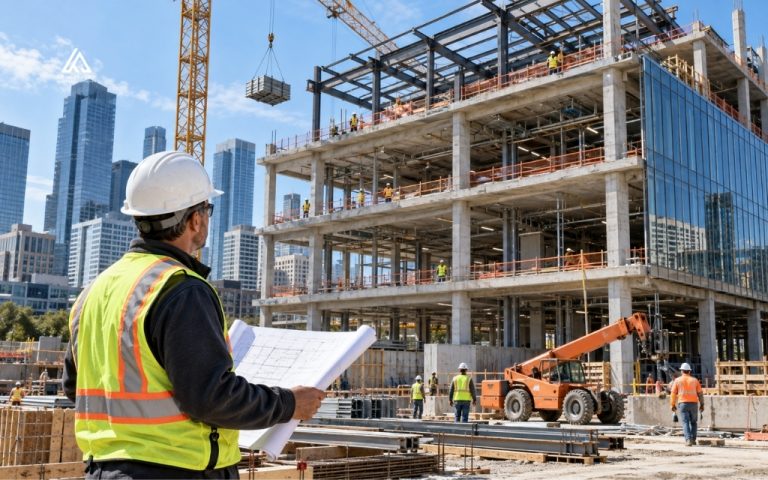


Construction schedules often look solid on paper and then fall apart once real crews meet real site conditions. The last planner system was created to close that gap by giving planning authority to the people who actually perform the work.
This guide explains what the last planner system is, how it works in construction, and how project teams put it into practice. It also covers the metrics used to measure planning reliability and answers common questions about the method.
What is the last planner system
The last planner system is a collaborative planning approach used in lean construction to make schedules more reliable. It was developed by Glenn Ballard and Greg Howell in the early 1990s as an alternative to rigid, top down scheduling.
The term refers to the “last planners,” the foremen, superintendents, and crew leaders who are closest to the actual work. Instead of receiving a fixed schedule from above, these individuals help build the plan and commit to what they can realistically deliver.
Because it involves the people doing the installation, the last planner system in construction produces plans that reflect real site conditions rather than assumptions made in an office. Some practitioners also call it the last planner method, though both terms describe the same lean scheduling approach.
The system is built on collaboration, transparency, and continuous learning. Rather than treating a schedule as fixed, teams revisit it regularly, remove obstacles as they appear, and adjust based on what was learned the week before.
Core principles of the last planner system
Five principles guide how the last planner system operates on a project, and understanding them helps explain why the method improves reliability compared to conventional scheduling.
- Plan in greater detail as work gets closer to being performed.
- Produce plans collaboratively with the people who will do the work.
- Reveal and remove constraints on planned tasks as a team.
- Make and keep reliable commitments between trades.
- Learn from breakdowns and use that knowledge to improve future plans.
Together, these principles shift scheduling from a single top down document to an ongoing, shared process. Crews commit only to work they can actually complete, which reduces rework, idle time, and last minute surprises on site.
Last planner system vs traditional scheduling methods
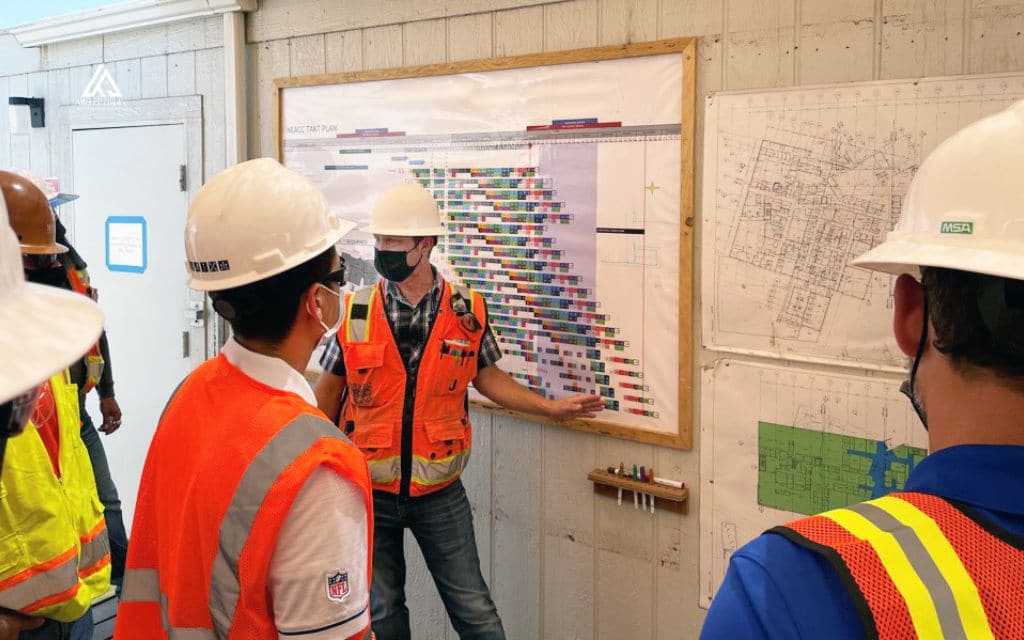
Traditional scheduling, often built around the Critical Path Method, pushes work forward from a start date using assumed durations and sequences, regardless of daily site conditions. The last planner system instead relies on pull planning, starting from a milestone and working backward so each task enters the schedule only once its prerequisites are confirmed and genuinely achievable.
Traditional scheduling is usually built by a project manager with limited field input, then issued to trade partners, leaving gaps between the plan and what is possible on site. The last planner system shifts that control to the last planners, so superintendents, foremen, and trade partners shape the near term plan together and catch problems early.
5 components of the last planner system process
Setting the master schedule and key milestones
The master schedule sets the overall project timeline and major milestones, such as foundation completion or building enclosure. Design and construction teams, including key last planners, agree on these milestones early so every later planning stage has a shared target.
This schedule stays intentionally high level. Detailed sequencing is deliberately left for later stages, since conditions closer to execution are far easier to predict accurately than conditions many months out.
Breaking phases down with pull planning
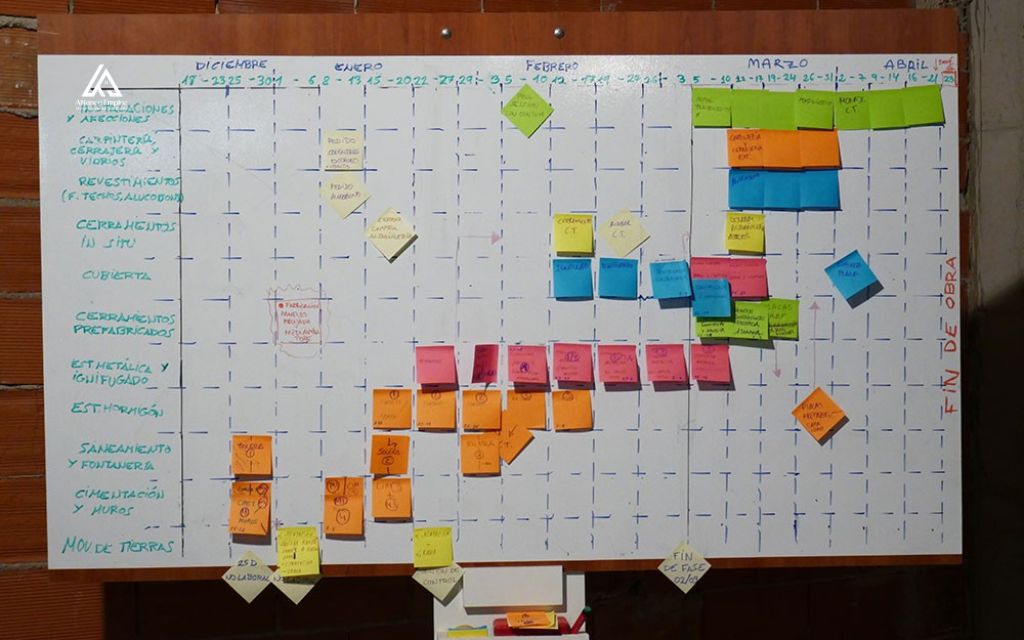
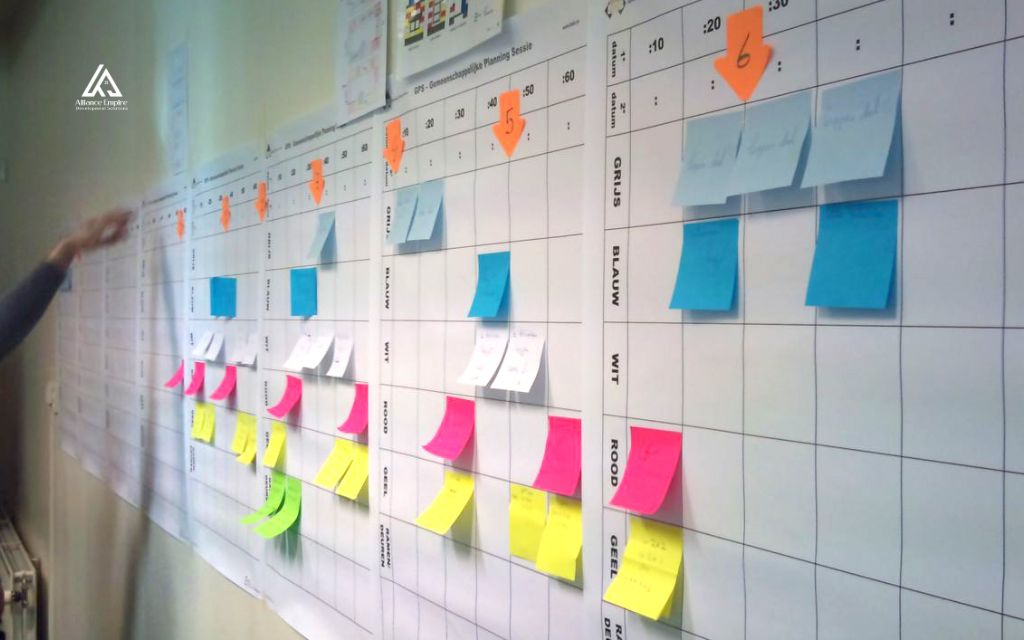
Phase scheduling breaks the work between two milestones into manageable segments using pull planning. Teams start at the later milestone and work backward, identifying the sequence of activities and handoffs required to reach it on time.
For a concrete phase, for example, the team maps formwork, reinforcement delivery, inspections, and pouring in reverse order from the finish date. Trade partners describe what they need from the previous trade before their own work can begin, creating clear handoff points between crews.
Clearing constraints during look-ahead planning
Look-ahead planning typically covers a rolling window of six to eight weeks. During this stage, teams identify tasks coming up and work to remove constraints, such as missing materials, pending inspections, or incomplete prerequisite work, before those tasks are due to start.
This stage often includes a make ready process, where each trade states exactly what conditions must be in place, such as a cleared work area or a completed inspection, before it can begin. Surfacing these needs early prevents crews from arriving on site only to find they cannot start.
Weekly work planning and reliable commitments
Weekly work planning happens on a set day, often Monday, when teams review the look-ahead plan and commit to specific tasks for the coming week. Commitments are only made when a team is confident it can deliver, which is what makes the plan reliable rather than aspirational.
During these meetings, teams typically report Percent Plan Complete for the prior week and discuss why any planned tasks were not finished. This regular review turns the weekly meeting into both a planning session and a feedback loop for continuous improvement.
Keeping workflow on track with daily huddles
Daily huddles are short, focused meetings, often held each morning, where crew leaders check progress against the weekly plan. Any new constraints, such as a delayed delivery or an unexpected site condition, are flagged immediately so the team can adjust before the issue causes a delay.
These brief check ins keep the plan current between weekly meetings. Because they involve the people doing the work directly, daily huddles catch small problems early rather than allowing them to accumulate into larger schedule impacts.
How to implement the last planner system on a project
Build a collaborative planning culture
Implementation starts with shifting how teams think about commitments. Instead of accepting whatever schedule is handed down, last planners are expected to speak up when a date is unrealistic and to commit only to work they believe they can complete.
This shift takes time, particularly on teams used to traditional, top down scheduling. Leadership support and consistent reinforcement during early meetings help the new habit take hold across the project team.
Use visual management tools onsite
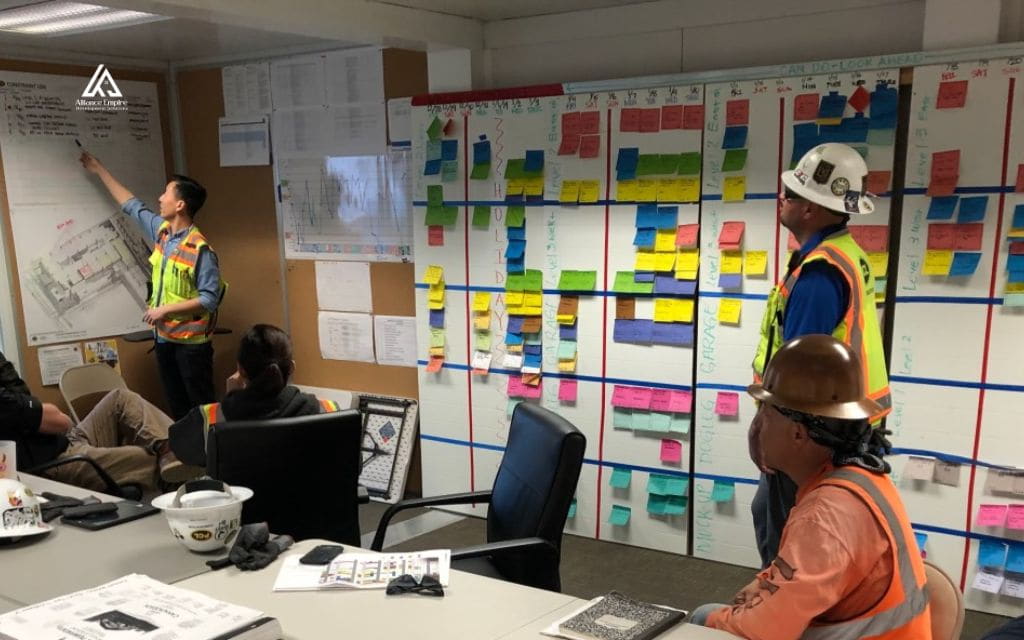
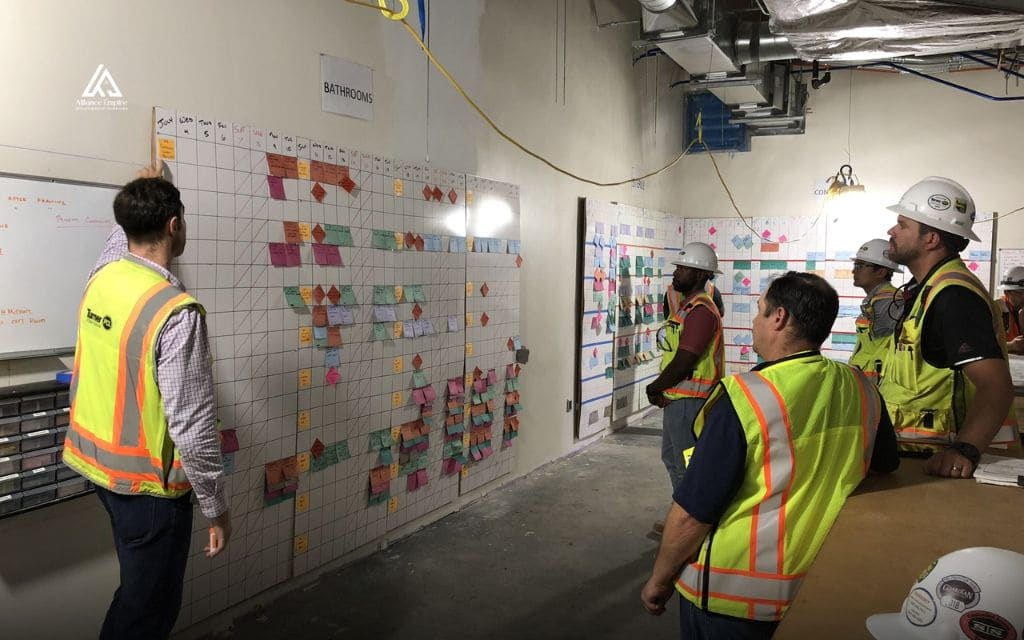
Visual tools help keep planning information accessible to everyone involved. Common examples include large whiteboards, color coded schedules, sticky notes representing individual tasks, and digital dashboards that track commitments and constraints in real time.
Keeping these tools visible in a trailer or site office, rather than buried in a file, makes it easier for last planners to update status and spot upcoming constraints during daily huddles.
Bringing in outside expertise early
Because the last planner system represents a significant change from conventional scheduling, many teams bring in a consultant or trainer experienced with the method to facilitate the first several pull planning and weekly sessions. This support helps teams learn the process correctly before running it independently.
Making participation a contract requirement
Some project teams formalize the commitment by including last planner system participation as a contractual obligation for trade partners. Requiring attendance at pull planning, look-ahead, and weekly sessions signals that the process is a core part of project delivery rather than an optional exercise.
Keeping weekly reviews focused on facts
Weekly reviews work best when they focus on facts rather than fault. Teams examine what prevented a task from being completed and treat that information as a chance to solve a shared problem, rather than as a reason to assign blame to one trade.
Framing constraint discussions this way encourages honest reporting. When crews trust that raising a problem will not lead to blame, they surface issues earlier, which is exactly what the last planner system depends on to stay reliable.
Overcome common adoption challenges
Common obstacles include resistance to a new way of working, uneven buy in across trade partners, and difficulty sustaining the discipline of weekly and daily meetings over a long schedule. These challenges are typical during any shift away from established habits.
Addressing them generally requires steady leadership, ongoing training, and patience while teams build confidence in the process. Early wins, such as a visibly more predictable week, tend to accelerate acceptance across the project.
Why teams choose the last planner system
Improved productivity and less waste
By removing constraints before work begins and relying on commitments crews can actually keep, the last planner system reduces idle time, rework, and stop start conditions on site. Crews spend more of their time producing work and less time waiting or redoing it.
More reliable workflow and project control
Because prerequisites are confirmed before a task starts, work tends to flow more predictably from one trade to the next. This improved reliability supports better project control, since schedule slippage and downstream disruption become less frequent.
Stronger collaboration between trades
Regular huddles and weekly sessions create structured opportunities for trades to communicate directly instead of relying only on formal correspondence. Over time, this builds a habit of collective problem solving that carries over into other parts of the project.
Metrics that show the last planner system is working
Percent Plan Complete (PPC)
Percent Plan Complete, or PPC, measures the share of planned weekly tasks that were actually completed as committed. It is the core metric of the last planner system, and a rising PPC over time indicates that the team’s planning is becoming more reliable.
Tracking constraint removal and task anticipation
Alongside PPC, some teams track how far in advance tasks are identified and how quickly constraints are resolved once flagged. These metrics offer insight into how well the team foresees problems before they affect the schedule.
Using root cause analysis to improve future plans
When planned tasks are not completed, teams document the reason and review it during the following planning cycle. Repeated root cause analysis of these variances helps teams target the specific habits or communication gaps that most often disrupt the plan.
Advanced uses of the last planner system
Pairing with Value Stream Mapping
Value Stream Mapping, a technique used to visualize an entire process and identify non value adding steps, can be paired with the last planner system to examine both scheduling reliability and broader process efficiency on the same project.
Working alongside other lean methods
Teams already practicing lean tools such as 5S, Kaizen, or Total Quality Management often integrate the last planner system alongside them. Because all of these methods share a focus on waste reduction and continuous improvement, they tend to reinforce each other rather than compete for attention.
Applying the approach outside construction
While developed for construction, the underlying principles of the last planner system have been applied to software development, product design, and other project based work. The core idea, involving the people closest to the work in planning it, translates well beyond the jobsite.
The future of the last planner system in construction
Growing use of digital tools on site
Mobile apps now support daily huddles and weekly planning by letting last planners update status directly from the field. Some platforms also use predictive analytics to flag likely constraints earlier, based on patterns from prior planning cycles.
Sustainability gains from leaner planning
Because it reduces rework, waste, and idle equipment time, the last planner system also supports broader sustainability goals in project delivery. Fewer wasted trips, materials, and labor hours translate into a lighter environmental footprint alongside a more predictable schedule.
Conclusion
The last planner system replaces rigid, top down scheduling with a collaborative process built on pull planning, constraint removal, and reliable commitments from the people doing the work. Its five stages, from master scheduling down to daily huddles, give project teams a structured way to keep plans grounded in real site conditions.
If your team is ready to bring this level of planning discipline to an upcoming project, Alliance EDS can help you apply proven construction management practices from preconstruction through closeout. Based in Denver, Colorado, Alliance EDS works with project teams nationwide and can be reached at (720) 484-8181 to discuss your next project.
Frequently asked questions (FAQs)
What is the last planner system in lean construction
In lean construction, the last planner system is the collaborative planning method used to turn a high level master schedule into reliable, short term commitments. It applies lean principles such as waste reduction and continuous improvement directly to the scheduling process itself.
What does LPS stand for in engineering
In construction and engineering contexts, LPS stands for last planner system. It refers specifically to the lean scheduling method built around involving last planners, such as foremen and superintendents, in producing the plan.
What is the best software for pull planning in construction
There is no single tool that qualifies as best for every team, since needs vary by project size and existing workflow. Many teams start with physical whiteboards and sticky notes, then move to digital dashboards or lean construction software that supports pull planning, look-ahead tracking, and PPC reporting as their process matures.
Who are the last planners on a construction project
Last planners are typically foremen, crew leaders, superintendents, and trade partner representatives who directly oversee the work being performed. They are considered “last” because they make the final planning decisions closest to actual execution.
How is Percent Plan Complete calculated
Percent Plan Complete is calculated by dividing the number of planned tasks actually completed during a given week by the total number of tasks that were committed for that week, then expressing the result as a percentage.
How long does it take to implement the last planner system
Timelines vary by project and team experience, but most teams need several weekly cycles before commitments and constraint removal start to feel routine. Full cultural adoption, where accountability and collaboration become habitual, typically takes longer than the technical steps of the process itself.
Can the last planner system work with Critical Path Method scheduling
Yes. Many project teams maintain a Critical Path Method schedule for overall project control while using the last planner system to manage short term, detailed planning. The two approaches address different planning horizons and are often used together rather than as substitutes.