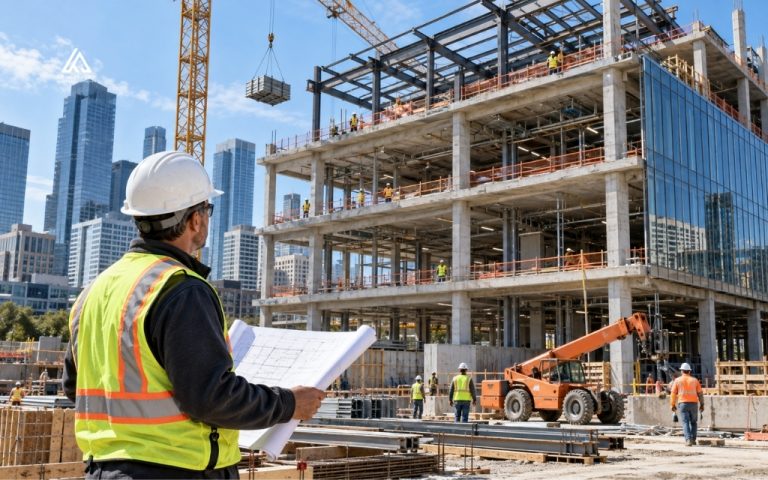

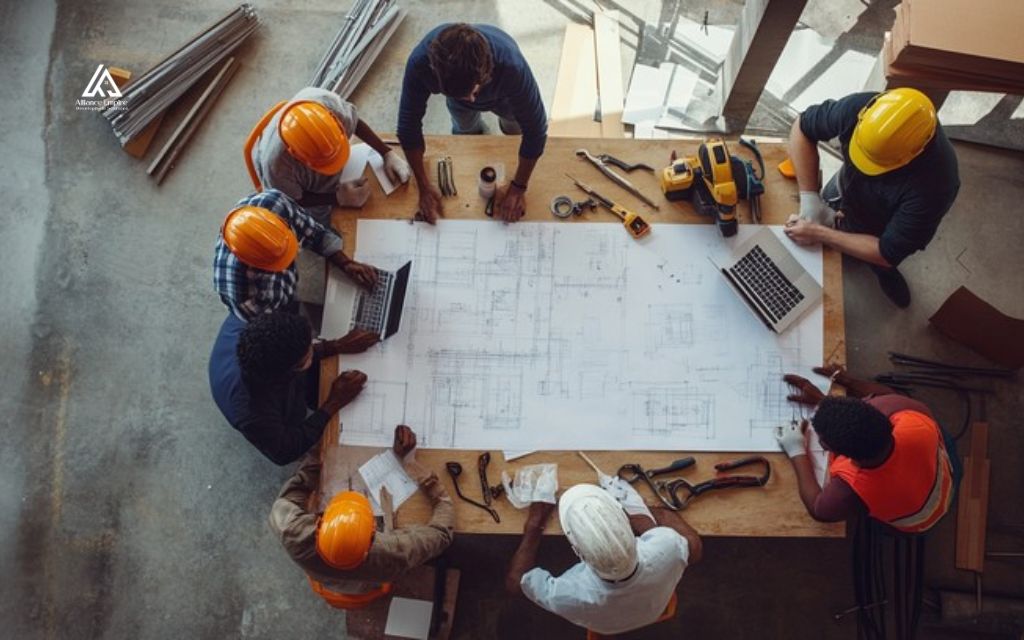
The preconstruction meeting is the first formal gathering of the owner, general contractor, designers, and key trade partners after a project is awarded and before work begins on site. It turns contract documents into a shared plan for scope, schedule, safety, and communication.
This guide explains what a preconstruction meeting is, who should attend, which documents to bring, and what the agenda should cover. It also shows how to handle RFIs, submittals, and change orders, with a sample agenda, a checklist, and a minutes outline that project teams can adapt.
What is a preconstruction meeting?
In construction, a preconstruction meeting is a planning session held after the contract is awarded and before field work starts. Owners, contractors, designers, and trade partners use it to confirm scope, review the schedule, agree on communication rules, and settle site and safety expectations.
The preconstruction meeting, sometimes called a preconstruction conference or precon meeting, aims for a shared understanding before work begins: who is responsible for what, how the schedule will run, how questions get answered, and which risks need attention.

Benefits of holding a preconstruction meeting
Introduce the key players
Even modest projects involve owners, designers, estimators, project managers, superintendents, inspectors, and trade partners. Face-to-face introductions show who holds authority for decisions, who answers technical questions, and who to call when something changes. That clarity reduces delays caused by messages sent to the wrong person.
Confirm drawings and designs before work starts
Drawings and specifications should be approved before field work begins, yet gaps still slip through. Walking through key sheets, details, and callouts gives the team a last chance to flag conflicts, missing information, or unclear scope. Fixing a drawing issue on paper typically costs far less than fixing installed work.
Set a shared project roadmap
Once work starts, daily demands crowd out big-picture planning. The preconstruction meeting lets the team walk through phasing, major milestones, inspections, and closeout requirements together. Each party sees how its work depends on others, which makes sequencing conflicts easier to spot before crews arrive.
Control cost and limit change orders
Many change orders trace back to unclear scope, late decisions, or missed coordination. Agreeing on responsibilities, approval steps, and pricing procedures early gives the team a clear process when changes do arise. Better planning cannot eliminate every change, yet it does reduce avoidable ones.
Surface rework risks and site conditions early
Missing details in subcontractor drawings turn into rework when nobody resolves them before installation. Unknown site conditions, such as limited access, buried utilities, or neighboring operations, can also stall progress. Raising these items at the preconstruction meeting lets the team assign owners and deadlines before crews mobilize.

Types of preconstruction meetings
Projects rarely rely on a single conversation. Many teams hold several preconstruction meetings, each with a different audience and focus. The most common formats include:
- Owner and general contractor meeting: Covers contract expectations, schedule, budget controls, and reporting with the owner or owner’s representative and the design team.
- General contractor and subcontractor meeting: Brings the project manager, superintendent, and subcontractor leads together to settle scope boundaries, sequencing, submittals, and site rules.
- Trade preinstallation conference: Gathers the installer, superintendent, design team, and, when needed, a manufacturer representative to confirm product requirements, mockups, installation conditions, and inspections.
- Public works preconstruction conference: Includes agency representatives, the prime contractor, major subcontractors, and inspection contacts to review contract requirements, reporting, site access, and permits.
Specifications often spell out which preconstruction meetings are required, usually in the general requirements section (Division 01). Teams should check the contract documents first, then add any extra sessions the project risk justifies.
Key topics to cover in a preconstruction meeting
Project introduction, roles, and chain of command
Start by confirming who is who and who decides what. Clear rosters prevent confusion later, so the introduction should settle the following points:
- Owner, designer, and contractor contacts
- Authority limits for approving changes, schedule shifts, and payment
- Escalation path when a question stalls
- Primary and backup contact for each trade
Scope and schedule review
Review the scope by trade to confirm what each party includes, excludes, and expects from others. Overlaps and gaps between scopes cause many field disputes, so spend time on interfaces such as waterproofing, mechanical penetrations, and temporary protection.
For the schedule, walk through the critical path, which is the chain of tasks that sets the earliest finish date. Cover long-lead procurement items and milestone dates as well.
Ask each trade to flag constraints early, including inspection hold points, weather-sensitive work, and dependencies on other crews. Record any date that needs adjustment.
Site logistics, access, utilities, and storage
Site logistics decide how smoothly materials and people move once work starts. Topics typically include:
- Site access, gates, and work hours
- Parking, deliveries, and laydown areas
- Material storage and protection
- Temporary power, water, and sanitation
- Utility locations and shutdown coordination
- Neighbor, tenant, or public interface requirements
- Trash removal, cleanup, and dust control
RFIs, submittals, and change orders
RFIs, or requests for information, are formal questions sent to the design team when drawings or specifications are unclear or in conflict. Agree on who may submit them and how quickly the design team responds.
Submittals are product data, shop drawings, and samples sent for design review before materials are ordered or installed. Confirm the submittal log, review durations, and resubmittal process, since long reviews can delay procurement.
Change orders are written contract modifications that adjust scope, price, or time. Agree on how changes are priced, who approves them, and what written authorization must exist before changed work proceeds.
Safety and quality control requirements
Safety expectations should be explicit before anyone mobilizes. Cover the site-specific safety plan, required training and orientation, hazard reporting, incident procedures, and compliance with OSHA construction standards (29 CFR Part 1926).
For quality, confirm who performs inspections and testing, which mockups or preinstallation reviews are required, how deficiencies are documented, and what standards apply to workmanship and materials.
Contract, payment, and insurance requirements
Review the contract provisions that affect day-to-day operations: notice requirements, payment application procedures, retainage, lien waivers, insurance certificates, and bonding. Misunderstandings here create friction later, so ask each party to confirm submission dates and required documentation.

Who leads a preconstruction meeting and who attends?
Choosing the meeting chair
Contract documents sometimes name who runs the preconstruction meeting. When they do not, the general contractor’s project manager or the owner’s representative commonly chairs it. On design-led or public projects, the architect, engineer, or agency representative may take that role. The chair controls the agenda, keeps time, and makes sure decisions are recorded.
Key attendees and what each person contributes
Attendance should cover every party whose work or approval affects the first phase of the project. Common roles and what each one brings to the room include:
- Owner or owner’s representative
- Project manage
- Superintendent
- Architect and engineers
- Safety manager
- Quality manager
- Estimator or procurement lead
- Subcontractor and trade leads
- Inspectors or agency contacts
- Legal or risk representatives
Attendance on small and mid-sized projects
Smaller projects need fewer attendees, and one person may fill several roles. Even a 30-minute preconstruction meeting with the owner, project manager, superintendent, and major trades can settle access, schedule, and approval questions before work begins. Short sessions beat starting without shared expectations.
How to prepare for a preconstruction meeting
Draft and share the agenda
Build the agenda from the contract documents and known project risks, then circulate it several days ahead so attendees can prepare. Assign a time block and a presenter to each topic. Ask trade partners to submit questions in advance so the chair can group related items.
Build a checklist for logistics and visuals
Use a preconstruction meeting checklist to keep logistics from slowing the session. Confirm the date, duration, and location or video link, schedule decision makers first, and make sure each major party has a representative on the attendee list.
Have drawings, the schedule, and a screen or large-format sheets ready for review, plus a whiteboard or shared notes file and a note-taker assigned in advance.
Anticipate the questions people will ask
Expect questions about who is responsible for quality assurance and inspections, who has final authority when conflicts arise, what the key milestones and sequencing constraints are, who may visit the site, and how RFIs, submittals, and change requests will be handled. Prepare answers ahead of time, including who keeps leftover materials.
The volume of questions also provides a signal. Many detailed questions can indicate documents that need cleanup, while silence may mean attendees are unsure and hesitant to speak, so chairs can invite quieter parties to share concerns directly.
Collect the contract and project documents
Everyone in the room should work from the same documents. Bring the contract and general conditions, the drawings and specifications (or a BIM model walkthrough), the project schedule, permits and approvals, and the budget, schedule of values, and payment procedures.
Add the safety, quality, and communication plans, along with existing condition or as-built documents where the work ties into existing construction.
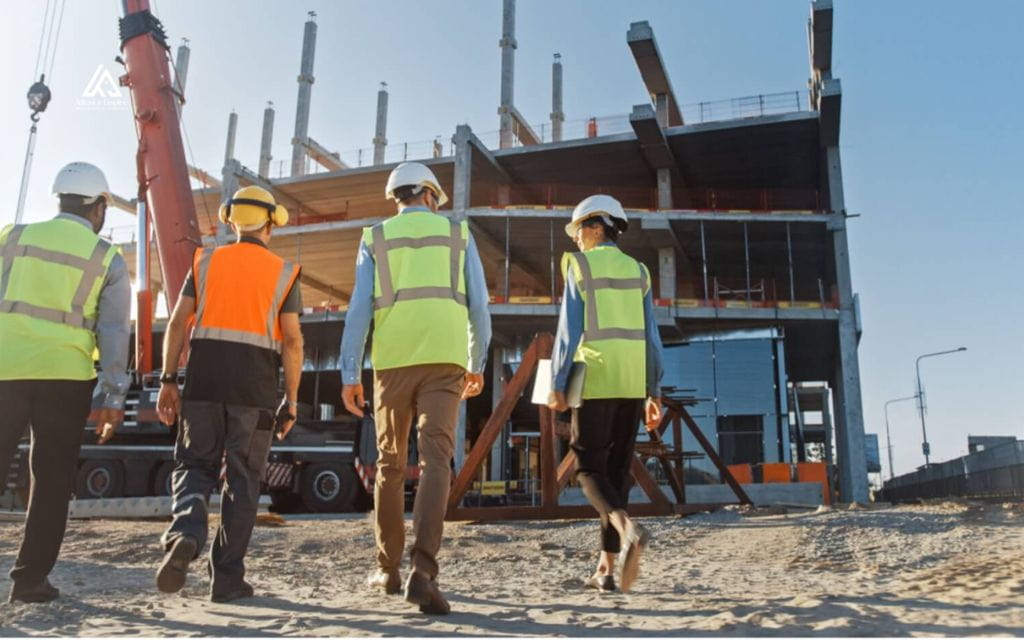
How to run a preconstruction meeting step by step
Good preparation pays off only if the session itself stays focused. These steps keep the preconstruction meeting productive from opening remarks to closing recap:
- Open with goals and ground rules. State which decisions the preconstruction meeting needs to produce and how long it will run.
- Introduce attendees and roles. Confirm decision authority for each party.
- Walk through the agenda in order. Keep presenters to their time blocks, and park detailed side issues for separate sessions.
- Invite questions after each topic. Ask directly for input from trades that have not spoken.
- Record decisions and open items live. Write each action item with an owner and a due date.
- Close with a recap. Read back the action items, confirm the next meeting date, and explain when minutes will be distributed.
What a good preconstruction meeting should produce
Success is measured by what leaves the room. After the preconstruction meeting, every party should understand its scope, the schedule, the communication rules, and the open items it owns, and should see how its work affects others, such as one trade finishing late and delaying the next.
Minutes create the written record of what the team agreed at the preconstruction meeting. Strong minutes list attendees, decisions, agreed procedures for RFIs, submittals, and approvals, and each open issue with an owner and a due date. Attach the agenda and distribute the minutes within a day or two so corrections come quickly.
Follow-up keeps momentum after the room empties. Track action items in a log reviewed at weekly meetings, update the schedule and logistics plan based on decisions, and schedule any trade-specific or preinstallation meetings identified during the session.

Conclusion
The preconstruction meeting gives every party the same picture of scope, schedule, safety, communication, and approval steps before work begins. Strong preparation, a focused agenda, and clear minutes turn it into a working plan rather than a formality.
Teams that build the preconstruction meeting around real project risks tend to find fewer surprises in the field. The sample agenda and checklist above work as a starting point that can be adapted to each contract and trade mix.
Planning a construction project and want experienced input before work begins? Alliance EDS, a Denver-based general contracting and construction company, can talk through scope, schedule, and planning with you. Call us at (720) 484-8181.
Frequently asked questions (FAQs)
What happens if the scope changes after the meeting?
Changes after the preconstruction meeting follow the process the team agreed for change orders. The requesting party documents the change, the team prices it, and the owner approves it in writing before changed work proceeds.Structural or code-related changes may also need design review and permit updates.
How should the team communicate once work begins?
Use the communication plan agreed at the preconstruction meeting. Daily field questions usually go through the superintendent and trade foremen, while formal items such as RFIs, submittals, and change requests follow the documented process. Set a regular coordination meeting and confirm where project documents are stored.
Is a preconstruction meeting required?
Requirements vary. Many contracts and public agency specifications call for one and state the timing and attendees. When nothing requires it, holding a preconstruction meeting is still common practice because it settles scope, schedule, and communication questions before work begins.
How long should a preconstruction meeting last?
The length of a preconstruction meeting depends on project size and complexity. Small projects may need under an hour, while large projects may need a half day or several sessions split by trade or discipline. Set time blocks in the agenda, and schedule separate sessions for detailed topics.
When should a preconstruction meeting be held?
Hold it after the contract is signed and the main subcontractors are identified, but before mobilization. Leave enough lead time between the preconstruction meeting and the start of work so the team can resolve findings, such as long-lead orders or permit questions, before crews arrive.
Can a preconstruction meeting be held virtually?
Yes. Video meetings work well for distributed teams when documents are shared on screen, a facilitator keeps the agenda moving, and a note-taker logs action items in a shared file. Complex projects may still benefit from holding the preconstruction meeting in person, ideally with a walk of the site.
Who takes the minutes of a preconstruction meeting?
The chair usually assigns a note-taker in advance, often a project engineer, project coordinator, or assistant project manager. The note-taker records decisions and action items from the preconstruction meeting, then circulates the minutes for review. The chair remains responsible for their accuracy.